Tony Hawk: Harnessing Passion, Drive & Persistence for Lifelong Success | Huberman Lab Podcast

Topics covered
Popular Clips


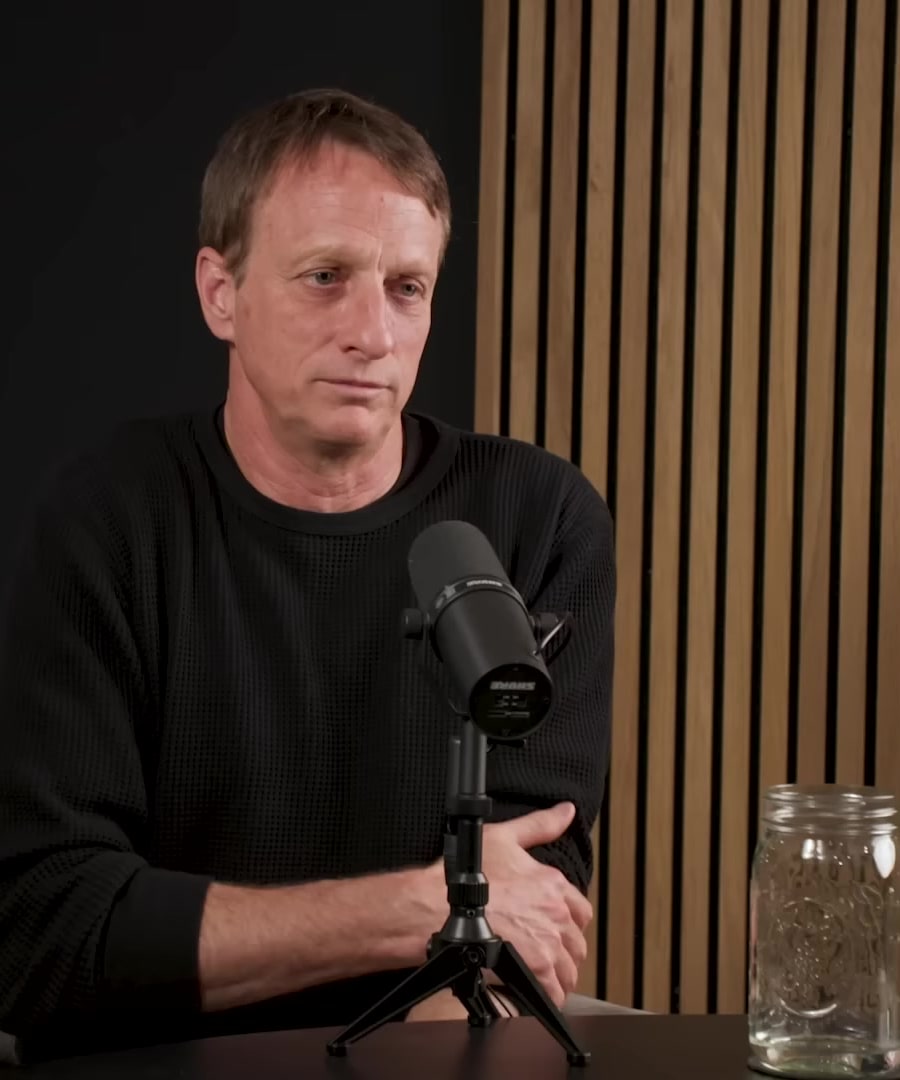
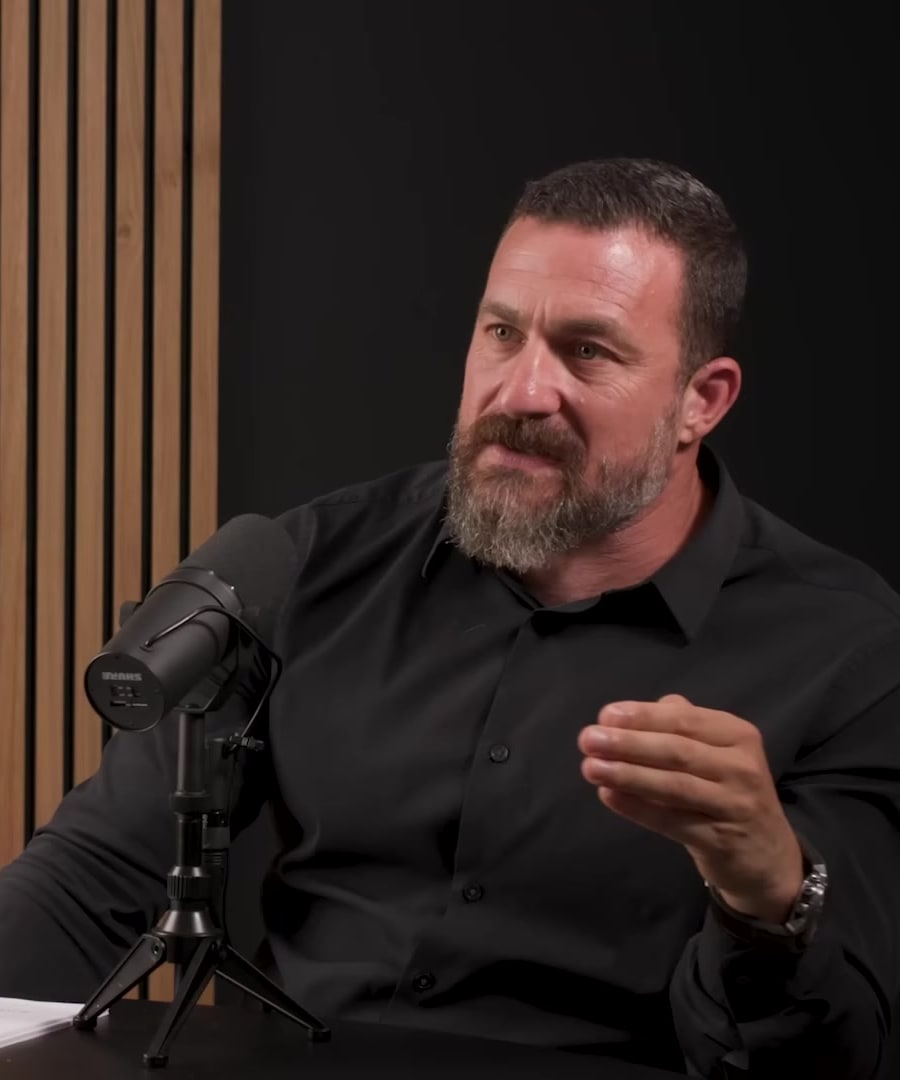


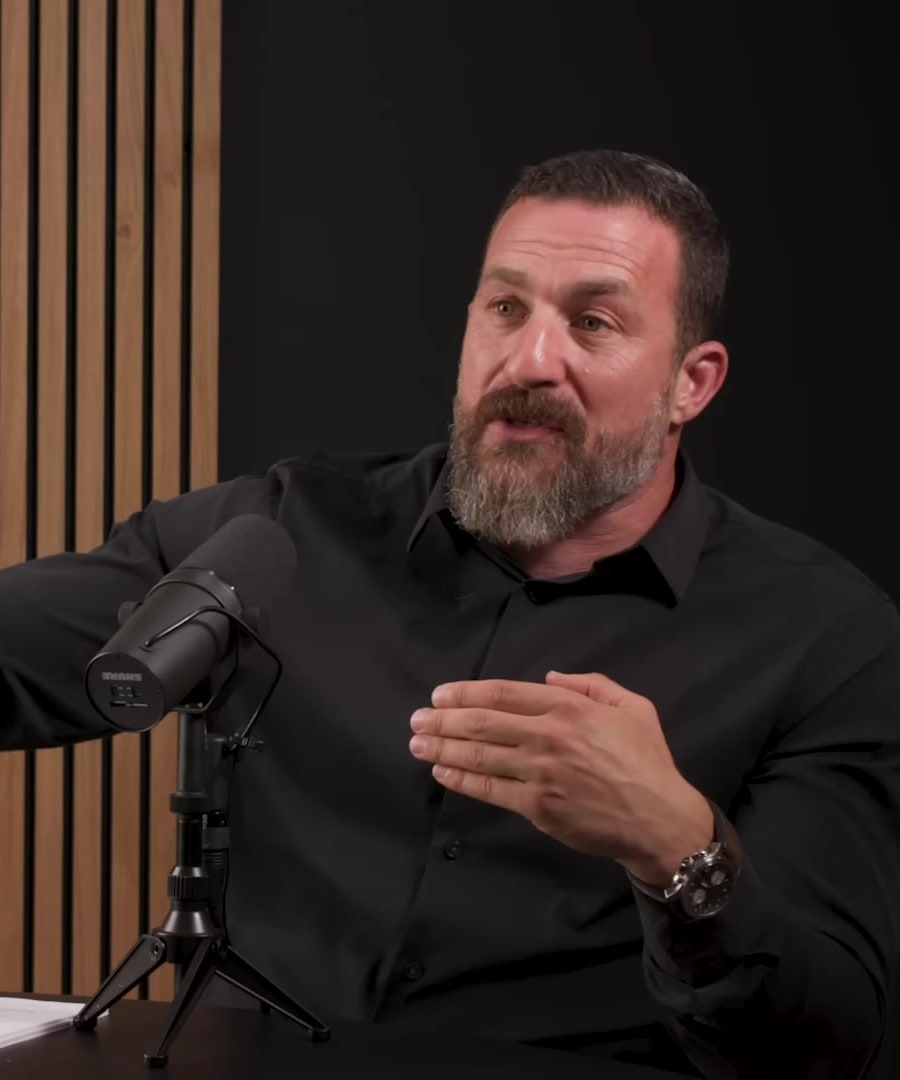
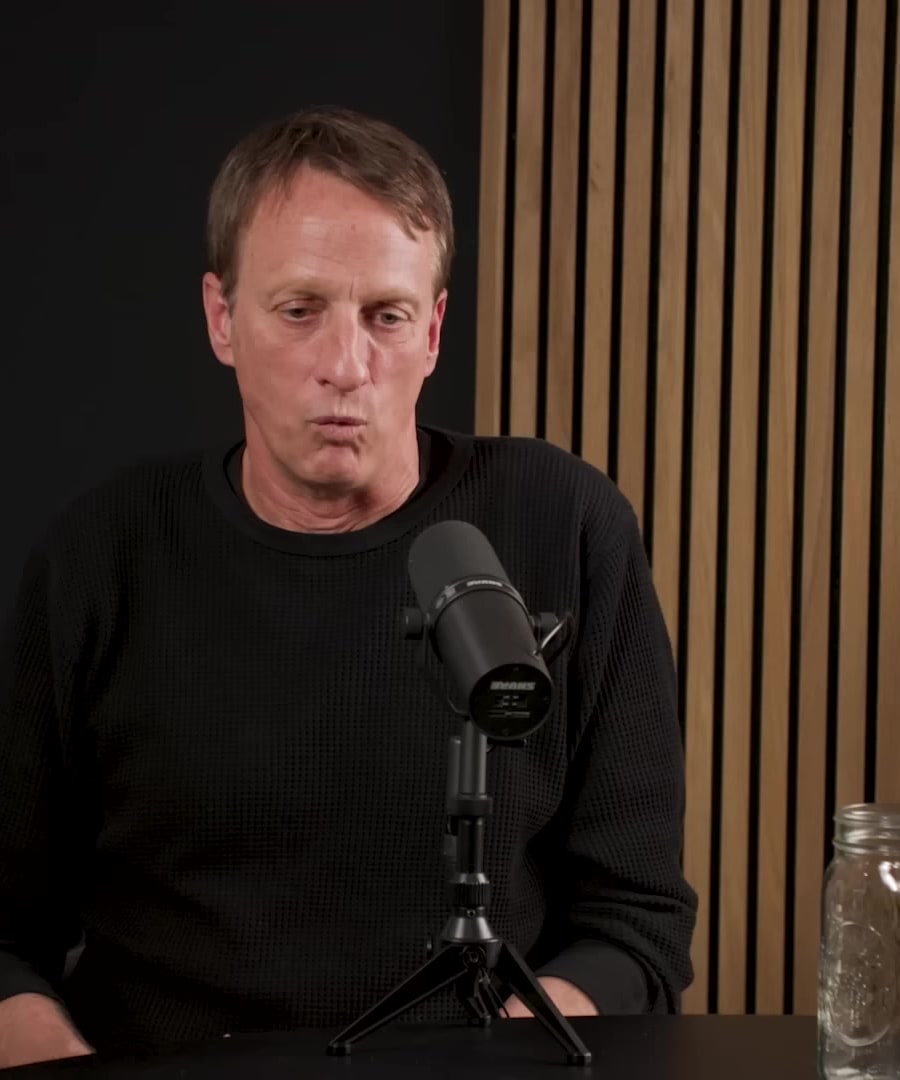

Questions from this episode
- Asked by 1,207 people
- Asked by 231 people
- Asked by 226 people
- Asked by 213 people
- Asked by 92 people
- Asked by 69 people
- Asked by 65 people
- Asked by 60 people
- Asked by 60 people
- Asked by 47 people
- Asked by 44 people
- Asked by 43 people
- Asked by 26 people
- Asked by 26 people
- Asked by 22 people
Episode Highlights
Early Days
Tony Hawk's early skateboarding days were marked by a mix of curiosity and determination. He began skating in the late 70s, a time when skateboarding was more of a fad with kids riding around on basic, often low-quality boards. His first exposure to a real skate park was Oasis Skate Park, which left a lasting impression on him and solidified his passion for the sport 1. Hawk recalls the challenges of being a young skater, often facing criticism for his unique tricks that didn't initially gain much acceptance. However, as he began to achieve greater height and visibility in his tricks, the perception started to shift 2.
When I first saw people flying around in person, I was like, this is what I'm doing for as long as I could possibly do it, because it looked like magic.
---
This early period was crucial in shaping his approach to skateboarding and his relentless drive to innovate and improve.
Media Impact
The influence of media, particularly video games, played a significant role in popularizing skateboarding and changing public perception. Tony Hawk's Pro Skater video game allowed kids to experience skateboarding virtually, inspiring many to take up the sport in real life. Hawk, a lifelong fan of video games, saw the potential early on and worked closely with developers to create a game that felt authentic to skateboarders 3. Despite initial skepticism from game companies, the game's success exceeded expectations, leading to multiple sequels and a lasting impact on the sport 4.
The video game changed a lot of things for the general public in terms of their perception of skateboarding.
---
This media exposure helped skateboarding gain wider acceptance and inspired a new generation of skaters.
Professionalism
The evolution of skateboarding as a profession brought significant changes in sponsorship, competitive events, and financial incentives. In the late 90s, as the X Games gained popularity, skateboarding started to be seen as a viable career. Hawk made a pivotal decision to decline a buyout offer for his video game royalties, which turned out to be the best financial decision of his career 5. His professionalism and punctuality also set him apart in a sport known for its laid-back culture, earning him respect and success both on and off the skateboard 6.
We're going to be on time because we have to respect other people's time.
---
These elements contributed to the growth and legitimacy of professional skateboarding.
Cultural Shift
The general public's view of skateboarding has evolved significantly over the years, with various factors contributing to its current acceptance. Hawk's relentless drive and ability to continually progress, even after severe injuries, have made him a symbol of resilience and dedication 7. His family's support, particularly his father's involvement in organizing skate events, created a sense of community and purpose for many young skaters 8.
He loved that he created this safe space and this sense of community.
---
This cultural shift has allowed skateboarding to be recognized as a serious sport and a positive influence on youth.
Related Episodes

How to Increase Your Willpower & Tenacity | Huberman Lab Podcast
Answers 383 questions
Tim Ferriss: How to Learn Better & Create Your Best Future | Huberman Lab Podcast
Answers 383 questionsUsing Play to Rewire & Improve Your Brain | Huberman Lab Podcast #58
Answers 383 questions
Dr. Maya Shankar: How to Shape Your Identity & Goals | Huberman Lab Podcast
Answers 383 questionsThe Science of Making & Breaking Habits | Huberman Lab Podcast #53
Answers 383 questionsHow to Learn Skills Faster | Huberman Lab Podcast #20
Answers 383 questions
Ido Portal: The Science & Practice of Movement | Huberman Lab Podcast #77
Answers 383 questionsHow To Build Endurance In Your Brain & Body | Huberman Lab Podcast #23
Answers 383 questionsUsing Failures, Movement & Balance to Learn Faster | Huberman Lab Podcast #7
Answers 383 questions