

Science-Based Mental Training & Visualization for Improved Learning | Huberman Lab Podcast

Topics covered
Popular Clips





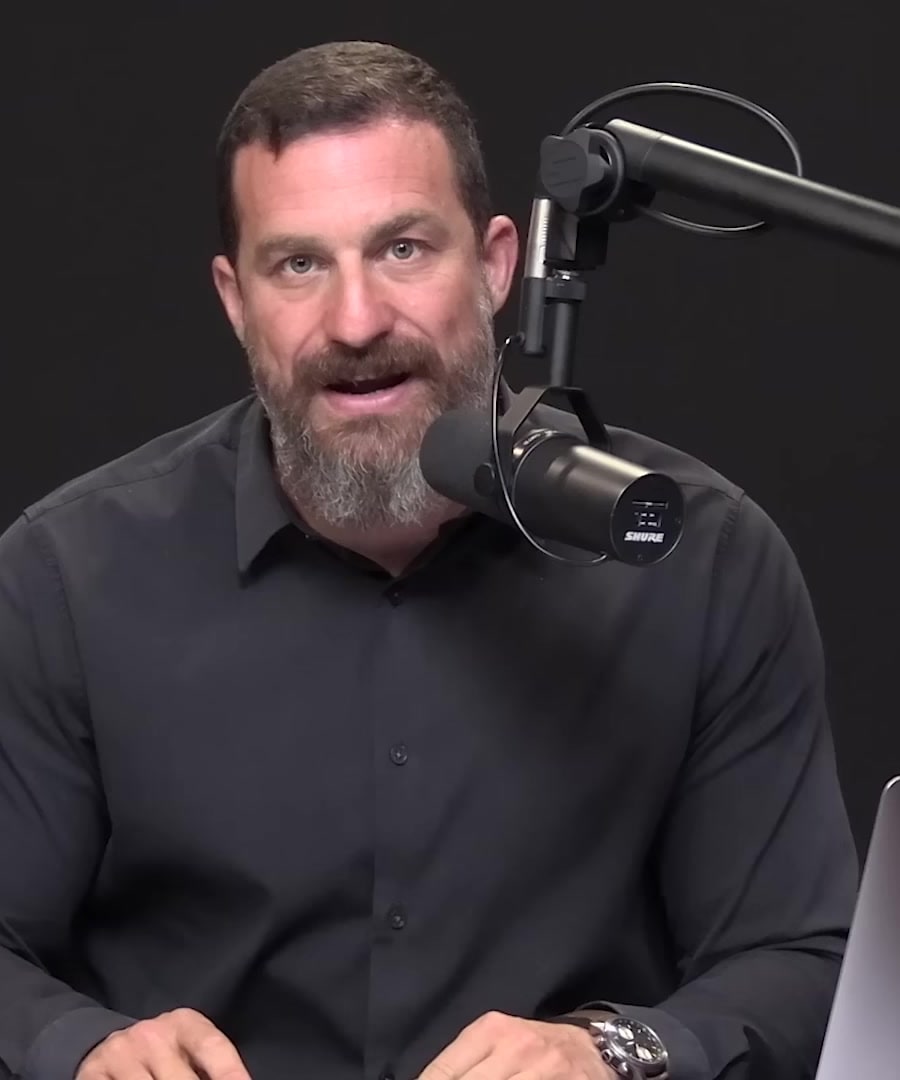

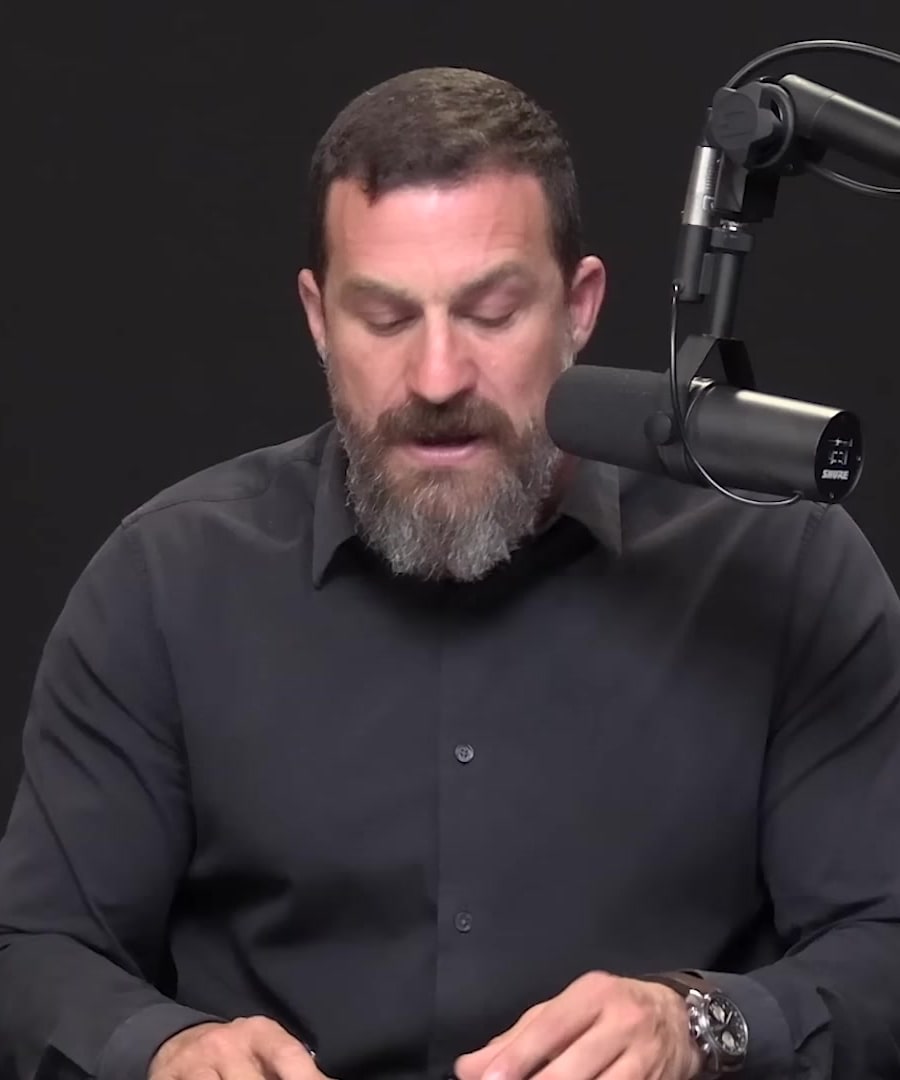

Questions from this episode
- Asked by 1,205 people
- Asked by 213 people
- Asked by 106 people
- Asked by 73 people
- Asked by 69 people
- Asked by 65 people
- Asked by 64 people
- Asked by 60 people
- Asked by 60 people
- Asked by 50 people
- Asked by 48 people
- Asked by 48 people
- Asked by 43 people
- Asked by 42 people
Episode Highlights
Sleep's Role
emphasizes the critical role of sleep in learning and neuroplasticity. He explains that focused attention, often accompanied by agitation, is necessary for learning, but it's during sleep that the brain rewires itself to solidify new skills 1. Huberman notes, "There are now hundreds of studies in both animal models and in humans showing that it is really during sleep and other states of deep relaxation... that the rewiring of neural connections, that is the actual neuroplasticity takes place."
There are now hundreds of studies in both animal models and in humans showing that it is really during sleep and other states of deep relaxation... that the rewiring of neural connections, that is the actual neuroplasticity takes place.
---
He further discusses the importance of getting quality sleep after both physical and mental training to ensure effective learning and skill retention 2.
Timing & Tasks
Timing plays a crucial role in maximizing the benefits of mental training. Huberman introduces the stop-signal task, a laboratory exercise that mimics real-world learning challenges, highlighting the importance of reaction time and skill acquisition 3. He describes how this task involves responding to visual cues with speed and accuracy, which can be improved through mental training.
The stop signal task was really developed and popularized by Gordon Logan and William Cowan... looking at motor performance and skill acquisition.
---
Huberman suggests that while the timing of mental training relative to physical training is flexible, ensuring quality sleep after training sessions is essential for consolidating learning and enhancing performance 3.
Related Episodes

The Science of Vision, Eye Health & Seeing Better | Huberman Lab Podcast #24
Answers 383 questionsHow To Build Endurance In Your Brain & Body | Huberman Lab Podcast #23
Answers 383 questionsUnderstand & Improve Memory Using Science-Based Tools | Huberman Lab Podcast #72
Answers 383 questionsHow to Focus to Change Your Brain | Huberman Lab Podcast #6
Answers 383 questionsThe Science of Making & Breaking Habits | Huberman Lab Podcast #53
Answers 383 questionsHow to Learn Skills Faster | Huberman Lab Podcast #20
Answers 383 questionsThe Science of Setting & Achieving Goals | Huberman Lab Podcast #55
Answers 383 questions
Ido Portal: The Science & Practice of Movement | Huberman Lab Podcast #77
Answers 383 questionsThe Science of Hearing, Balance & Accelerated Learning | Huberman Lab Podcast #27
Answers 383 questions