Dr. Charles Zuker: The Biology of Taste Perception & Sugar Craving | Huberman Lab Podcast #81

Topics covered
Popular Clips


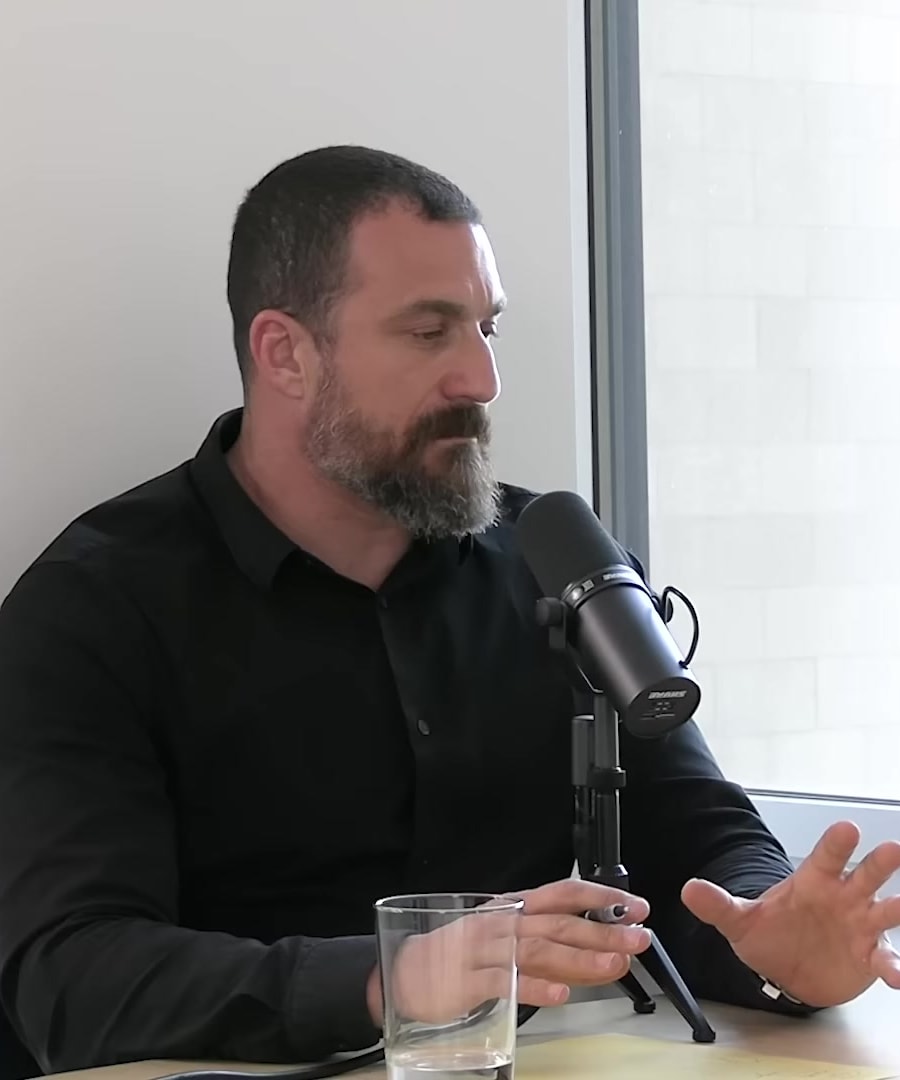


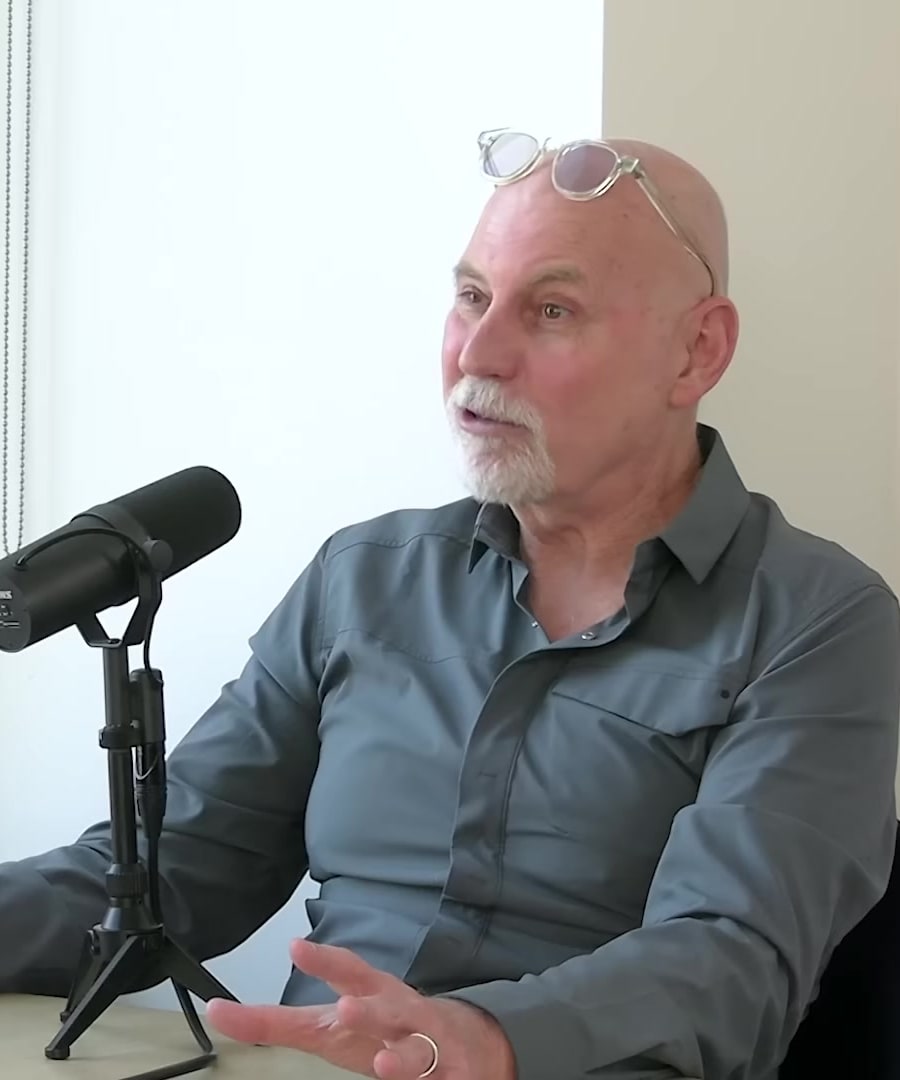
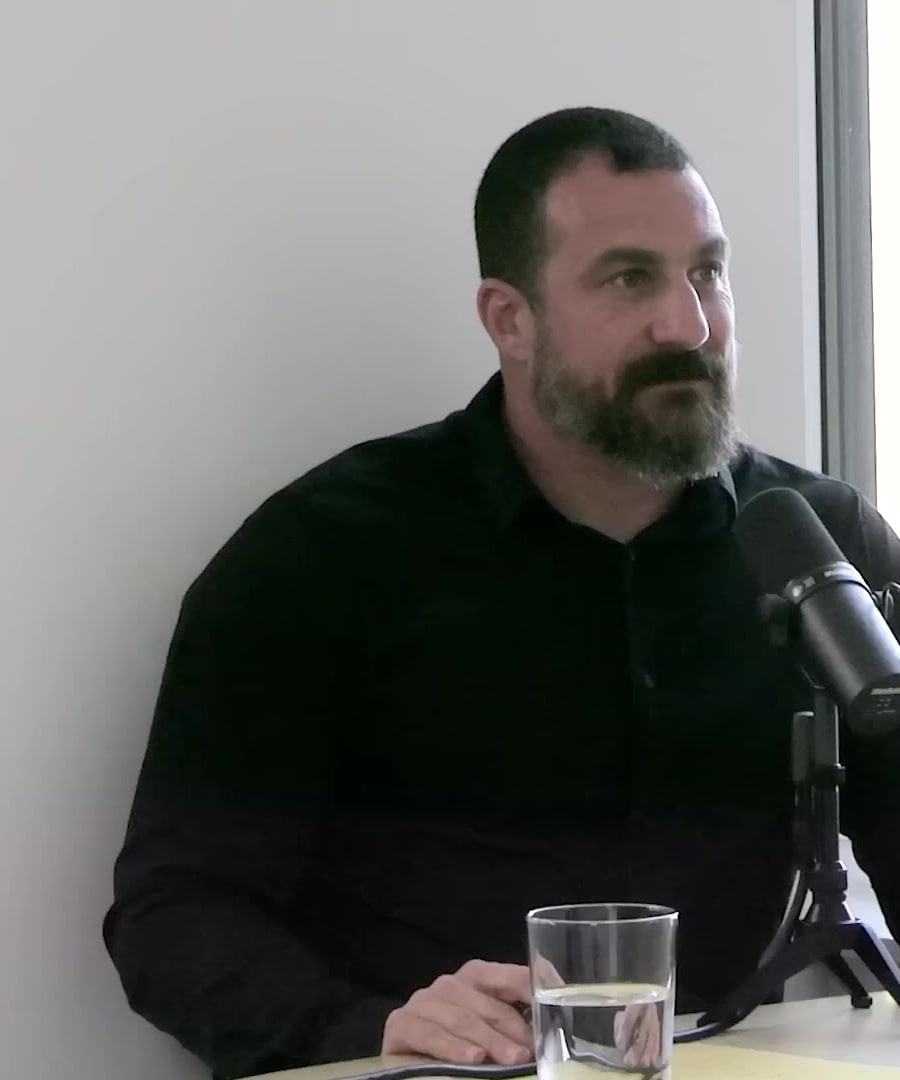
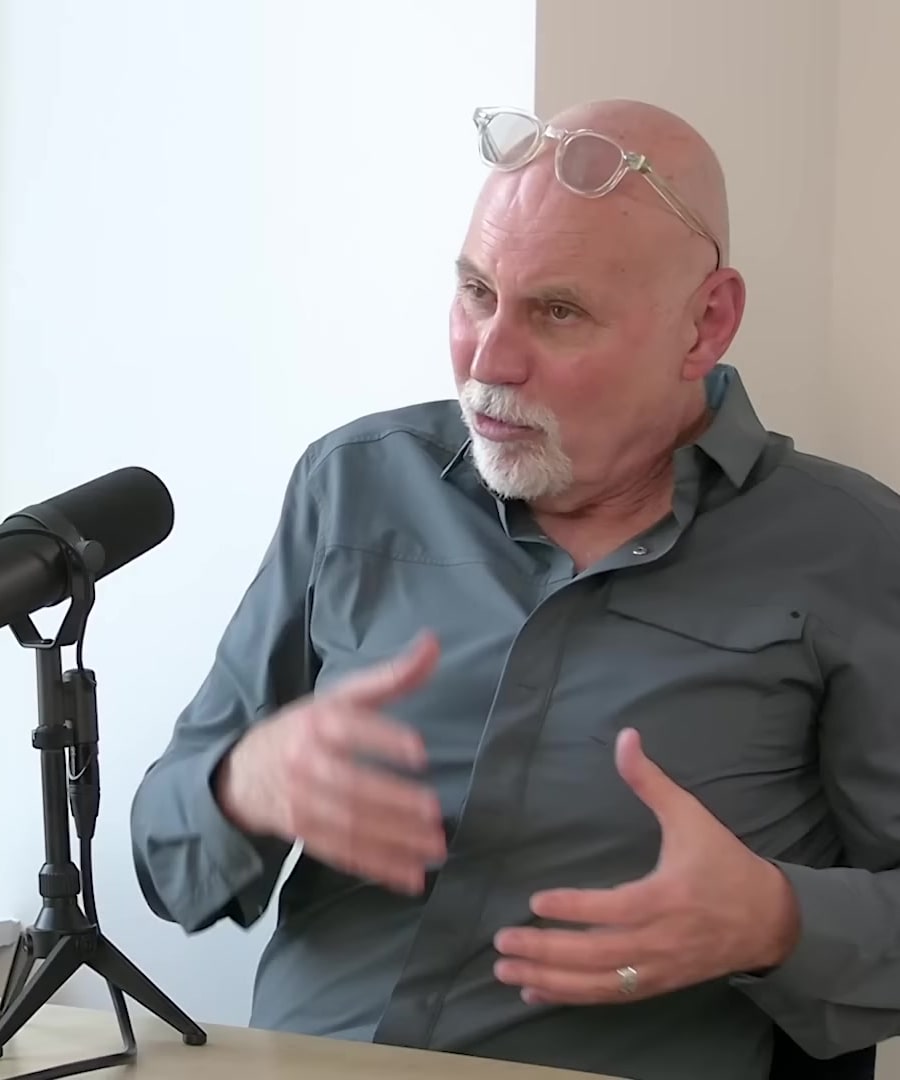
Episode Highlights
Taste Receptors
Dr. challenges the traditional view of taste localization on the tongue, revealing that taste receptors are distributed throughout the oral cavity, not confined to specific areas. He explains that each taste bud contains cells for all five basic taste modalities: sweet, sour, bitter, salty, and umami 1. This debunks the myth of a "tongue map," where different tastes are perceived in distinct regions 2.
The notion that all sweet is in the front and salt is on the side, it's not real.
---
Zuker also discusses potential additional taste modalities, such as fat and metallic tastes, suggesting that these may arise from complex interactions of existing taste receptors 3.
Taste Pathways
The journey of taste signals from the tongue to the brain is a rapid and intricate process. describes how taste signals, such as those for sweetness, travel through specific neural pathways, eventually reaching the taste cortex where meaning is assigned to the stimuli 4. This process occurs within a fraction of a second, highlighting the efficiency of the nervous system 5.
Once it gets to your taste cortex, that's where meaning is imposed into that signal.
---
Zuker emphasizes the predetermined nature of taste perception, noting that the brain can simulate taste experiences even in the absence of actual stimuli, demonstrating the brain's ability to segregate different taste perceptions 6.
Sensory Integration
Taste perception is deeply intertwined with other sensory inputs like smell and texture, forming the complex experience of flavor. and discuss how context and sensory integration play crucial roles in how we perceive taste, with flavor being a combination of taste, smell, and texture 7. This integration allows for a rich sensory experience that can change over time and with learning.
The taste system is changeable. It's malleable and is subjected to learning and experience.
---
Zuker explains that while taste is primarily about nutrient acquisition and survival, it is also capable of adaptation and learning, unlike the olfactory system, which serves broader roles in animal behavior 8.
Related Episodes

How Smell, Taste & Pheromone-Like Chemicals Control You | Huberman Lab Podcast #25
Answers 383 questionsNutrients For Brain Health & Performance | Huberman Lab Podcast #42
Answers 383 questionsThe Science of Love, Desire and Attachment | Huberman Lab Podcast #59
Answers 383 questions
Dr. Diego Bohórquez: The Science of Your Gut Sense & the Gut-Brain Axis
Answers 383 questions
Dr. Robert Lustig: How Sugar & Processed Foods Impact Your Health
Answers 383 questions
The Chemistry of Food & Taste | Dr. Harold McGee
Answers 383 questionsHow Our Hormones Control Our Hunger, Eating & Satiety | Huberman Lab Podcast #16
Answers 383 questionsUsing Salt to Optimize Mental & Physical Performance | Huberman Lab Podcast #63
Answers 383 questions
Dr. David Berson: Your Brain's Logic & Function | Huberman Lab Podcast #50
Answers 383 questionsHow Foods and Nutrients Control Our Moods | Huberman Lab Podcast #11
Answers 383 questionsHow to Optimize Your Brain-Body Function & Health | Huberman Lab Podcast #30
Answers 383 questions
Dr. Zachary Knight: The Science of Hunger & Medications to Combat Obesity
Answers 383 questions