Dr. Jeffrey Goldberg: How to Improve Your Eye Health & Offset Vision Loss | Huberman Lab Podcast

Topics covered
Popular Clips

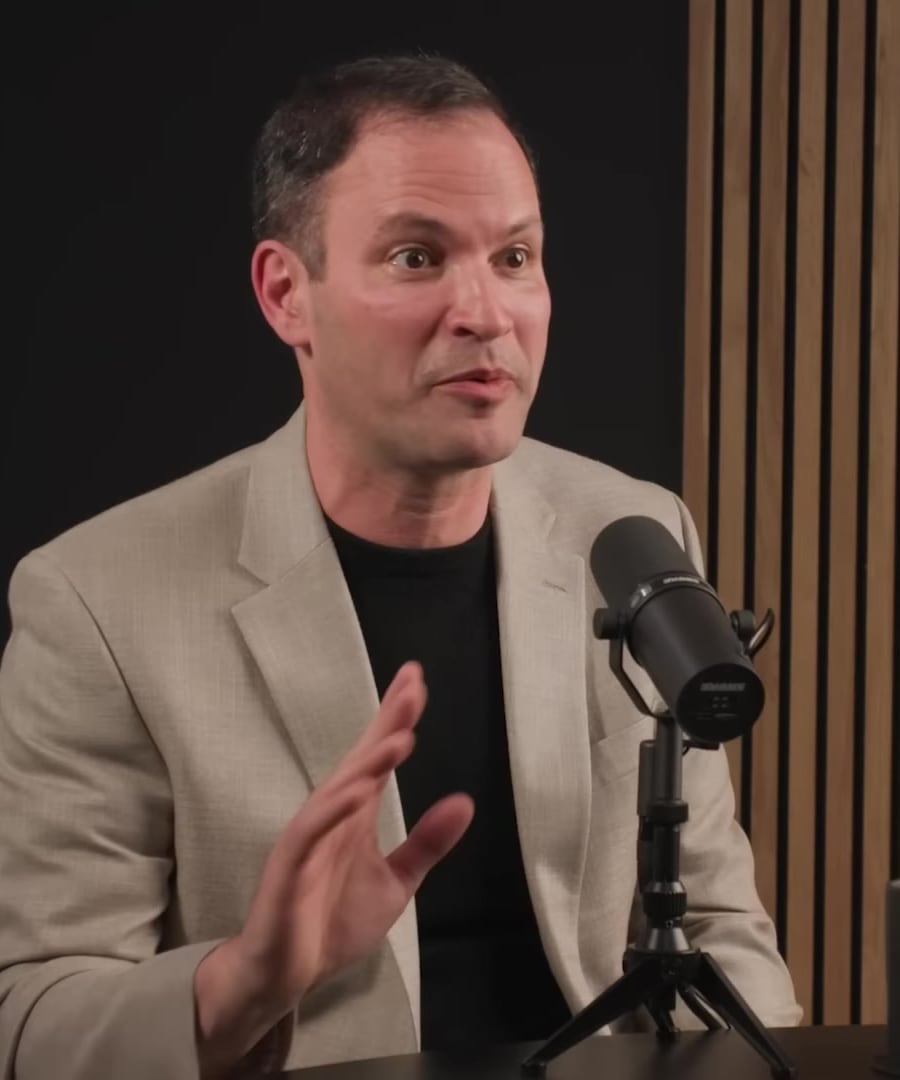
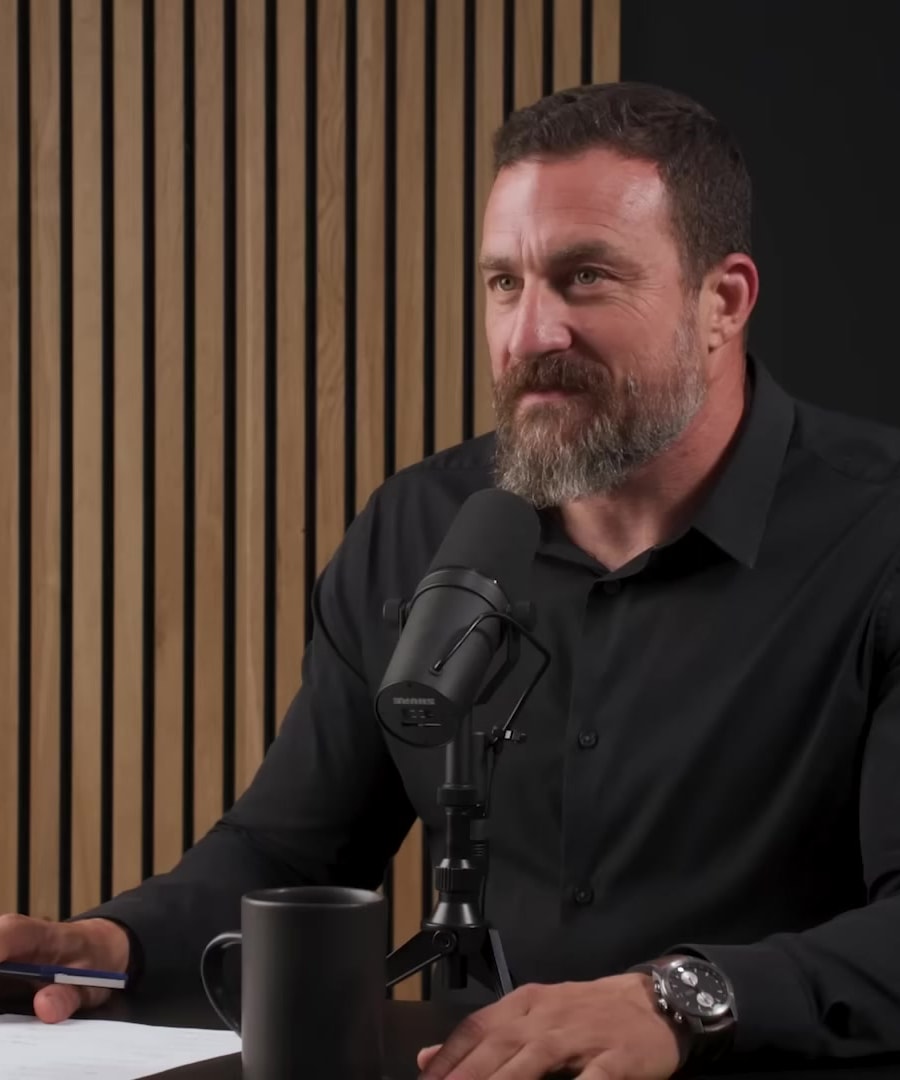
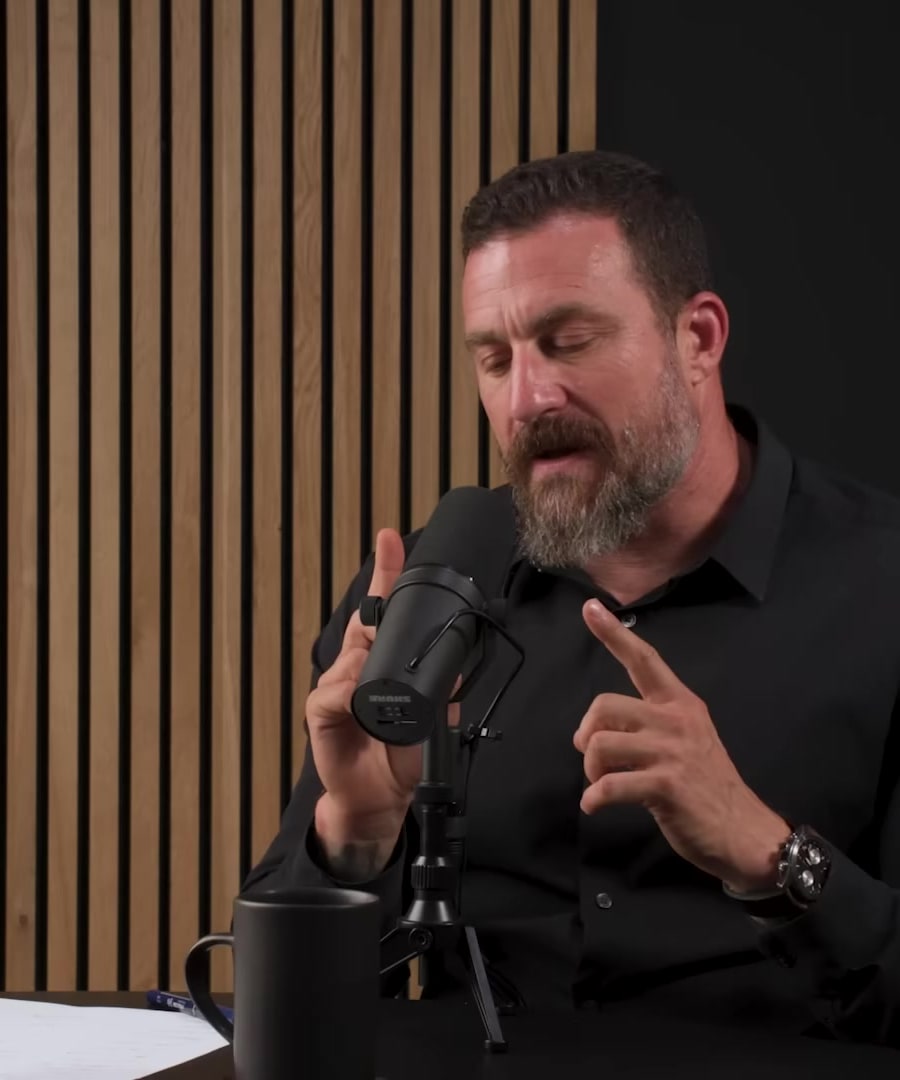
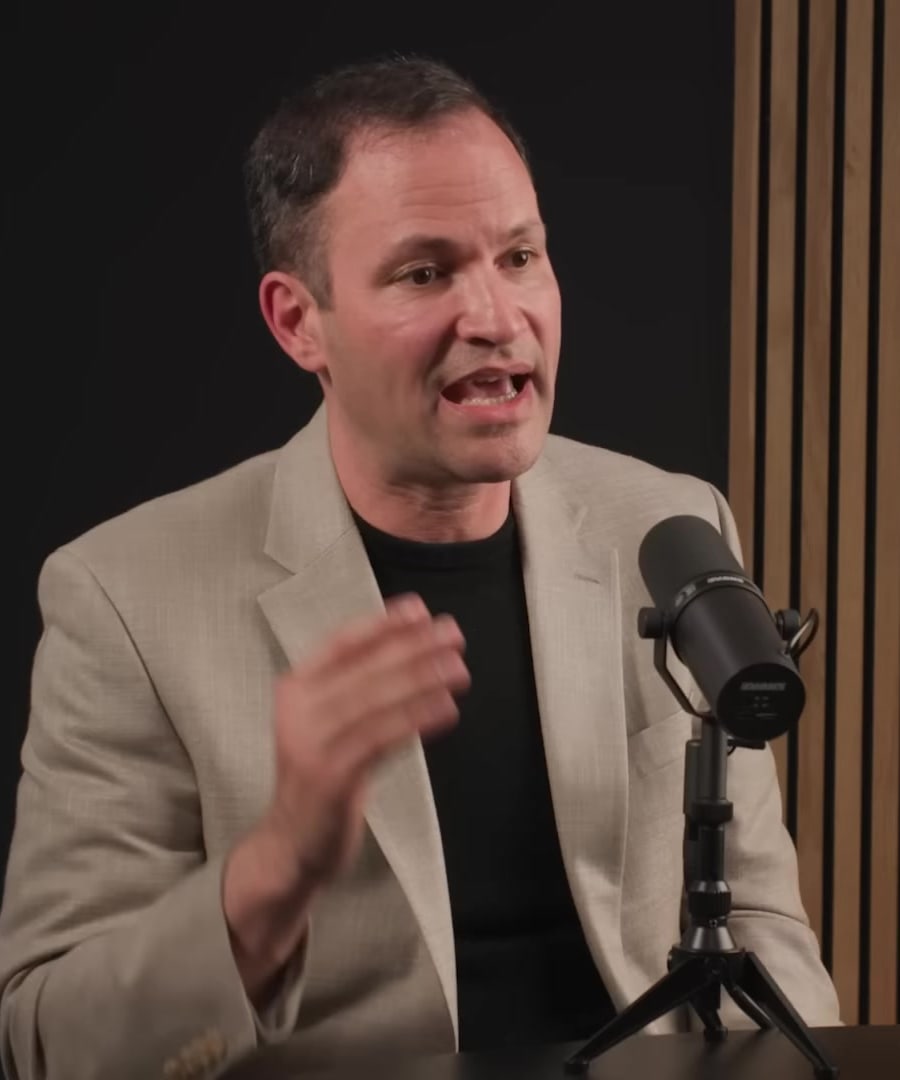
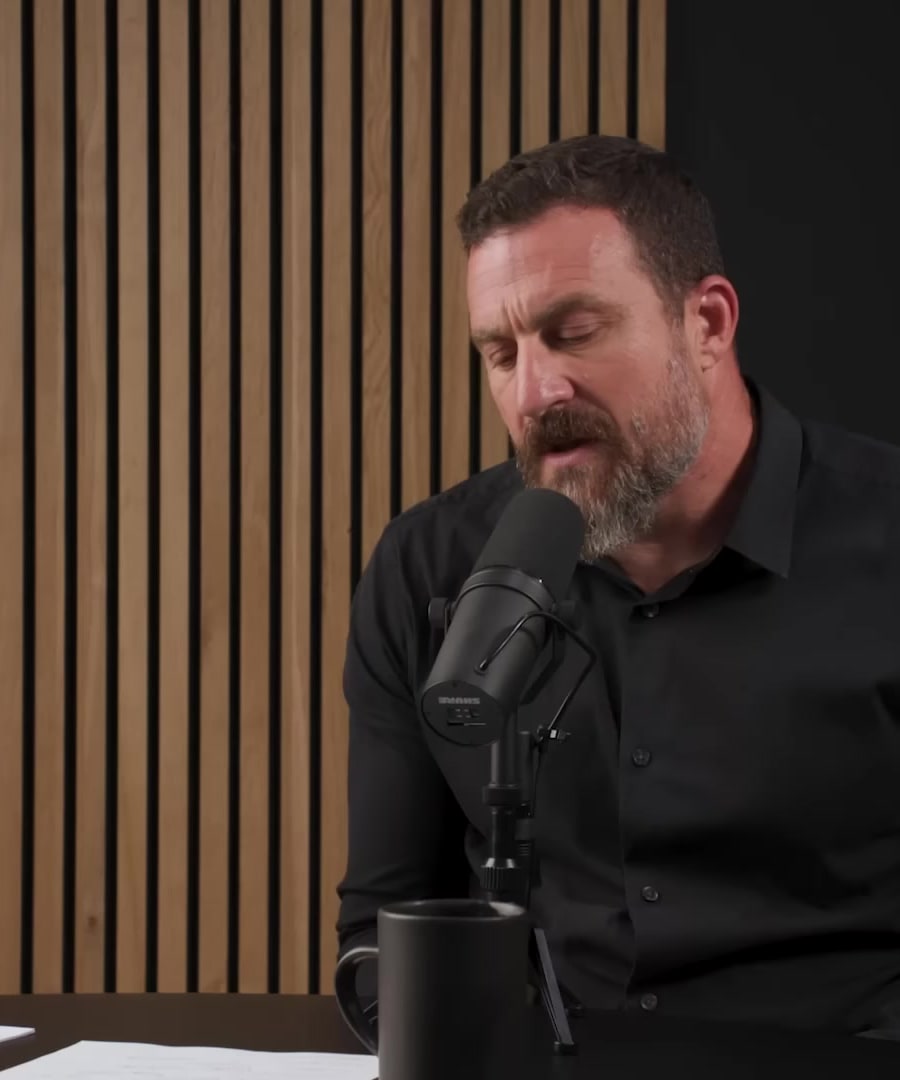
Questions from this episode
- Asked by 1,205 people
- Asked by 805 people
- Asked by 467 people
- Asked by 389 people
- Asked by 379 people
- Asked by 259 people
- Asked by 231 people
- Asked by 107 people
- Asked by 85 people
- Asked by 71 people
- Asked by 67 people
- Asked by 62 people
- Asked by 58 people
- Asked by 39 people
- Asked by 33 people
Episode Highlights
Contact Lenses
Contact lenses offer a convenient alternative to glasses, but they come with their own set of risks and responsibilities. emphasizes the importance of proper cleaning and usage to prevent infections, which can lead to corneal scarring and vision issues 1. He advises using daily disposable lenses to minimize these risks, despite environmental concerns 1. adds that while contact lenses can improve vision quality by correcting higher-order aberrations, they alter tear dynamics and oxygen diffusion on the eye's surface 2.
Putting a contact lens on the front of the eye is about as close to putting a device on your brain as I can think of.
---
As we age, contact lenses may become less tolerable due to decreased tear film reserves, making it crucial to monitor comfort levels and adjust usage accordingly 1.
LASIK Surgery
LASIK surgery offers a transformative solution for vision correction, often resulting in better than 20/20 vision. explains that LASIK reshapes the cornea to correct vision issues like astigmatism and myopia, using advanced technology to address both regular and higher-order aberrations 3. However, he cautions that LASIK may not be suitable for individuals with dry eyes, as it can exacerbate the condition 4.
The technology has come so far that the LASIK procedures can actually correct not just the regular aberrations but also some of these higher order aberrations.
---
While LASIK can be a cost-effective alternative to glasses over time, it is generally recommended for those whose vision has stabilized, typically in their late teens or twenties 4.
Glasses Dependency
The dependency on glasses, particularly reading glasses, is both a psychological and physiological phenomenon. shares his personal experience of becoming reliant on readers, highlighting how easy it is to become accustomed to clear vision 5. He notes that while studies are inconclusive about whether using readers accelerates dependency, the desire for effortless vision is undeniable 5.
Psychologically, we get addicted to good, easy vision. And if you don't have to squint, and if you're not straining your muscles, the text on your phone looks crisper again.
---
adds that using readers can provide a sense of relaxation, reducing strain on the eye muscles and allowing for more focus on the task at hand 6.
Related Episodes

The Science of Vision, Eye Health & Seeing Better | Huberman Lab Podcast #24
Answers 383 questions
Dr. Gary Steinberg: How to Improve Brain Health & Offset Neurodegeneration
Answers 383 questions
Dr. David Berson: Your Brain's Logic & Function | Huberman Lab Podcast #50
Answers 383 questionsHow to Optimize Your Brain-Body Function & Health | Huberman Lab Podcast #30
Answers 383 questions
Dr. Kyle Gillett: Tools for Hormone Optimization in Males | Huberman Lab Podcast 102
Answers 383 questionsNutrients For Brain Health & Performance | Huberman Lab Podcast #42
Answers 383 questions