How to Control Your Sense of Pain & Pleasure | Huberman Lab Podcast #32

Topics covered
Popular Clips





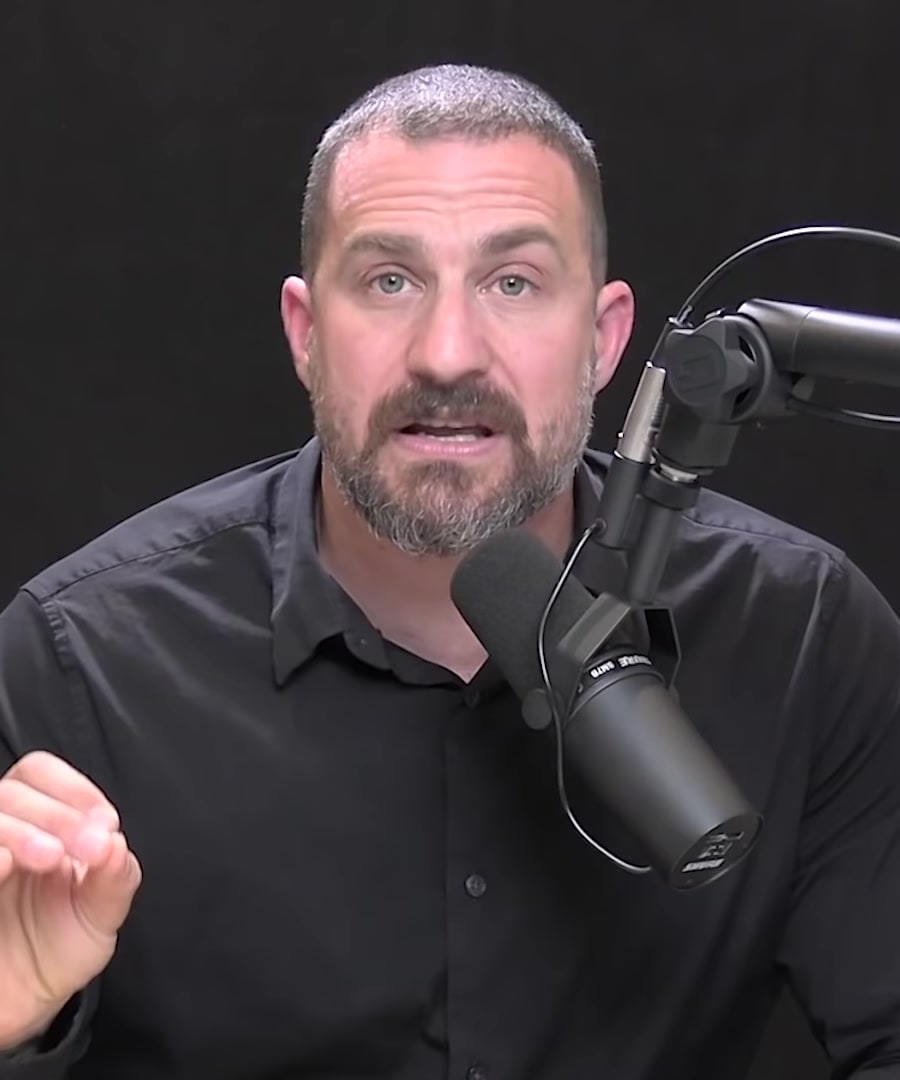
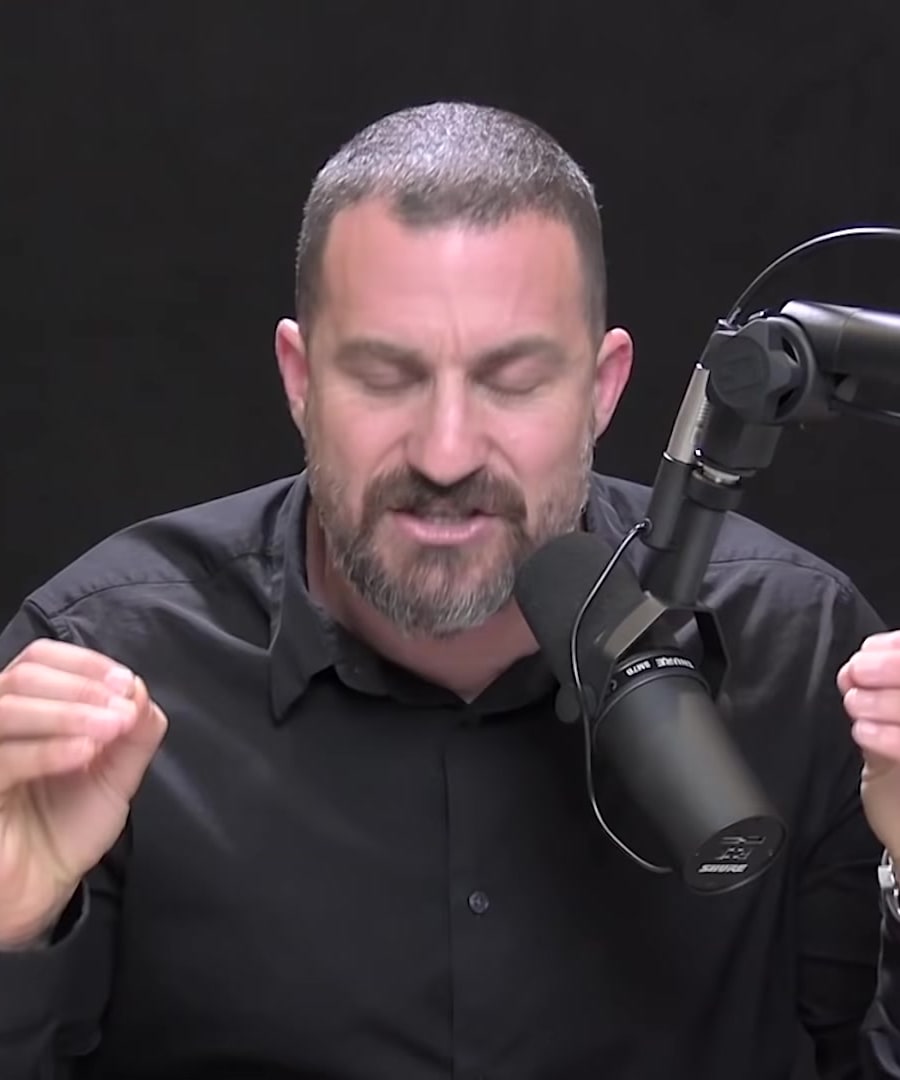



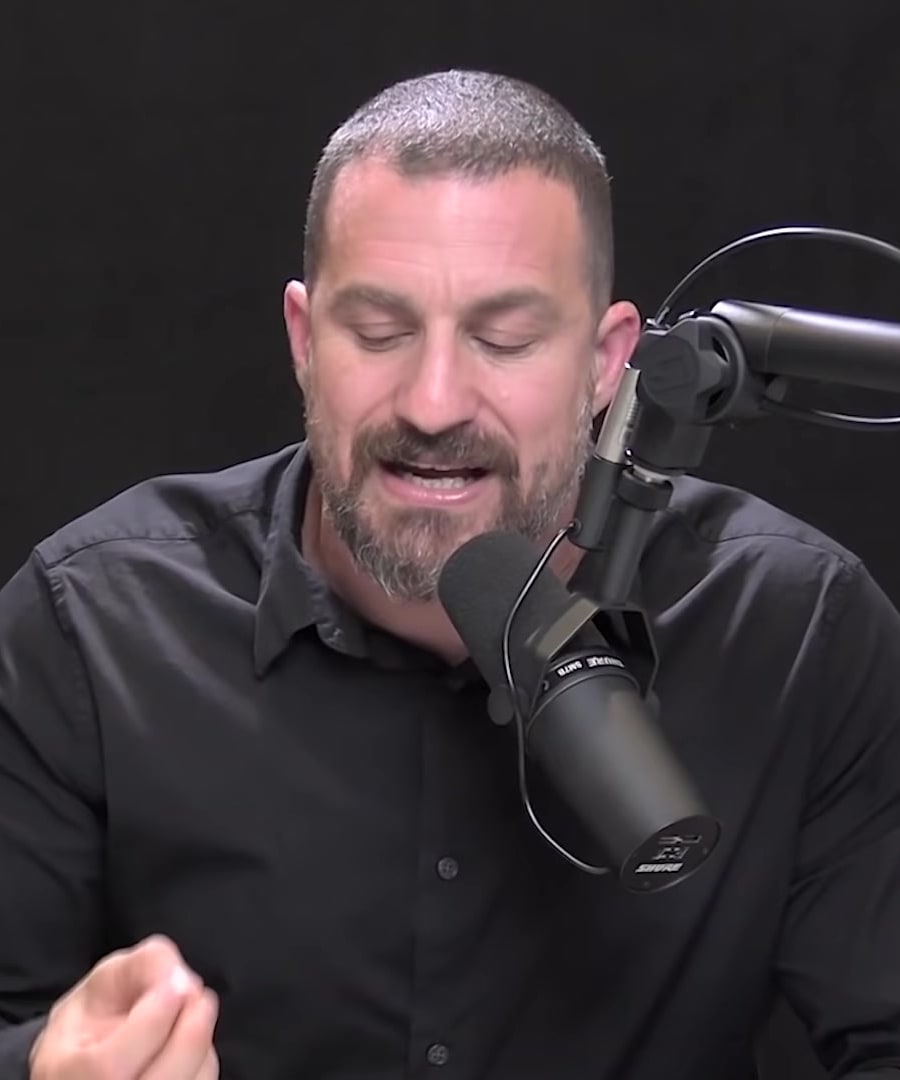
Questions from this episode
- Asked by 1,280 people
- Asked by 1,203 people
- Asked by 230 people
- Asked by 228 people
- Asked by 187 people
- Asked by 172 people
- Asked by 160 people
- Asked by 140 people
- Asked by 96 people
- Asked by 92 people
- Asked by 86 people
- Asked by 76 people
- Asked by 72 people
- Asked by 69 people
- Asked by 68 people
Episode Highlights
Anticipation
Anticipation plays a crucial role in modulating pain perception. explains that the timing of anticipation is key; knowing about a painful stimulus 20 to 40 seconds in advance can significantly reduce the pain experienced. This is because it allows the brain to prepare and buffer the pain response effectively 1.
If subjects are warned that a painful stimulus is coming, their subjective experience of that pain is vastly reduced.
---
However, warning too close to the event, like two seconds before, can exacerbate the pain as the brain lacks time to prepare 1.
Variability
Pain perception varies widely among individuals due to personal and genetic factors. notes that pain threshold involves both the intensity of the stimulus and the duration of pain persistence 2. Experiments reveal that people rate the same painful stimulus differently, highlighting subjective variability.
People experienced the same thermal, in this case cold stimulus, vastly different.
---
Factors like expectation, anxiety, and circadian rhythms also influence pain perception, with resilience to pain typically higher during daylight hours 3.
Neural Mapping
The brain's interpretation of sensory signals is fundamental to the experience of pain and pleasure. Neurons, specifically DRGs, send signals from the skin to the brain, where they are interpreted as pain or pleasure 4. explains that the somatosensory cortex maps the body's surface, with areas like the lips and fingertips having more sensory receptors, thus heightened sensitivity 5.
The neuron that responds to light touch sends electrical signals up toward the brain.
---
This mapping allows the brain to create a subjective experience of pain or pleasure, influenced by both innate and learned factors 5.
Related Episodes

Control Pain & Heal Faster with Your Brain | Huberman Lab Podcast #9
Answers 383 questionsHow to Increase Motivation & Drive | Huberman Lab Podcast #12
Answers 383 questionsUnderstanding & Conquering Depression | Huberman Lab Podcast #34
Answers 383 questionsThe Science of Emotions & Relationships | Huberman Lab Podcast #13
Answers 383 questionsHow Your Nervous System Works & Changes | Huberman Lab Podcast #1
Answers 383 questions
Dr. Anna Lembke: Understanding & Treating Addiction | Huberman Lab Podcast #33
Answers 383 questionsHow Foods and Nutrients Control Our Moods | Huberman Lab Podcast #11
Answers 383 questionsHow Our Hormones Control Our Hunger, Eating & Satiety | Huberman Lab Podcast #16
Answers 383 questionsThe Science of Love, Desire and Attachment | Huberman Lab Podcast #59
Answers 383 questionsHow Smell, Taste & Pheromone-Like Chemicals Control You | Huberman Lab Podcast #25
Answers 383 questions