

Using Your Nervous System to Enhance Your Immune System | Huberman Lab Podcast #44

Topics covered
Popular Clips
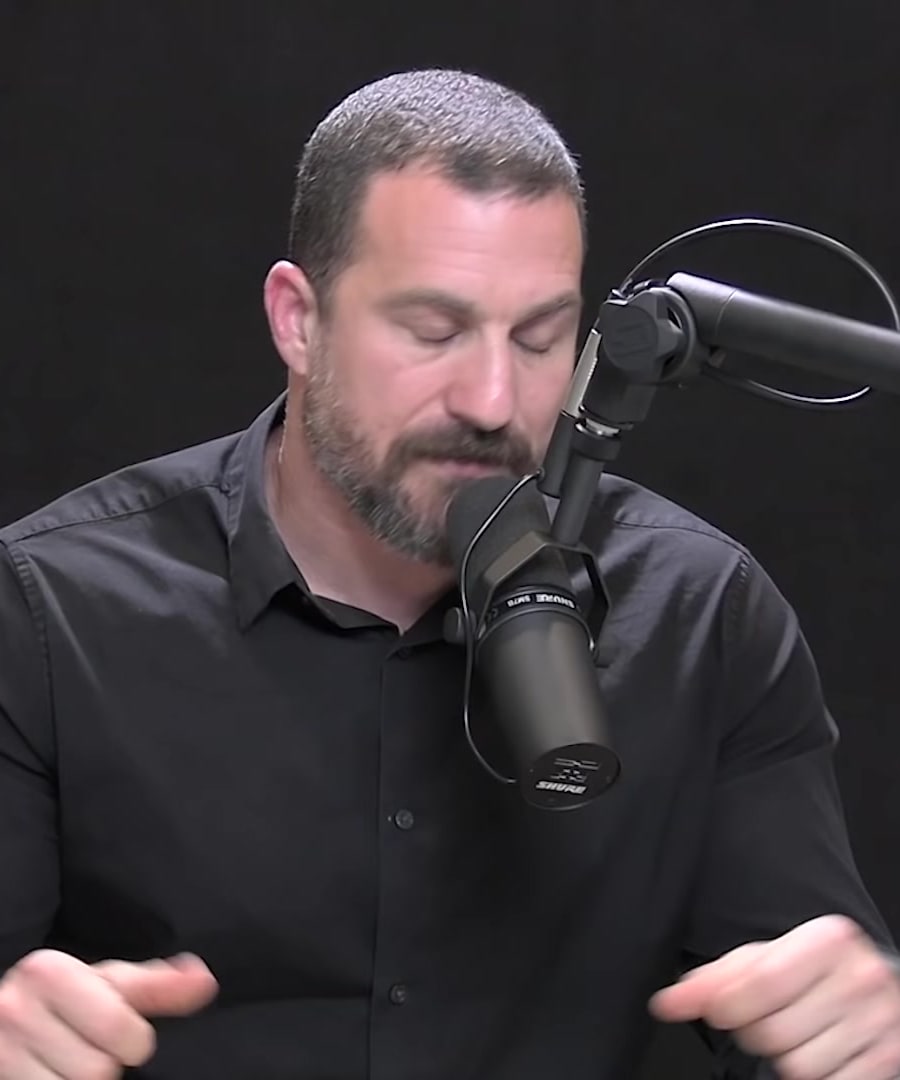






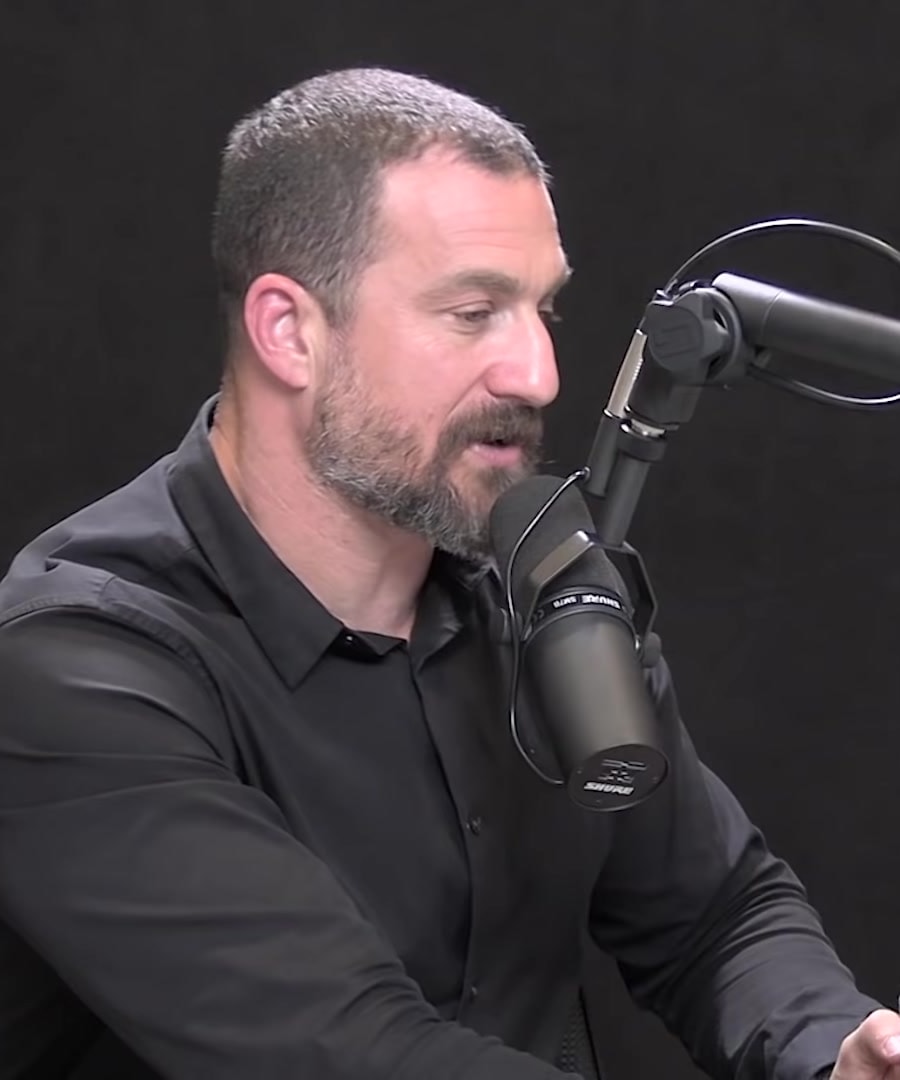

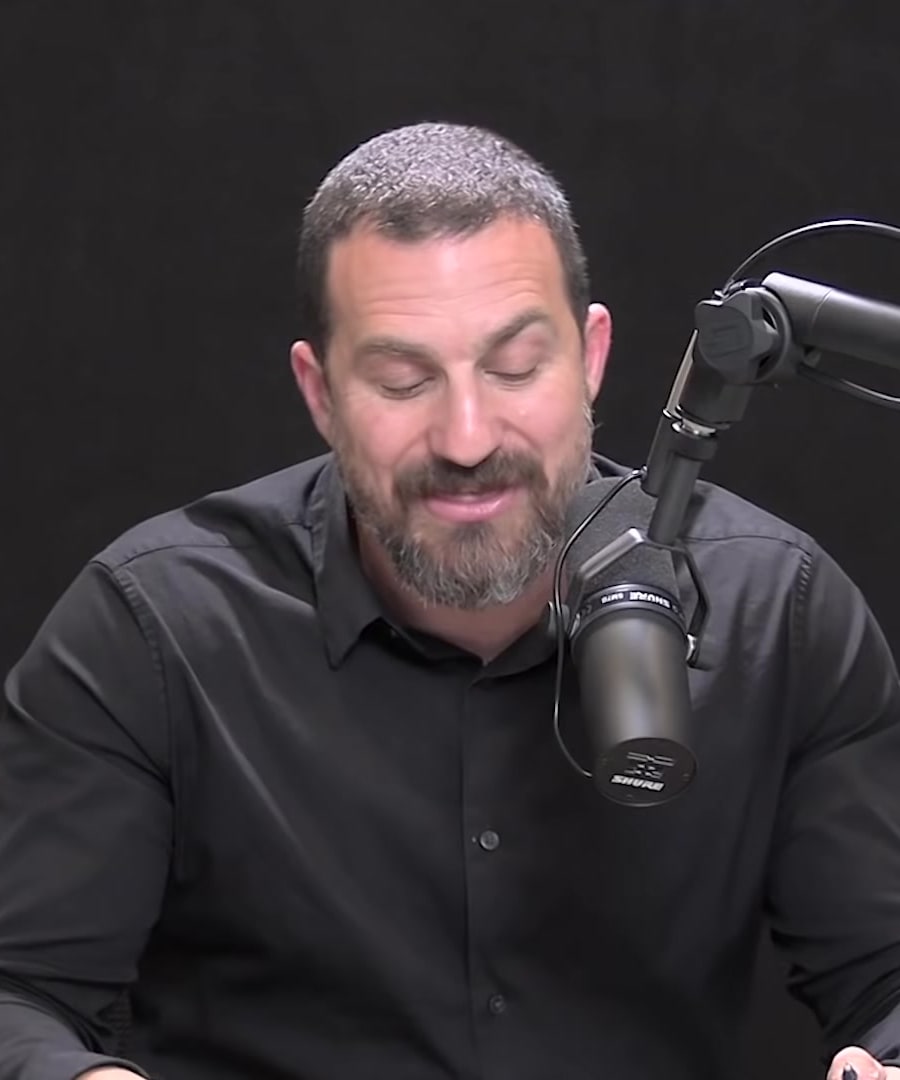

Episode Highlights
Behavioral Shifts
Sickness triggers distinct behavioral changes, often dividing people into two groups: those who seek care and those who prefer isolation. explains that about 50% of individuals desire support when ill, while the other half withdraws, avoiding social interactions 1. This behavior is linked to the body's attempt to manage infection and prevent its spread. Interestingly, sickness behavior shares similarities with major depression, such as reduced appetite and libido, suggesting a deeper connection between physical illness and mental health 2.
Sickness behavior is a motivated state designed to slow circulation of the blood, increase circulation of the lymph, and the other killer cells in the body.
---
The vagus nerve plays a crucial role in signaling the brain to initiate these behaviors, highlighting the complex interaction between the nervous and immune systems 3.
Vagus Nerve
The vagus nerve is pivotal in communicating the body's state to the brain during illness, influencing behaviors like photophobia and the need for rest. describes how this nerve signals the brain to induce symptoms such as aversion to bright lights and a desire for quiet, dark environments, which are essential for recovery 4. This response is part of a broader mechanism where the vagus nerve helps manage inflammation and sickness behavior.
The vagus nerve is the fast pathway by which an infection in the body is signaled to the brain.
---
These interactions underscore the interconnectedness of the nervous and immune systems, offering insights into how our bodies naturally combat illness 5.
Social Impacts
Sickness behaviors have significant social and emotional impacts, influencing how individuals interact with others and manage their health. highlights the convergence of ancient practices like acupuncture with modern science, validating their effectiveness in managing illness 6. These practices, alongside understanding the nervous system's role, can enhance immune function and emotional well-being.
Practices that traditionally have been shrouded in complicated language or were the unique domain of the practitioners and relied on phrases like the meridians or the chakras.
---
By integrating these insights, individuals can better navigate the social and emotional challenges of being sick, potentially reducing the duration and severity of illnesses 7.
Related Episodes

How Your Nervous System Works & Changes | Huberman Lab Podcast #1
Answers 383 questionsHow to Optimize Your Brain-Body Function & Health | Huberman Lab Podcast #30
Answers 383 questionsTools for Managing Stress & Anxiety | Huberman Lab Podcast #10
Answers 383 questionsNutrients For Brain Health & Performance | Huberman Lab Podcast #42
Answers 383 questionsUnderstand & Improve Memory Using Science-Based Tools | Huberman Lab Podcast #72
Answers 383 questionsUsing Failures, Movement & Balance to Learn Faster | Huberman Lab Podcast #7
Answers 383 questions
Dr. David Berson: Your Brain's Logic & Function | Huberman Lab Podcast #50
Answers 383 questionsHow to Focus to Change Your Brain | Huberman Lab Podcast #6
Answers 383 questions
Dr. Karl Deisseroth: Understanding & Healing the Mind | Huberman Lab Podcast #26
Answers 383 questionsHow To Build Endurance In Your Brain & Body | Huberman Lab Podcast #23
Answers 383 questions