Controlling Your Dopamine For Motivation, Focus & Satisfaction | Huberman Lab Podcast #39

Topics covered
Popular Clips
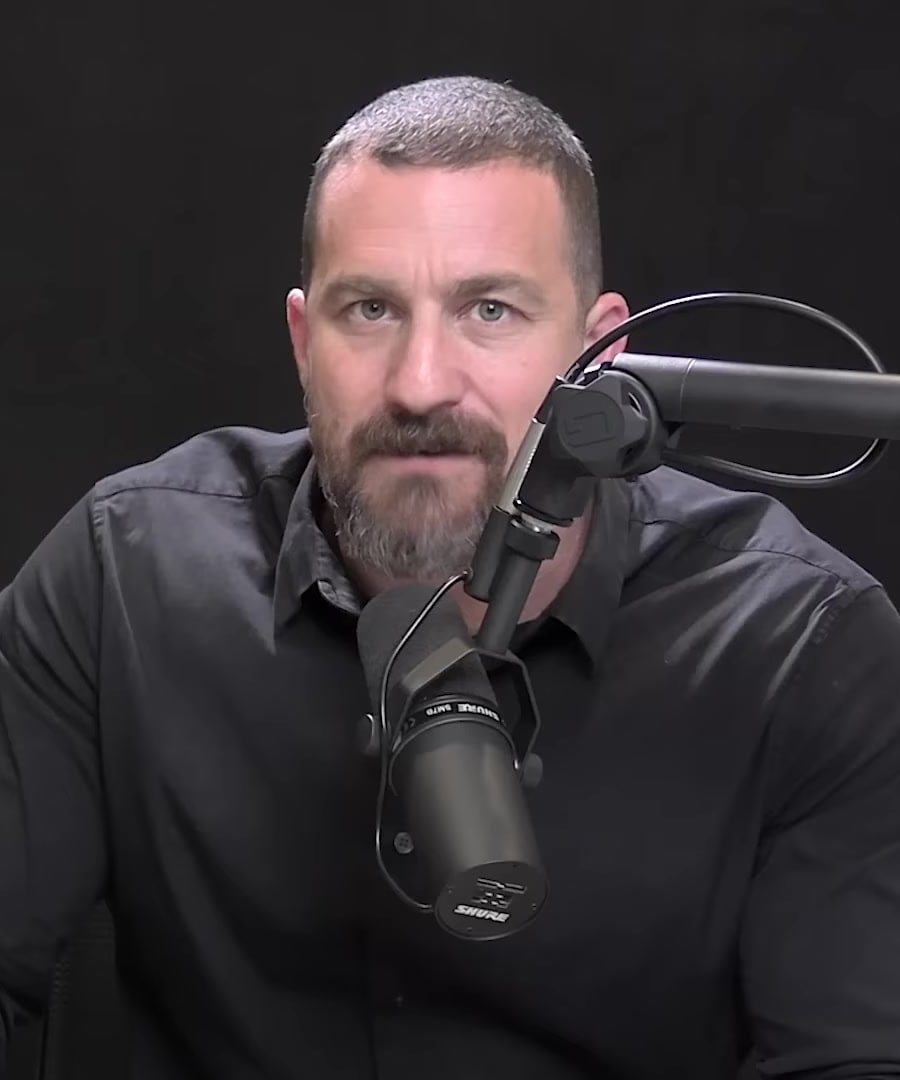
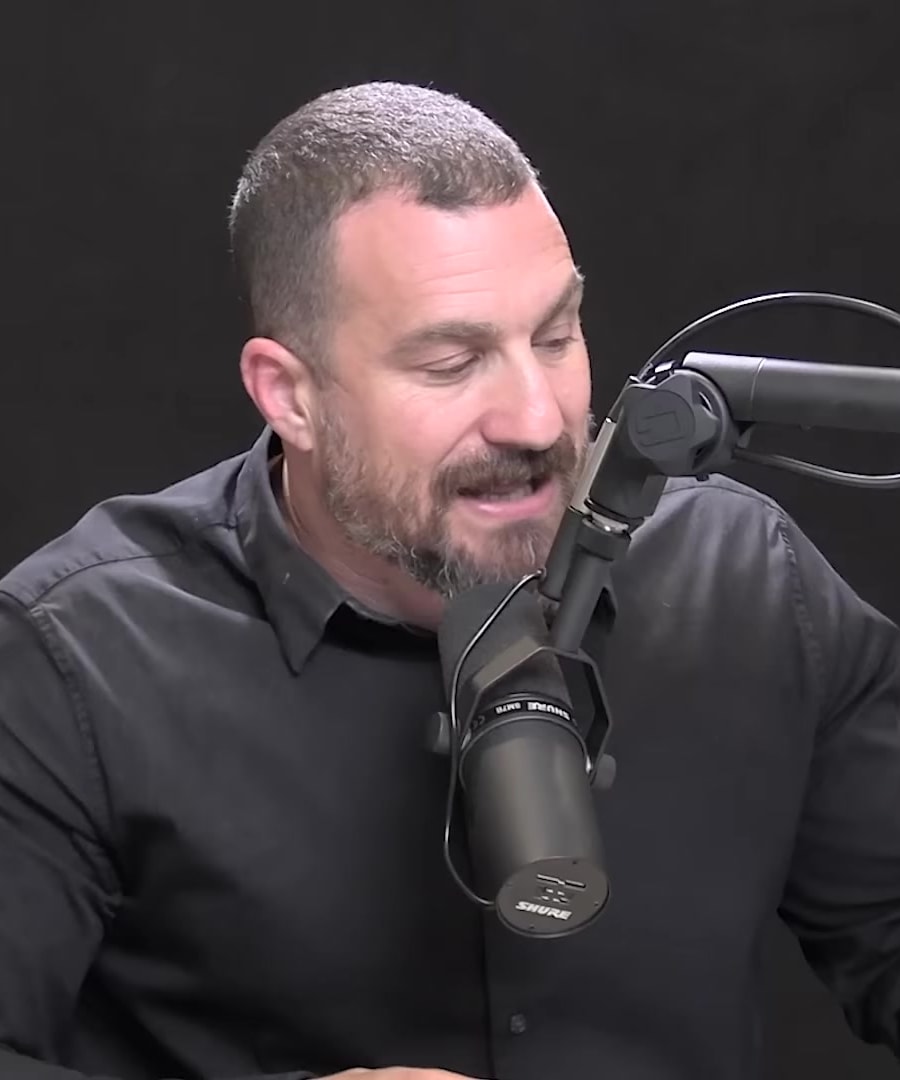
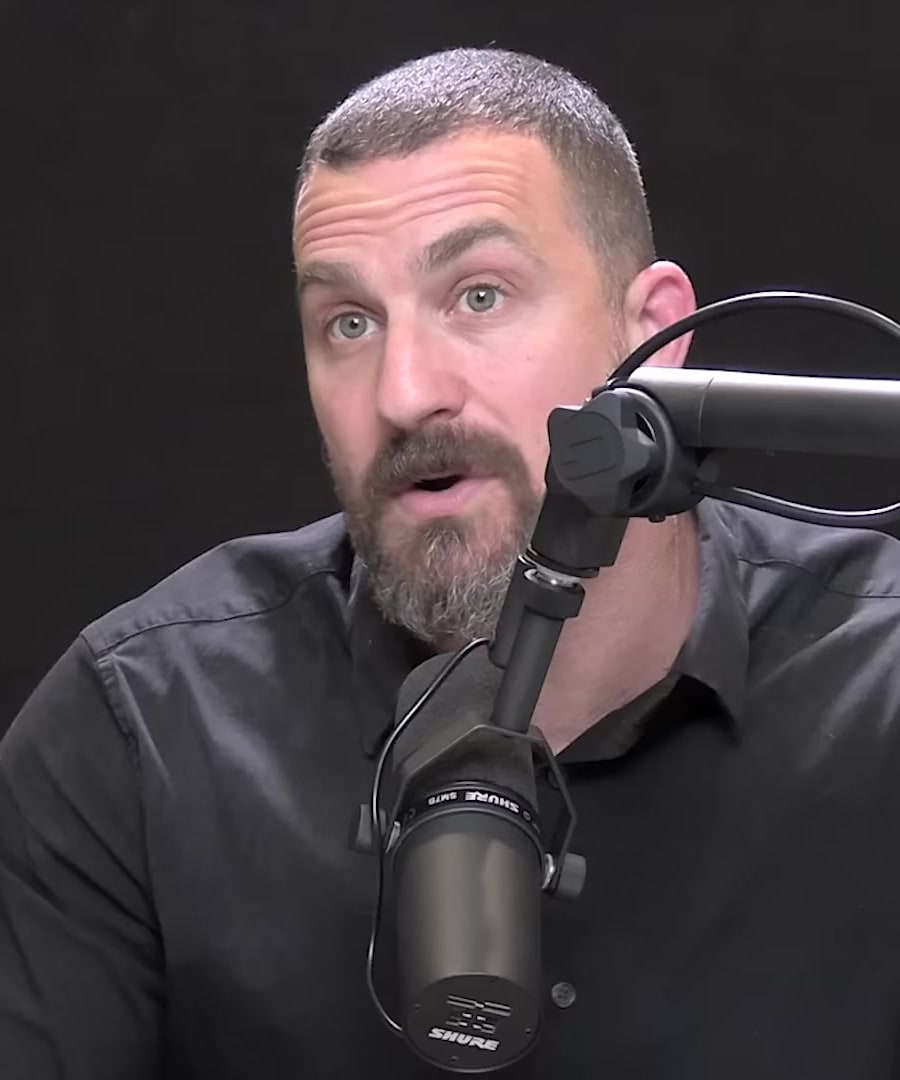
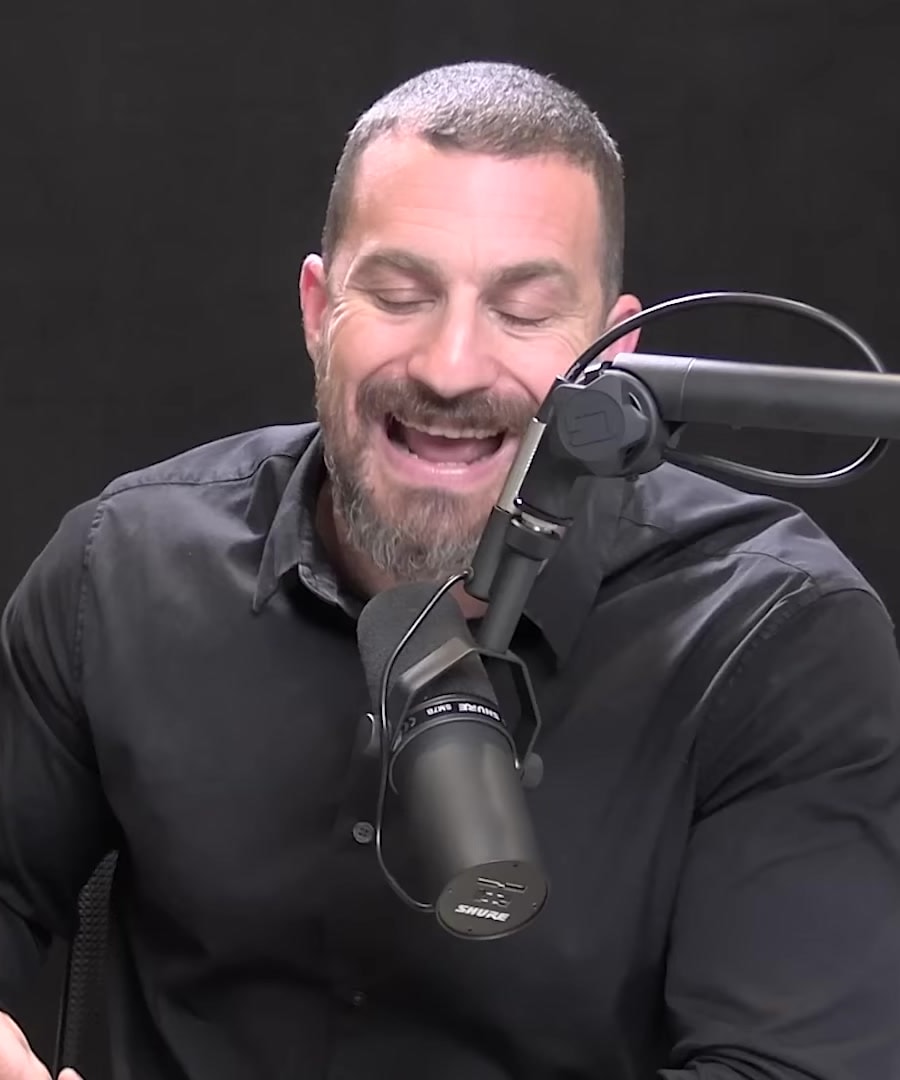
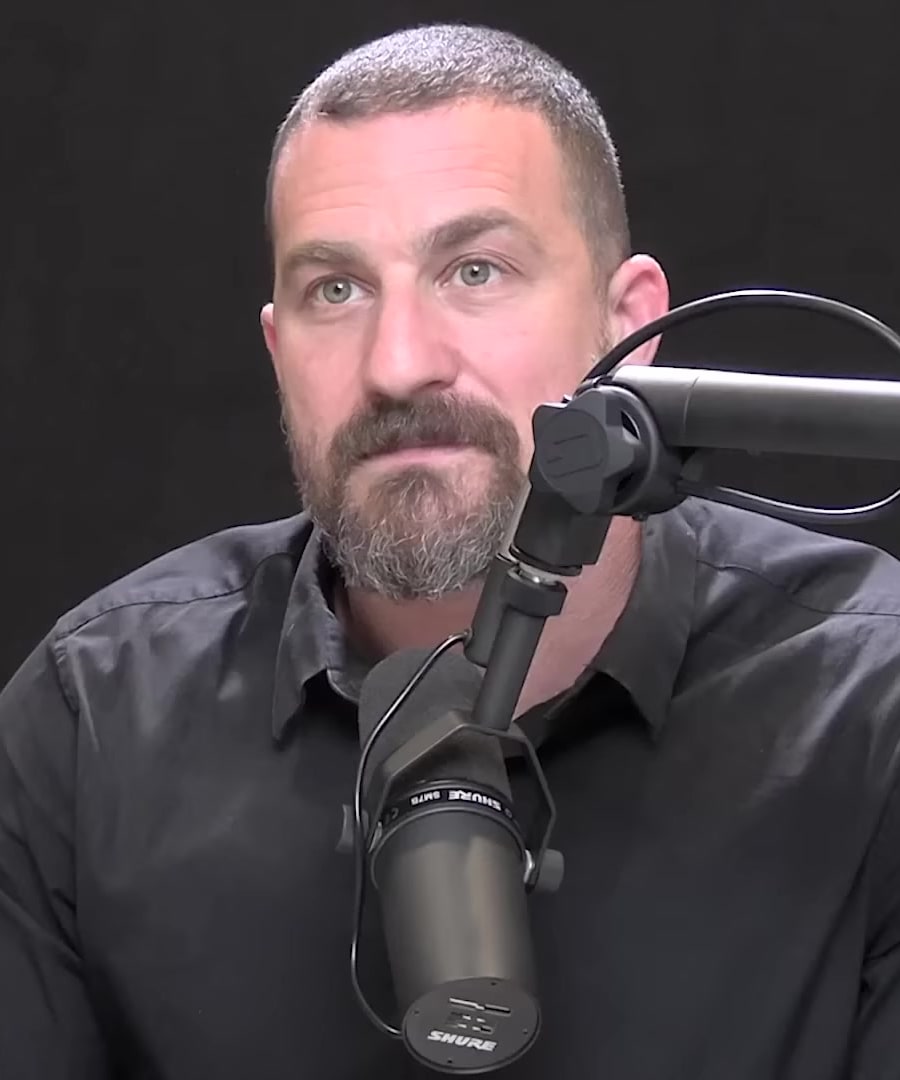
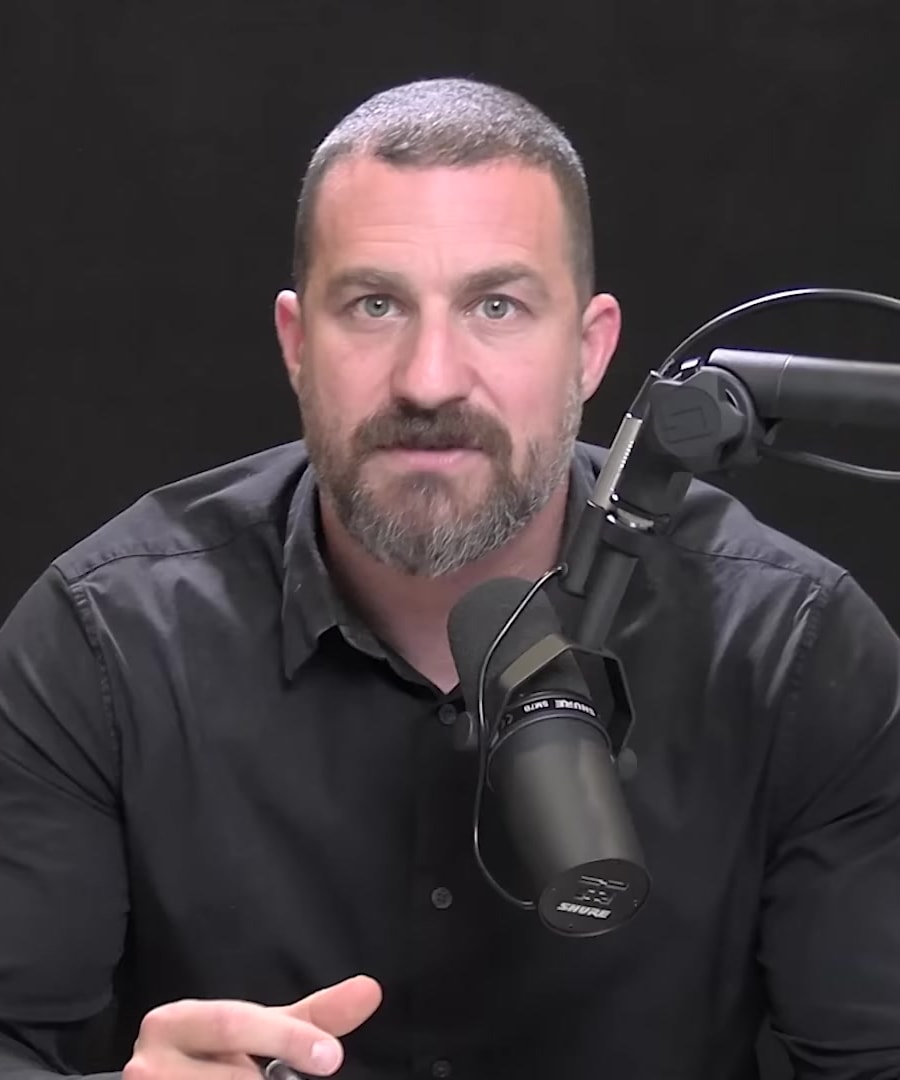
Questions from this episode
- Asked by 5,406 people
- Asked by 2,454 people
- Asked by 1,280 people
- Asked by 1,203 people
- Asked by 870 people
- Asked by 569 people
- Asked by 292 people
- Asked by 246 people
- Asked by 243 people
- Asked by 187 people
- Asked by 170 people
- Asked by 152 people
- Asked by 136 people
- Asked by 89 people
Episode Highlights
Neural Circuits
Dopamine operates through two main neural circuits in the brain, each serving distinct functions. The mesocorticolimbic pathway, originating from the ventral tegmentum, is crucial for motivation, drive, and craving, often disrupted in addiction scenarios 1. This pathway is engaged during pursuits like relationships or academic goals. In contrast, the nigrostriatal pathway, connecting the substantia nigra to the dorsal striatum, primarily governs movement 1. emphasizes the importance of understanding these pathways for comprehending dopamine's role in behavior and motivation 2.
Motivation & Drive
Dopamine is a neuromodulator that significantly influences motivation, craving, and satisfaction. It operates through tonic and phasic releases, affecting our mood and drive 3. explains that dopamine's role extends beyond pleasure, impacting motivation and time perception 4. He notes, "Dopamine is what we call a neuromodulator," highlighting its broad influence on neural circuits and behavior 4.
Release Mechanisms
Dopamine's release can be local or volumetric, affecting neural circuits on different scales. Local synaptic release influences nearby neurons, while volumetric release impacts broader areas 5. This dual mechanism is crucial for understanding dopamine's role in motivation and movement 6. explains that dopamine's effects are not just immediate but can have long-lasting impacts on gene expression and neural behavior 7.
Related Episodes

How to Increase Motivation & Drive | Huberman Lab Podcast #12
Answers 383 questionsADHD & How Anyone Can Improve Their Focus | Huberman Lab Podcast #37
Answers 383 questionsHow to Control Your Sense of Pain & Pleasure | Huberman Lab Podcast #32
Answers 383 questionsUnderstanding & Conquering Depression | Huberman Lab Podcast #34
Answers 383 questions
Dr. Anna Lembke: Understanding & Treating Addiction | Huberman Lab Podcast #33
Answers 383 questionsUnderstanding & Controlling Aggression | Huberman Lab Podcast #71
Answers 383 questionsHow Our Hormones Control Our Hunger, Eating & Satiety | Huberman Lab Podcast #16
Answers 383 questionsThe Science of Setting & Achieving Goals | Huberman Lab Podcast #55
Answers 383 questionsUsing Caffeine to Optimize Mental & Physical Performance | Huberman Lab Podcast 101
Answers 383 questionsControl Pain & Heal Faster with Your Brain | Huberman Lab Podcast #9
Answers 383 questions