Yuval Noah Harari: Human Nature, Intelligence, Power, and Conspiracies | Lex Fridman Podcast #390

Topics covered
Popular Clips


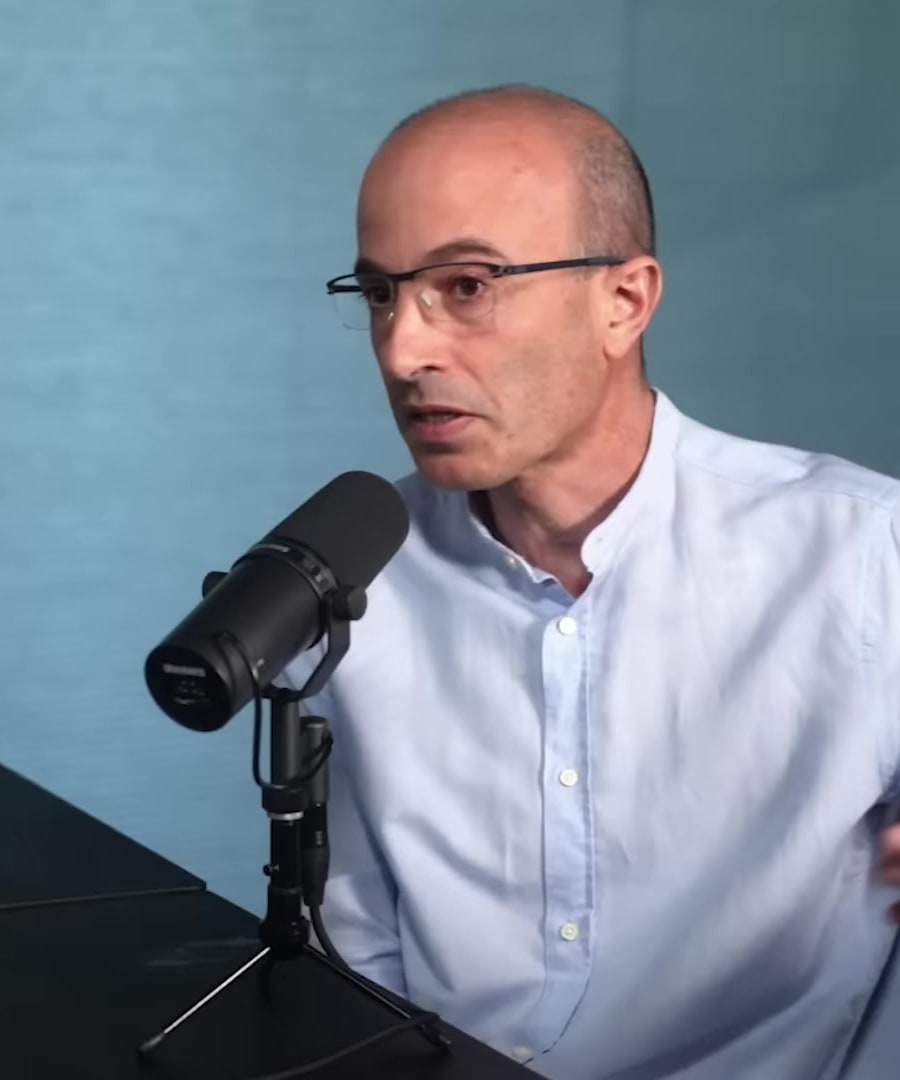


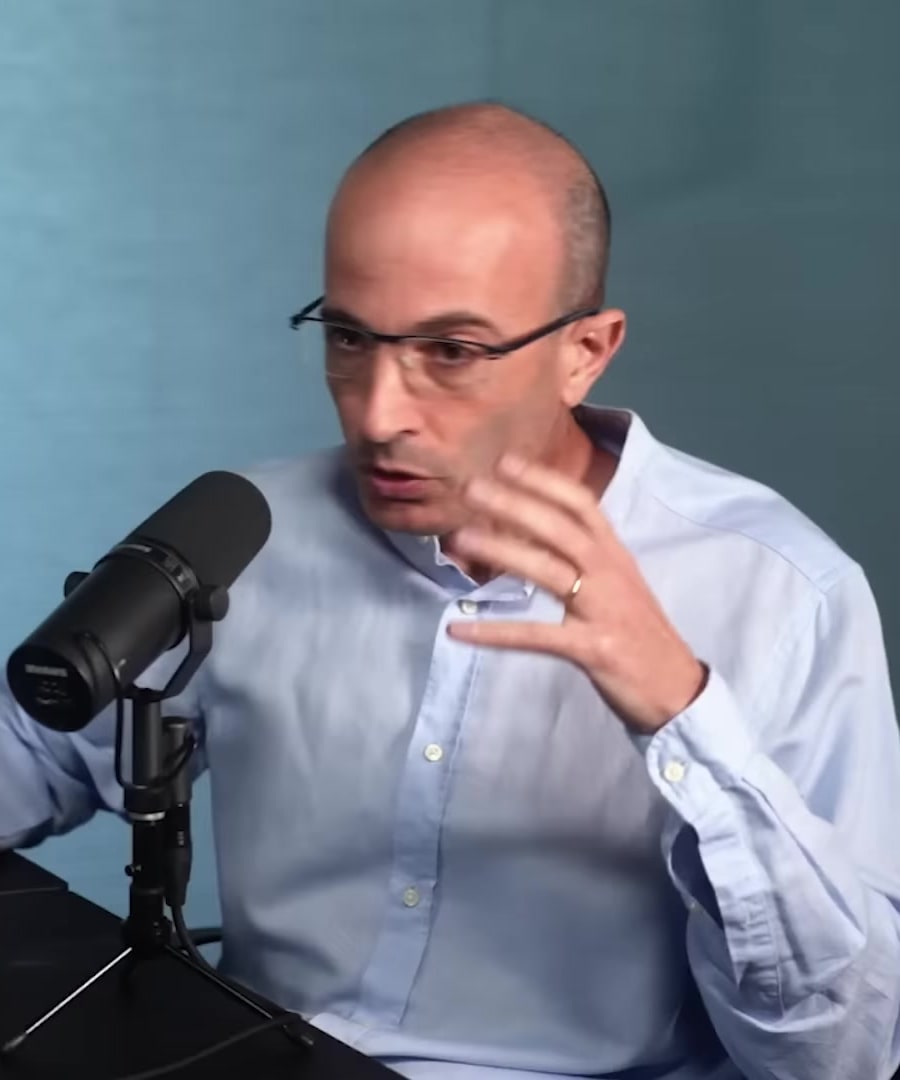

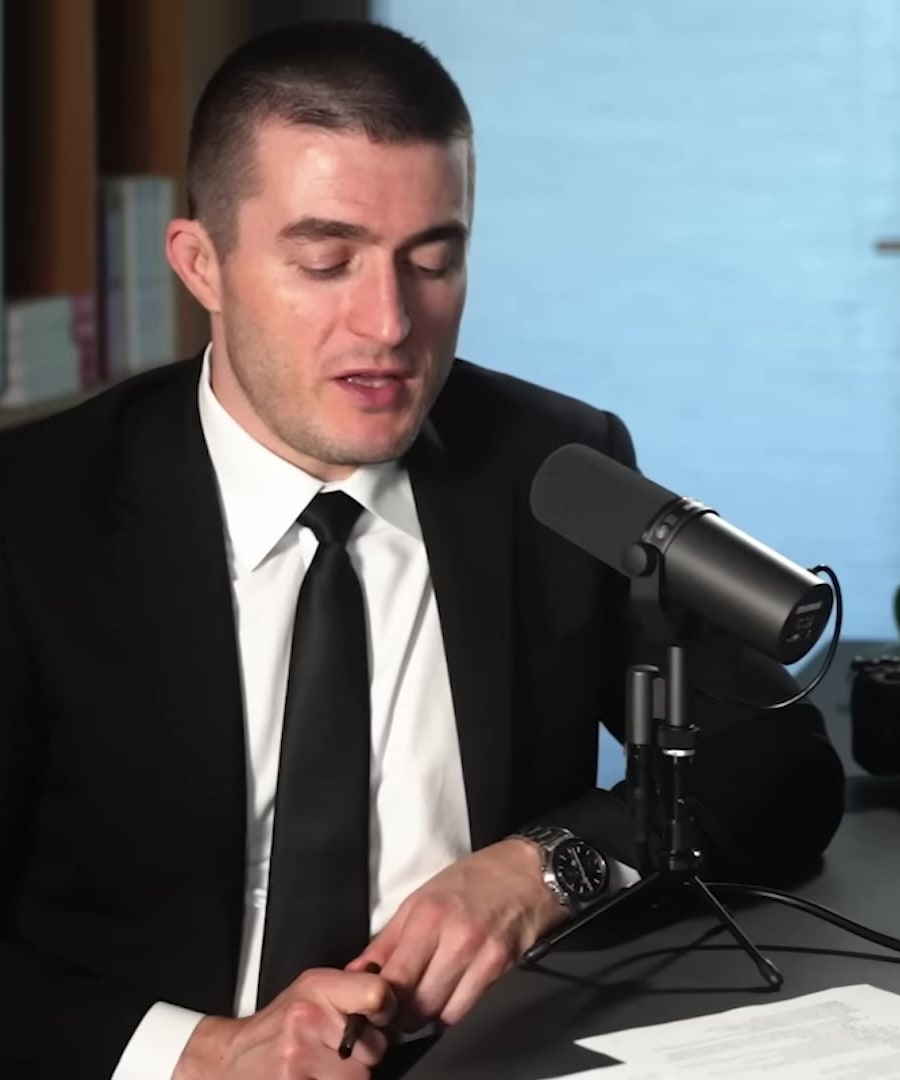


Episode Highlights
Peace Dynamics
Yuval Noah Harari examines the complexities of achieving peace in conflict zones, particularly in Ukraine and Israel. He argues that peace in Ukraine hinges on motivation, specifically from leaders like Vladimir Putin, to acknowledge mistakes and withdraw troops. Harari emphasizes the power of conversation, noting that real discussions often occur away from formal settings 1. In the context of Israel and Palestine, he highlights the shift from a national to a religious conflict, complicating peace efforts due to the lack of motivation on both sides 2.
Peace can be achieved any moment. It's motivation. In this case, it's just one person. Putin just need to say that's know, the Ukrainians. They don't demand anything from Russia. Just go home.
---
Harari suggests that technological advancements have altered power dynamics, making compromise less appealing for stronger nations.
Historical Insights
Harari explores how historical events shape current political realities and potential paths to peace. He reflects on the rise of the Third Reich, noting that Hitler's ascent was not inevitable but rather a result of human decisions and circumstances 3. Harari also discusses the unlikely rise of Christianity and communism, emphasizing the role of charismatic leaders and the unpredictable nature of history 4.
If you rewind the movie of history and press play, and you rewind and press play a hundred times, I think Christianity would take over the Roman Empire in the world maybe twice out of 100 times.
---
These reflections highlight the importance of understanding historical contexts to navigate current conflicts effectively.
Related Episodes


Dr. Lex Fridman: Machines, Creativity & Love | Huberman Lab Podcast #29
Answers 383 questions
Dr. Jordan Peterson: How to Best Guide Your Life Decisions & Path
Answers 383 questionsThe Science of Emotions & Relationships | Huberman Lab Podcast #13
Answers 383 questionsUsing Play to Rewire & Improve Your Brain | Huberman Lab Podcast #58
Answers 383 questions
Tim Ferriss: How to Learn Better & Create Your Best Future | Huberman Lab Podcast
Answers 383 questions
Dr. Karl Deisseroth: Understanding & Healing the Mind | Huberman Lab Podcast #26
Answers 383 questionsThe Science of Making & Breaking Habits | Huberman Lab Podcast #53
Answers 383 questions
Asi Wind: What Magic & Mind Reading Reveal About the Brain
Answers 383 questions
Ari Wallach: Create Your Ideal Future Using Science-Based Protocols
Answers 383 questionsHow Your Nervous System Works & Changes | Huberman Lab Podcast #1
Answers 383 questions