

Master Your Mind & Change Your Brain - Andrew Huberman | Modern Wisdom 496

Topics covered
Popular Clips



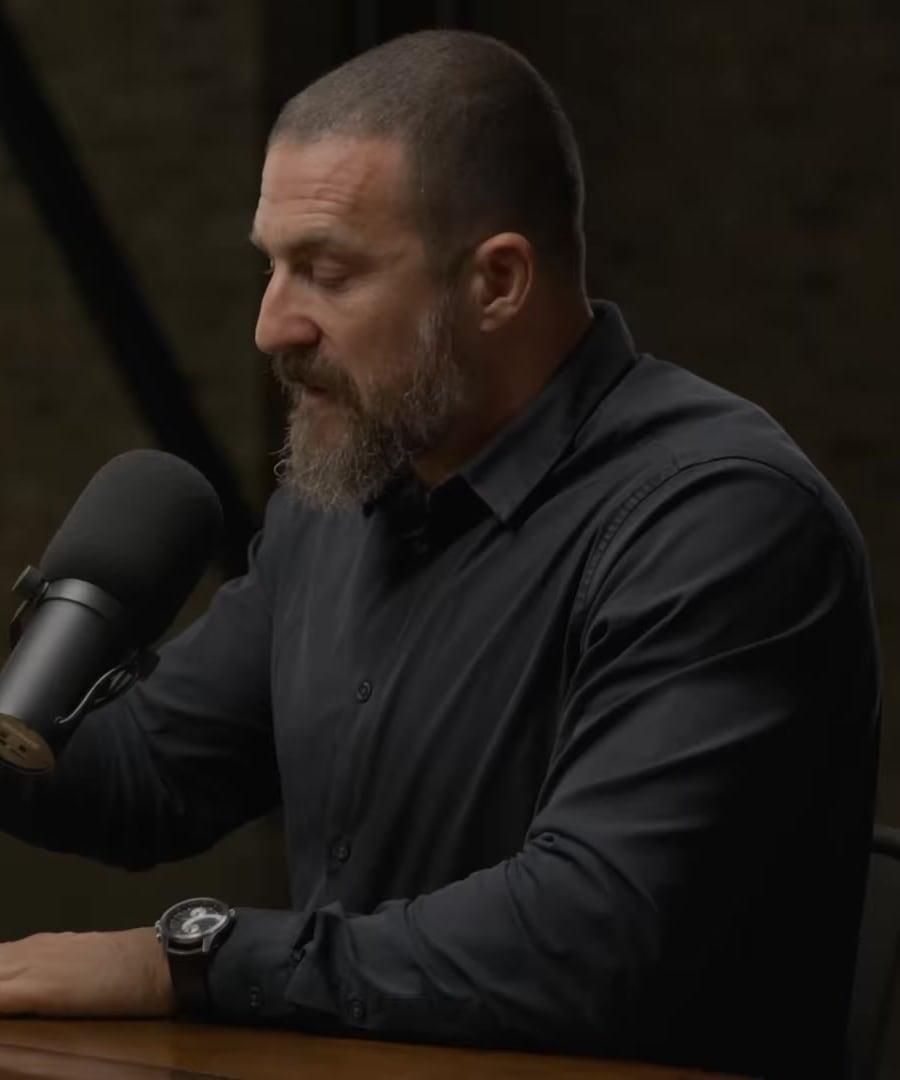



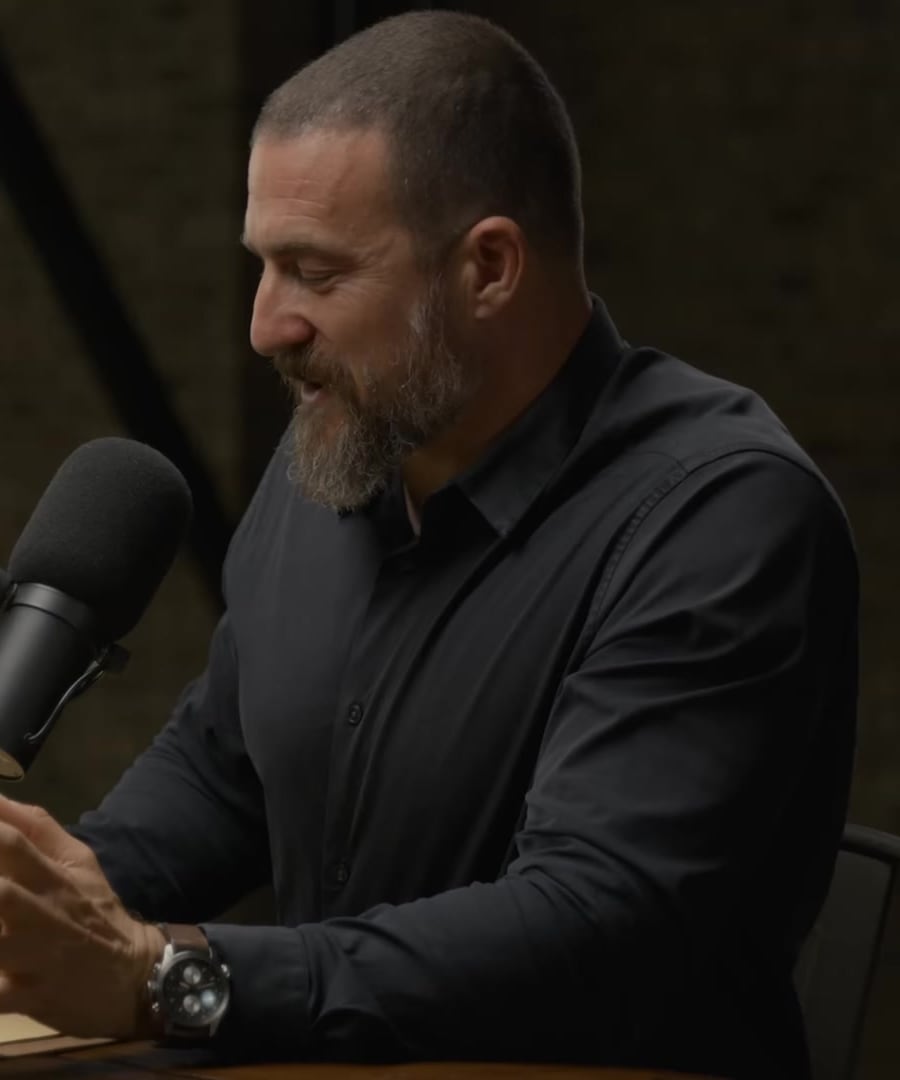


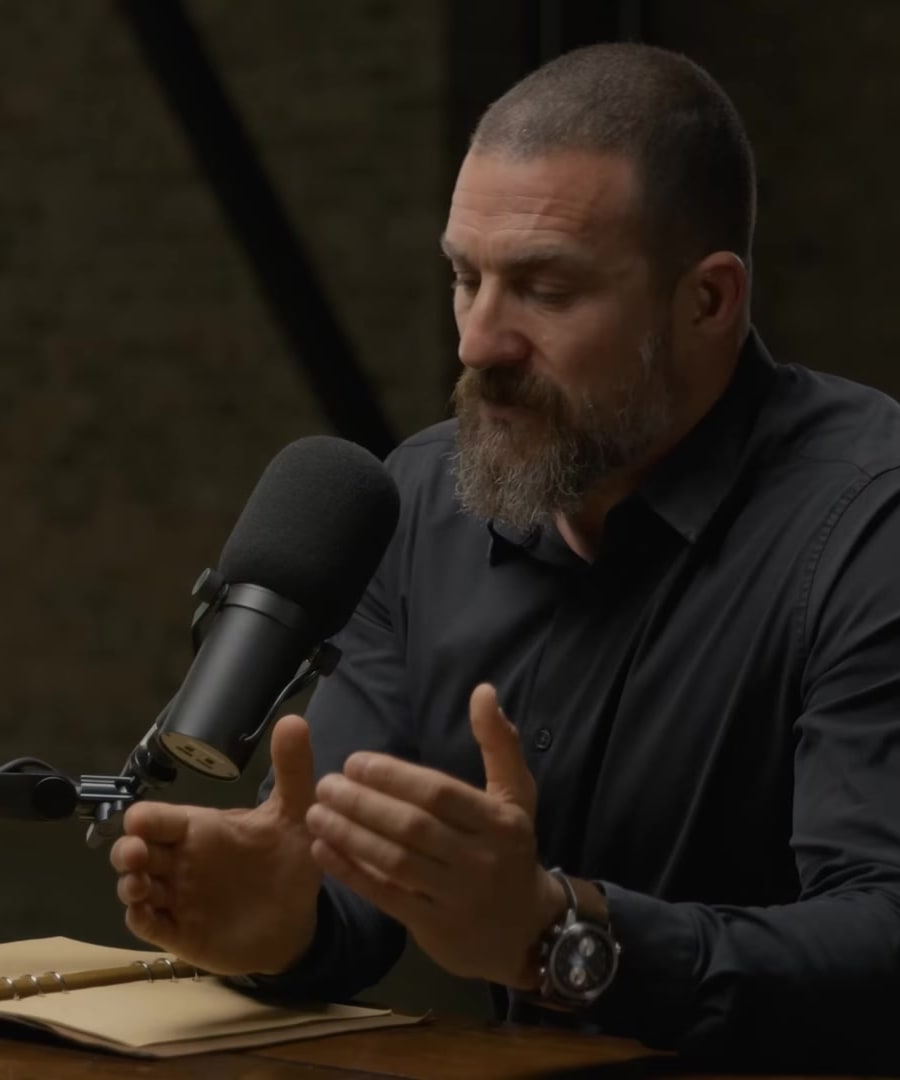
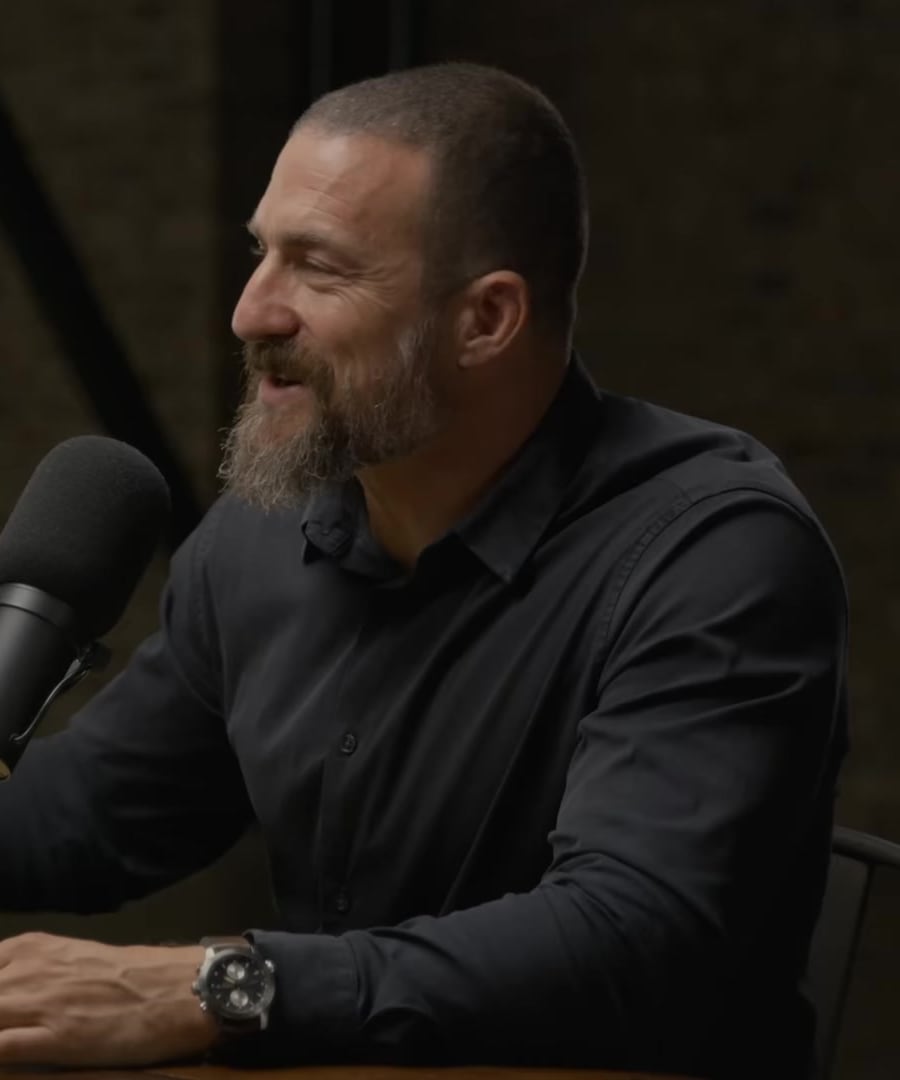



Episode Highlights
Fear Responses
explains that fear responses are deeply rooted in our brain's limbic structures, including the amygdala and hypothalamus. These areas trigger autonomic arousal, preparing the body for perceived threats. He notes that fears can be highly contextual, influenced by personal experiences and observations 1. Public speaking, for example, is a common fear due to the brain's response to social evaluation and potential failure 2.
The short answer is they have a final common pathway which is increased autonomic arousal, and that is funneled through a couple, what we call limbic structures, among others.
---
Understanding these mechanisms can help in managing and overcoming various fears.
Trauma Recovery
Trauma recovery often involves confronting and integrating traumatic experiences. shares his personal experience of overcoming a near-death incident while diving with sharks, emphasizing the importance of facing fears to prevent long-term psychological loops 3. He highlights that successful trauma treatments often involve exposure therapy, where individuals gradually face their traumatic triggers in a controlled manner 4.
All the successful treatments for trauma involve getting close to the trauma-inducing mindset.
---
This approach helps rewire the brain's response to trauma, promoting healing and resilience.
Resilience Training
Building resilience involves training the body and mind to handle stress effectively. discusses how deliberate exposure to stressors, such as cold water immersion and cyclic hyperventilation, can enhance one's ability to manage adrenaline and maintain clarity under pressure 5. He also emphasizes the importance of leveraging fear as a motivator for positive change, projecting potential future consequences to make better decisions 6.
You can train up an ability to, for instance, think clearly and calmly, maybe even do some simple math problems in your head, or maybe try and relax while there's all this adrenaline in your system.
---
These practices can raise one's stress threshold, making it easier to navigate challenging situations.
Related Episodes

LIVE EVENT Q&A: Dr. Andrew Huberman Question & Answer in Toronto, ON
Answers 383 questionsHow Your Nervous System Works & Changes | Huberman Lab Podcast #1
Answers 383 questionsLIVE EVENT Q&A: Dr. Andrew Huberman at the Sydney Opera House
Answers 383 questionsHow to Focus to Change Your Brain | Huberman Lab Podcast #6
Answers 383 questionsLIVE EVENT Q&A: Dr. Andrew Huberman Question & Answer in Melbourne, AU
Answers 383 questionsTools for Managing Stress & Anxiety | Huberman Lab Podcast #10
Answers 383 questions
Dr. Karl Deisseroth: Understanding & Healing the Mind | Huberman Lab Podcast #26
Answers 383 questionsMaster Your Sleep & Be More Alert When Awake | Huberman Lab Podcast #2
Answers 383 questionsHow To Build Endurance In Your Brain & Body | Huberman Lab Podcast #23
Answers 383 questions
Tim Ferriss: How to Learn Better & Create Your Best Future | Huberman Lab Podcast
Answers 383 questionsControl Pain & Heal Faster with Your Brain | Huberman Lab Podcast #9
Answers 383 questionsHow to Optimize Your Brain-Body Function & Health | Huberman Lab Podcast #30
Answers 383 questions