Dr. Lisa Feldman Barrett: How to Understand Emotions | Huberman Lab Podcast

Topics covered
Popular Clips
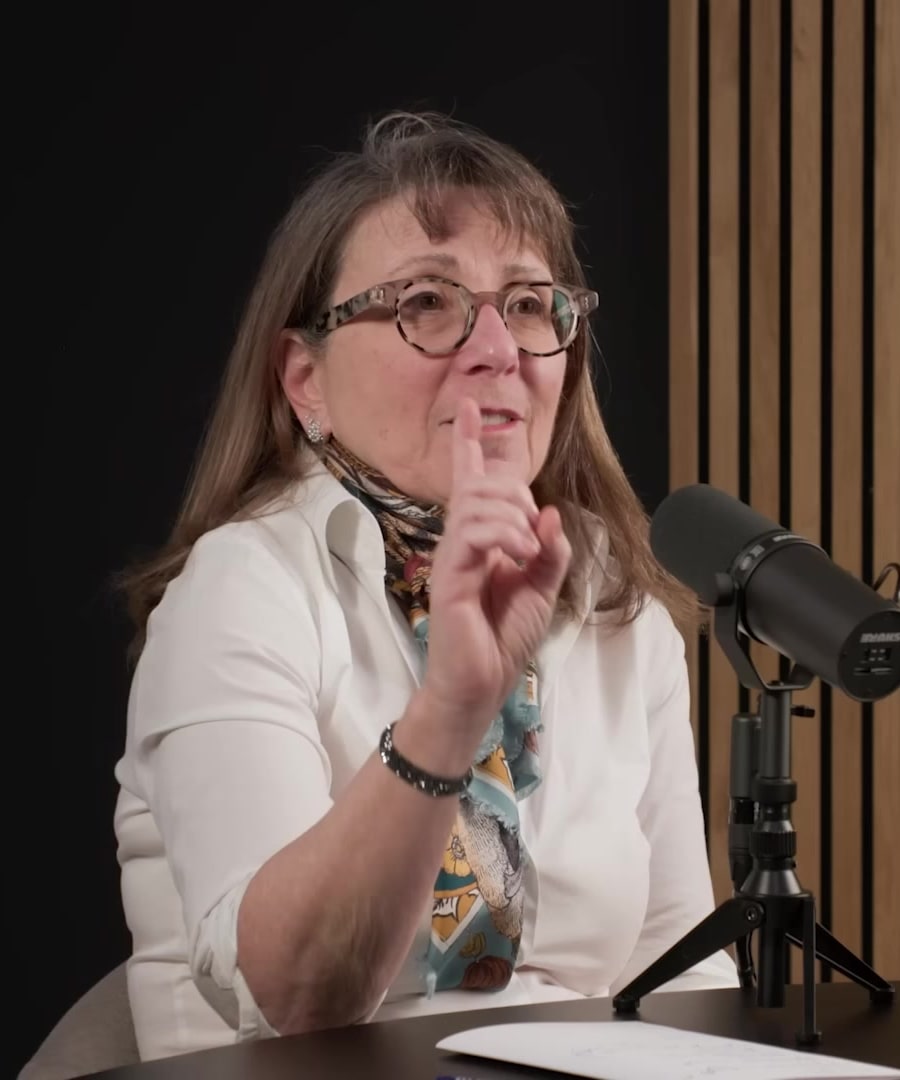

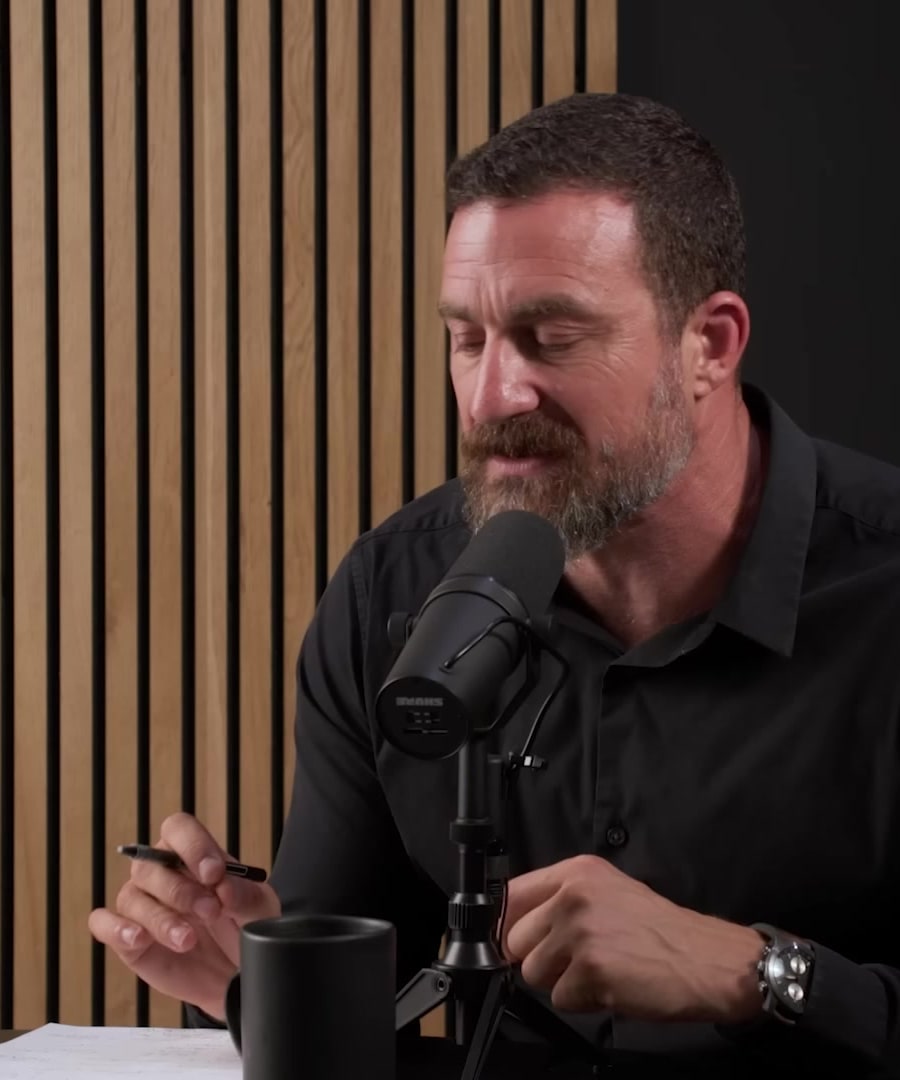
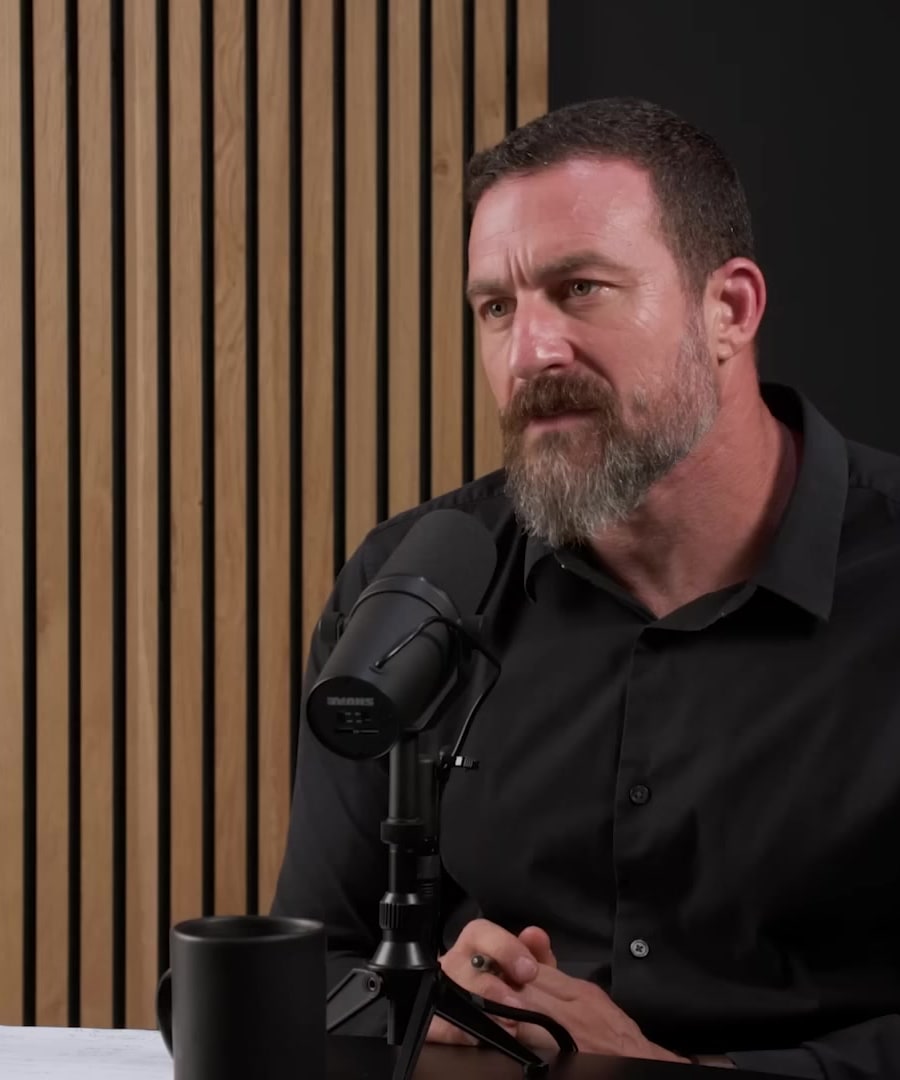


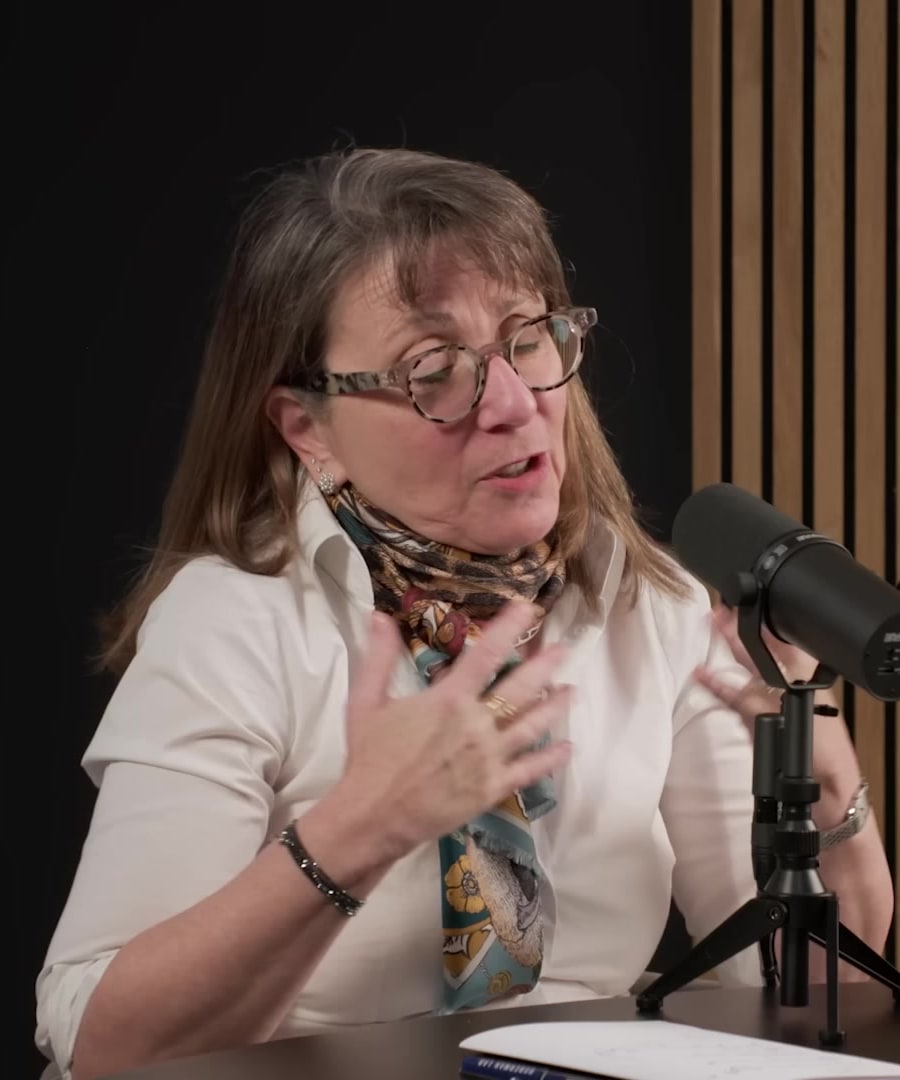

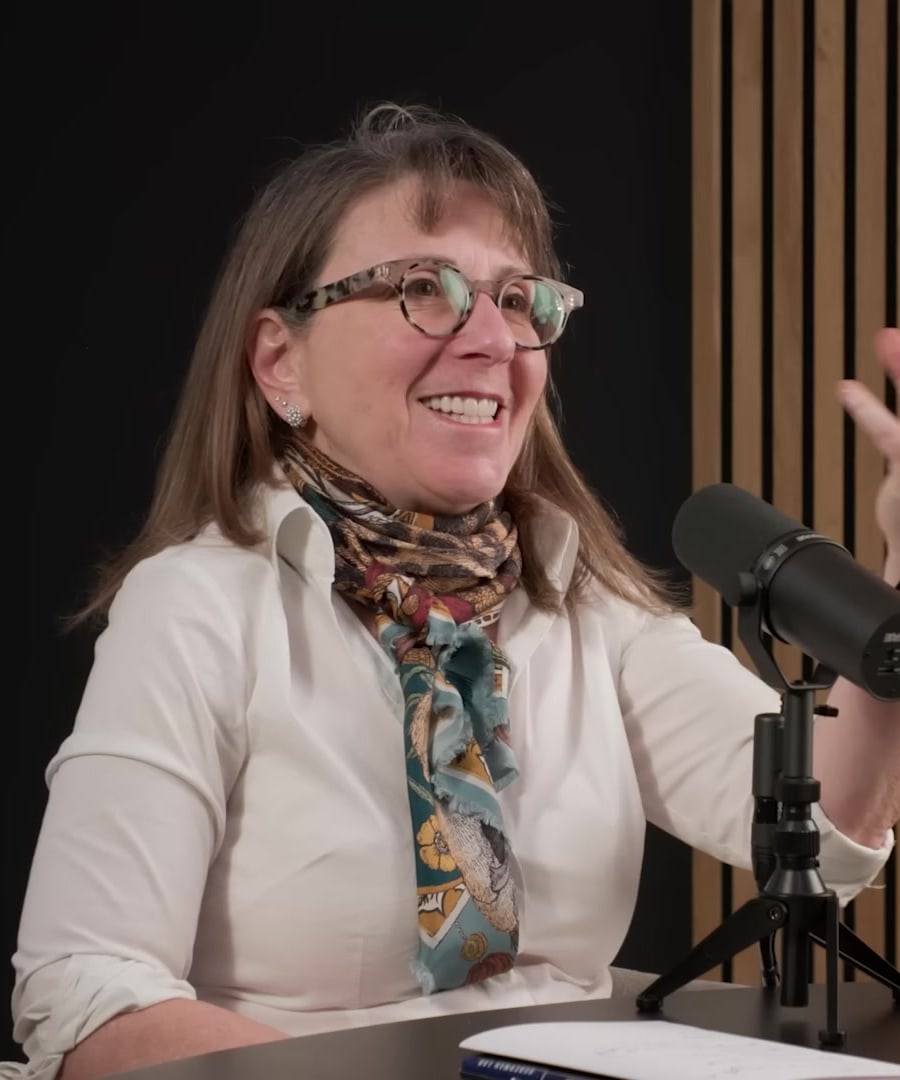

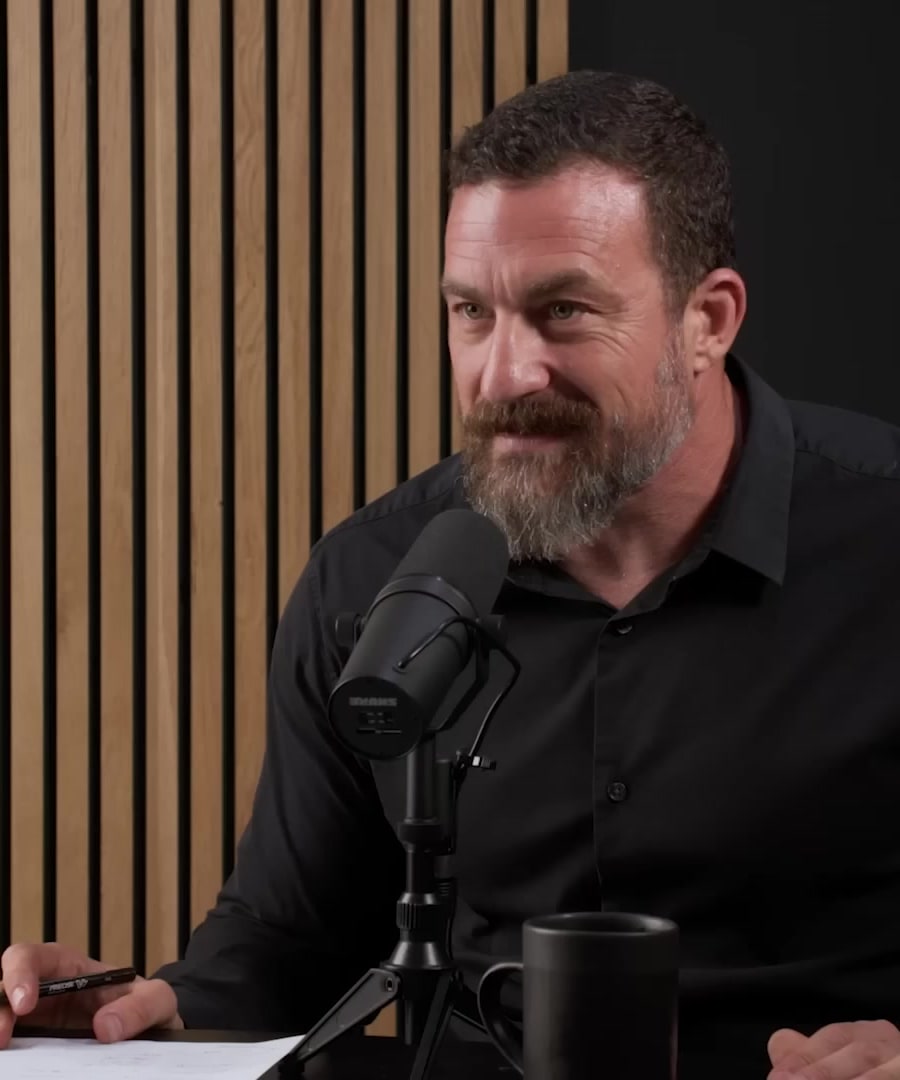

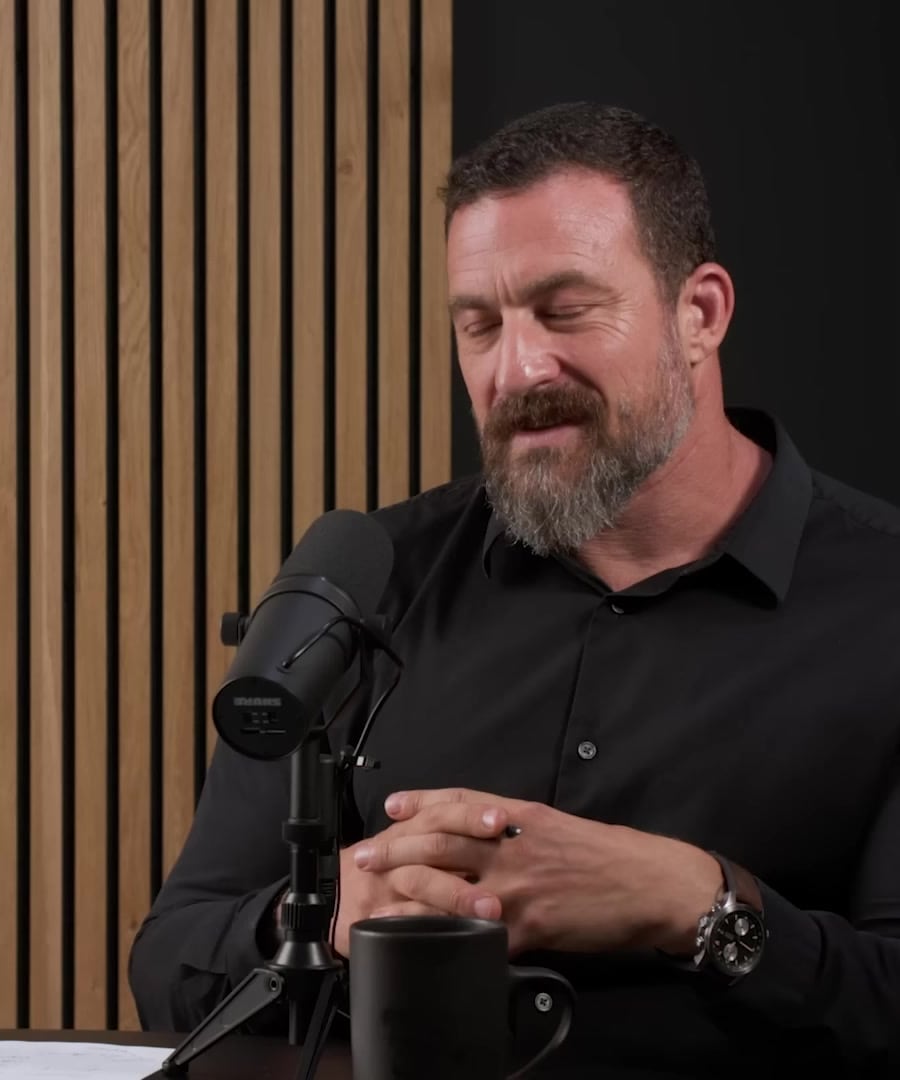


Questions from this episode
- Asked by 231 people
- Asked by 130 people
- Asked by 101 people
- Asked by 88 people
- Asked by 70 people
- Asked by 66 people
- Asked by 62 people
- Asked by 61 people
- Asked by 60 people
- Asked by 58 people
- Asked by 52 people
- Asked by 42 people
- Asked by 36 people
Episode Highlights
Emotional States
Dr. challenges the traditional understanding of emotions, emphasizing their complexity and the lack of distinct physical markers for each emotional state. She explains that emotions are not isolated experiences but are constructed through a combination of physiological changes, brain activity, and cultural influences 1. This perspective suggests that emotions are broad categories, influenced by developmental and cultural factors, rather than fixed states 2.
Nobody in the last 150 years has ever been able to agree on what an emotion is.
---
argues that emotions are multimodal abstractions, shaped by our experiences and the language we use to describe them.
Language's Role
Language plays a crucial role in shaping our understanding and expression of emotions. highlights how words serve as low-dimensional features that stand in for complex sensory and motor experiences 3. Different cultures have unique words for emotions, reflecting diverse emotional experiences that may not exist in other languages 4.
Words are just stand in for they're just these low dimensional features, these kind of gross features that stand in for many, many little detailed features.
---
This linguistic diversity enriches our emotional vocabulary, allowing us to better understand and articulate our feelings.
Granularity
Emotional granularity refers to the ability to discern and categorize emotions with precision. explains that the brain constructs categories of emotions, which can vary in granularity depending on the context and individual experiences 5. This process allows for a more nuanced understanding of emotions, moving beyond broad categories like fear or anger 6.
The brain can learn to construct categories at different scales of generalizability.
---
By enhancing our emotional granularity, we can better navigate our emotional landscape and respond more adaptively to different situations.
Related Episodes

The Science of Emotions & Relationships | Huberman Lab Podcast #13
Answers 383 questionsUnderstanding & Conquering Depression | Huberman Lab Podcast #34
Answers 383 questionsTools for Managing Stress & Anxiety | Huberman Lab Podcast #10
Answers 383 questions
Dr. David Berson: Your Brain's Logic & Function | Huberman Lab Podcast #50
Answers 383 questions
Tim Ferriss: How to Learn Better & Create Your Best Future | Huberman Lab Podcast
Answers 383 questions
Dr. Karl Deisseroth: Understanding & Healing the Mind | Huberman Lab Podcast #26
Answers 383 questionsHow Your Nervous System Works & Changes | Huberman Lab Podcast #1
Answers 383 questionsThe Science & Process of Healing from Grief | Huberman Lab Podcast #74
Answers 383 questionsThe Science & Treatment of Bipolar Disorder | Huberman Lab Podcast #82
Answers 383 questions
Dr. Marc Brackett: How to Increase Your Emotional Intelligence
Answers 383 questionsHow to Optimize Your Brain-Body Function & Health | Huberman Lab Podcast #30
Answers 383 questions