Dr. Lisa Feldman Barrett: How to Understand Emotions | Huberman Lab Podcast

Topics covered
Popular Clips

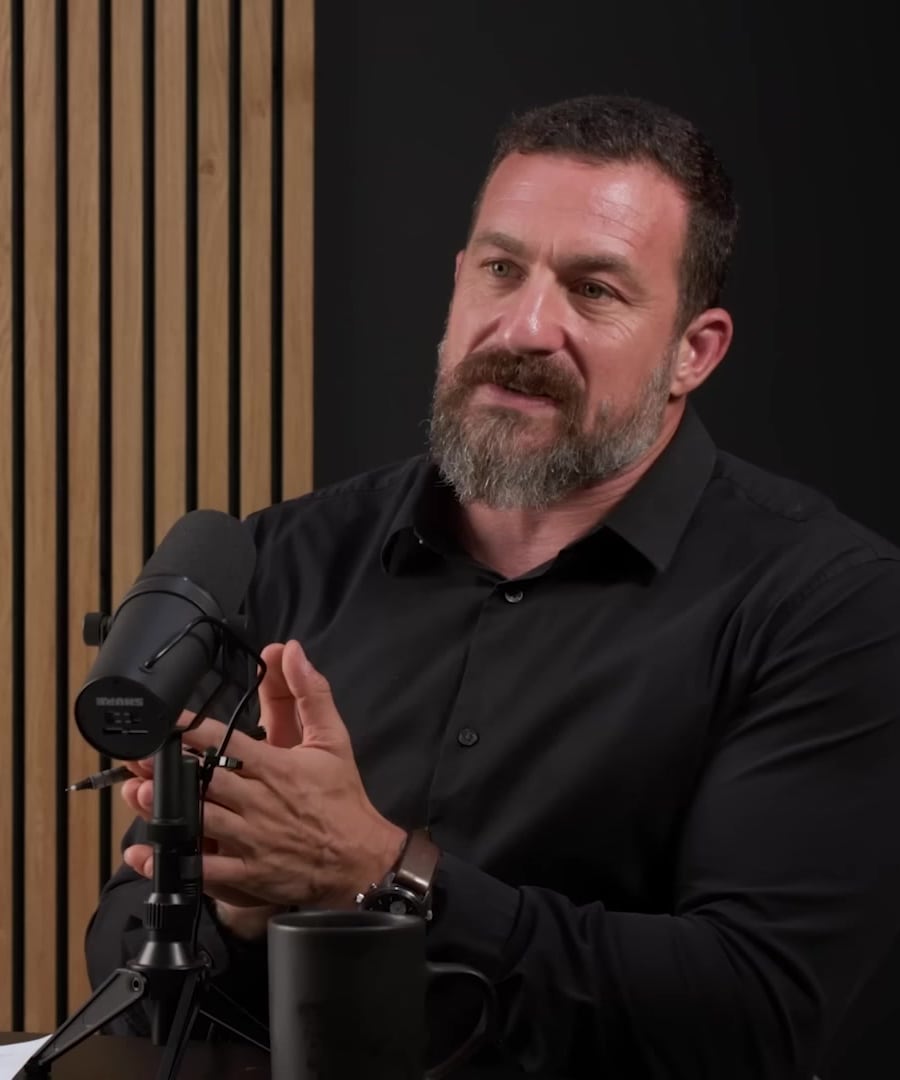
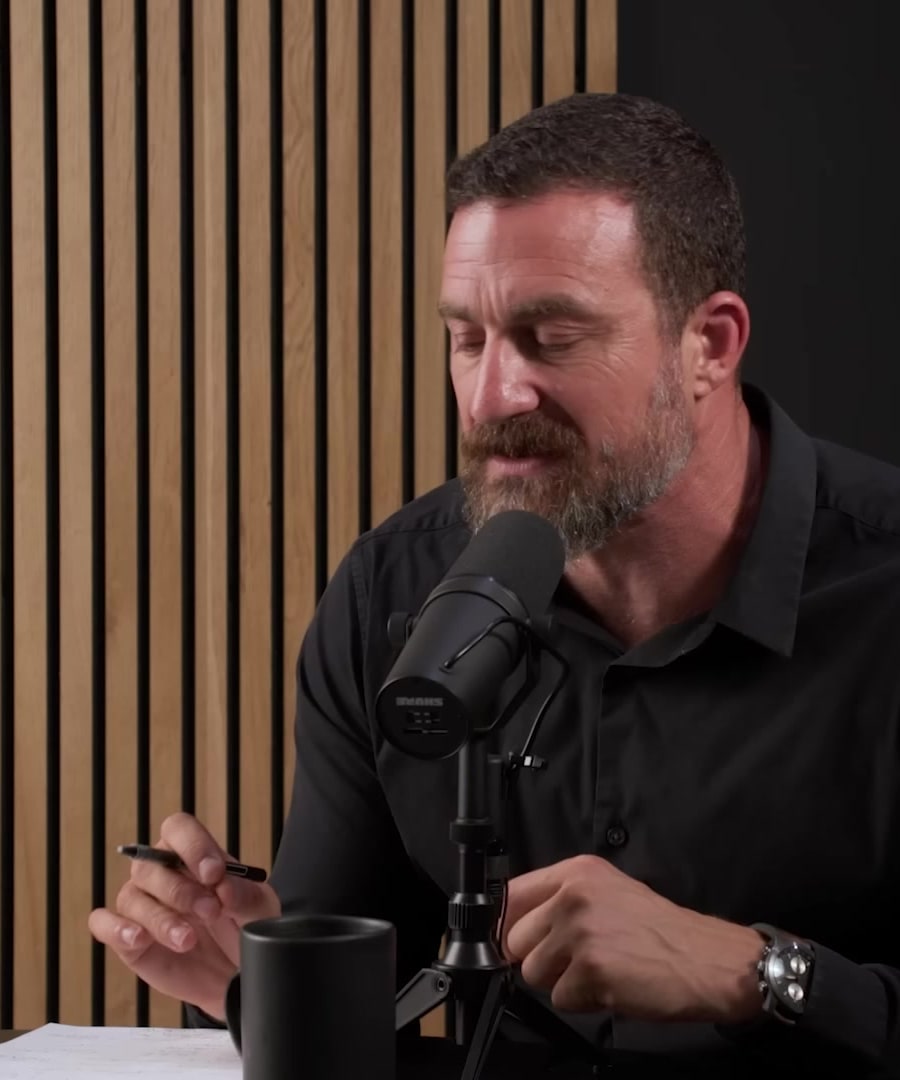
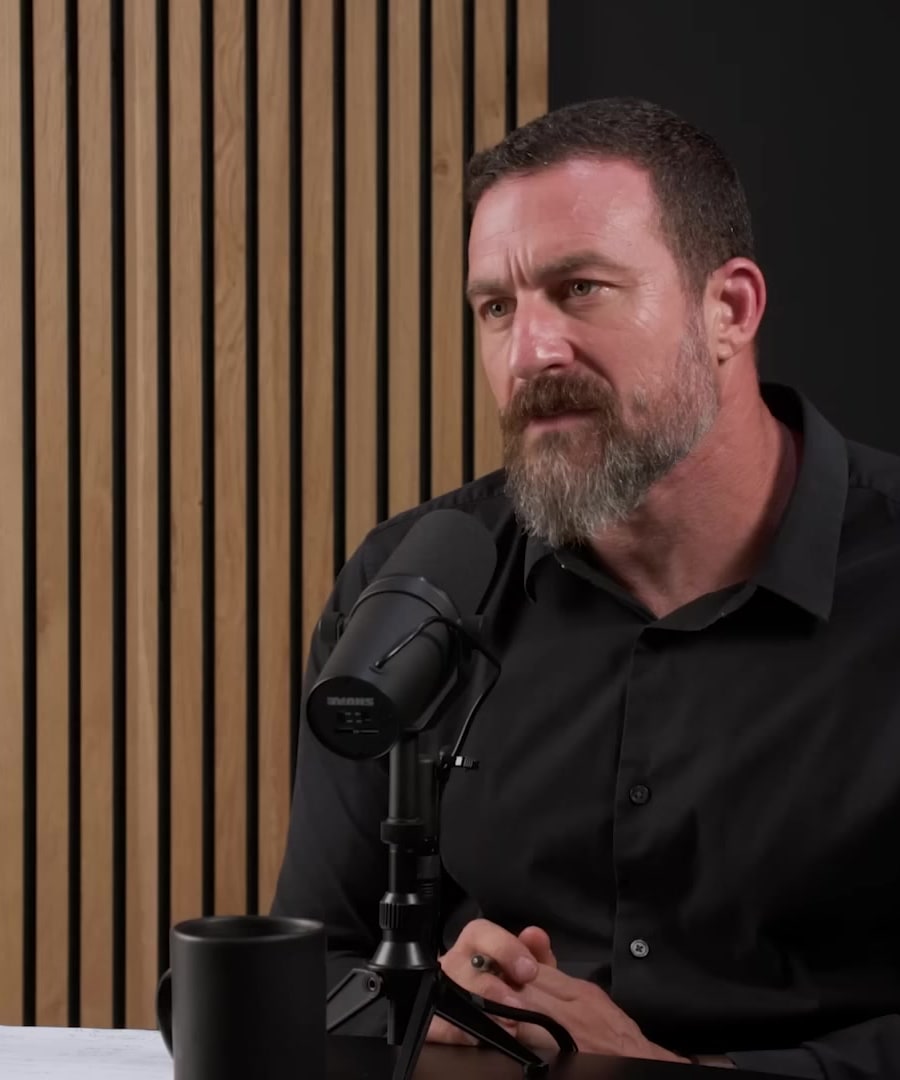
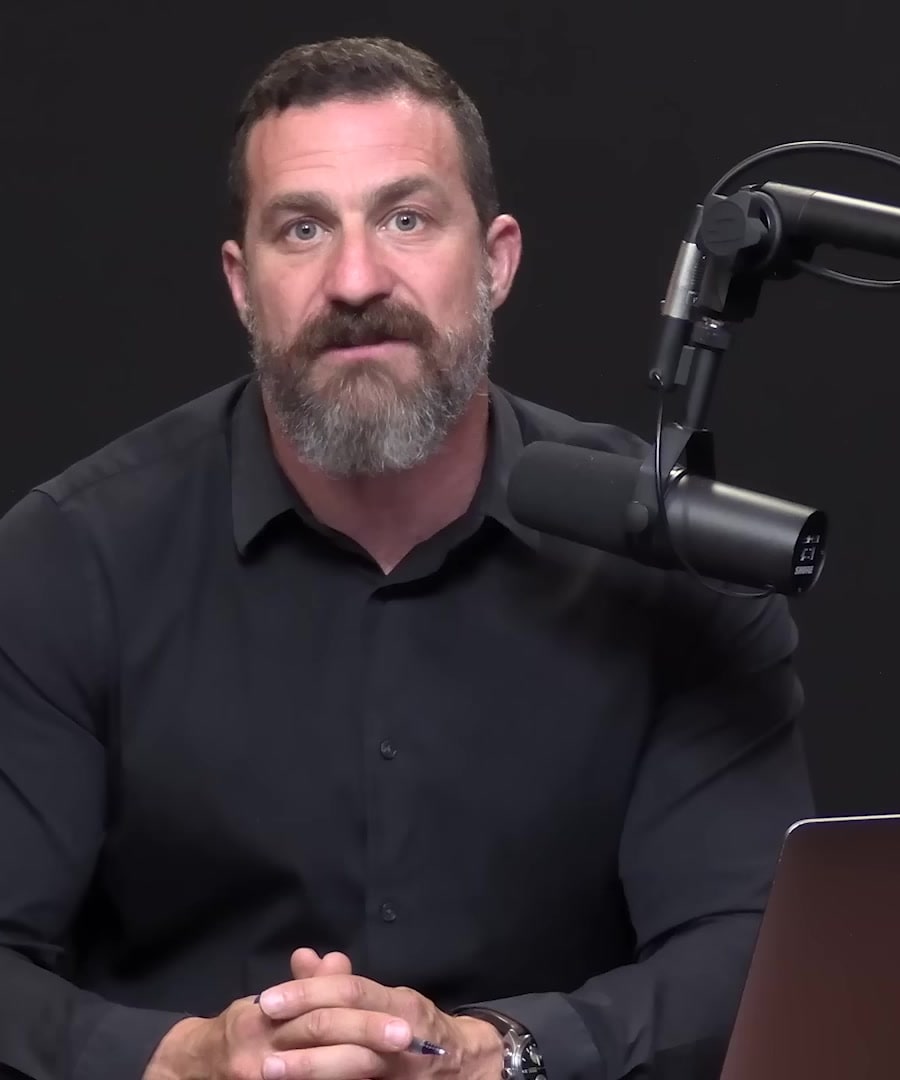







Questions from this episode
- Asked by 231 people
- Asked by 130 people
- Asked by 101 people
- Asked by 88 people
- Asked by 70 people
- Asked by 66 people
- Asked by 62 people
- Asked by 61 people
- Asked by 60 people
- Asked by 58 people
- Asked by 52 people
- Asked by 42 people
- Asked by 36 people
Episode Highlights
Movement & Emotion
The intricate relationship between movement and emotion is explored through the lens of neuroscience. and discuss how emotions influence our physical movements and vice versa. Movement is not just a response but a precursor to emotional experiences, as the brain prepares motor plans that shape our feelings and actions 1. explains that these motor plans are linked to sensory predictions, suggesting that our experiences are constructed from these anticipatory actions 1.
What you feel is linked to what you do, and what you do is linked to what you feel.
---
This bidirectional relationship highlights the complexity of how our bodies and emotions interact, emphasizing the role of movement in emotional regulation 2.
Predictive Brain
The brain's predictive capabilities are central to understanding emotions and actions. describes the brain as a "guessing machine," constantly predicting sensory inputs and preparing motor responses based on past experiences 3. This process involves creating motor plans that anticipate sensations, which are then confirmed or adjusted by actual sensory signals 4.
Your experience is constructed completely by your brain.
---
These predictions are not just intellectual guesses but are deeply rooted in our physiological responses, shaping how we perceive and react to the world 5. This predictive function underscores the brain's role in constructing our emotional and physical realities.
Related Episodes

The Science of Emotions & Relationships | Huberman Lab Podcast #13
Answers 383 questionsUnderstanding & Conquering Depression | Huberman Lab Podcast #34
Answers 383 questionsTools for Managing Stress & Anxiety | Huberman Lab Podcast #10
Answers 383 questions
Dr. David Berson: Your Brain's Logic & Function | Huberman Lab Podcast #50
Answers 383 questions
Tim Ferriss: How to Learn Better & Create Your Best Future | Huberman Lab Podcast
Answers 383 questions
Dr. Karl Deisseroth: Understanding & Healing the Mind | Huberman Lab Podcast #26
Answers 383 questionsHow Your Nervous System Works & Changes | Huberman Lab Podcast #1
Answers 383 questionsThe Science & Process of Healing from Grief | Huberman Lab Podcast #74
Answers 383 questionsThe Science & Treatment of Bipolar Disorder | Huberman Lab Podcast #82
Answers 383 questions
Dr. Marc Brackett: How to Increase Your Emotional Intelligence
Answers 383 questionsHow to Optimize Your Brain-Body Function & Health | Huberman Lab Podcast #30
Answers 383 questions