Dr. Matthew MacDougall: Neuralink & Technologies to Enhance Human Brains | Huberman Lab Podcast

Topics covered
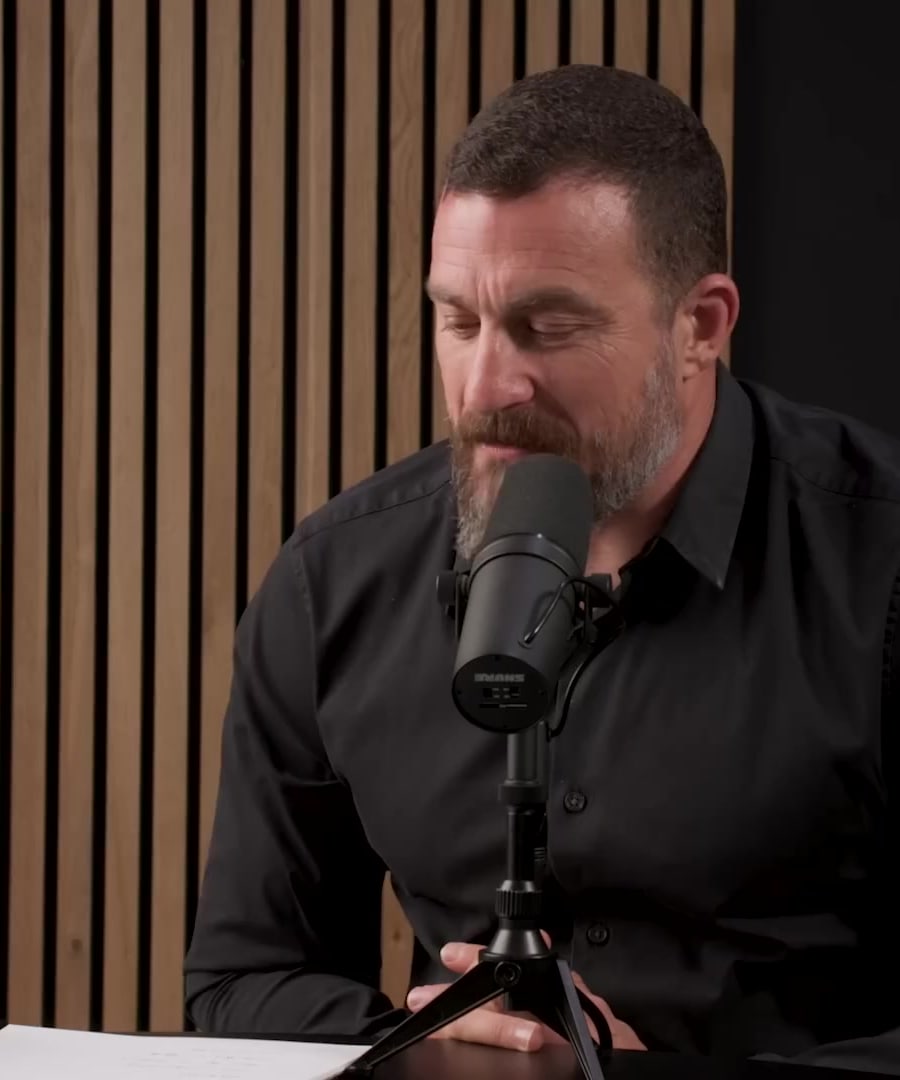
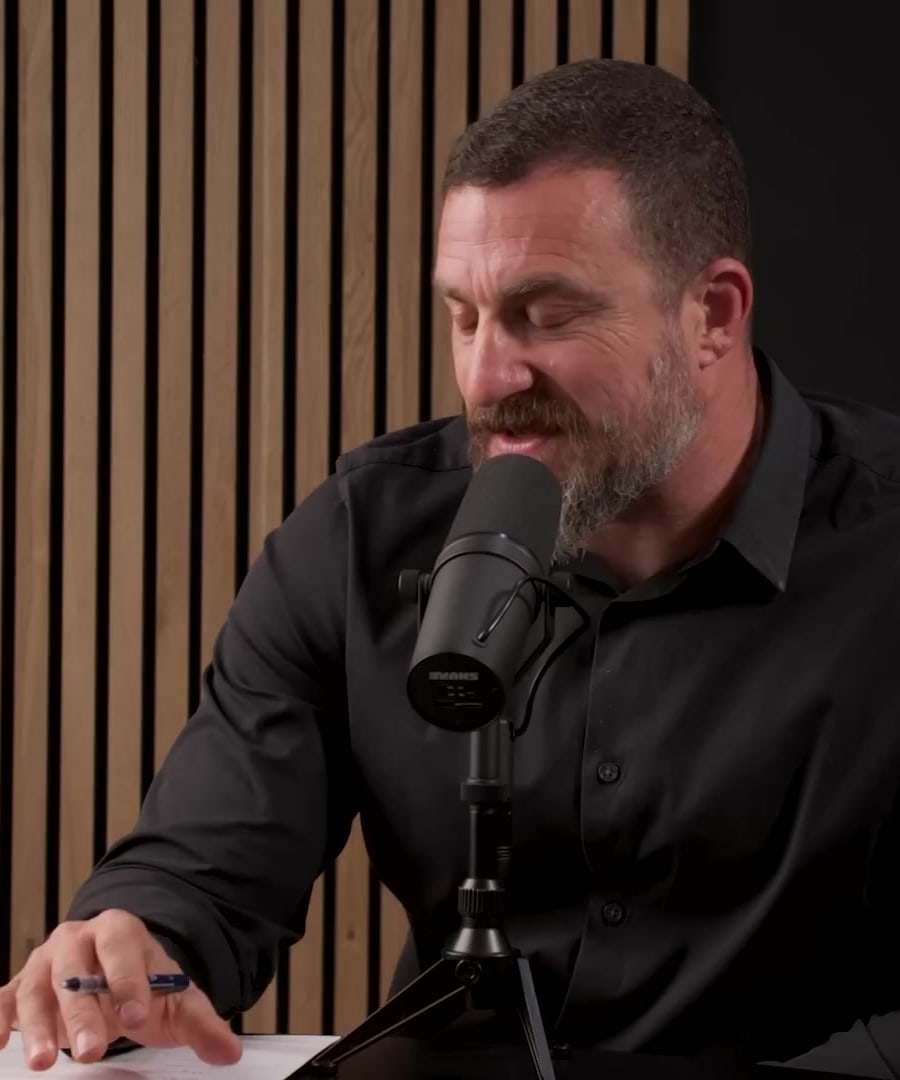
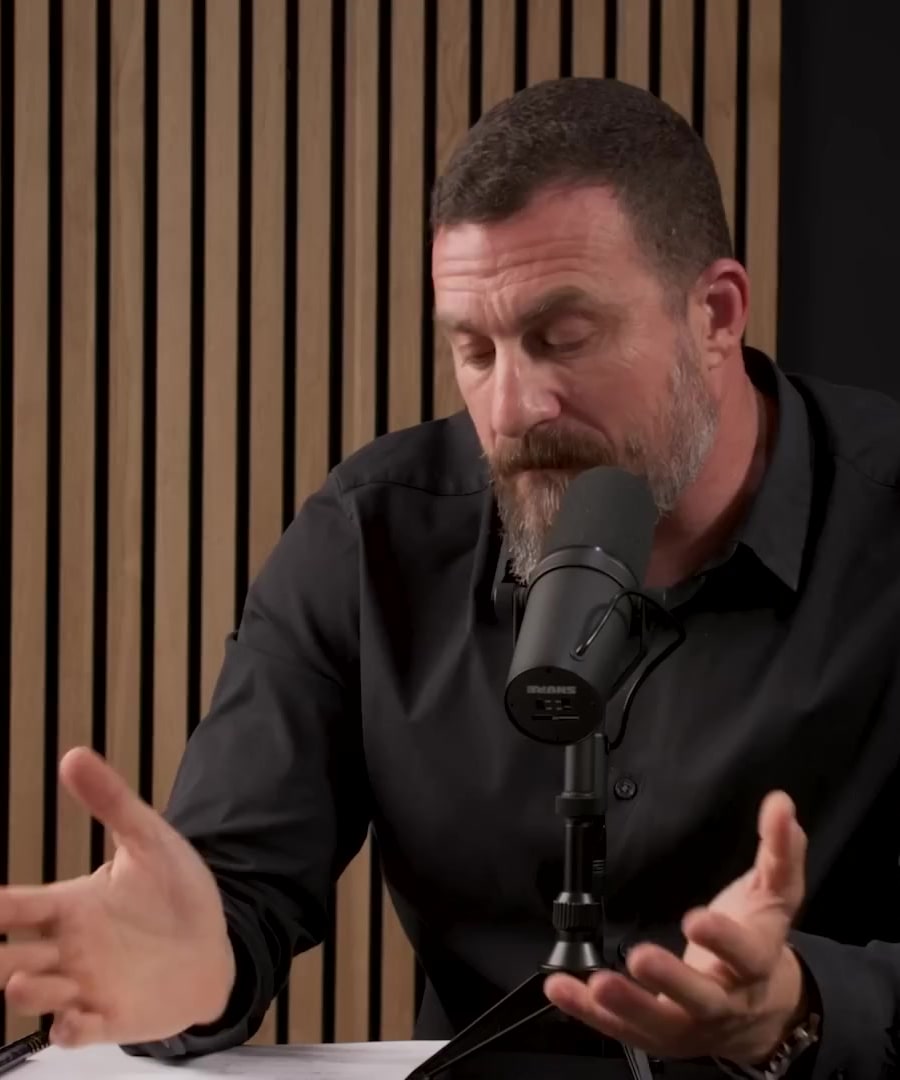
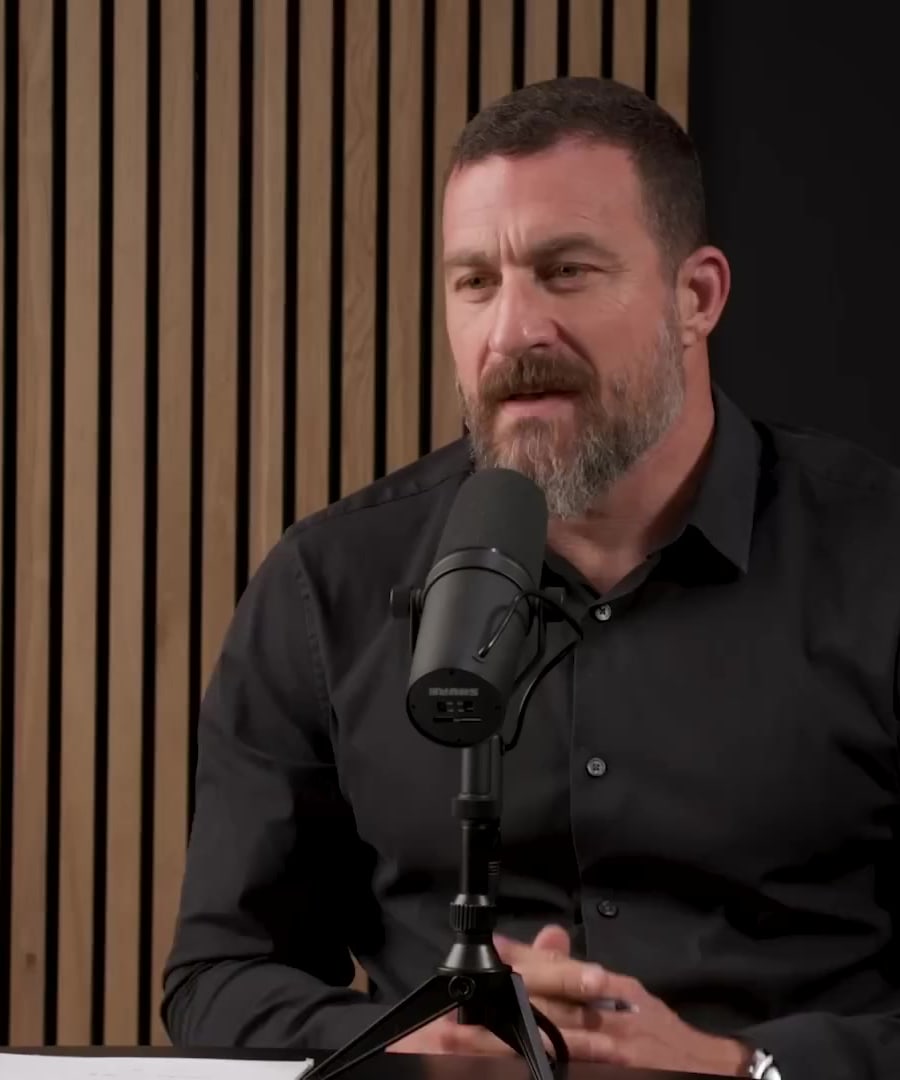
Popular Clips







Questions from this episode
- Asked by 1,205 people
- Asked by 231 people
- Asked by 167 people
- Asked by 99 people
- Asked by 92 people
- Asked by 88 people
- Asked by 74 people
- Asked by 50 people
- Asked by 48 people
- Asked by 42 people
- Asked by 42 people
- Asked by 35 people
- Asked by 35 people
- Asked by 35 people
- Asked by 33 people
Episode Highlights
Neuroplasticity
and explore the fascinating concept of neuroplasticity, the brain's ability to rewire itself. Matthew explains that while the potential for plasticity decreases with age, pharmacological agents like psychedelics can enhance it, unlike machines which are limited in targeting broad brain areas 1. He emphasizes that plasticity research should focus on drugs due to their ability to affect the entire brain, unlike targeted electrical stimulation 1. Andrew highlights the paradox of brain resilience, where significant plasticity can occur even with brain lesions, illustrating the brain's remarkable adaptability 2.
Brain Resilience
The discussion shifts to brain resilience and its self-repair mechanisms. Matthew describes the brain as a collection of functional modules, each capable of significant recovery even after damage 3. He shares insights into the brain's deeper regions, which control essential functions and are more predictable in their responses to damage or stimulation 4. Andrew and Matthew also discuss the skull's vulnerabilities, noting that while it provides some protection, certain areas are prone to injury, highlighting the brain's delicate balance between resilience and vulnerability 5.
Brain Health
Brain health concerns are a significant focus, with Matthew addressing the impact of alcohol on brain atrophy. He notes that chronic alcohol consumption leads to significant brain shrinkage, a common yet preventable source of damage 6. Andrew shares personal experiences with sleep deprivation, illustrating its widespread effects on brain function, including hallucinations and impaired motor skills 7. The conversation also touches on neurofeedback and gaming, where video games are seen as tools for enhancing learning and motor skills, despite some controversy 8.
Related Episodes


Dr. Karl Deisseroth: Understanding & Healing the Mind | Huberman Lab Podcast #26
Answers 383 questionsHow to Focus to Change Your Brain | Huberman Lab Podcast #6
Answers 383 questionsWelcome to the Huberman Lab Podcast
Answers 383 questions
Dr. David Berson: Your Brain's Logic & Function | Huberman Lab Podcast #50
Answers 383 questionsNutrients For Brain Health & Performance | Huberman Lab Podcast #42
Answers 383 questions
Dr. Gary Steinberg: How to Improve Brain Health & Offset Neurodegeneration
Answers 383 questions
Tim Ferriss: How to Learn Better & Create Your Best Future | Huberman Lab Podcast
Answers 383 questions