Dr. Matthew MacDougall: Neuralink & Technologies to Enhance Human Brains | Huberman Lab Podcast

Topics covered
Popular Clips


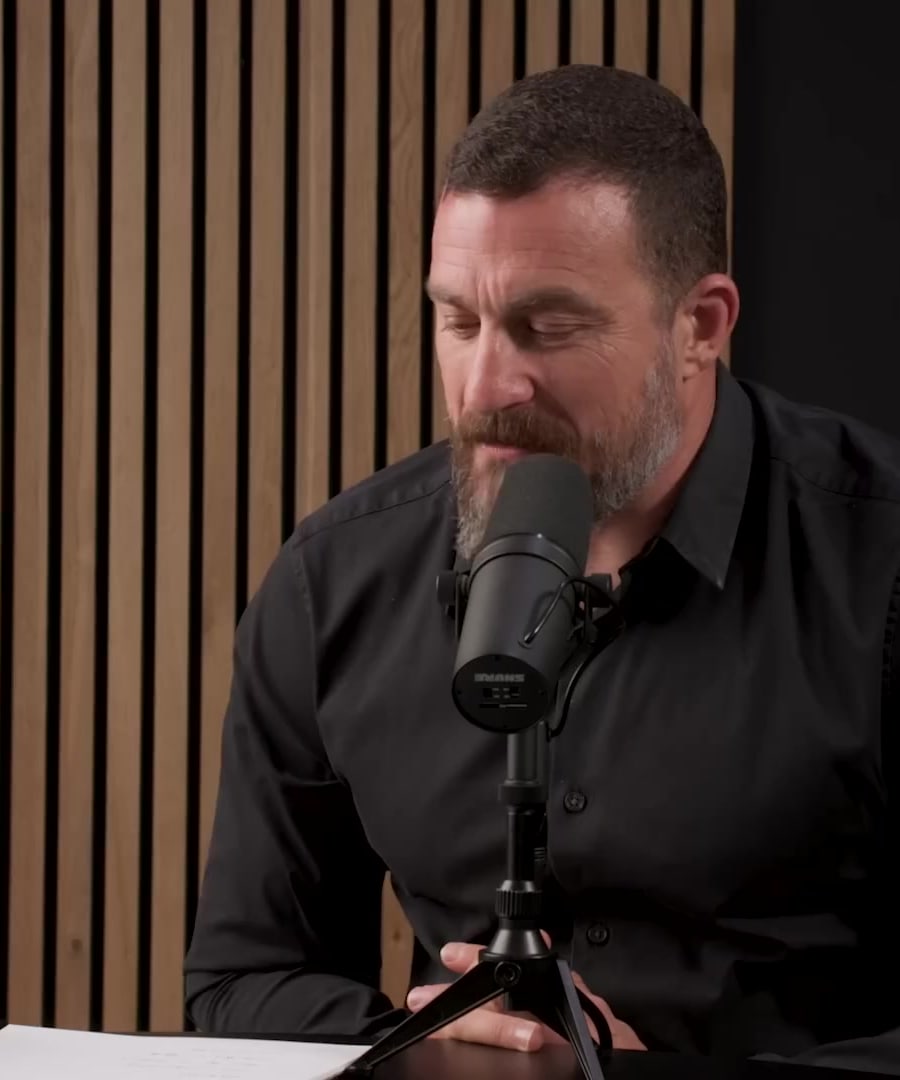
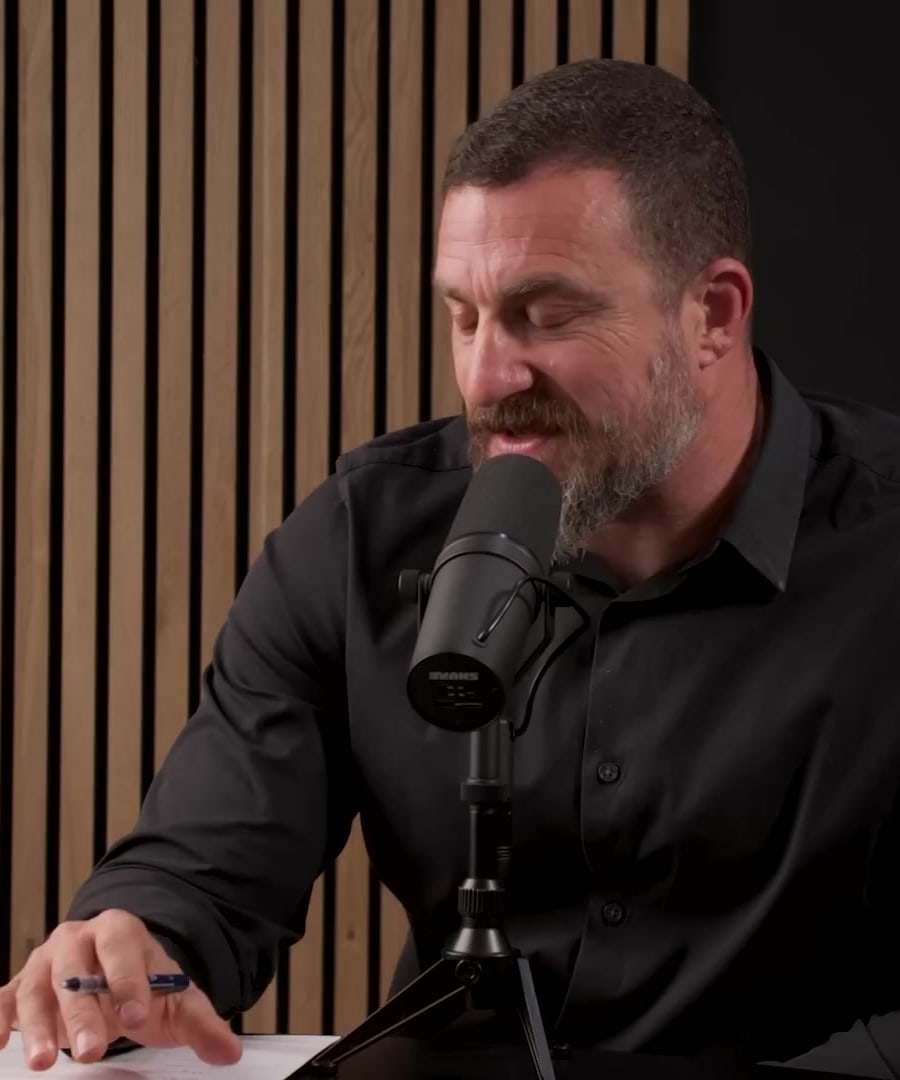
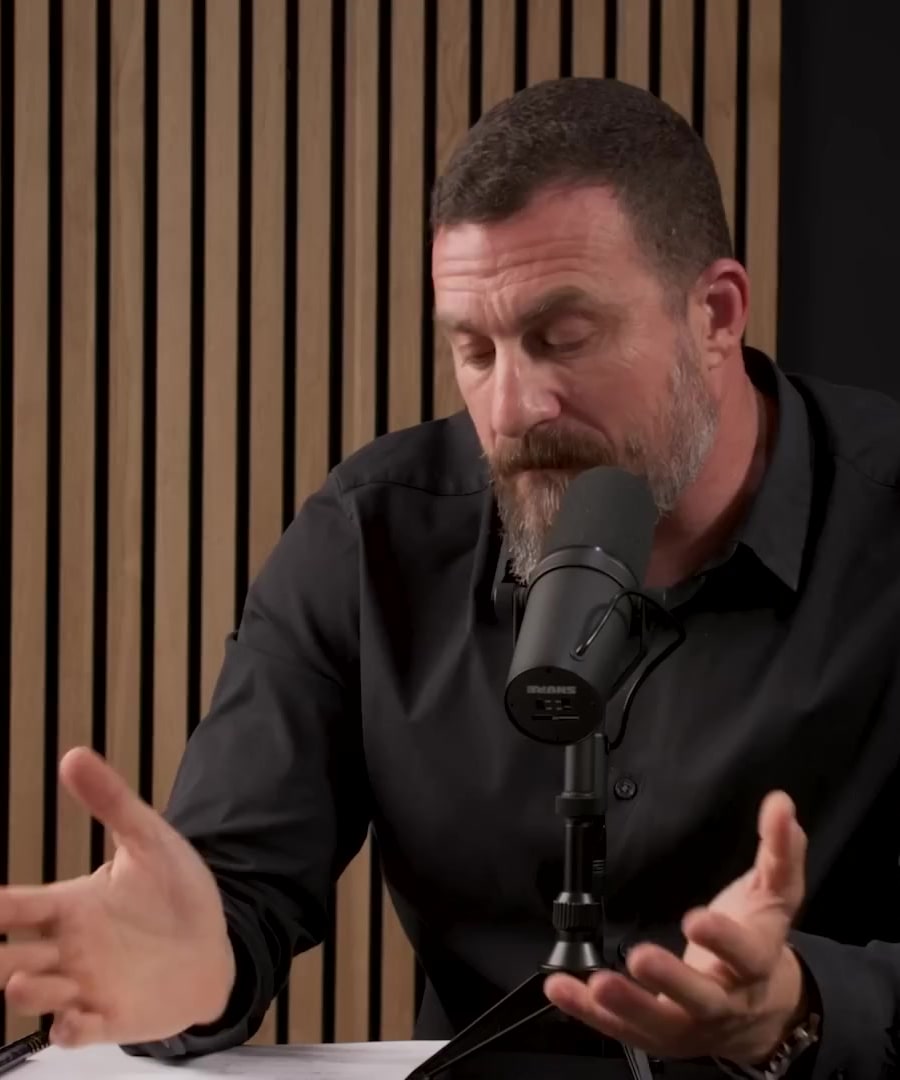

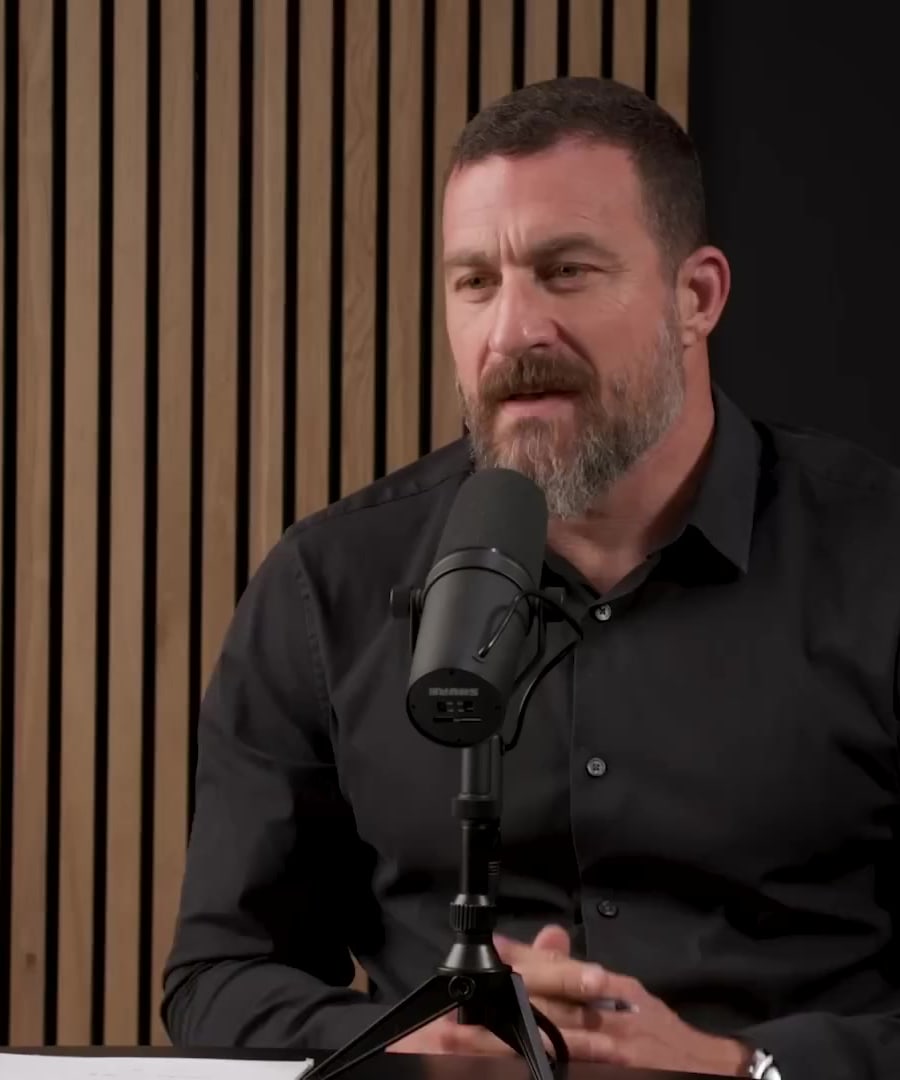

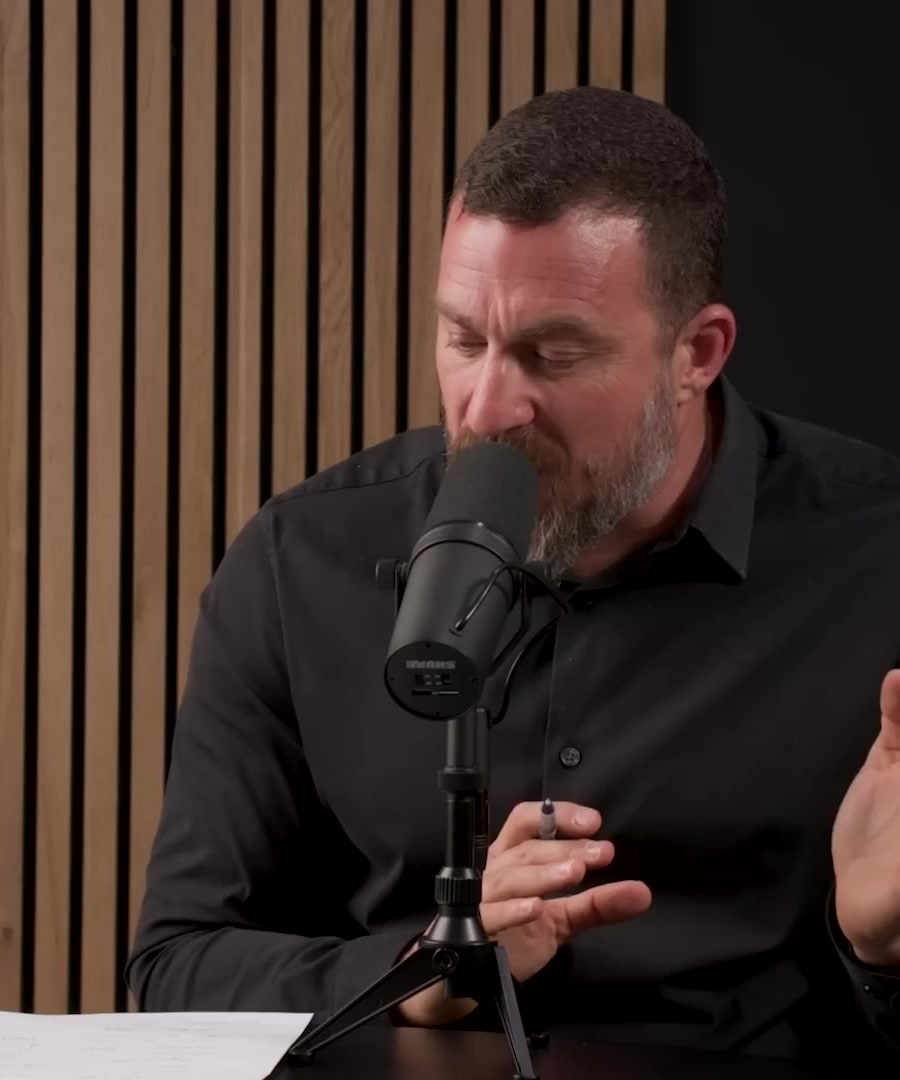

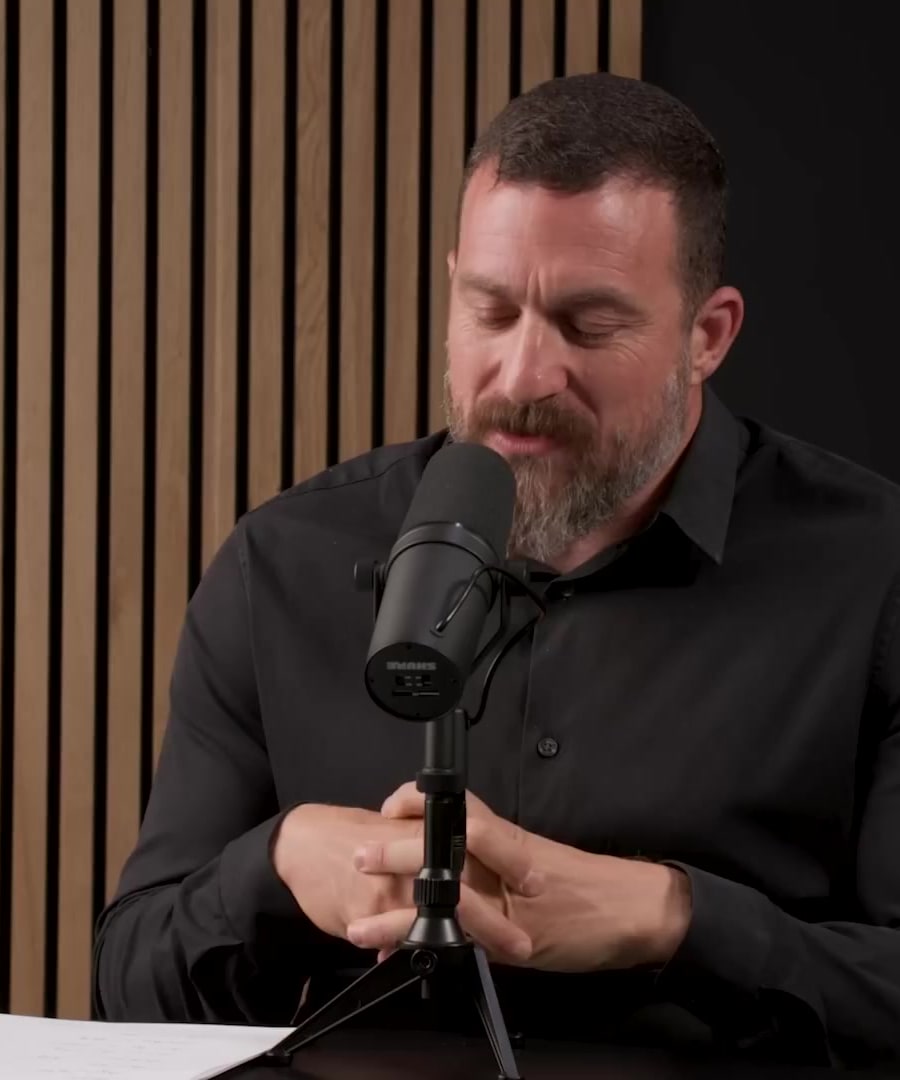

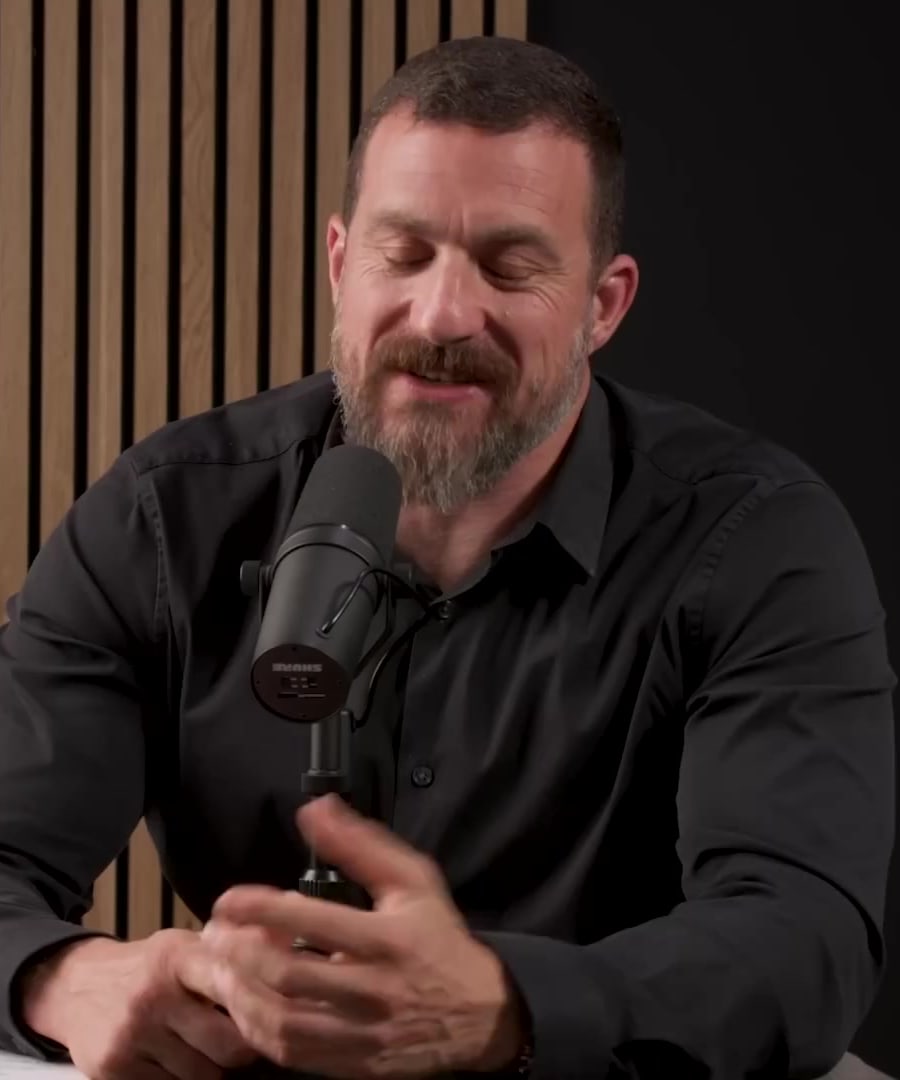

Questions from this episode
- Asked by 1,205 people
- Asked by 231 people
- Asked by 167 people
- Asked by 99 people
- Asked by 92 people
- Asked by 88 people
- Asked by 74 people
- Asked by 50 people
- Asked by 48 people
- Asked by 42 people
- Asked by 42 people
- Asked by 35 people
- Asked by 35 people
- Asked by 35 people
- Asked by 33 people
Episode Highlights
Future Vision
The future of brain-machine interfaces (BMI) holds transformative potential for human cognition and communication. envisions a world where humans can overcome brain malfunctions like addiction and depression, and even expand cognitive abilities into AI realms 1. He emphasizes the need for the brightest minds to tackle these challenges, inviting engineers and scientists to join Neuralink's mission to enhance human capabilities 2. reflects on the openness of Neuralink's approach, noting its commitment to transparency and innovation.
Tech Potential
Neuralink is pioneering brain-machine technology that could revolutionize communication and cognitive processes. discusses the potential for brain-texting, where thoughts could be directly transmitted as speech through bone-conducting implants 3. This technology could enable seamless communication without traditional speech, allowing for direct neural interaction. highlights the possibility of implanting chips in the hippocampus to enhance memory and facilitate thought-sharing between individuals 4.
Surgical Advances
Neurosurgical innovations at Neuralink are setting new standards in precision and capability. shares a technique involving a fiber optic cannula and laser to treat deep brain tumors with minimal damage, showcasing the potential for non-invasive procedures 5. Robotics play a crucial role in implanting electrodes with precision beyond human capability, essential for restoring motor functions in paralyzed patients 6. notes that these advancements not only aim to reduce human suffering but also pave the way for future brain-machine interfaces.
Related Episodes


Dr. Karl Deisseroth: Understanding & Healing the Mind | Huberman Lab Podcast #26
Answers 383 questionsHow to Focus to Change Your Brain | Huberman Lab Podcast #6
Answers 383 questionsWelcome to the Huberman Lab Podcast
Answers 383 questions
Dr. David Berson: Your Brain's Logic & Function | Huberman Lab Podcast #50
Answers 383 questionsNutrients For Brain Health & Performance | Huberman Lab Podcast #42
Answers 383 questions
Dr. Gary Steinberg: How to Improve Brain Health & Offset Neurodegeneration
Answers 383 questions
Tim Ferriss: How to Learn Better & Create Your Best Future | Huberman Lab Podcast
Answers 383 questions