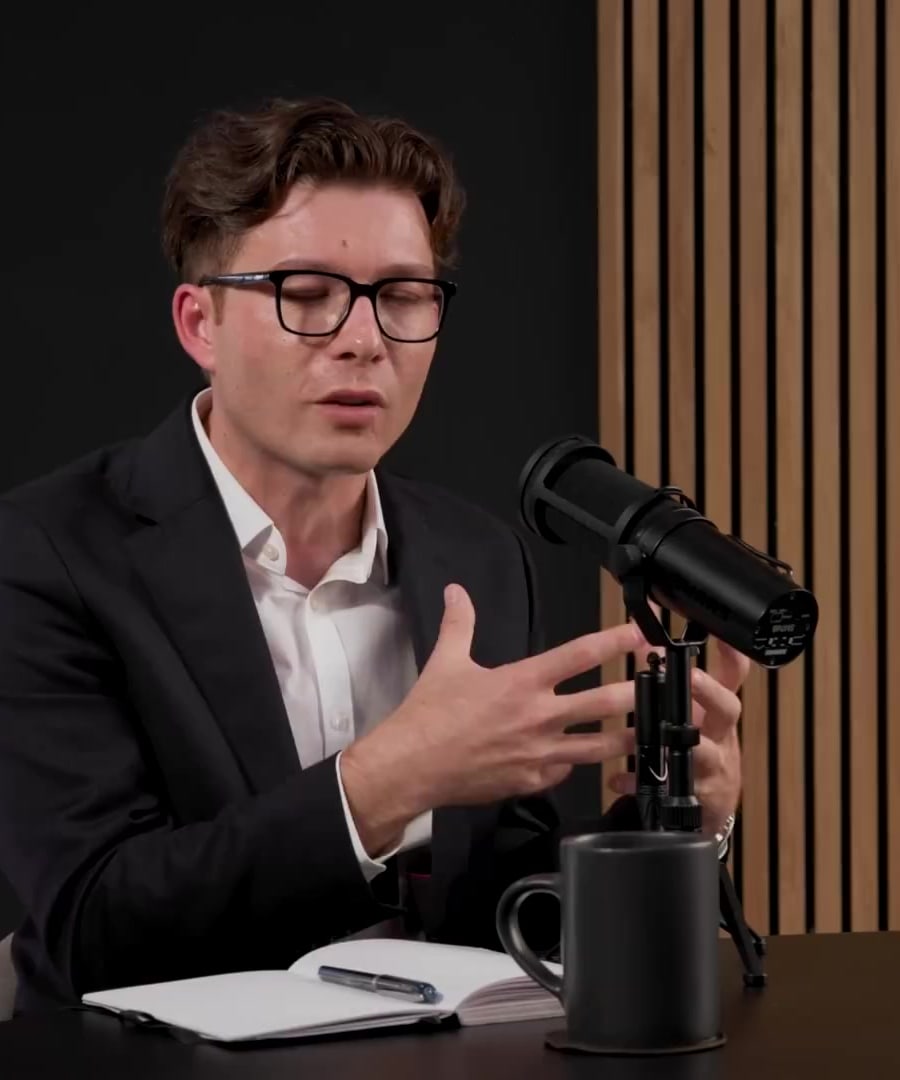
Using Stem Cells to Cure Autism, Epilepsy & Schizophrenia | Dr. Sergiu Pașca

Topics covered
Popular Clips




Episode Highlights
Gene Therapy
discusses the broad scope of gene therapy, highlighting its potential to correct genetic defects by either replacing faulty genes or introducing necessary proteins. He explains that CRISPR technology allows for precise DNA-level corrections, which could revolutionize treatments for conditions like sickle cell anemia 1. However, challenges remain, especially in targeting specific cells, such as those in the brain, for effective treatment.
Many of the studies were done for blood disorders, of course, because it was easier. So you would inject them. Of course.
---
Understanding cellular channels is crucial, as notes, since it informs how genetic interventions can be processed within cells 2.
Ethical Challenges
The application of gene editing in patient treatment presents both promising opportunities and ethical challenges. raises concerns about the potential for eugenics-like practices, especially with technologies that allow deep sequencing of embryos 3. This blurs the line between natural selection and genetic manipulation, prompting questions about the extent of information prospective parents should have.
How far off are we from genetic testing of parents as a kind of obligatory thing now that we know some of the genes associated with autism?
---
emphasizes the importance of developing nucleic acids that can alter cellular processes, potentially reversing harmful phenotypes 4.
Related Episodes


Dr. Karen Parker: The Causes & Treatments for Autism
Answers 383 questions
Dr. Karl Deisseroth: Understanding & Healing the Mind | Huberman Lab Podcast #26
Answers 383 questions
Dr. Terry Sejnowski: How to Improve at Learning Using Neuroscience & AI
Answers 383 questions
Dr. Gary Steinberg: How to Improve Brain Health & Offset Neurodegeneration
Answers 383 questionsThe Science & Treatment of Bipolar Disorder | Huberman Lab Podcast #82
Answers 383 questions
Dr. Victor Carrión: How to Heal From Post-Traumatic Stress Disorder (PTSD)
Answers 383 questions