

Dr. Cal Newport: How to Enhance Focus and Improve Productivity

Topics covered
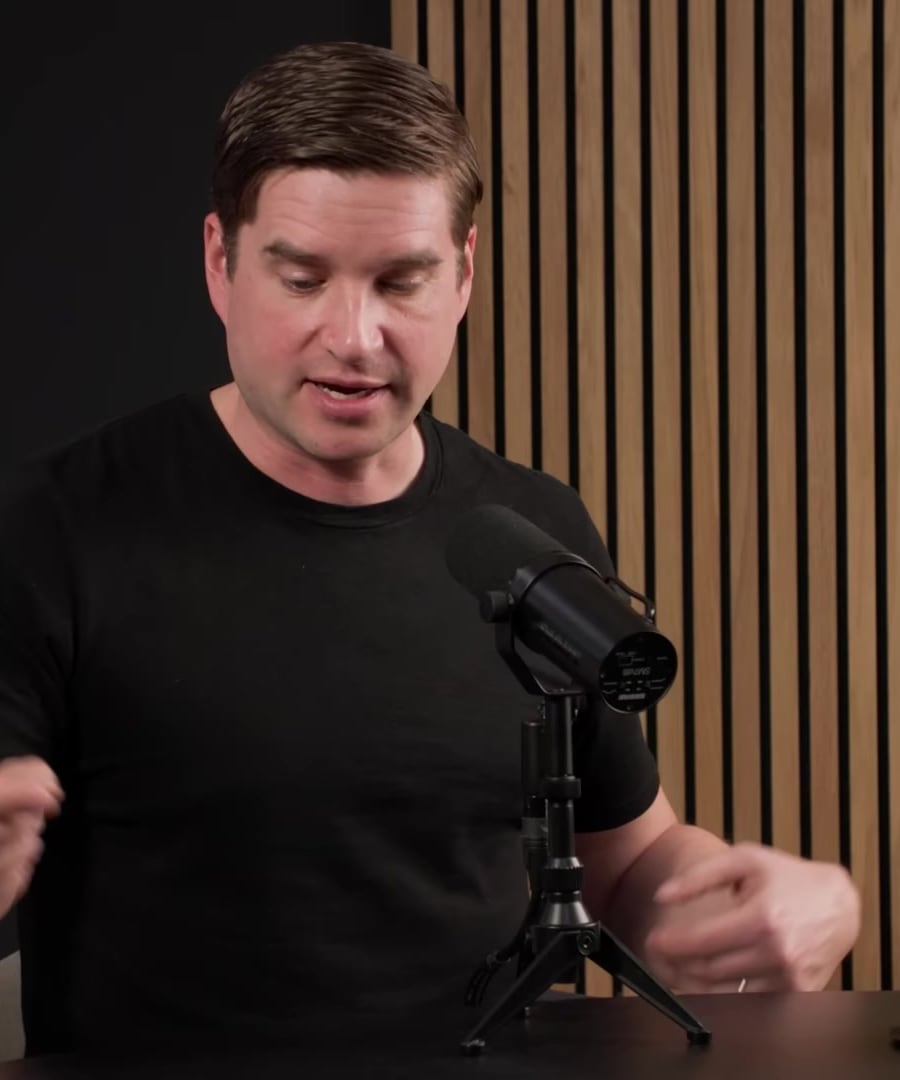
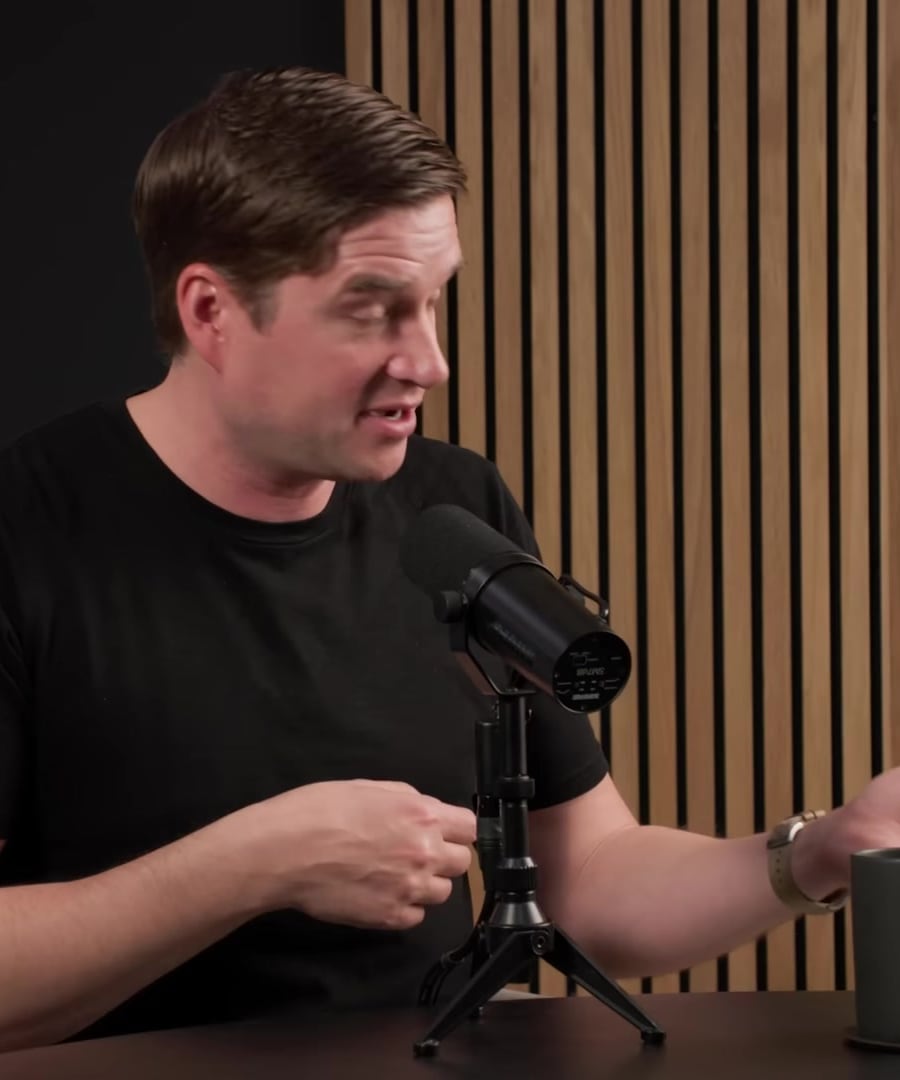
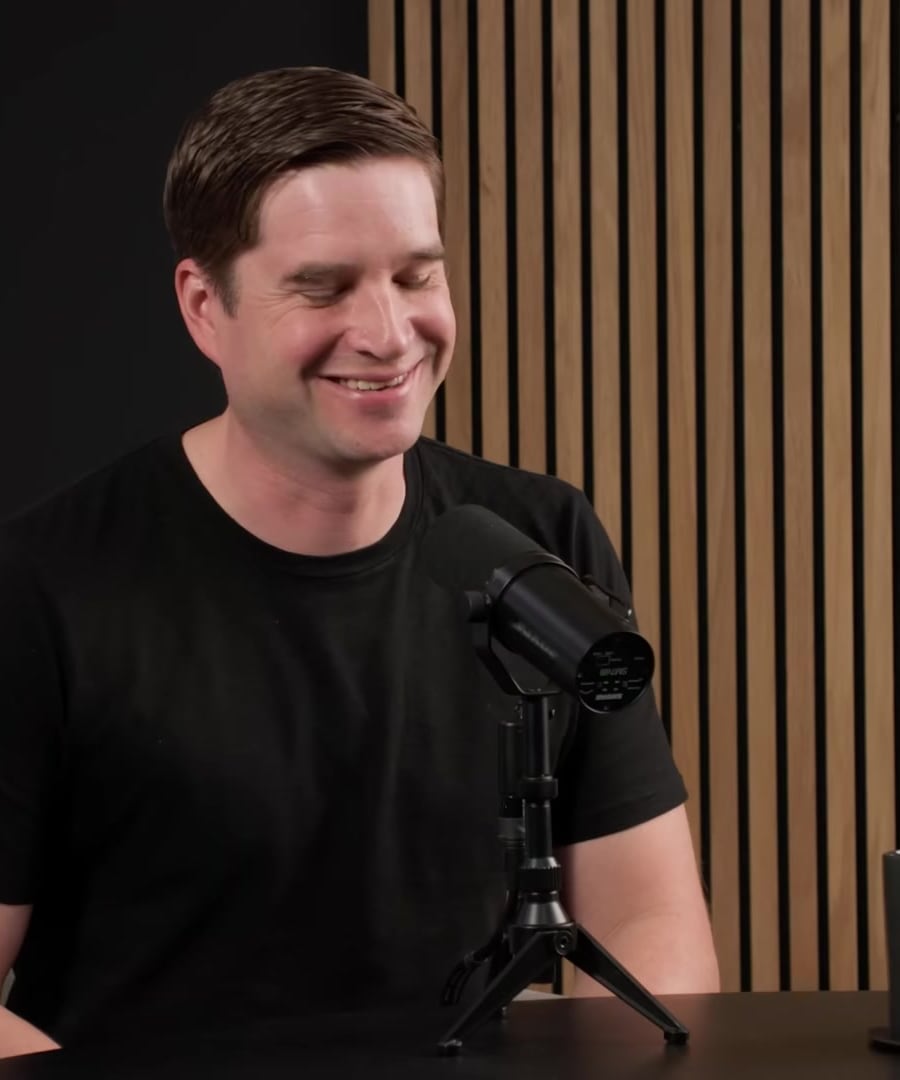
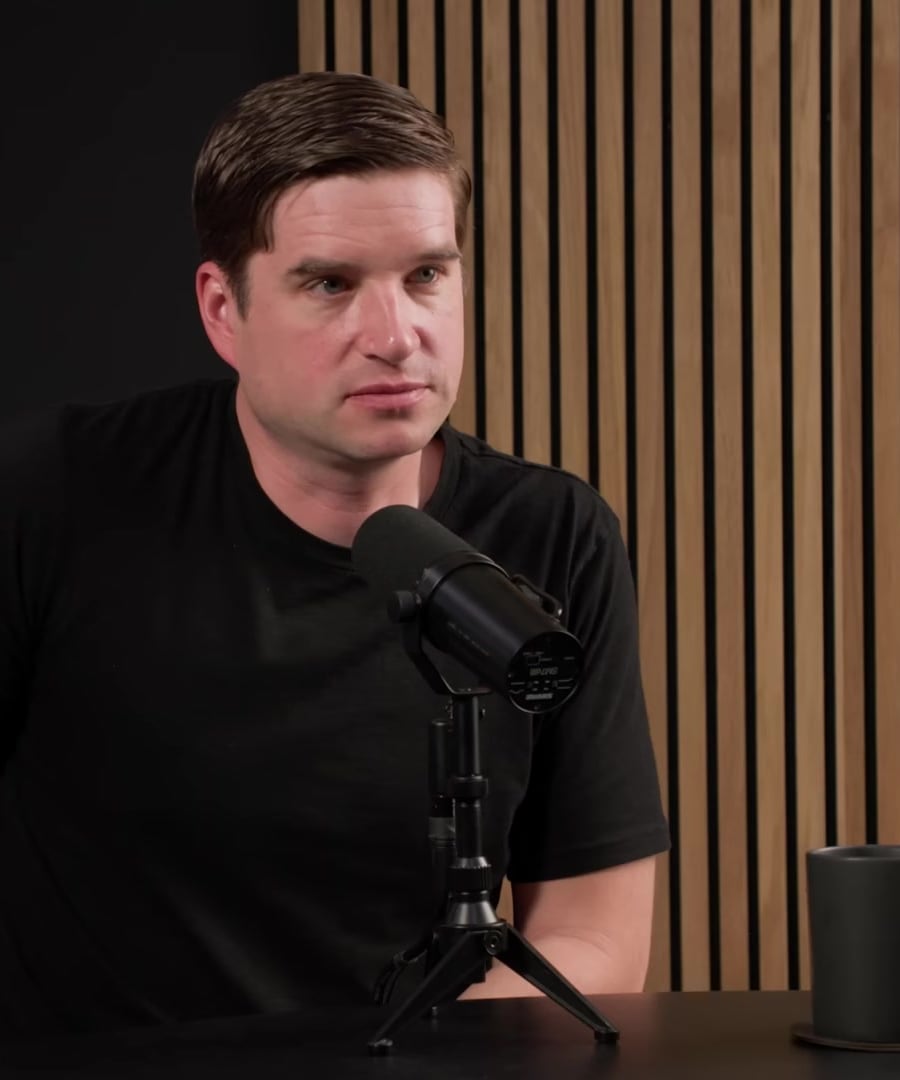
Popular Clips

Questions from this episode
- Asked by 384 people
- Asked by 245 people
- Asked by 210 people
- Asked by 124 people
- Asked by 122 people
- Asked by 116 people
- Asked by 109 people
- Asked by 103 people
- Asked by 98 people
- Asked by 98 people
- Asked by 96 people
- Asked by 94 people
- Asked by 92 people
- Asked by 79 people
- Asked by 76 people
Episode Highlights
Deep Work
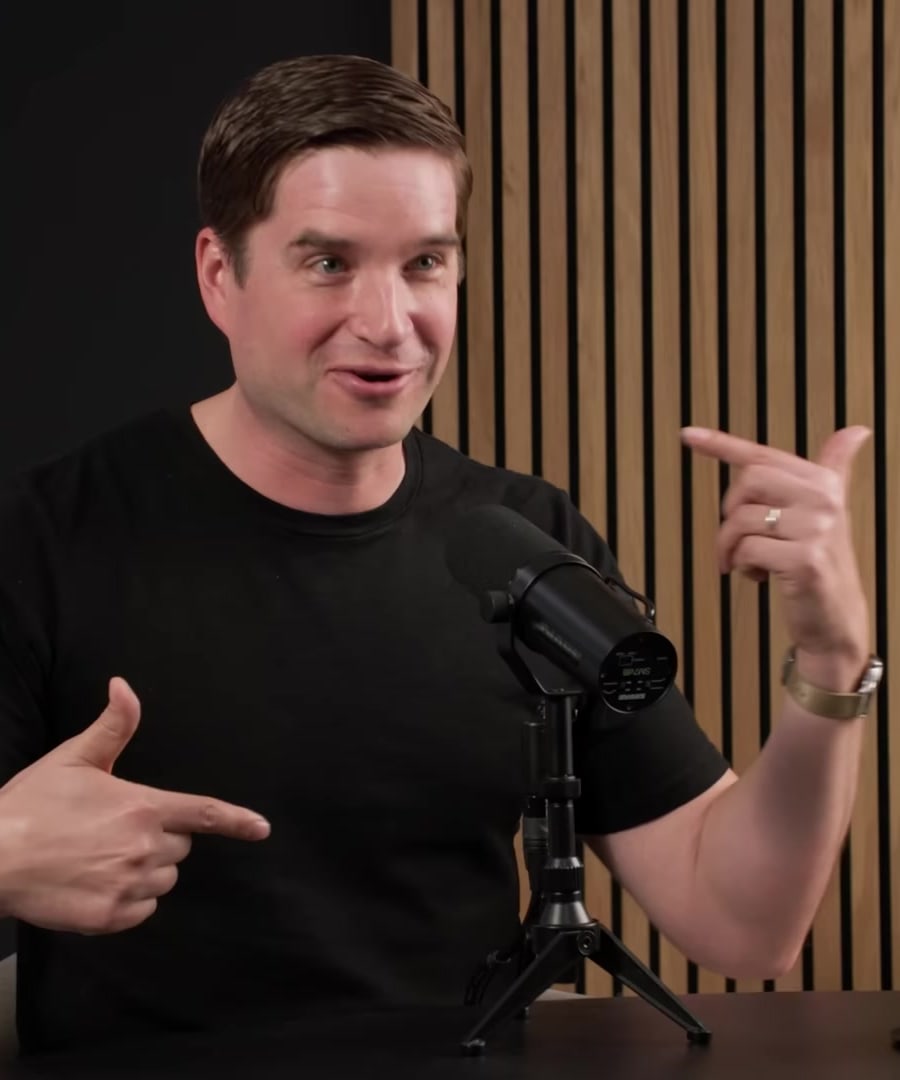
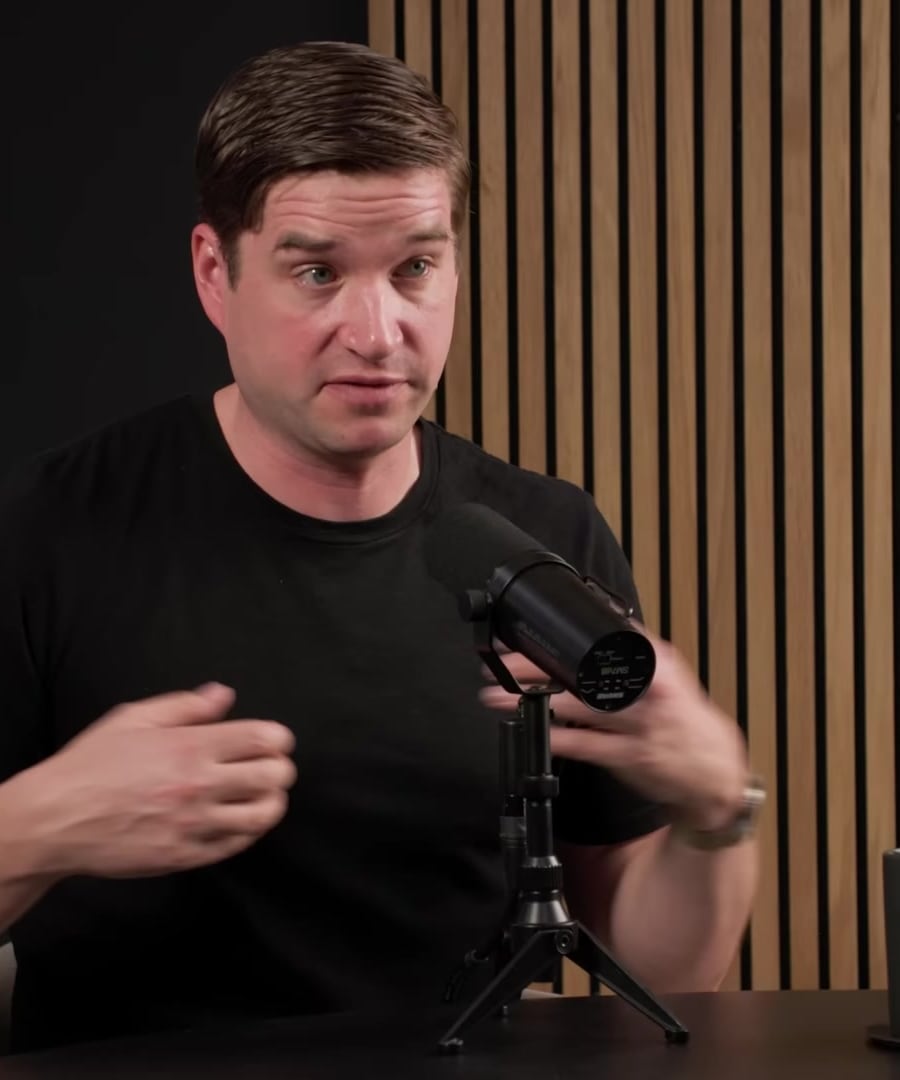
emphasizes the importance of deep work techniques to enhance productivity and focus. He suggests a pull-based system for managing tasks, which involves actively working on only a few tasks at a time and pulling new tasks from a queue as others are completed. This method reduces distractions and administrative overhead, allowing for more efficient work 1. Newport also advocates for multiscale planning, which involves planning on daily, weekly, and seasonal scales to ensure alignment with long-term goals 2.
Multiscale planning keeps you focused on what matters, preventing you from wandering through your day and dispersing your energy.
---
Time blocking is another key strategy, where each minute of the workday is allocated to specific tasks, including designated blocks for communication to minimize distractions 3.
ADHD & Distraction
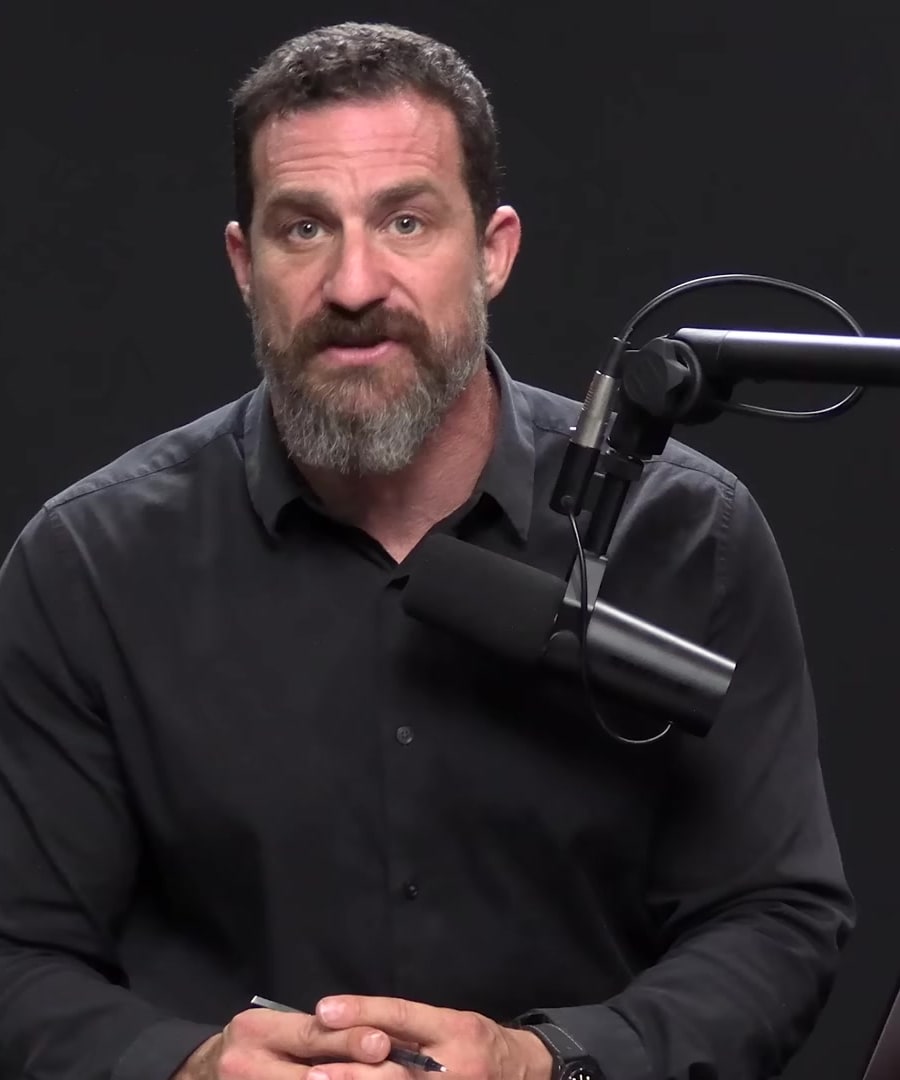
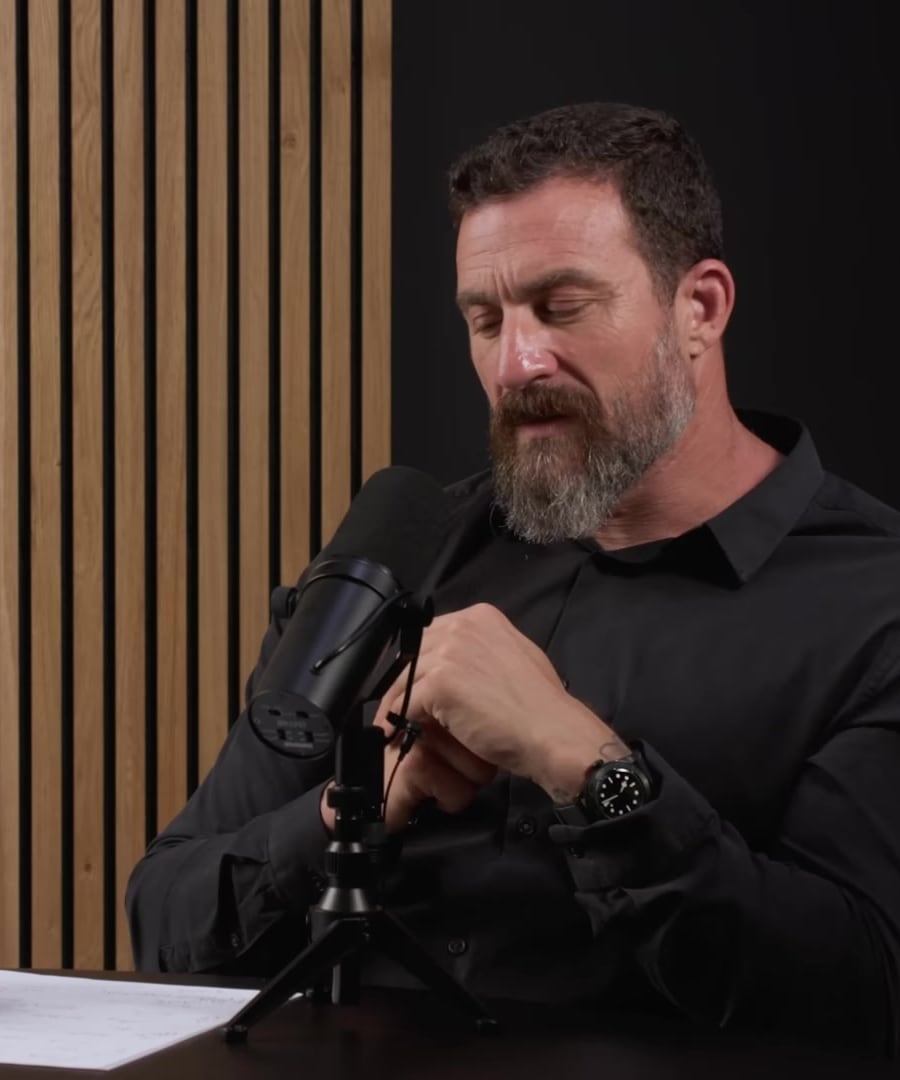
The conversation shifts to how task switching and digital distractions contribute to ADHD-like symptoms. suggests that frequent task switching may rewire the brain to favor distributed cognition over focused attention 4. believes that many attention issues are phone-induced and can be mitigated by altering one's relationship with technology rather than relying on medication. He argues that the brain's malleability allows for quick adaptation to new habits, suggesting that reducing digital interruptions can restore focus 4.
The problem is not solvable as much. You don't need pills, you need a different phone relationship.
---
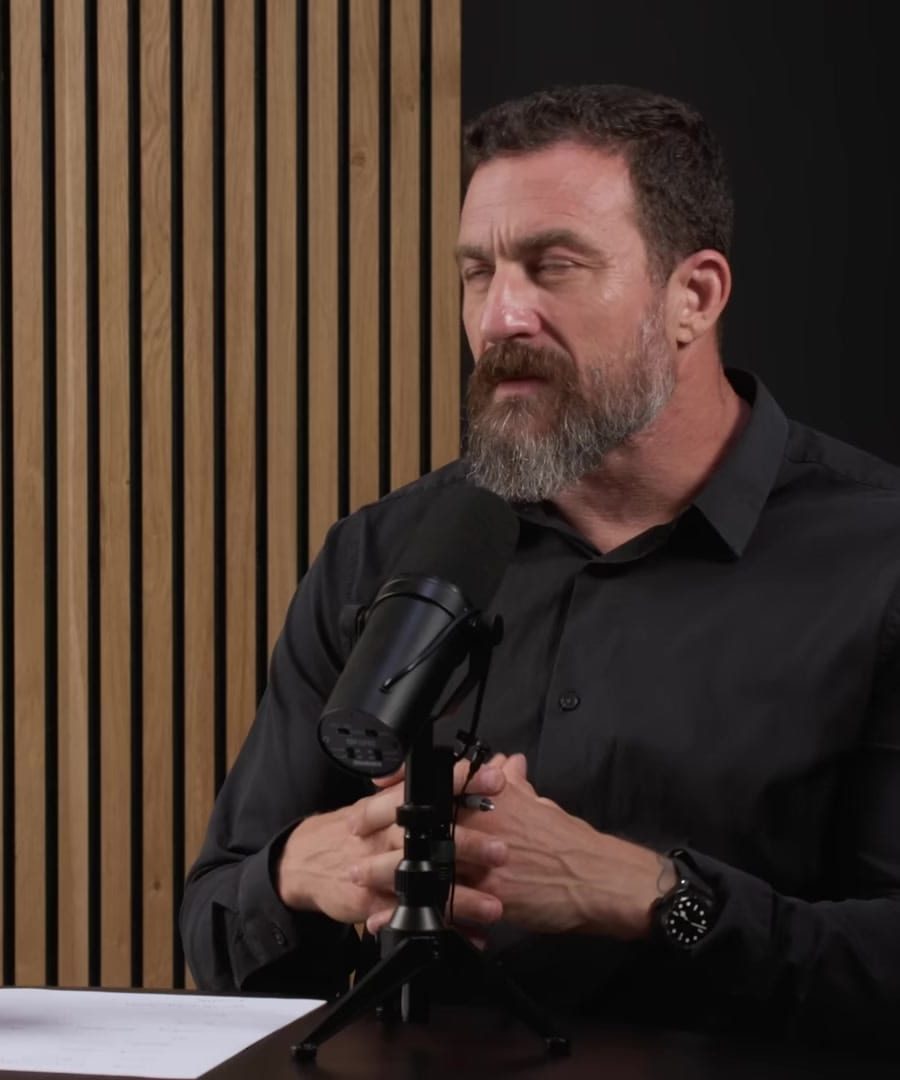
Huberman compares task switching to a car's transmission system, highlighting the inefficiency of constantly shifting focus, which burns more mental energy and hinders productivity 5.
Neurosymantic Coherence
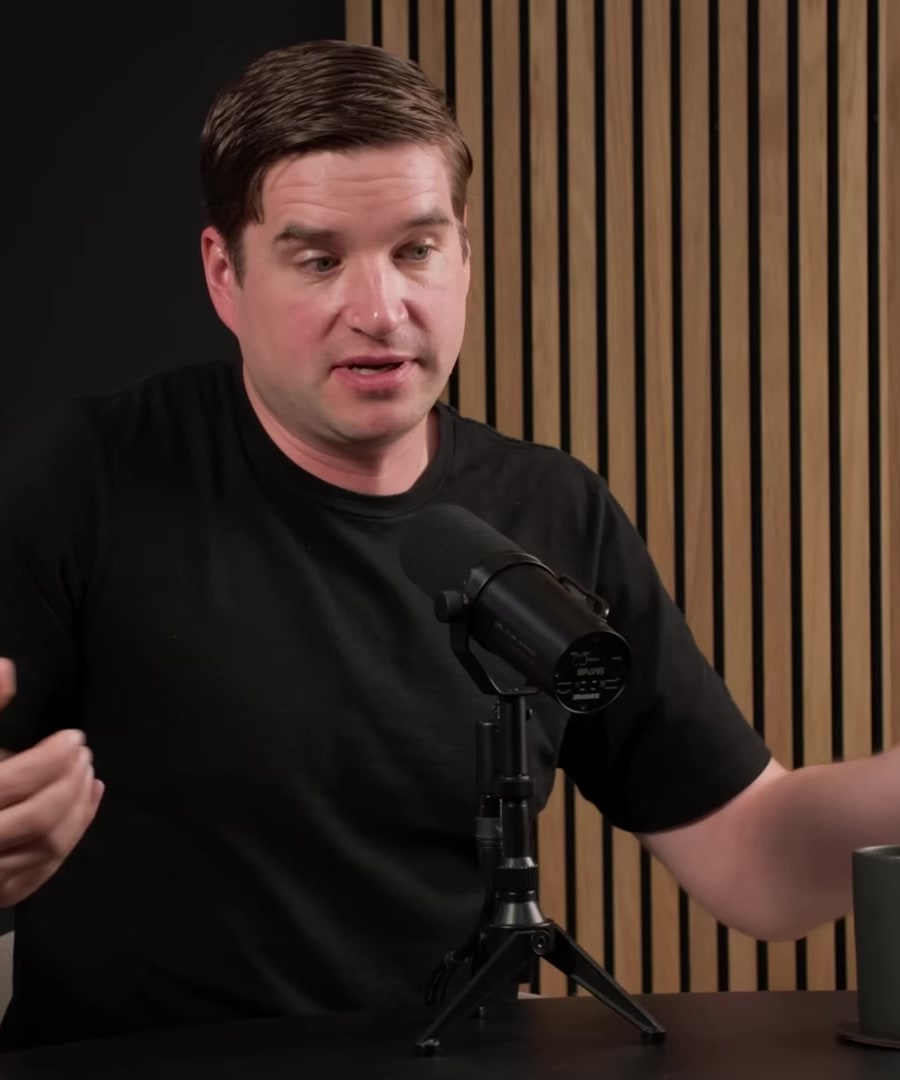
introduces the concept of "neurosymantic coherence" as an alternative to flow states for achieving focus. This involves maintaining coherence in semantic neural networks, allowing for concentrated effort on challenging tasks without the need for flow, which Newport views as more relevant to performance than practice 6. He contrasts this with the idea of flow, which he believes is often misunderstood as a state of effortless work rather than a performance state 7.
Forget flow, but also remember this default where you're like the rescue time data set. Participants checking email once every five minutes. That's cognitive nonsense.
---
Newport argues that deep work requires deliberate practice and focus, rather than the elusive and often romanticized flow state 7.
Related Episodes

How to Focus to Change Your Brain | Huberman Lab Podcast #6
Answers 383 questionsADHD & How Anyone Can Improve Their Focus | Huberman Lab Podcast #37
Answers 383 questionsUsing Science to Optimize Sleep, Learning & Metabolism | Huberman Lab Podcast #3
Answers 383 questions
Tim Ferriss: How to Learn Better & Create Your Best Future | Huberman Lab Podcast
Answers 383 questionsTools to Enhance Working Memory & Attention
Answers 383 questionsMaster Your Sleep & Be More Alert When Awake | Huberman Lab Podcast #2
Answers 383 questionsHow to Use Exercise to Improve Your Brain’s Health, Longevity & Performance
Answers 383 questionsOptimal Protocols for Studying & Learning
Answers 383 questions