Dr. Erich Jarvis: The Neuroscience of Speech, Language & Music | Huberman Lab Podcast #87

Topics covered
Popular Clips
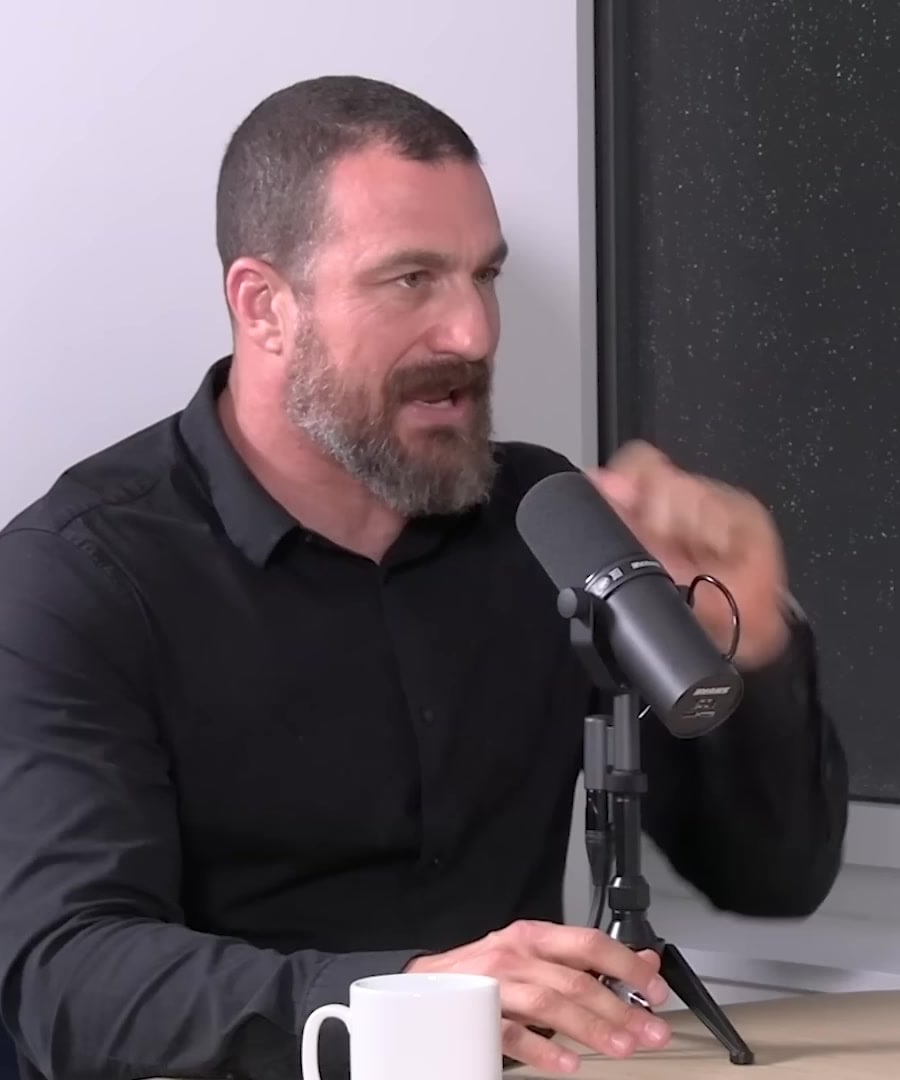
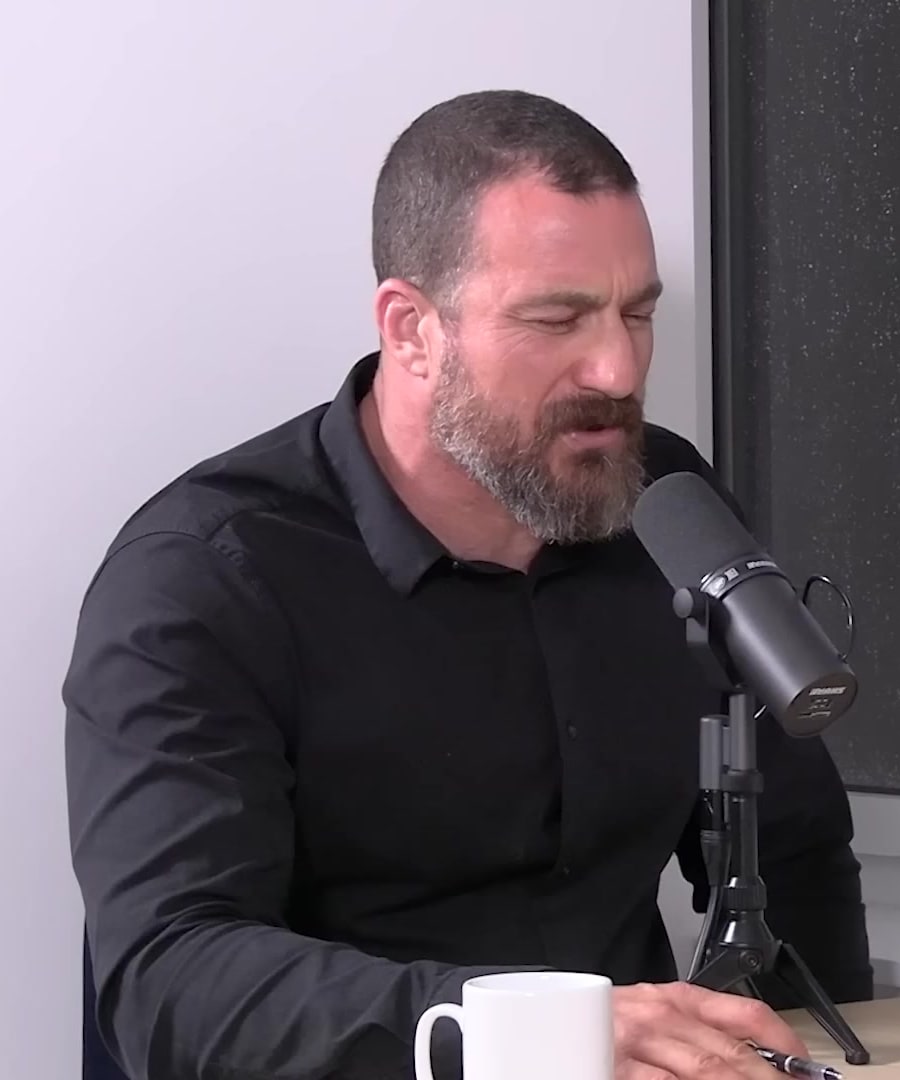
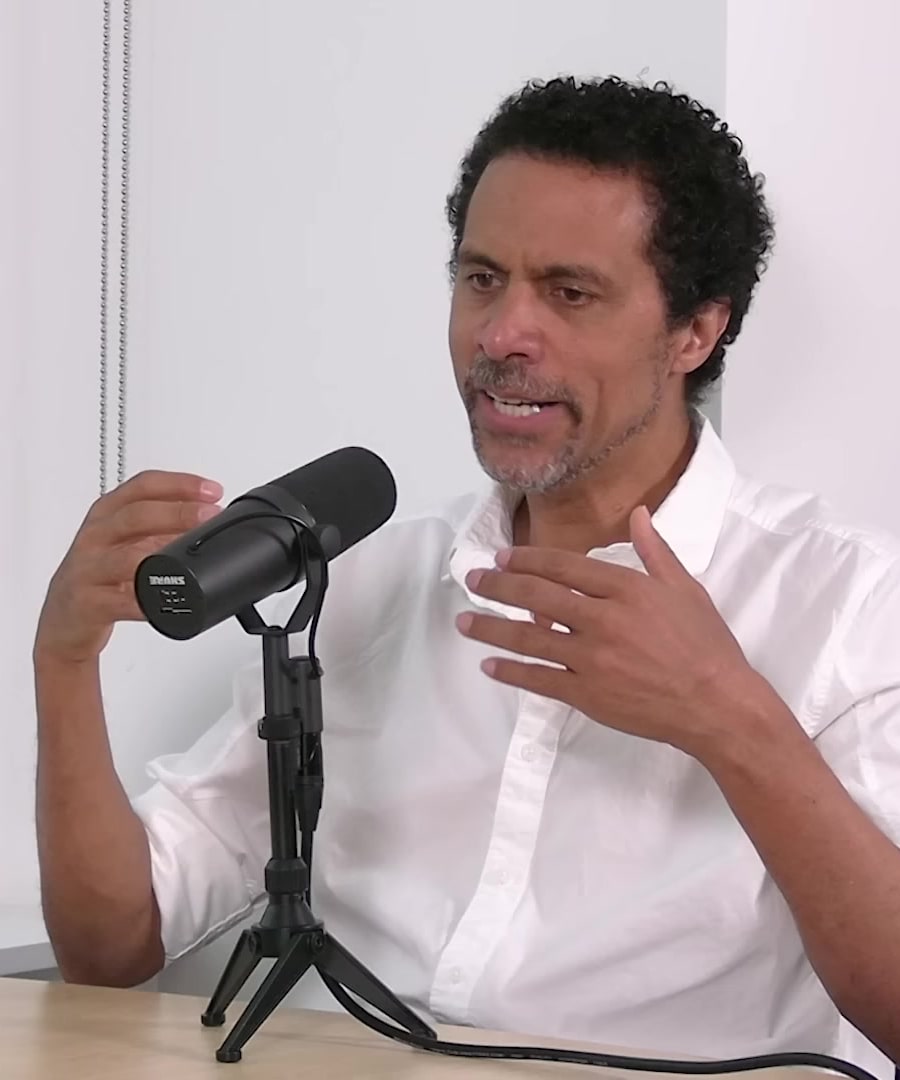

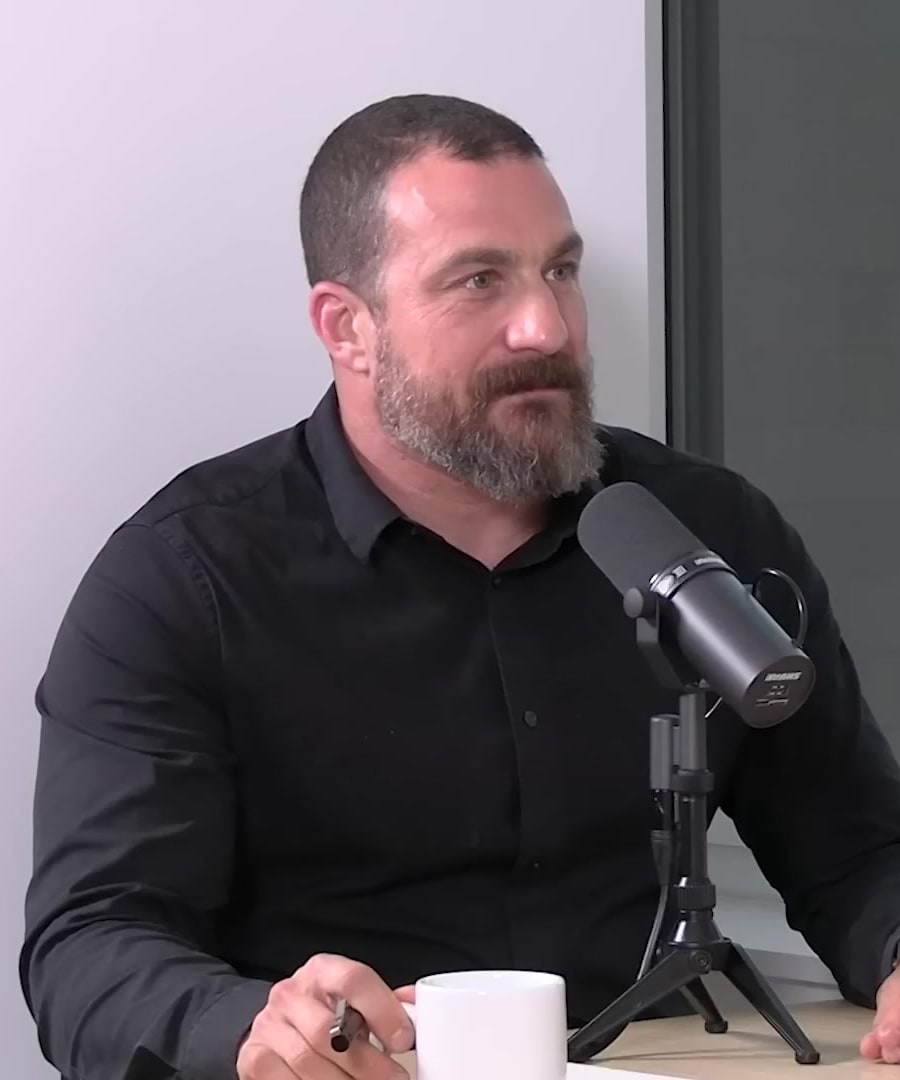


Questions from this episode
- Asked by 1,203 people
- Asked by 230 people
- Asked by 172 people
- Asked by 92 people
- Asked by 86 people
- Asked by 48 people
- Asked by 47 people
- Asked by 43 people
- Asked by 25 people
- Asked by 22 people
- Asked by 20 people
- Asked by 17 people
- Asked by 16 people
Episode Highlights
Speech & Language
explores the intricate relationship between speech and language, emphasizing that these are not distinct modules in the brain but rather interconnected pathways. He explains that speech involves motor patterns for sound production, while language encompasses the complex algorithms for understanding and producing these sounds 1. This interconnectedness is evident in both humans and certain animals like parrots and songbirds, which share specialized pathways for speech production and auditory perception 2. notes:
There is a speech production pathway that's controlling our larynx, controlling our jaw muscles, that has built within it all the complex algorithms for spoken language.
---
He further elaborates on the complexity of these neural circuits, highlighting the involvement of multiple brain pathways in reading and writing, which require the integration of visual, motor, and auditory signals 3.
Animal Communication
The podcast delves into animal communication, comparing it to human language. and discuss how certain animals, like songbirds and parrots, exhibit vocal learning abilities similar to humans 4. These species have brain circuits that parallel human speech pathways, allowing them to imitate sounds and even develop unique vocalizations 5. explains:
For spoken language, we're using the speech pathway in all the complex algorithms there.
---
He also highlights the genetic predispositions that influence vocal communication, noting that cultural and genetic factors play a role in language development across species 6.
Genetic Basis
The genetic basis of speech and language is a focal point of 's research. He reveals that specific genes control the neural connectivity necessary for speech, such as those involved in axon guidance and neuroplasticity 7. These genes are not only crucial for forming speech circuits but also for enabling the rapid muscle movements required for vocalization. notes:
By turning it off, you got a gain of function for speech.
---
Additionally, he discusses the convergence of genetic traits in humans and vocal learning birds, highlighting how similar mutations can lead to speech deficits in both 5. This genetic convergence underscores the complex interplay between biology and behavior in the evolution of communication 6.
Related Episodes


Ido Portal: The Science & Practice of Movement | Huberman Lab Podcast #77
Answers 383 questions
Dr. David Berson: Your Brain's Logic & Function | Huberman Lab Podcast #50
Answers 383 questionsHow to Use Music to Boost Motivation, Mood & Improve Learning | Huberman Lab Podcast
Answers 383 questionsThe Science of Hearing, Balance & Accelerated Learning | Huberman Lab Podcast #27
Answers 383 questions
Dr. Karl Deisseroth: Understanding & Healing the Mind | Huberman Lab Podcast #26
Answers 383 questionsThe Science of Setting & Achieving Goals | Huberman Lab Podcast #55
Answers 383 questionsWelcome to the Huberman Lab Podcast
Answers 383 questionsThe Science of Emotions & Relationships | Huberman Lab Podcast #13
Answers 383 questionsHow Your Nervous System Works & Changes | Huberman Lab Podcast #1
Answers 383 questionsNutrients For Brain Health & Performance | Huberman Lab Podcast #42
Answers 383 questionsUsing Failures, Movement & Balance to Learn Faster | Huberman Lab Podcast #7
Answers 383 questions