Dr. Erich Jarvis: The Neuroscience of Speech, Language & Music | Huberman Lab Podcast #87

Topics covered
Popular Clips
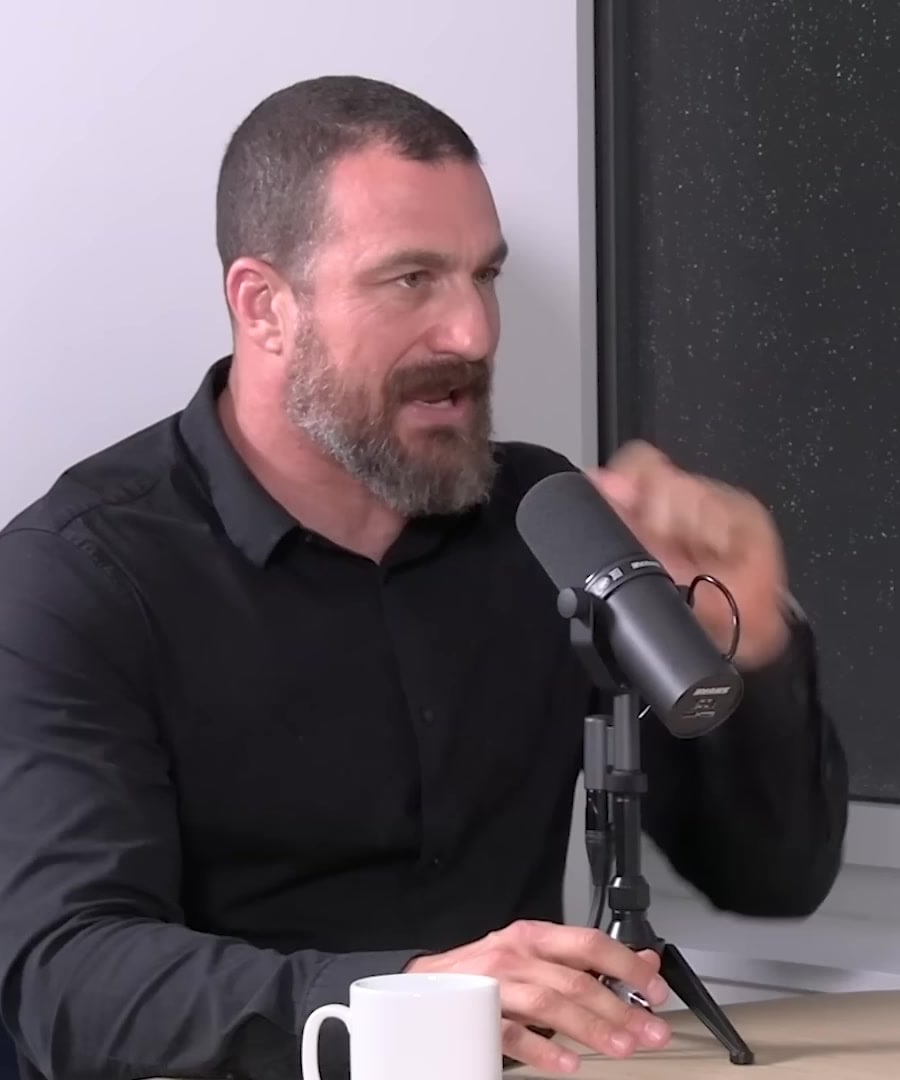
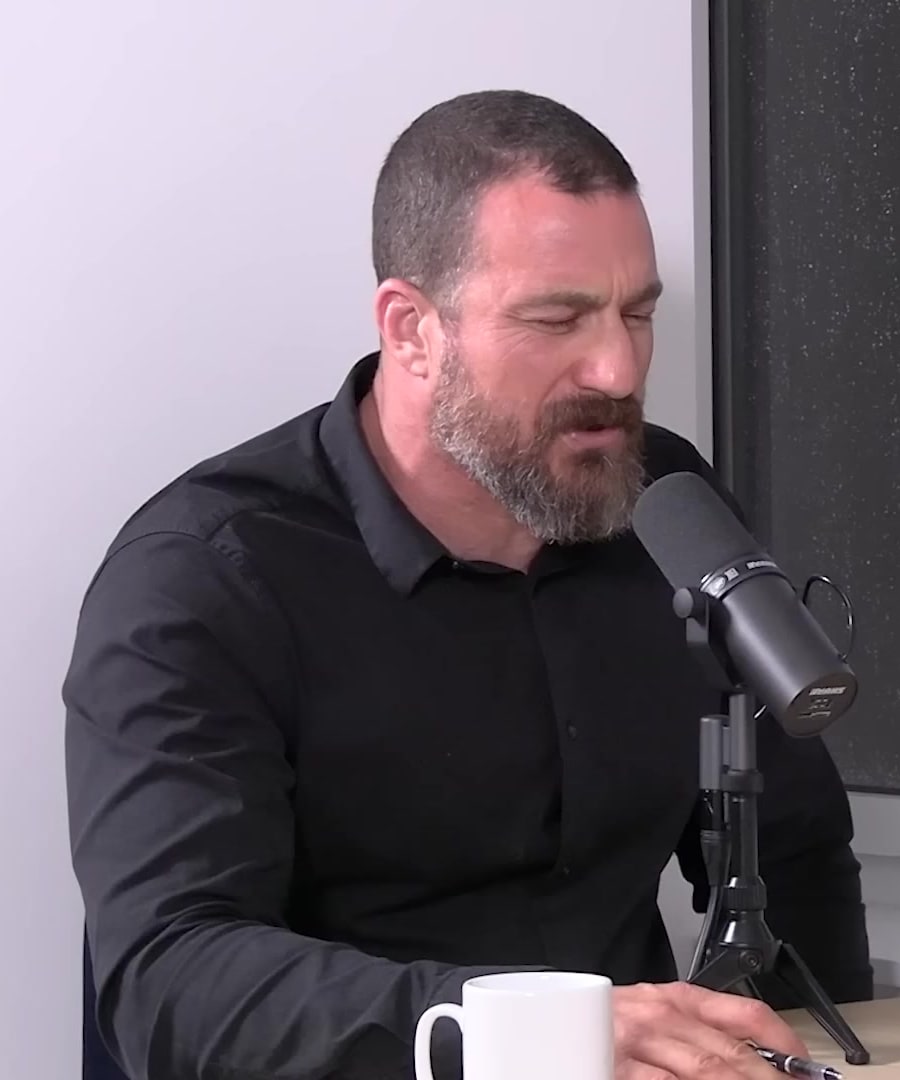
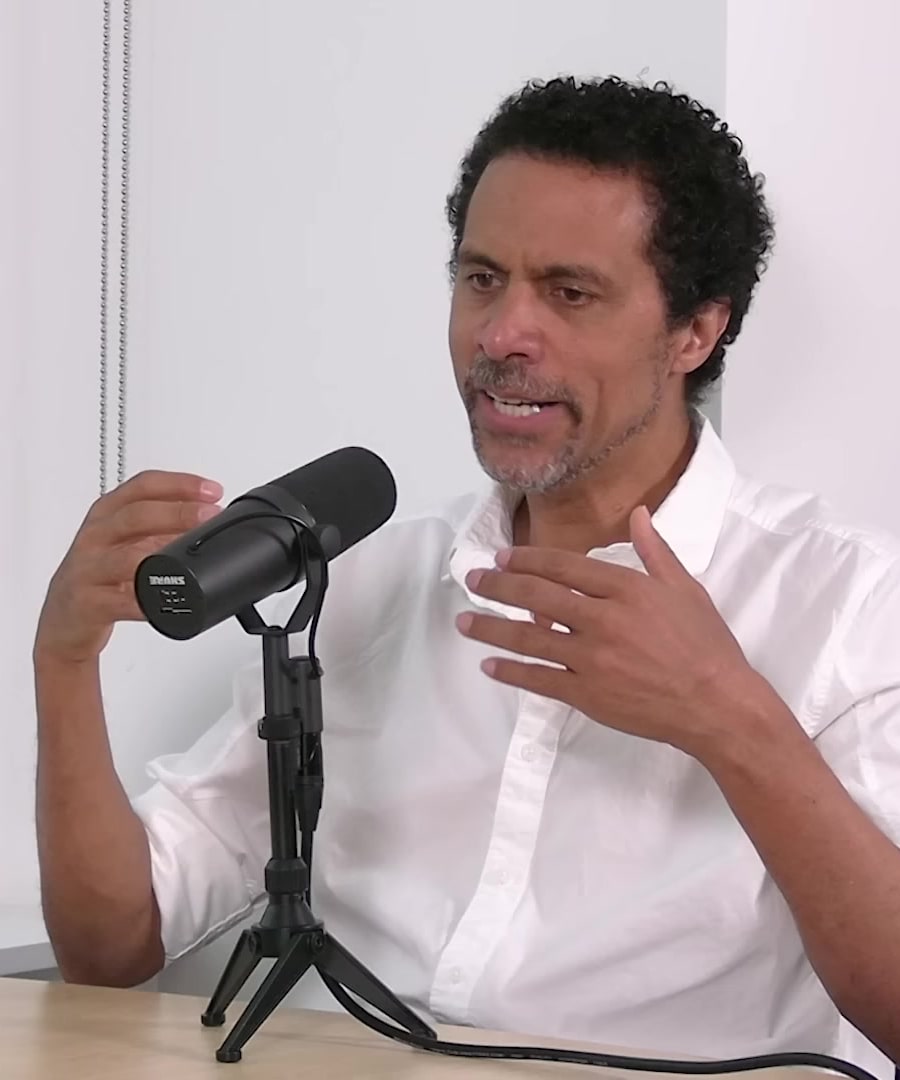
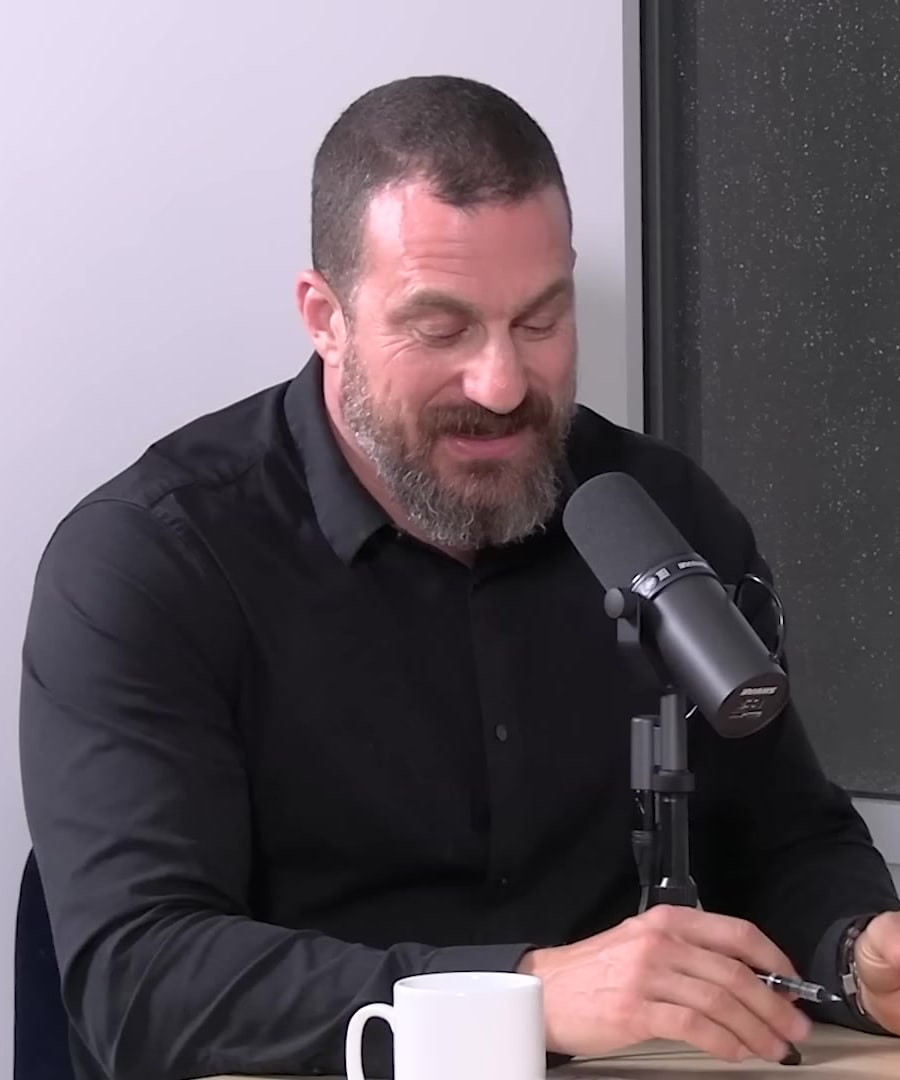

Questions from this episode
- Asked by 1,203 people
- Asked by 230 people
- Asked by 172 people
- Asked by 92 people
- Asked by 86 people
- Asked by 48 people
- Asked by 47 people
- Asked by 43 people
- Asked by 25 people
- Asked by 22 people
- Asked by 20 people
- Asked by 17 people
- Asked by 16 people
Episode Highlights
Dance & Communication
Dance serves as a powerful form of non-verbal communication, bridging the gap between movement and language. and discuss how dance allows for emotional bonding and effective communication, distinct from the semantic communication of spoken language 1. This form of expression taps into ancient brain circuits, originally used for singing, highlighting the deep connection between movement and cognitive processes 2.
The dance brain circuit inherited the more ancient part of the speech circuit, which was for singing.
---
Dancing not only enhances physical coordination but also stimulates cognitive functions, suggesting that engaging in dance can help maintain cognitive health 3.
Singing & Emotion
Singing and music evoke deep emotional responses, often transcending the boundaries of structured language. and explore how singing combines semantic and effective communication, using similar brain circuits to convey both meaning and emotion 4. This dual nature of singing suggests that language may have evolved from musical expressions, initially serving emotional and social functions before developing into complex speech 5.
It's possible to say I love you with intense hatred and to say I hate you with intense love.
---
The interplay between music and emotion underscores the importance of artistic expression in human communication and its potential evolutionary roots.
Dance & Genetics
Genetic factors may play a significant role in one's ability to dance and engage with music. shares insights from recent studies that suggest a coordination between performers and audiences at the neurological level, indicating a genetic predisposition to resonate with music and dance 6. This resonance might be linked to genetic markers associated with motor functions and musical abilities, as evidenced by 's own experiences and genetic data.
My genetics also show that I have a genetic substitute that makes it hard for me to sing on pitch.
---
Understanding these genetic influences could lead to a deeper appreciation of the innate and learned aspects of musical and dance talents.
Related Episodes


Ido Portal: The Science & Practice of Movement | Huberman Lab Podcast #77
Answers 383 questions
Dr. David Berson: Your Brain's Logic & Function | Huberman Lab Podcast #50
Answers 383 questionsHow to Use Music to Boost Motivation, Mood & Improve Learning | Huberman Lab Podcast
Answers 383 questionsThe Science of Hearing, Balance & Accelerated Learning | Huberman Lab Podcast #27
Answers 383 questions
Dr. Karl Deisseroth: Understanding & Healing the Mind | Huberman Lab Podcast #26
Answers 383 questionsThe Science of Setting & Achieving Goals | Huberman Lab Podcast #55
Answers 383 questionsWelcome to the Huberman Lab Podcast
Answers 383 questionsThe Science of Emotions & Relationships | Huberman Lab Podcast #13
Answers 383 questionsHow Your Nervous System Works & Changes | Huberman Lab Podcast #1
Answers 383 questionsNutrients For Brain Health & Performance | Huberman Lab Podcast #42
Answers 383 questionsUsing Failures, Movement & Balance to Learn Faster | Huberman Lab Podcast #7
Answers 383 questions