Dr. Jonathan Haidt: How Smartphones & Social Media Impact Mental Health & the Realistic Solutions

Topics covered
Popular Clips
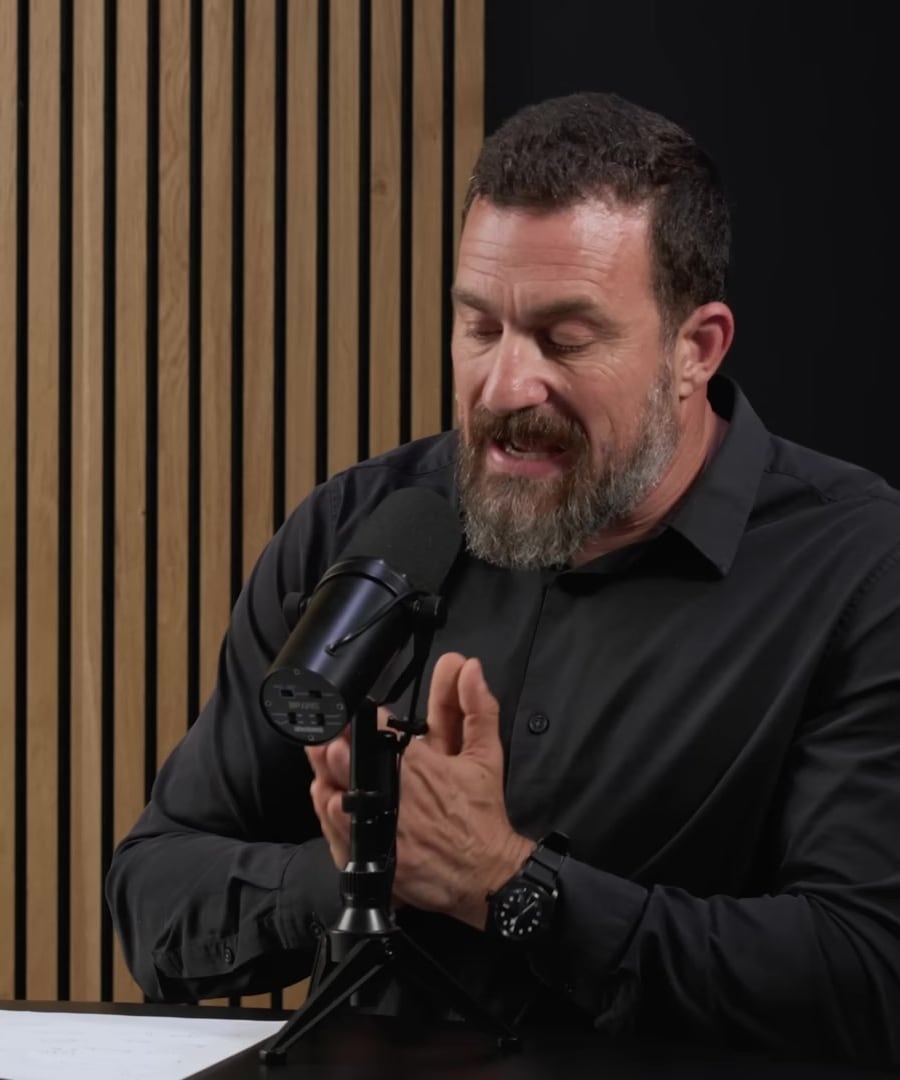




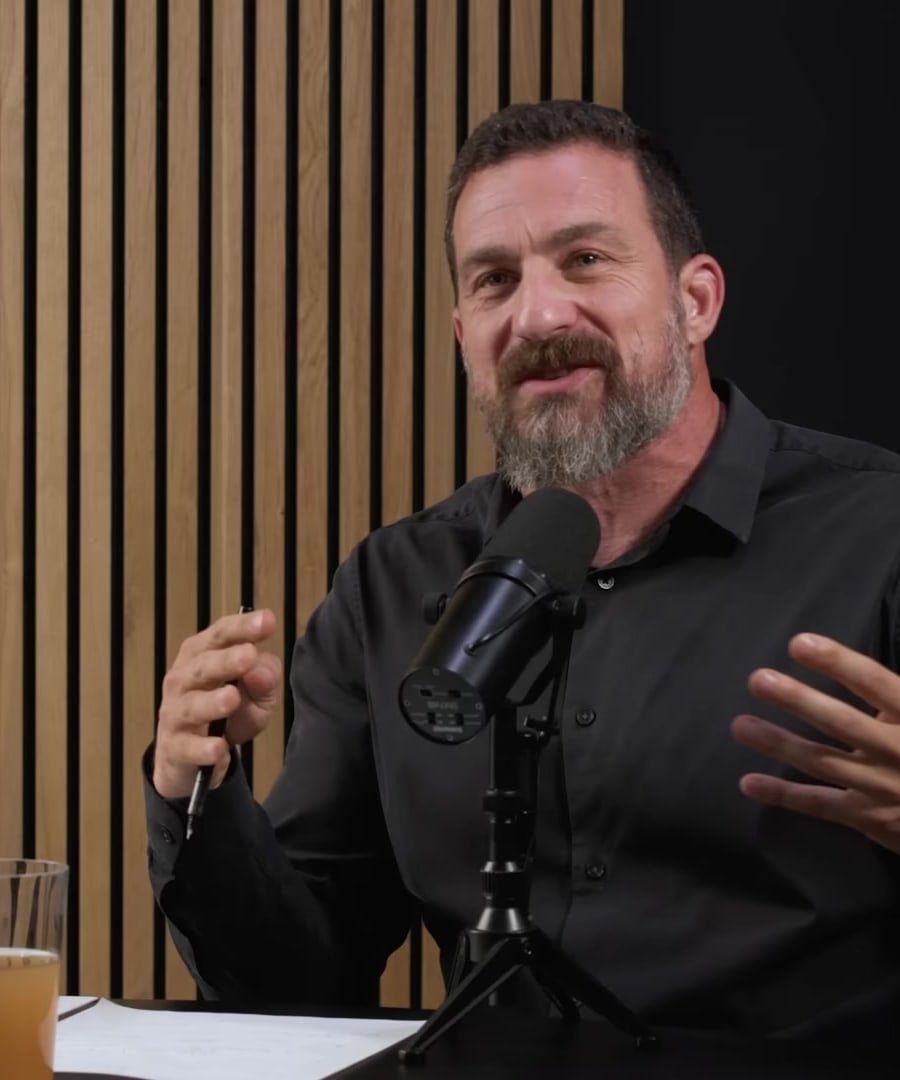

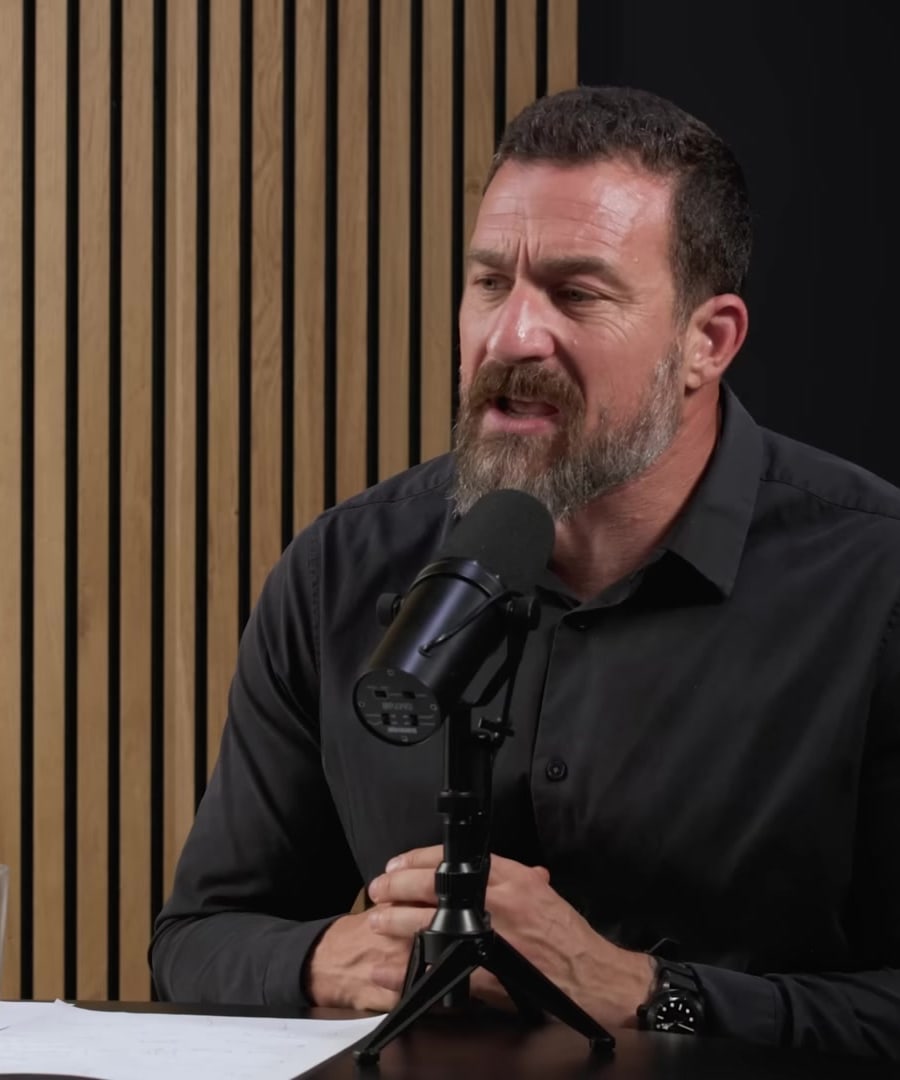

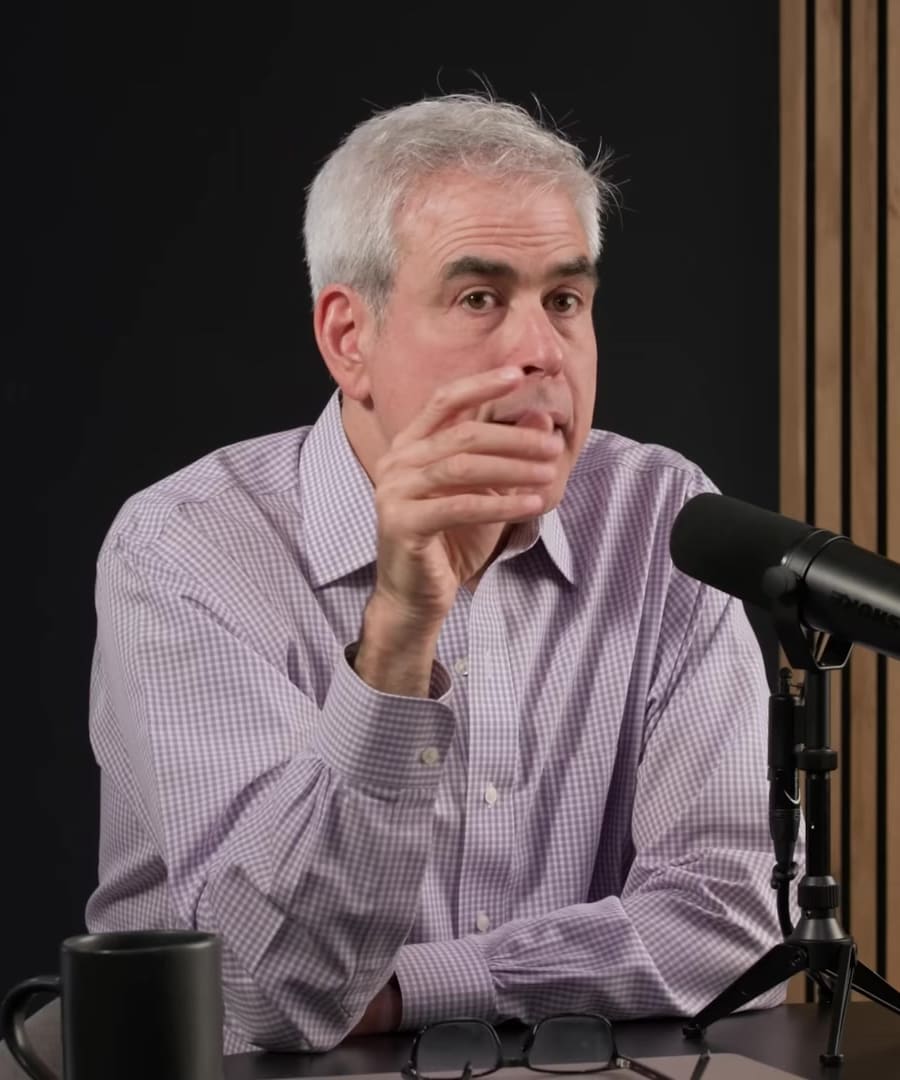
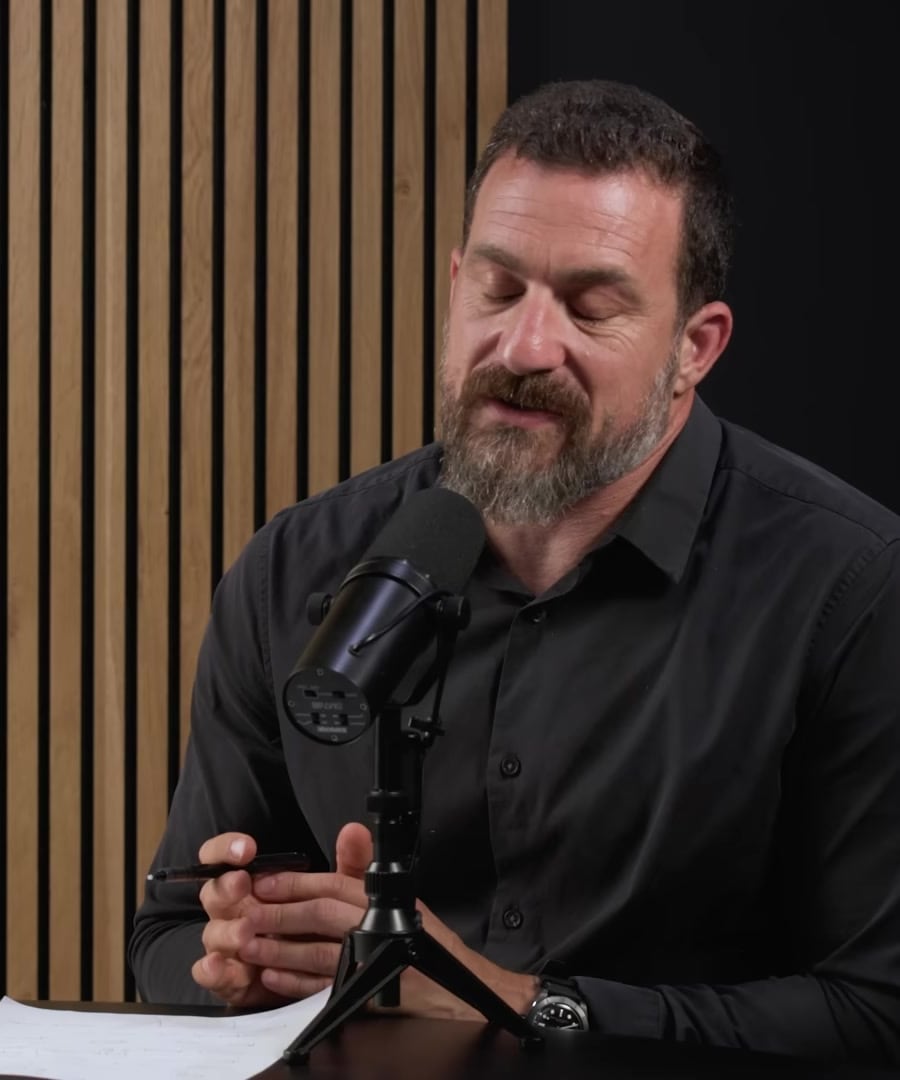
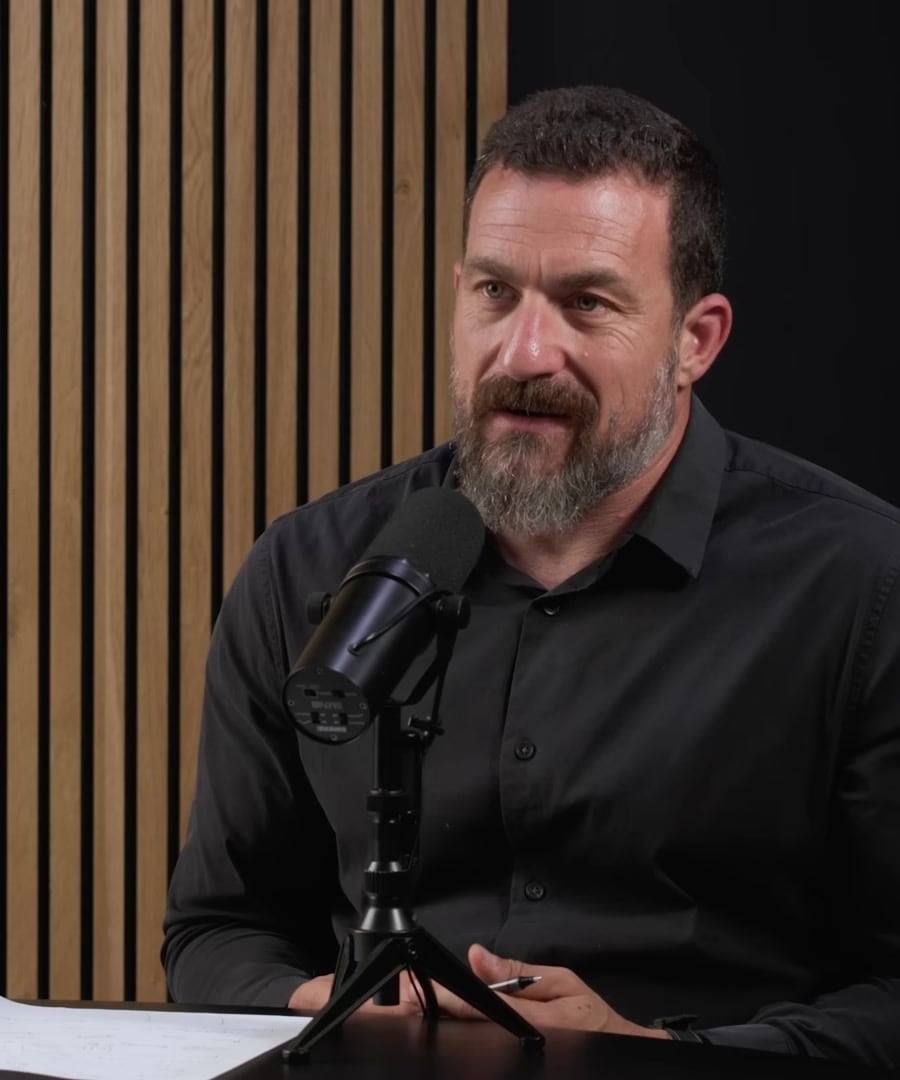

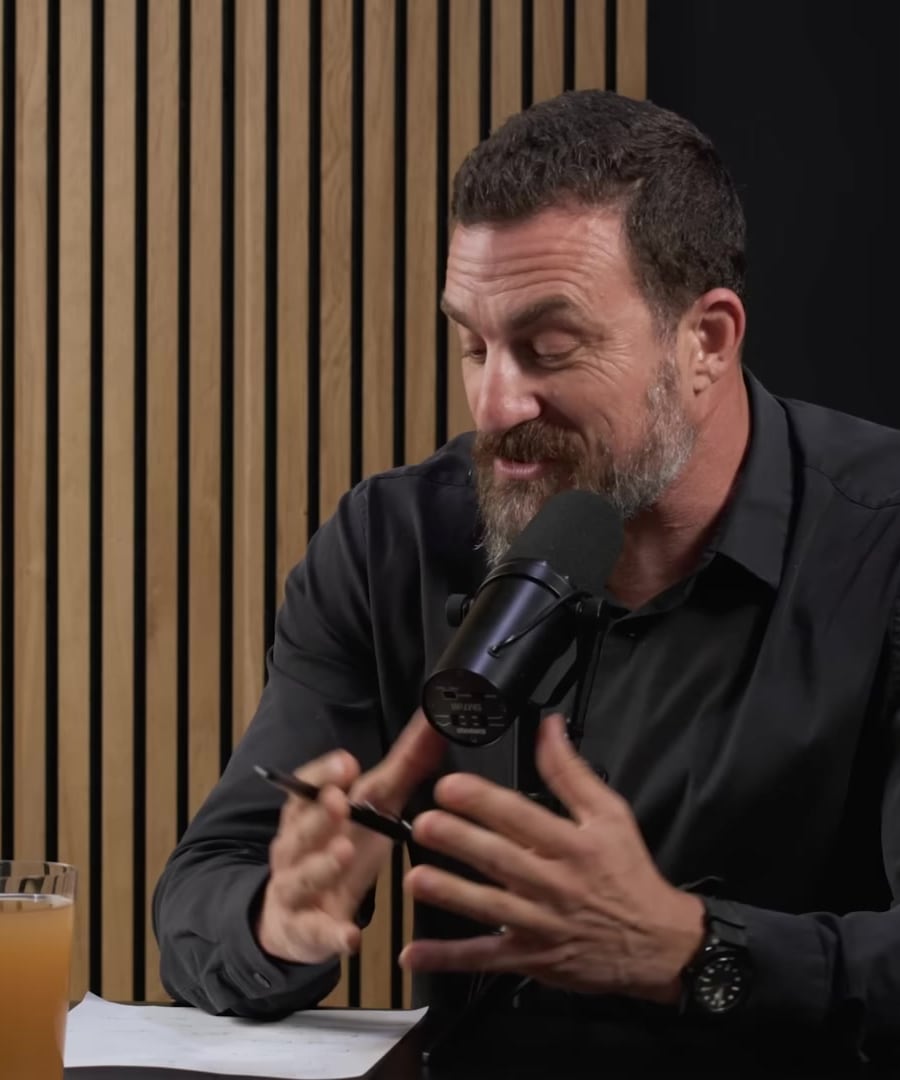
Questions from this episode
- Asked by 1,204 people
- Asked by 1,042 people
- Asked by 805 people
- Asked by 389 people
- Asked by 233 people
- Asked by 230 people
- Asked by 172 people
- Asked by 170 people
- Asked by 143 people
- Asked by 123 people
- Asked by 114 people
- Asked by 107 people
- Asked by 92 people
- Asked by 84 people
Episode Highlights
Dopamine Effects
The conversation between and highlights the impact of instant gratification from screens on the dopamine system. Andrew explains that high peaks of dopamine, achieved with minimal effort, can lead to addiction, as seen with substances like amphetamines and behaviors like pornography consumption 1. This rapid dopamine release creates a cycle of craving and dissatisfaction, reinforcing the behavior 2.
The more rapid the rise in dopamine, the bigger the crash in dopamine afterwards and the more miserable you feel afterwards.
---
Jonathan adds that this cycle can significantly alter sexual development during puberty, as boys exposed to pornography may experience changes in their social and hormonal development 2.
Brain Development
Sensitive periods in brain development are crucial times when the brain is particularly receptive to learning and forming identity. discusses how these periods, especially during puberty, are essential for cultural learning and identity formation 3. He notes that digital usage during these sensitive periods can disrupt normal development, potentially leading to long-term impacts on identity and social skills.
There's a period... early puberty, just before puberty, to sort of midway through puberty seems to be a sensitive period for cultural learning and for identity.
---
emphasizes that the neural circuits of children today may be "wired up wrong" due to excessive digital exposure, necessitating active efforts to redirect these circuits towards more adaptive behaviors 4.
Related Episodes

The Science of Emotions & Relationships | Huberman Lab Podcast #13
Answers 383 questions
Dr. Paul Conti: How to Improve Your Mental Health | Huberman Lab Guest Series
Answers 383 questionsDr. Paul Conti: Tools and Protocols for Mental Health | Huberman Lab Guest Series
Answers 383 questions
Dr. Karl Deisseroth: Understanding & Healing the Mind | Huberman Lab Podcast #26
Answers 383 questionsTools for Managing Stress & Anxiety | Huberman Lab Podcast #10
Answers 383 questionsUsing Play to Rewire & Improve Your Brain | Huberman Lab Podcast #58
Answers 383 questions
Dr. Allan Schore: How Relationships Shape Your Brain
Answers 383 questionsScience-Based Tools for Increasing Happiness | Huberman Lab Podcast #98
Answers 383 questions
Dr. Chris Palmer: Diet & Nutrition for Mental Health | Huberman Lab Podcast #99
Answers 383 questions