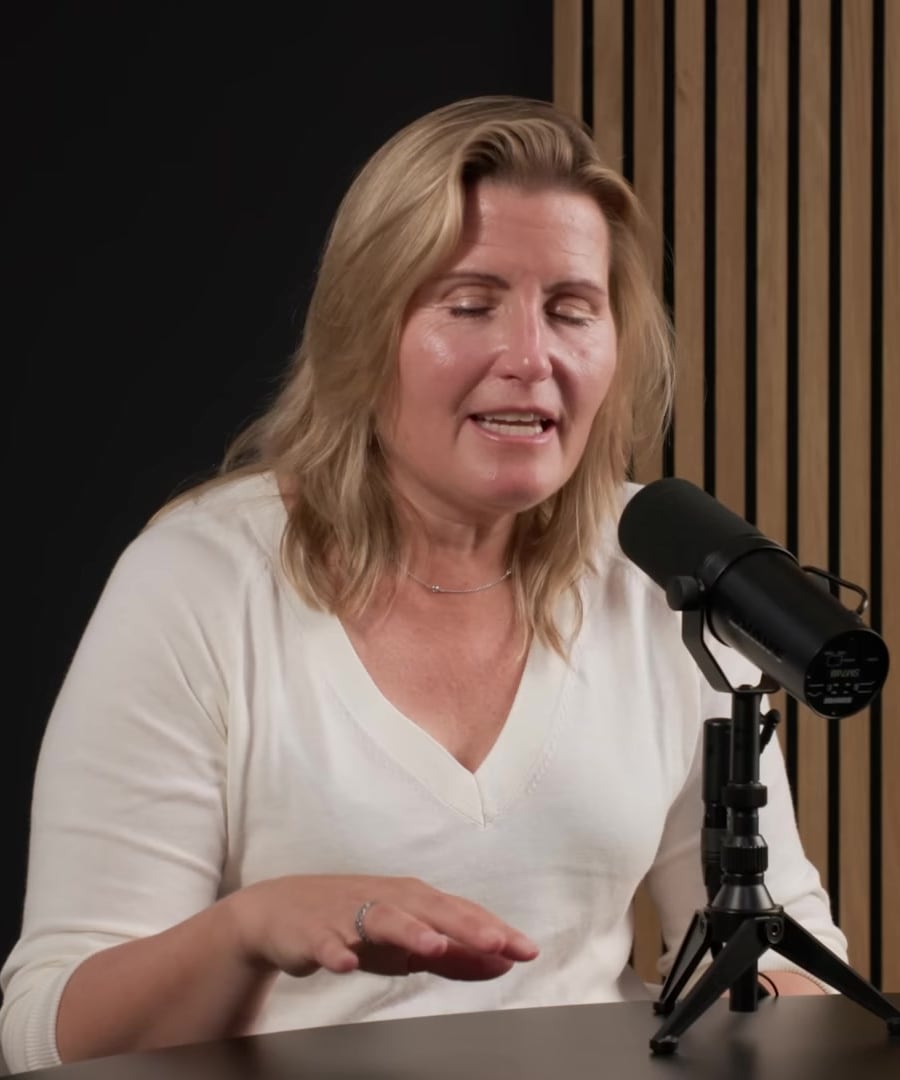
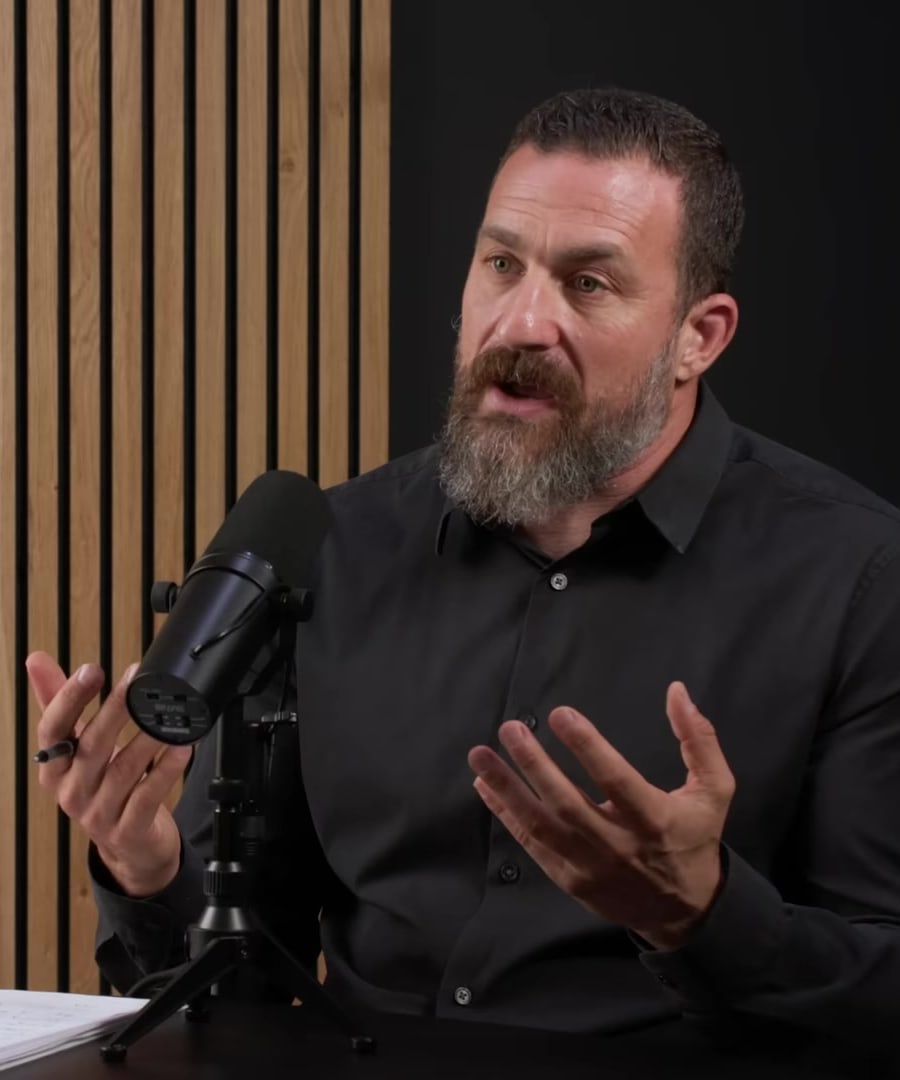
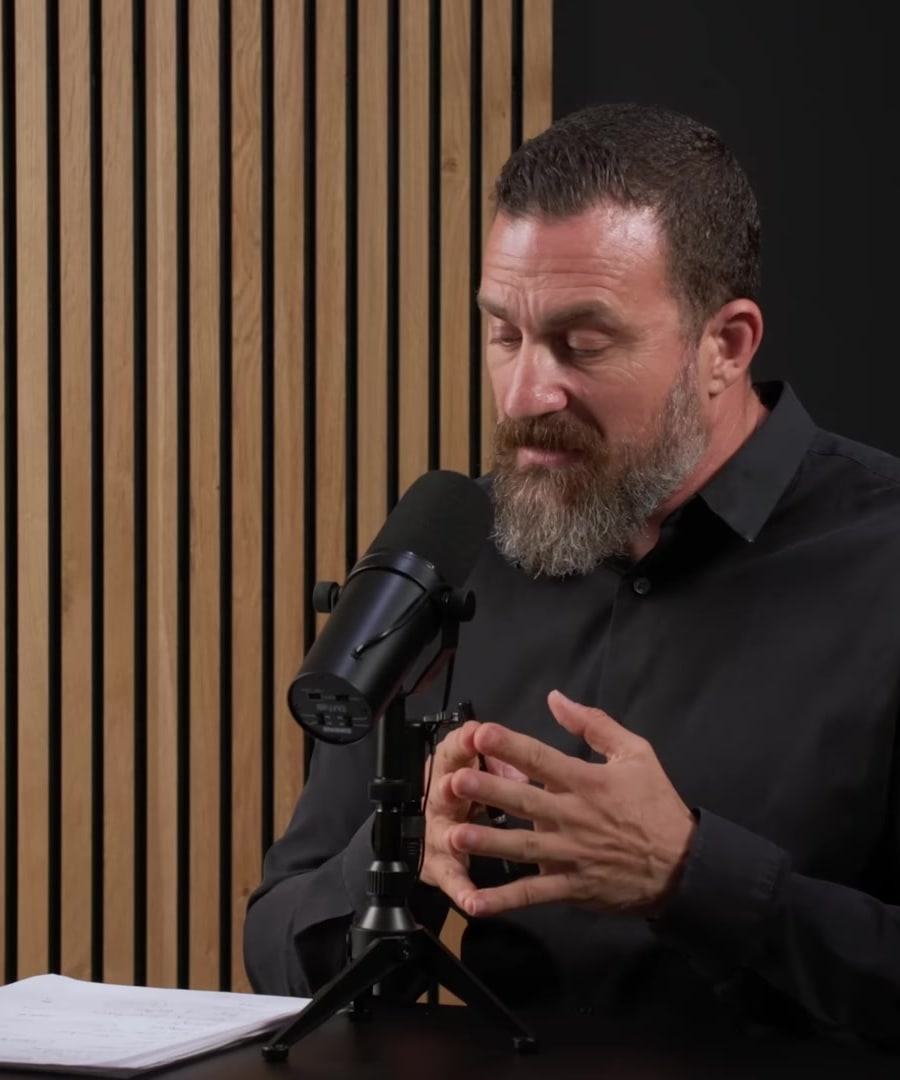
Dr. Karen Parker: The Causes & Treatments for Autism

Topics covered
Popular Clips








Questions from this episode
- Asked by 1,205 people
- Asked by 1,044 people
- Asked by 231 people
- Asked by 92 people
- Asked by 60 people
- Asked by 60 people
- Asked by 54 people
- Asked by 53 people
- Asked by 47 people
- Asked by 42 people
- Asked by 42 people
- Asked by 39 people
- Asked by 27 people
- Asked by 25 people
Episode Highlights
Oxytocin's Potential
The exploration of oxytocin as a treatment for autism has garnered significant interest due to its potential to enhance social behavior. explains that early studies focused on administering oxytocin to males with autism, as they were considered safer subjects due to the absence of certain physiological effects like milk let-down 1. highlights the urgency parents feel in seeking treatments, noting that oxytocin has shown relative safety in pediatric populations 2.
The tricky part is, I don't know, there's physicians that really pay attention to clinical trials, and if they don't see a benefit, they may not be willing to write the prescription.
---
Despite its safety, the effectiveness of oxytocin varies, and more research is needed to identify which children might benefit most from this treatment.
Social Bonding
Oxytocin plays a crucial role in social bonding and behavior, influencing both humans and animals. shares that oxytocin is not a definitive marker for autism but is linked to social difficulties, suggesting its role in social cognition and bonding 3. The hormone's influence extends to maternal bonding, where it is released during childbirth and lactation, fostering connections between mother and child 4.
The lower your blood oxytocin levels, the greater your sort of social difficulties.
---
Understanding oxytocin's role could lead to targeted therapies that address social deficits in autism and beyond.
Related Episodes


Using Stem Cells to Cure Autism, Epilepsy & Schizophrenia | Dr. Sergiu Pașca
Answers 383 questions
Dr. Karl Deisseroth: Understanding & Healing the Mind | Huberman Lab Podcast #26
Answers 383 questions
Dr. Kay Tye: The Biology of Social Interactions and Emotions
Answers 383 questionsThe Science & Treatment of Bipolar Disorder | Huberman Lab Podcast #82
Answers 383 questions
Dr. Paul Conti: Tools and Protocols for Mental Health | Huberman Lab Guest Series
Answers 383 questionsHow to Optimize Your Brain-Body Function & Health | Huberman Lab Podcast #30
Answers 383 questions
Dr. Natalie Crawford: Female Hormone Health, Fertility & Vitality
Answers 383 questions
Dr. Lisa Feldman Barrett: How to Understand Emotions | Huberman Lab Podcast
Answers 383 questions