How to Control Your Cortisol & Overcome Burnout

Topics covered
Popular Clips
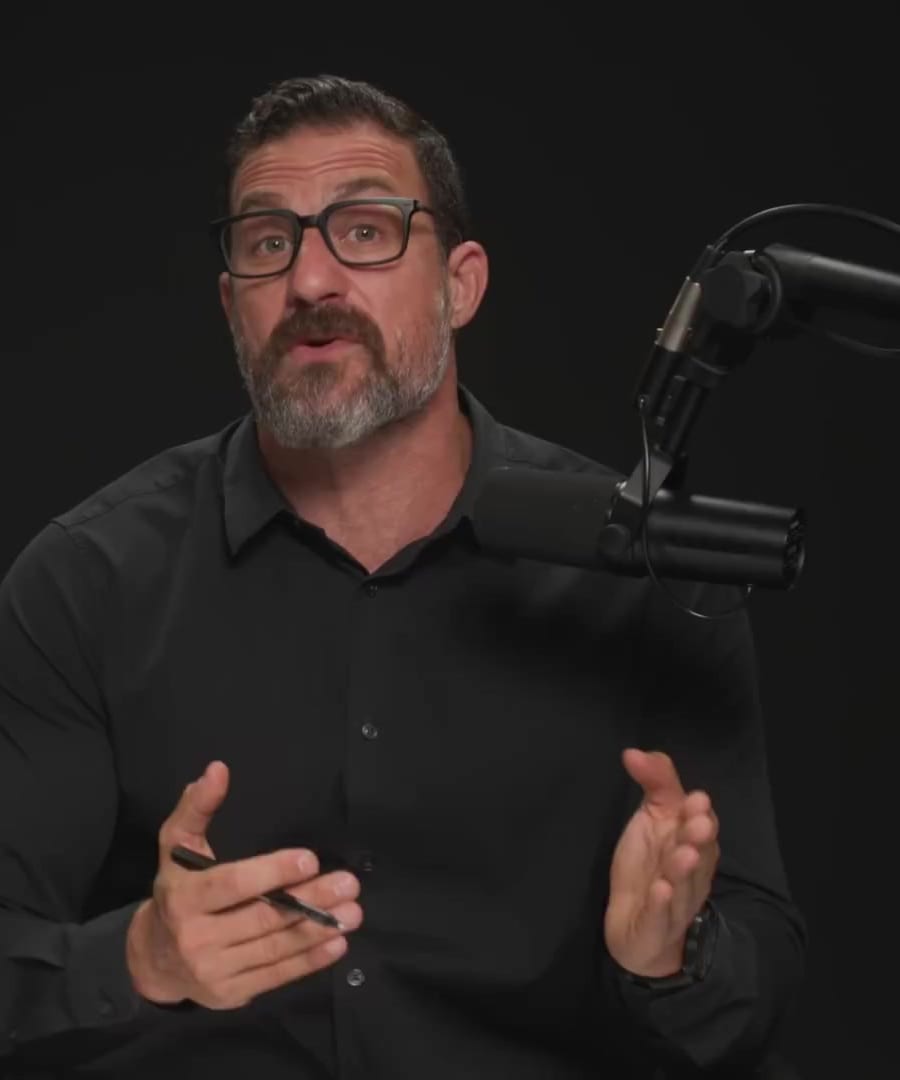


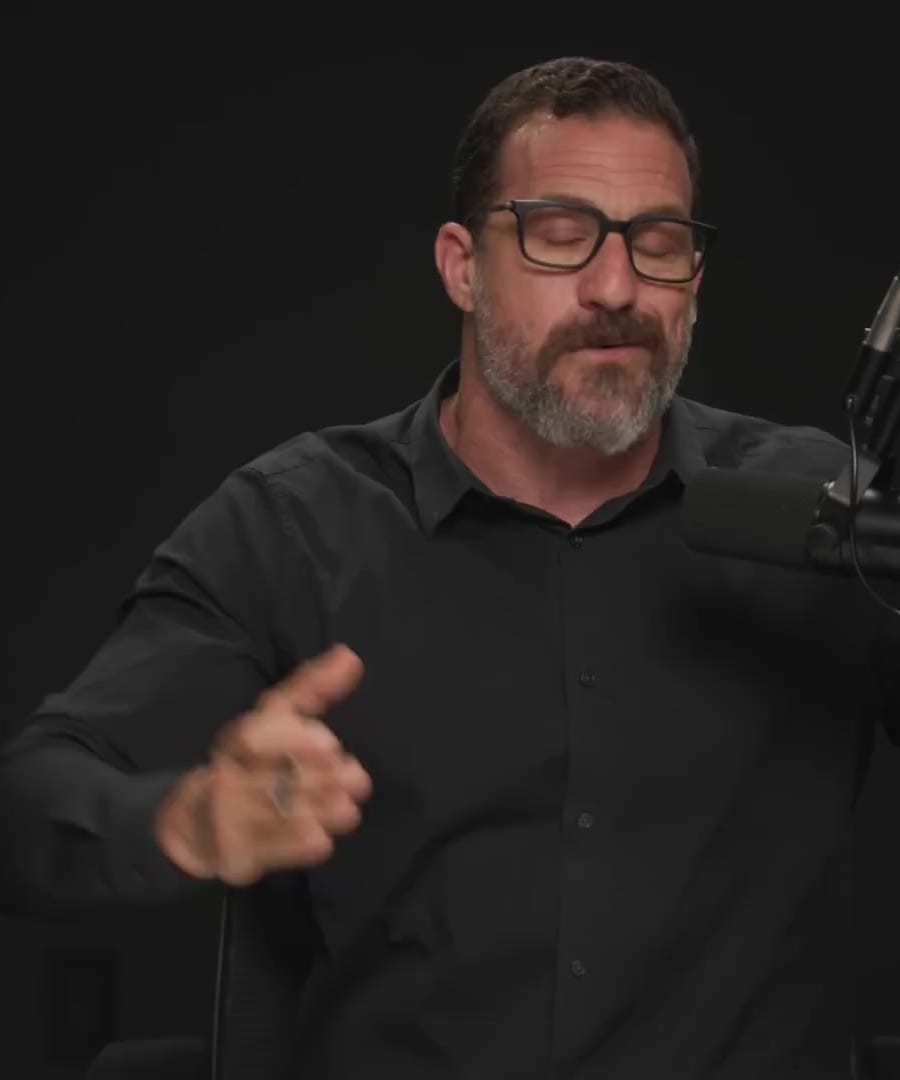


Episode Highlights
Morning Boost
emphasizes the importance of boosting morning cortisol to enhance energy and alertness. He suggests starting the day with proper hydration and electrolytes, which are crucial for optimal brain and body function. Grapefruit and black licorice are also recommended for their ability to extend the life of cortisol, thus increasing morning energy levels 1 2. explains, "Cortisol is kind of like a wave that starts on its own, but for which you can increase the height of that wave and catch that wave early in the day and into the afternoon."
Cortisol is kind of like a wave that starts on its own, but for which you can increase the height of that wave and catch that wave early in the day and into the afternoon.
---
These strategies are part of a larger toolkit to ensure flexibility in maintaining high morning cortisol levels, especially when regular routines are disrupted 3.
Evening Management
Managing evening cortisol is crucial for relaxation and quality sleep. advises reducing light exposure, especially from overhead lights, to prevent cortisol spikes that can disrupt sleep 4. He also recommends avoiding caffeine in the late afternoon to ensure cortisol levels decrease appropriately 5. "It's very easy to create increases in cortisol because your endogenous, your circadian levels of cortisol are so low," he notes, highlighting the need for careful evening routines.
It's very easy to create increases in cortisol because your endogenous, your circadian levels of cortisol are so low.
---
Supplements like ashwagandha and magnesium are suggested to further aid in lowering evening cortisol levels 6.
Control Mechanisms
Cortisol production and regulation are intricately controlled by brain regions like the suprachiasmatic nucleus (SCN), which acts as the central circadian pacemaker. explains that the SCN orchestrates the body's activities, ensuring cortisol peaks in the morning and declines by evening 7. "The HPA axis is under the control of the SCN circadian timing," he says, emphasizing the importance of maintaining this rhythm.
The HPA axis is under the control of the SCN circadian timing.
---
Proper cortisol rhythm is linked to improved cognition and stress regulation, as disruptions can lead to cognitive decline and stress mismanagement 8.
Related Episodes

Tools for Managing Stress & Anxiety | Huberman Lab Podcast #10
Answers 383 questionsMaster Your Sleep & Be More Alert When Awake | Huberman Lab Podcast #2
Answers 383 questionsUsing Science to Optimize Sleep, Learning & Metabolism | Huberman Lab Podcast #3
Answers 383 questionsUsing Caffeine to Optimize Mental & Physical Performance | Huberman Lab Podcast 101
Answers 383 questionsHow Our Hormones Control Our Hunger, Eating & Satiety | Huberman Lab Podcast #16
Answers 383 questionsHow Foods and Nutrients Control Our Moods | Huberman Lab Podcast #11
Answers 383 questions