

What Alcohol Does to Your Body, Brain & Health | Huberman Lab Podcast #86

Topics covered
Popular Clips
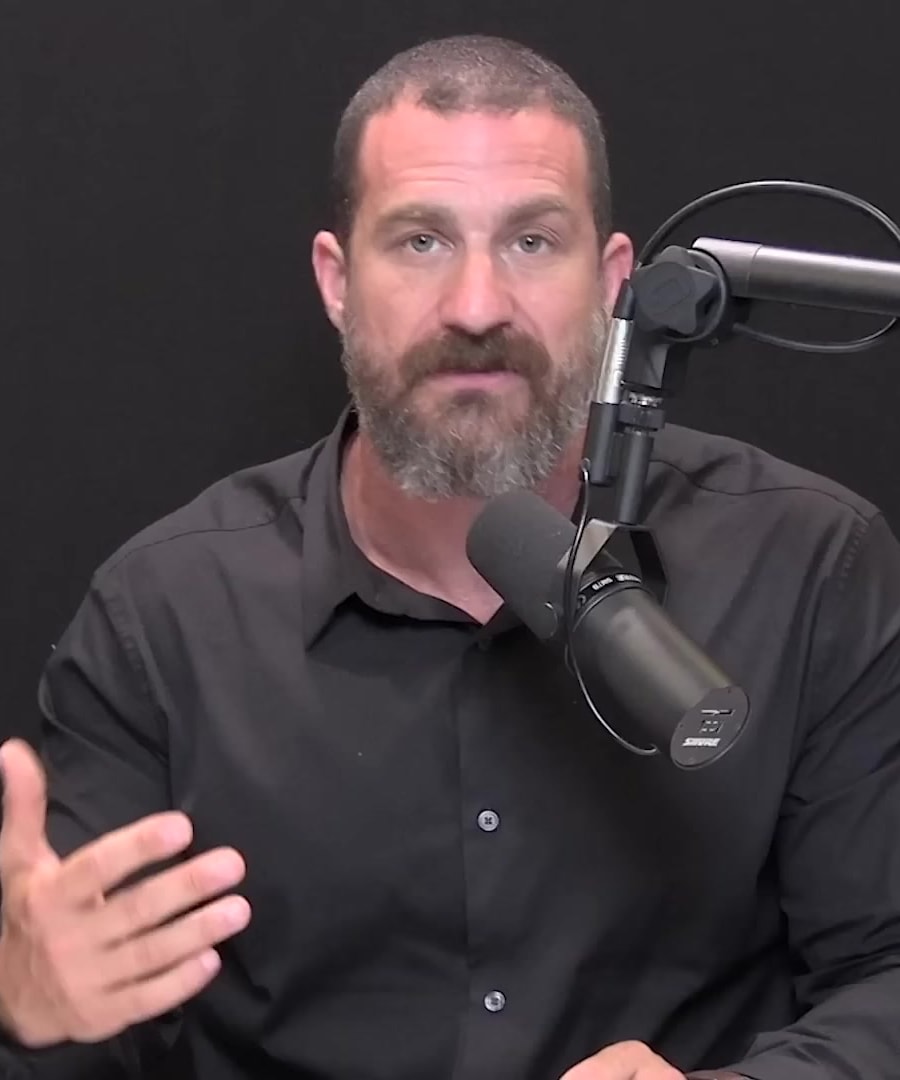





Questions from this episode
- Asked by 2,490 people
- Asked by 1,301 people
- Asked by 1,240 people
- Asked by 559 people
- Asked by 336 people
- Asked by 245 people
- Asked by 210 people
- Asked by 210 people
- Asked by 192 people
- Asked by 178 people
- Asked by 159 people
- Asked by 141 people
- Asked by 116 people
- Asked by 115 people
- Asked by 108 people
Episode Highlights
Memory
Alcohol significantly disrupts memory formation, leading to phenomena like blackouts, where individuals engage in activities without recalling them later. explains that during such episodes, the hippocampus, crucial for memory, is inactive, causing a complete memory lapse despite the person being awake and active 1. This memory disruption is linked to alcohol's effect on the brain's prefrontal cortex, which initially shuts down, impairing judgment and memory control 2.
Many people think that blacking out is passing out, but blackout drunk is when people drink and they're talking and doing things, sometimes, sadly or tragically, they'll often drive home or walk home.
---
Understanding these effects is crucial for recognizing the risks associated with alcohol consumption and potential predispositions to alcoholism.
Mood
Alcohol consumption significantly impacts mood by altering serotonin levels, initially causing a temporary mood boost followed by a decline. describes how alcohol's conversion into acetaldehyde disrupts serotonin pathways, leading to mood fluctuations and increased impulsivity 3. This disruption can result in a cycle of drinking to regain the initial mood elevation, often seen in individuals with a genetic predisposition to alcoholism 4.
Alcohol, when we ingest it and it's converted into acetaldehyde, it goes and that acetaldehyde acts as a toxin at the very synapses, the connections between these serotonergic neurons and lots of other neurons.
---
These mood alterations highlight the complex relationship between alcohol and mental health.
Neurodegeneration
Even low to moderate alcohol consumption poses a risk for neurodegeneration, reducing brain thickness and affecting cognitive functions. cites studies showing that alcohol consumption correlates with a decrease in cortical thickness and gray matter volume, even at low levels 5. This shrinkage impacts areas responsible for memory and decision-making, emphasizing the importance of minimizing alcohol intake to protect brain health 6.
A few other things about alcohol and health. At the beginning of the episode, I referenced a study showing that indeed not just heavy alcohol consumption of 12 to 24 or more drinks per week, but also light to moderate alcohol consumption of any type, wine, beer, spirits, etc., does reduce the thickness of the brain.
---
These findings underscore the potential long-term cognitive risks associated with alcohol.
Related Episodes

The Effects of Cannabis (Marijuana) on the Brain & Body | Huberman Lab Podcast #92
Answers 383 questionsNutrients For Brain Health & Performance | Huberman Lab Podcast #42
Answers 383 questionsHow to Optimize Your Brain-Body Function & Health | Huberman Lab Podcast #30
Answers 383 questionsHow to Optimize Your Water Quality & Intake for Health | Huberman Lab Podcast
Answers 383 questions
Dr. Gary Steinberg: How to Improve Brain Health & Offset Neurodegeneration
Answers 383 questionsHow To Build Endurance In Your Brain & Body | Huberman Lab Podcast #23
Answers 383 questionsUsing Caffeine to Optimize Mental & Physical Performance | Huberman Lab Podcast 101
Answers 383 questionsHow to Use Music to Boost Motivation, Mood & Improve Learning | Huberman Lab Podcast
Answers 383 questions
Dr. David Berson: Your Brain's Logic & Function | Huberman Lab Podcast #50
Answers 383 questionsHow Your Nervous System Works & Changes | Huberman Lab Podcast #1
Answers 383 questionsThe Science of Emotions & Relationships | Huberman Lab Podcast #13
Answers 383 questions