The Science & Treatment of Obsessive Compulsive Disorder (OCD) | Huberman Lab Podcast #78

Topics covered
Popular Clips
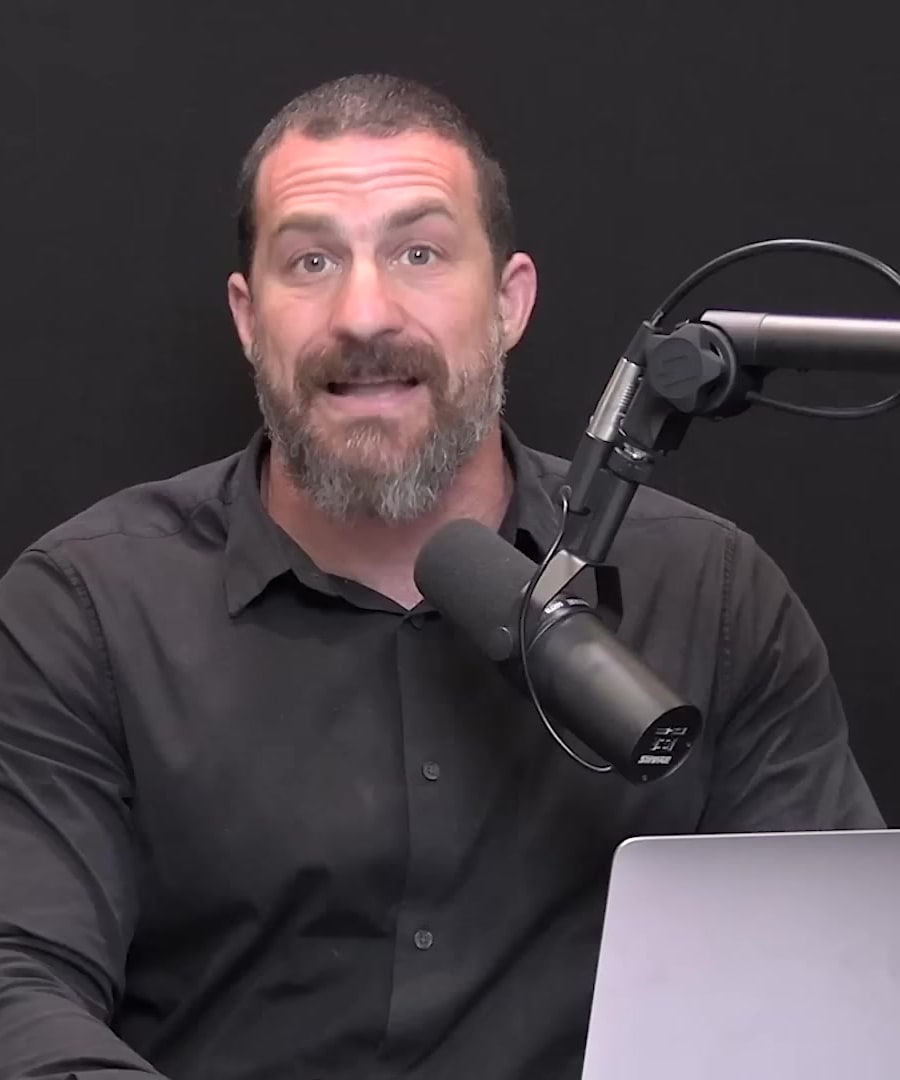
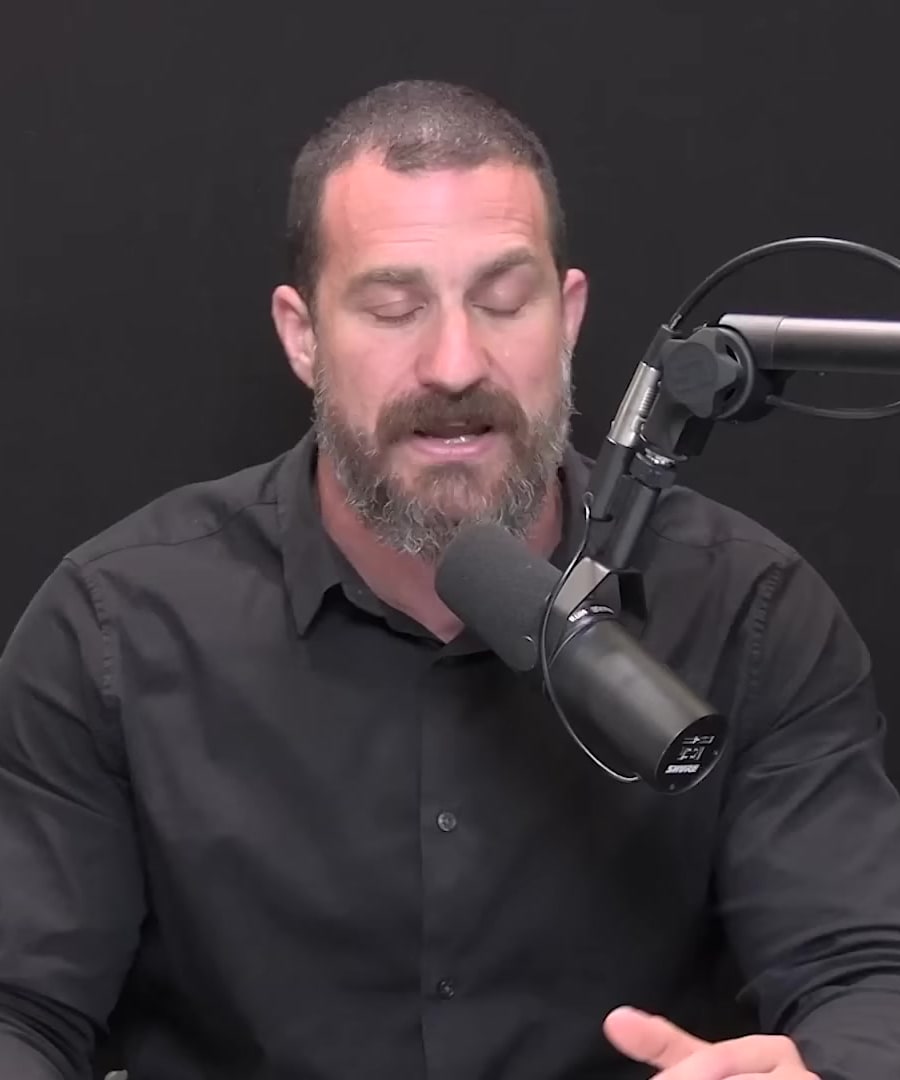
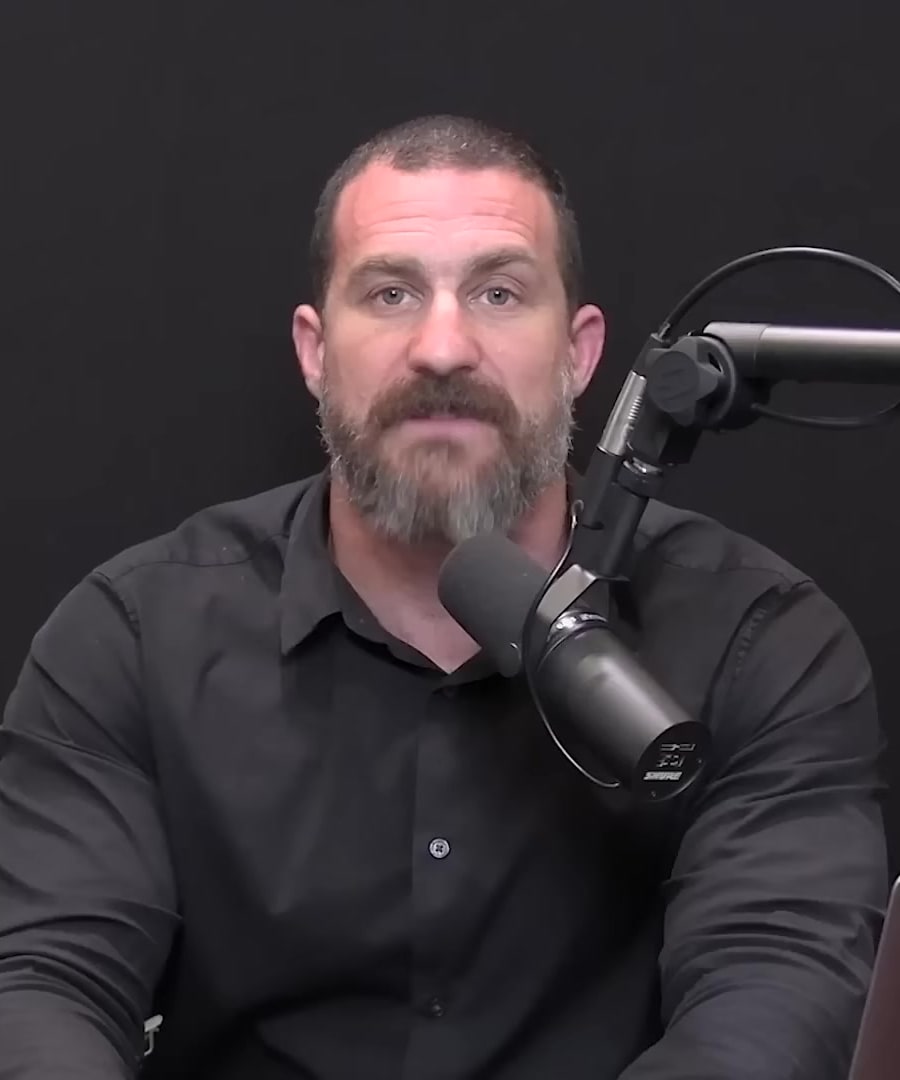
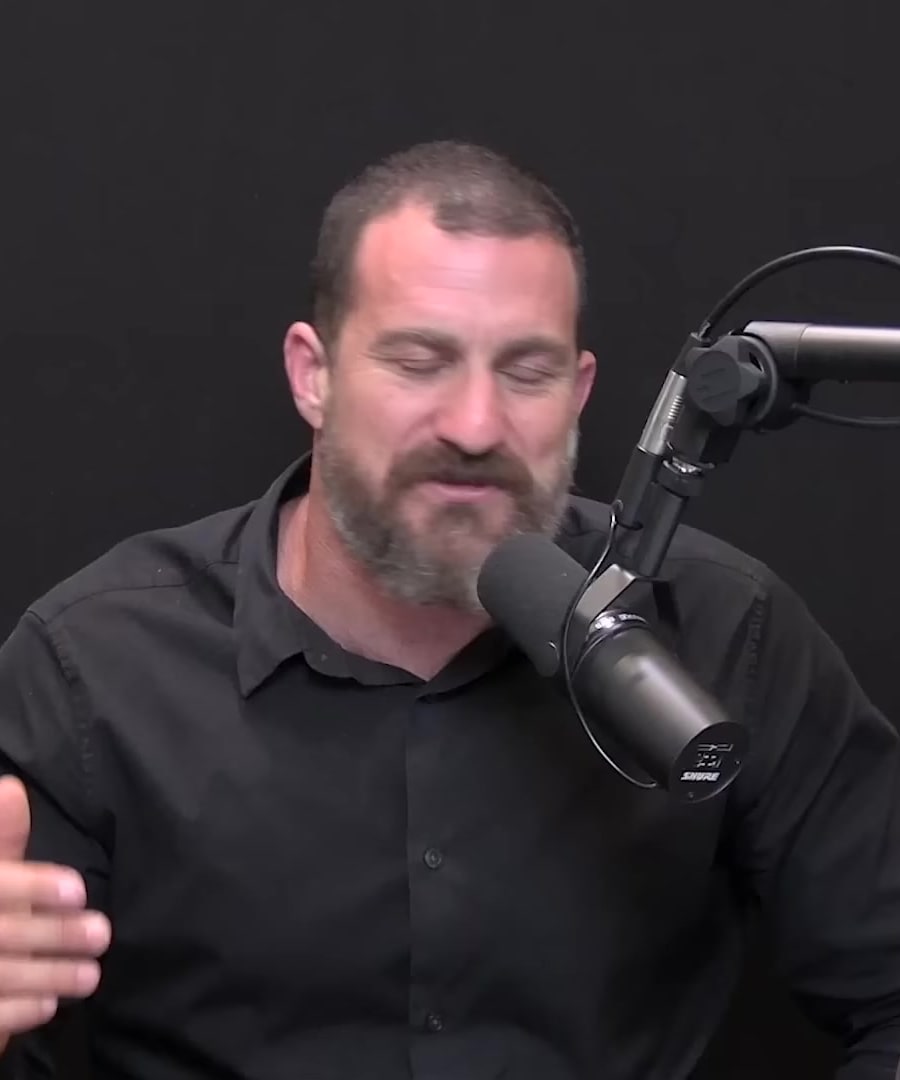
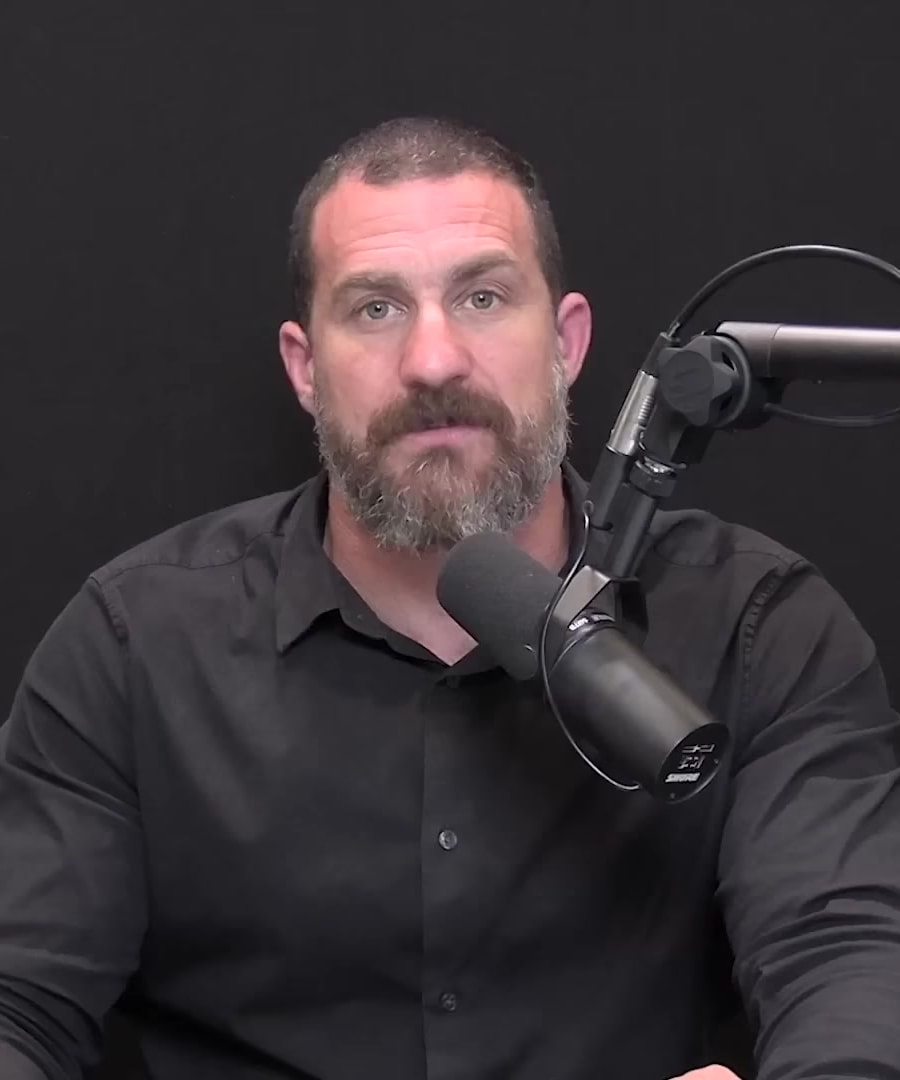
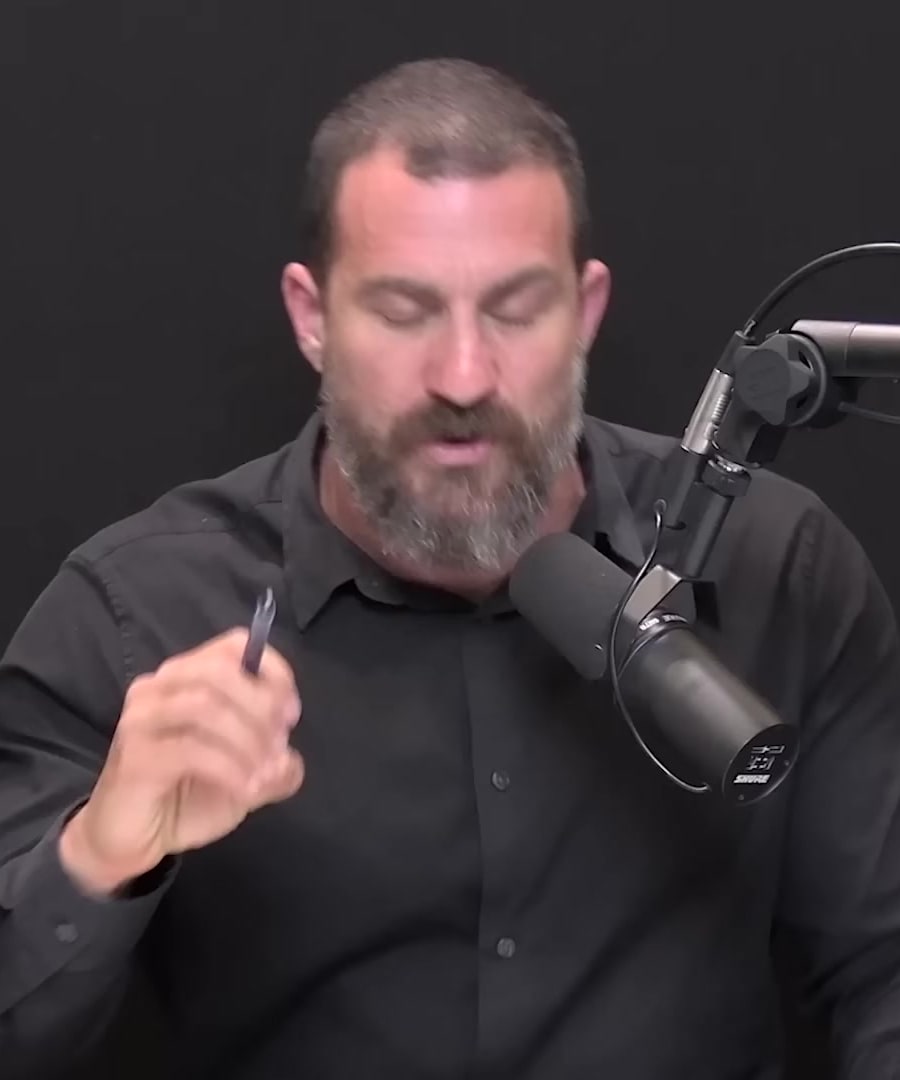
Questions from this episode
- Asked by 1,206 people
- Asked by 523 people
- Asked by 450 people
- Asked by 332 people
- Asked by 231 people
- Asked by 213 people
- Asked by 172 people
- Asked by 127 people
- Asked by 114 people
- Asked by 101 people
- Asked by 92 people
- Asked by 69 people
- Asked by 67 people
- Asked by 62 people
Episode Highlights
SSRIs & CBT
Selective serotonin reuptake inhibitors (SSRIs) are commonly prescribed for OCD, but they are not always effective for everyone. explains that while SSRIs can reduce OCD symptoms, many patients do not respond to them or cognitive behavioral therapy (CBT) alone. He emphasizes the importance of combining treatments, noting that adding CBT to an existing SSRI regimen can further alleviate symptoms 1.
Drug treatments seem less powerful though. If you're already on a drug treatment, adding cognitive behavioral therapy can really help.
---
Huberman also highlights the role of neuromodulators like dopamine and serotonin in influencing brain circuits, which can impact the effectiveness of these treatments 2.
Experimental Options
Experimental treatments for OCD, such as ketamine and cannabis, are gaining attention in the research community. discusses ketamine's potential, noting its action on the glutamate system and its use in treating trauma and depression. However, he cautions that more extensive clinical trials are needed to confirm its efficacy for OCD 3.
Ketamine therapy, the jury is still out, psilocybin, The jury is still out. These are early days.
---
Cannabis, another explored option, shows limited acute impact on OCD symptoms, despite some anecdotal reports of anxiety reduction 4.
Related Episodes

The Science & Treatment of Bipolar Disorder | Huberman Lab Podcast #82
Answers 383 questionsThe Science of Making & Breaking Habits | Huberman Lab Podcast #53
Answers 383 questionsUnderstanding & Conquering Depression | Huberman Lab Podcast #34
Answers 383 questions
Dr. Karl Deisseroth: Understanding & Healing the Mind | Huberman Lab Podcast #26
Answers 383 questionsThe Science of Emotions & Relationships | Huberman Lab Podcast #13
Answers 383 questionsTools for Managing Stress & Anxiety | Huberman Lab Podcast #10
Answers 383 questionsThe Science of Setting & Achieving Goals | Huberman Lab Podcast #55
Answers 383 questionsUnderstand & Improve Memory Using Science-Based Tools | Huberman Lab Podcast #72
Answers 383 questionsHow to Stop Headaches Using Science-Based Approaches | Huberman Lab Podcast
Answers 383 questionsThe Science of How to Optimize Testosterone & Estrogen | Huberman Lab Podcast #15
Answers 383 questionsADHD & How Anyone Can Improve Their Focus | Huberman Lab Podcast #37
Answers 383 questions