Dr. Robert Sapolsky: Science of Stress, Testosterone & Free Will | Huberman Lab Podcast #35

Topics covered
Popular Clips
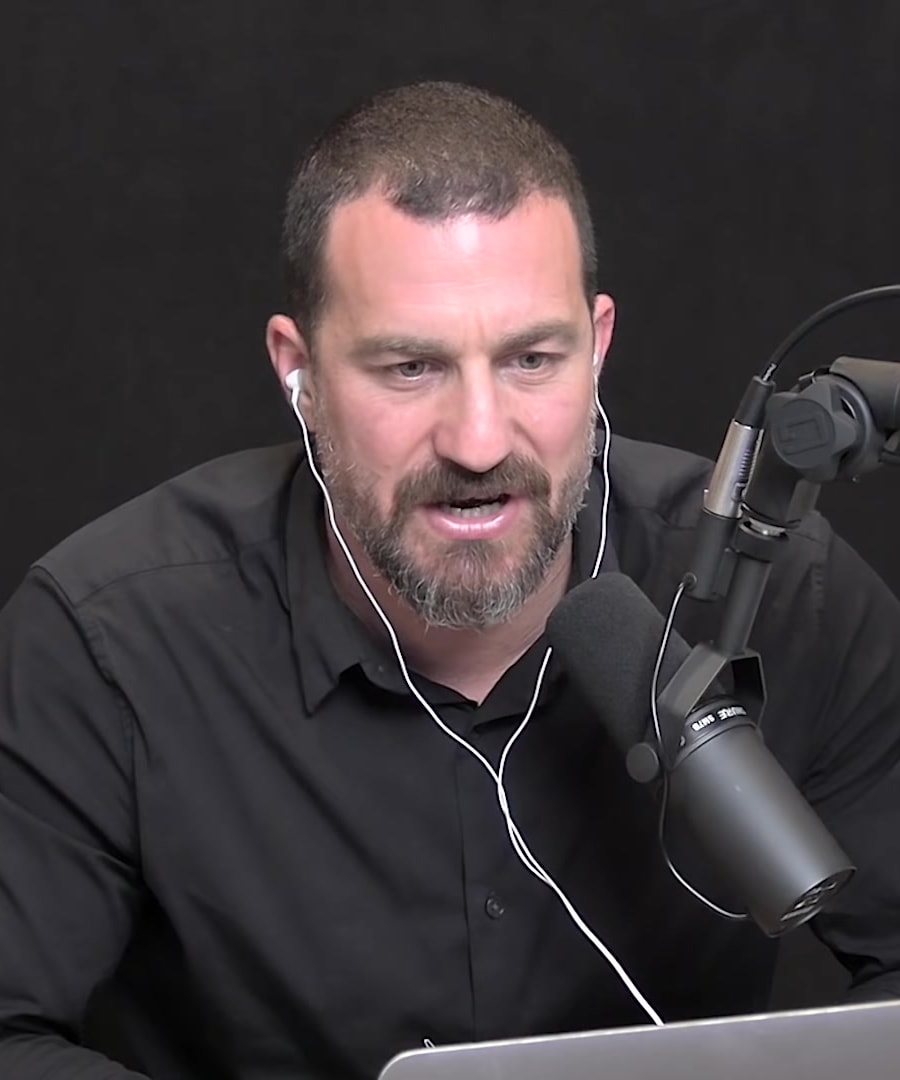


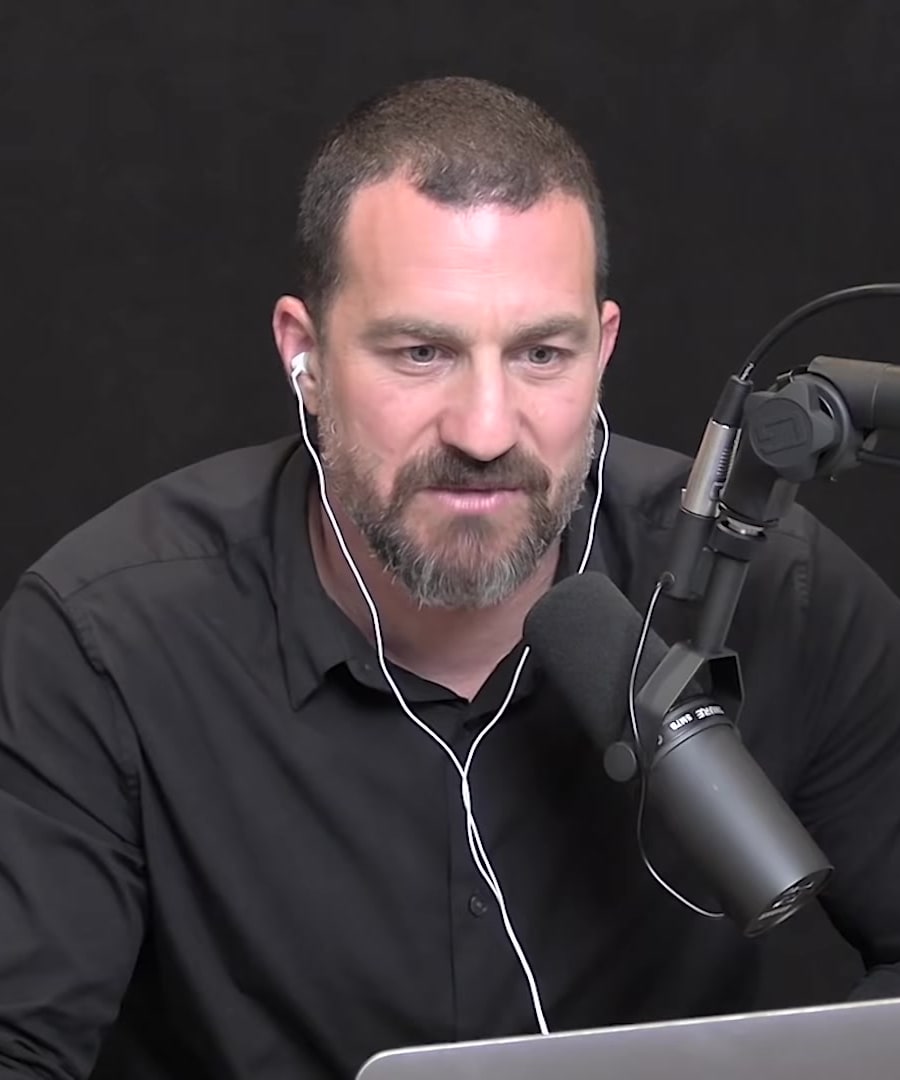

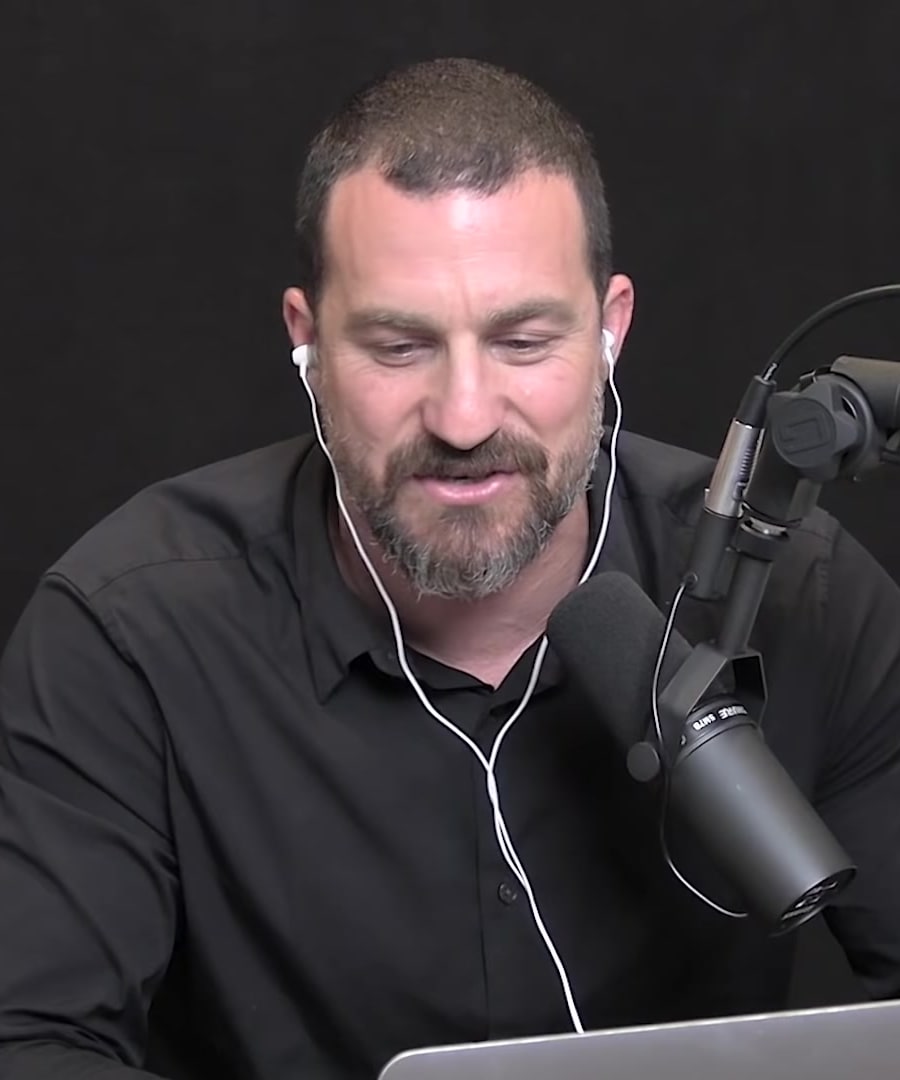
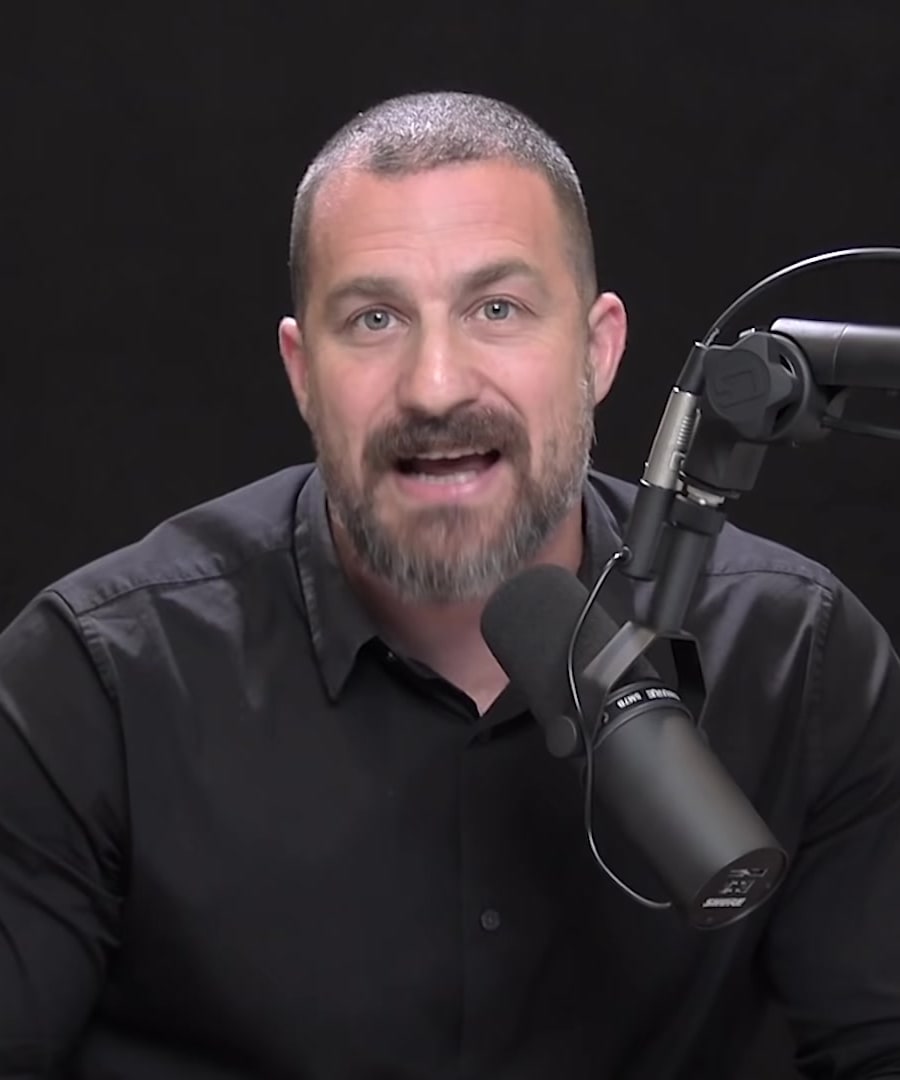





Questions from this episode
- Asked by 3,979 people
- Asked by 1,042 people
- Asked by 667 people
- Asked by 378 people
- Asked by 272 people
- Asked by 257 people
- Asked by 188 people
- Asked by 163 people
- Asked by 156 people
- Asked by 141 people
- Asked by 109 people
- Asked by 106 people
- Asked by 101 people
- Asked by 89 people
Episode Highlights
Aggression
clarifies that testosterone does not directly cause aggression, contrary to popular belief. Instead, it lowers the threshold for aggressive responses, amplifying pre-existing tendencies rather than creating new ones 1. This nuanced understanding is crucial, as it shifts the focus from testosterone as a cause to its role as an enhancer of existing behaviors 2.
Testosterone does no such thing, it doesn't cause aggression. It lowers the threshold for the sort of things that would normally provoke you into being so that it happens more easily.
---
and Robert discuss how this hormone's effect on the amygdala supports this view, as it increases the rate of neuronal firing in response to stimuli rather than initiating aggression 1.
Behavior
Testosterone's influence extends beyond aggression, impacting motivation and social interactions. explains that testosterone increases energy, alertness, and motivation, aligning closely with dopamine's role in goal-directed behavior 3. This relationship underscores how testosterone can enhance one's drive and focus, whether for positive or negative actions.
Testosterone, within minutes, increases glucose uptake into skeletal muscle. You're just more awake and alert and all of that.
---
Additionally, notes that testosterone's effect on social status is more about amplifying existing social behaviors rather than causing new ones, reflecting its role as a modulator rather than a creator of behavior 4.
Related Episodes

The Science of How to Optimize Testosterone & Estrogen | Huberman Lab Podcast #15
Answers 383 questionsTools for Managing Stress & Anxiety | Huberman Lab Podcast #10
Answers 383 questionsUnderstanding & Controlling Aggression | Huberman Lab Podcast #71
Answers 383 questionsThe Science of Emotions & Relationships | Huberman Lab Podcast #13
Answers 383 questionsHow to Increase Your Willpower & Tenacity | Huberman Lab Podcast
Answers 383 questionsHow Your Nervous System Works & Changes | Huberman Lab Podcast #1
Answers 383 questions
Dr. Karl Deisseroth: Understanding & Healing the Mind | Huberman Lab Podcast #26
Answers 383 questionsThe Science of Making & Breaking Habits | Huberman Lab Podcast #53
Answers 383 questions