Dr. Stuart McGill: Build a Strong, Pain-Proof Back

Topics covered
Popular Clips







Questions from this episode
- Asked by 1,203 people
- Asked by 481 people
- Asked by 232 people
- Asked by 230 people
- Asked by 172 people
- Asked by 143 people
- Asked by 123 people
- Asked by 104 people
- Asked by 104 people
- Asked by 101 people
- Asked by 92 people
- Asked by 91 people
- Asked by 75 people
- Asked by 72 people
- Asked by 65 people
Episode Highlights
Genetic Influence
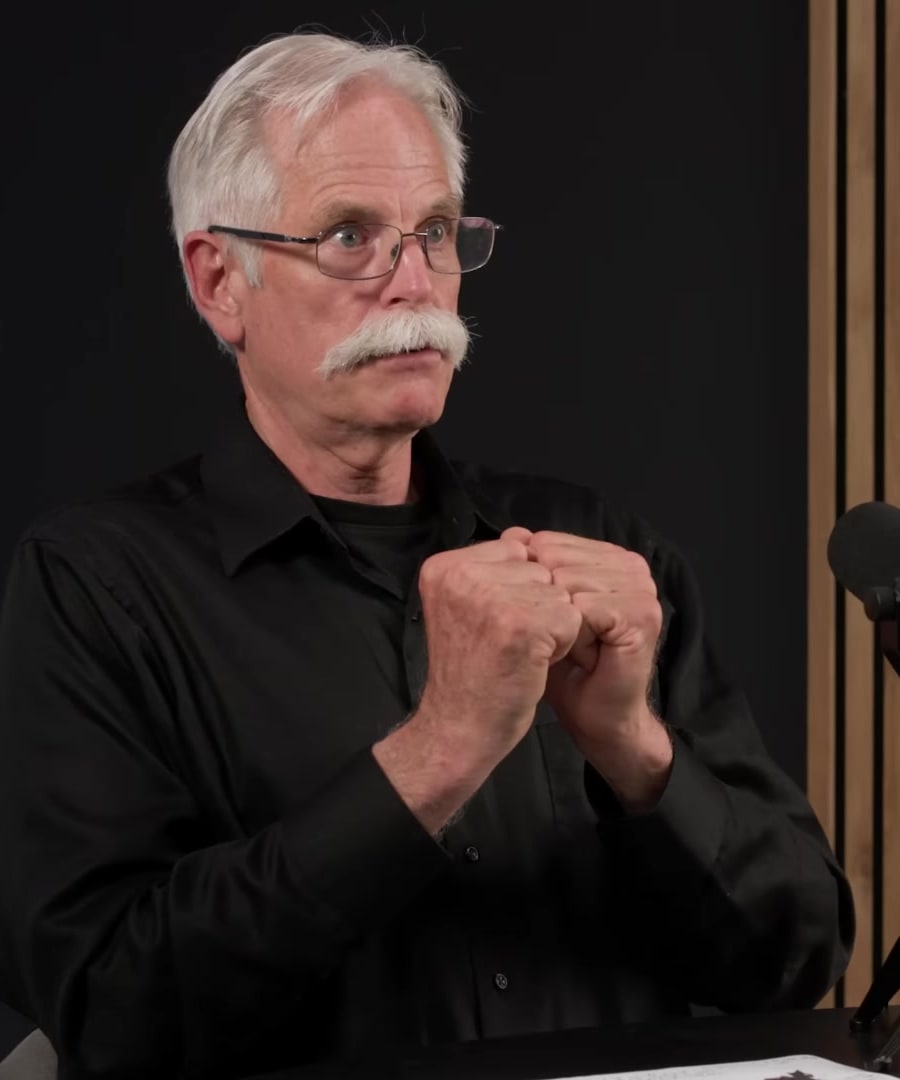
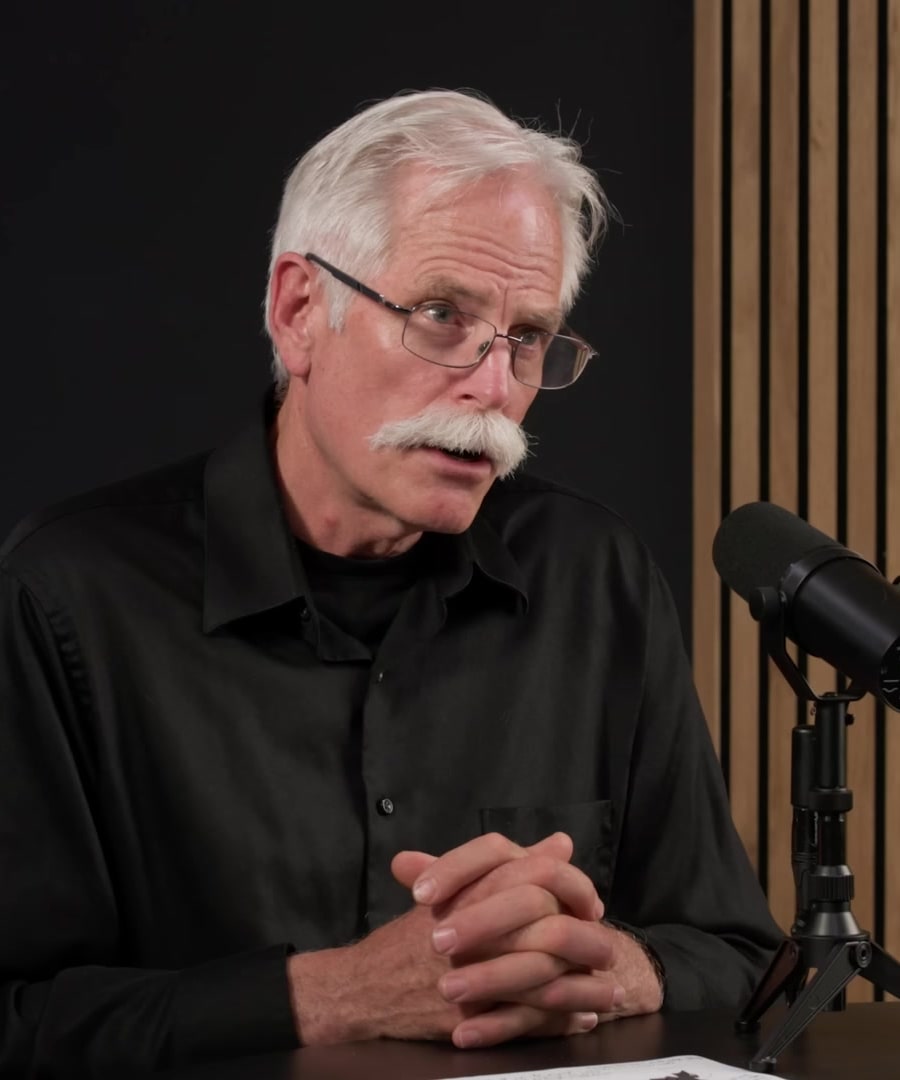
highlights the significant role genetics play in back pain susceptibility. He explains that genetic predispositions can determine one's flexibility and structural resilience, affecting how individuals respond to physical stressors 1. For instance, naturally flexible individuals might need to avoid certain activities to prevent injury, while those with stiffer spines may face different challenges 2. McGill emphasizes, "Genetics loads the gun. Exposure pulls the trigger, and then the psychosocial milieu around the individual influences how they respond to the pain" 1.
Mechanical Strain
Mechanical strain from activities and posture significantly impacts back health. discusses how different body types handle stress, using the analogy of a willow branch versus a thicker stick to illustrate how spine thickness affects stress tolerance 3. He notes that activities like sitting and walking can either exacerbate or relieve pain, depending on age and specific conditions 4. "Walking for an hour increases the risk of getting pain. Walking for 20 minutes, guaranteed. You have no pain, so do it in three doses, you've just guaranteed success," he advises 4.
Biopsychosocial Model
The biopsychosocial model integrates psychological and social factors in understanding back pain. and discuss how emotional and psychological states influence pain perception and recovery 5. McGill shares that traditional physical treatments may fail if emotional trauma is present, highlighting the need for a holistic approach 6. "Pain had corrupted his movement patterns, and he forgot how to squat," McGill explains, emphasizing the complex interplay between physical and psychological factors 7.
Related Episodes

Protocols to Strengthen & Pain Proof Your Back
Answers 383 questions
Build Your Ideal Physique | Dr. Bret Contreras
Answers 383 questionsDr. Sean Mackey: Tools to Reduce & Manage Pain
Answers 383 questions
David Goggins: How to Build Immense Inner Strength
Answers 383 questionsControl Pain & Heal Faster with Your Brain | Huberman Lab Podcast #9
Answers 383 questions
Dr. Gary Steinberg: How to Improve Brain Health & Offset Neurodegeneration
Answers 383 questions
Pavel Tsatsouline: Build Strength, Endurance & Flexibility at Any Age
Answers 383 questions