Dr. Sean Mackey: Tools to Reduce & Manage Pain

Topics covered
Popular Clips
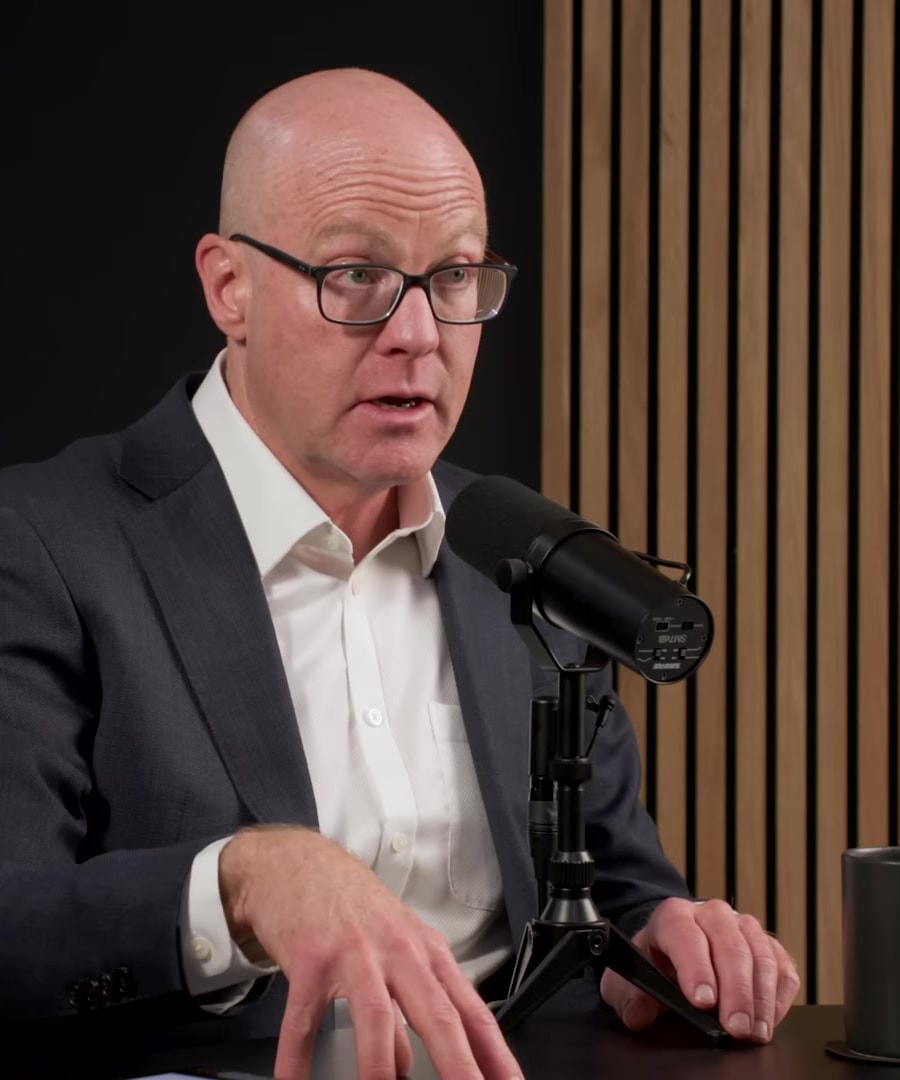
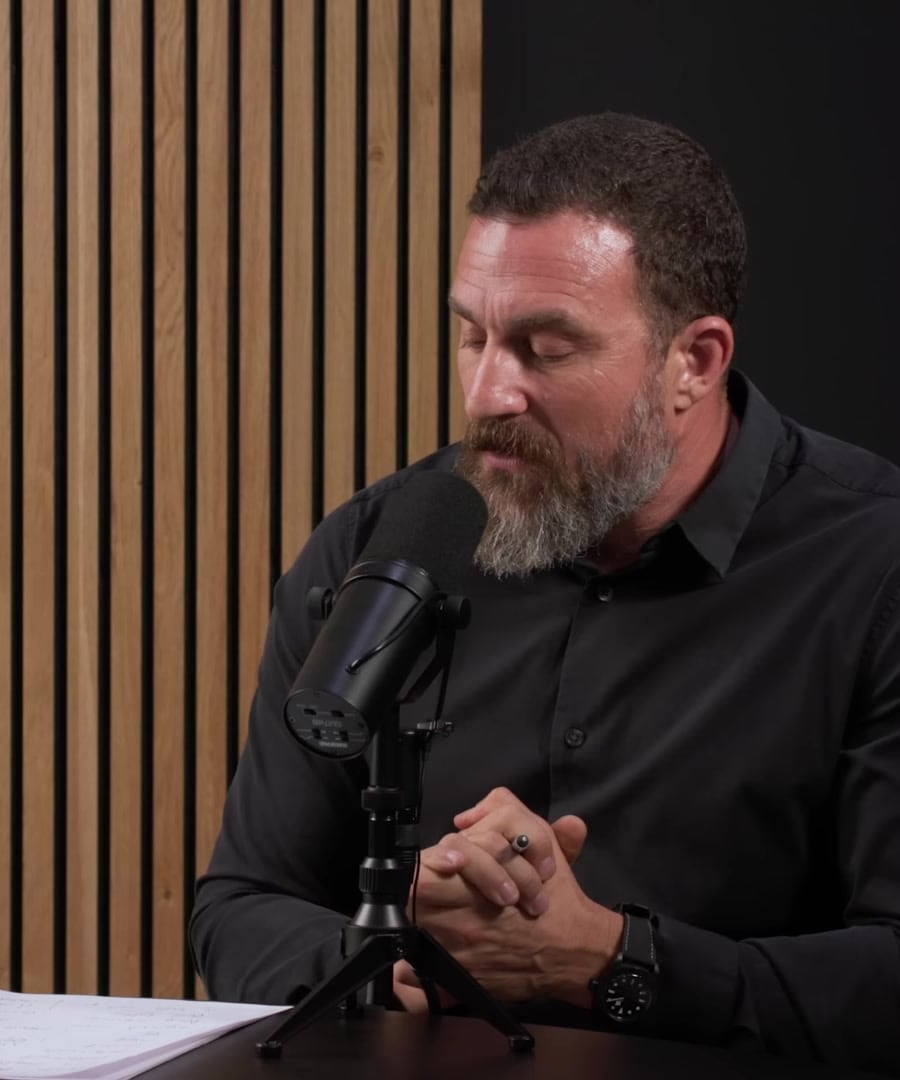
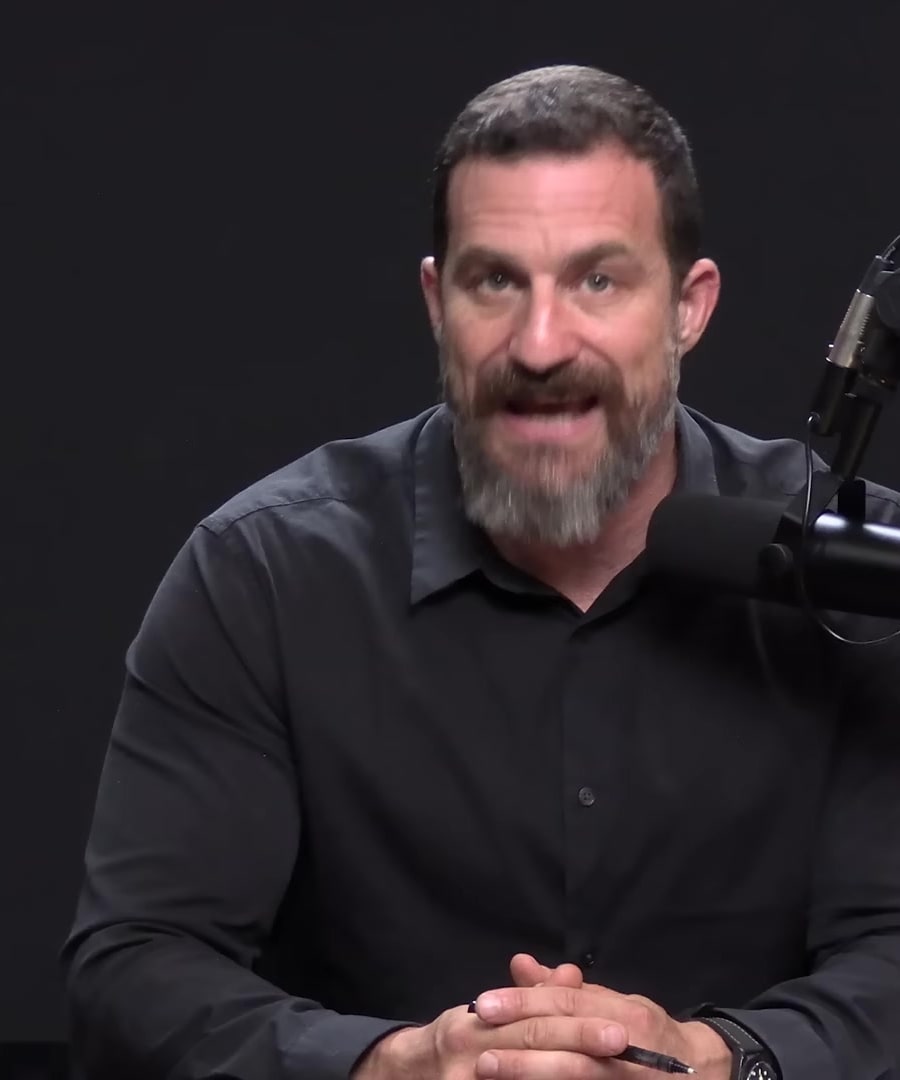
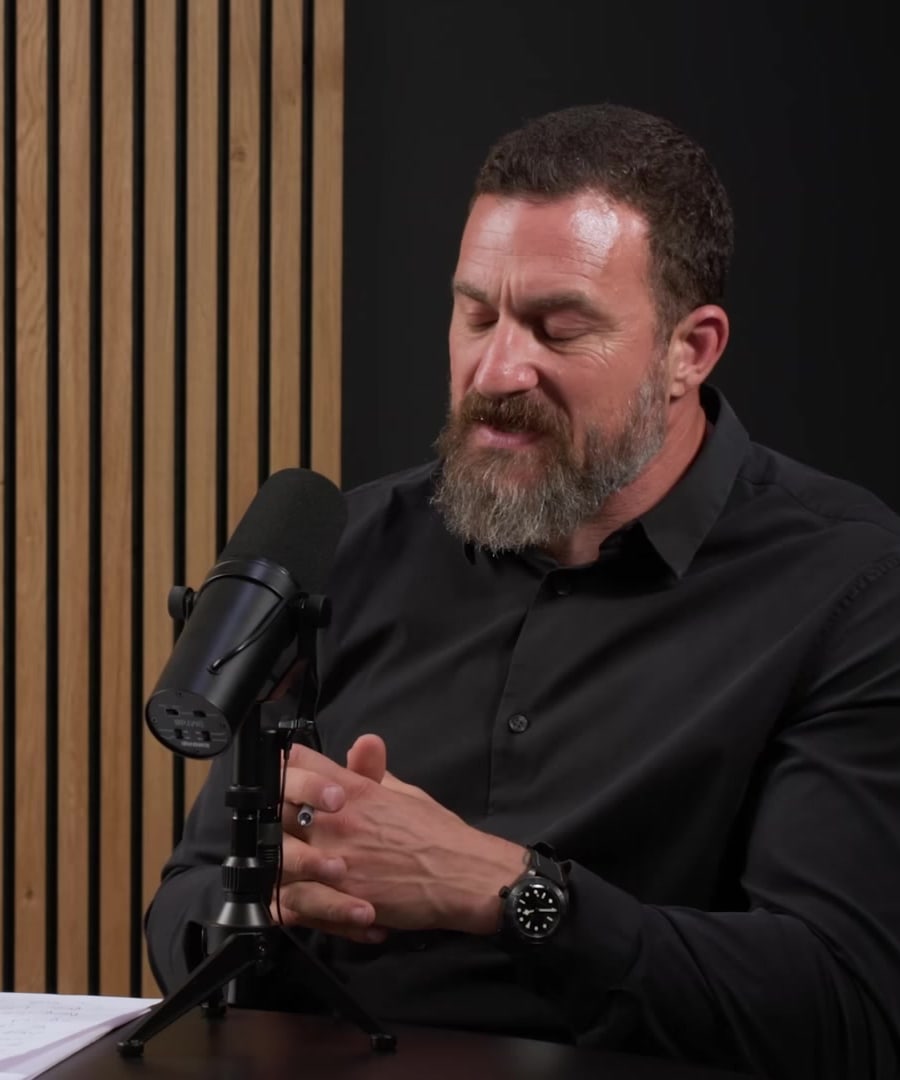
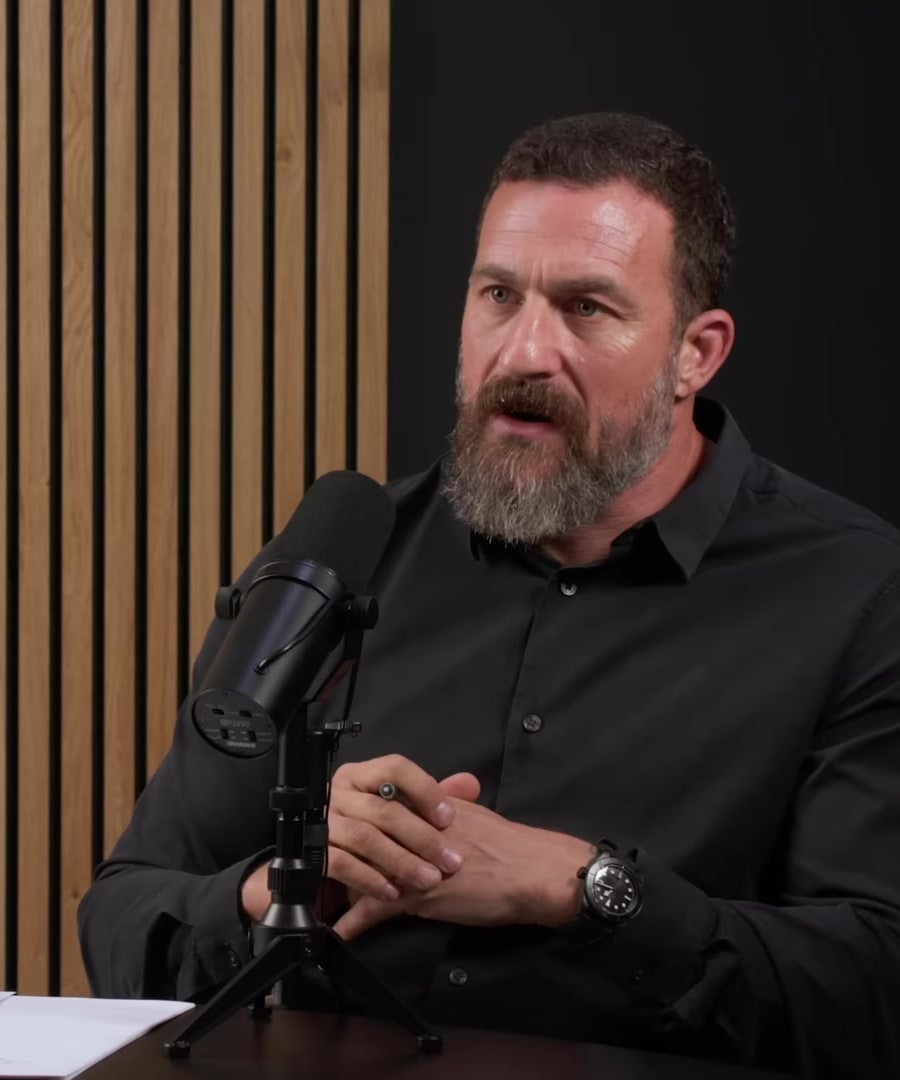
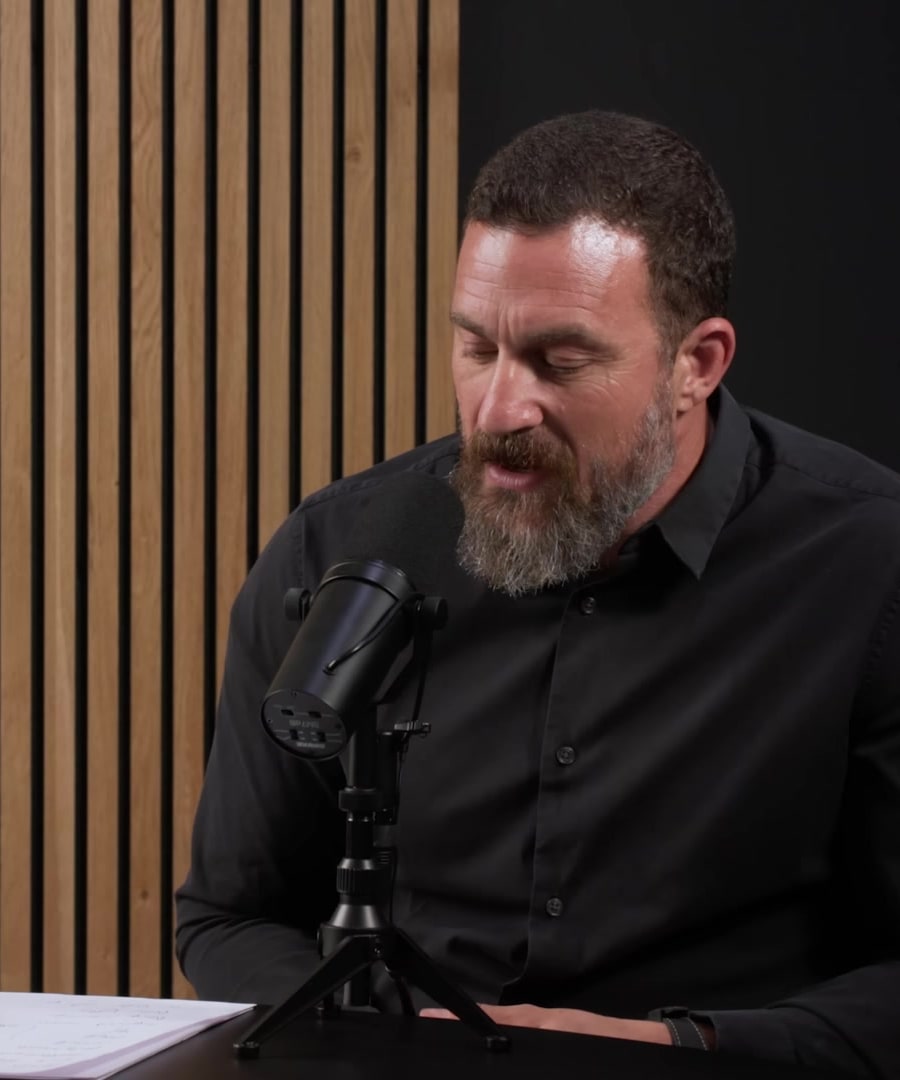
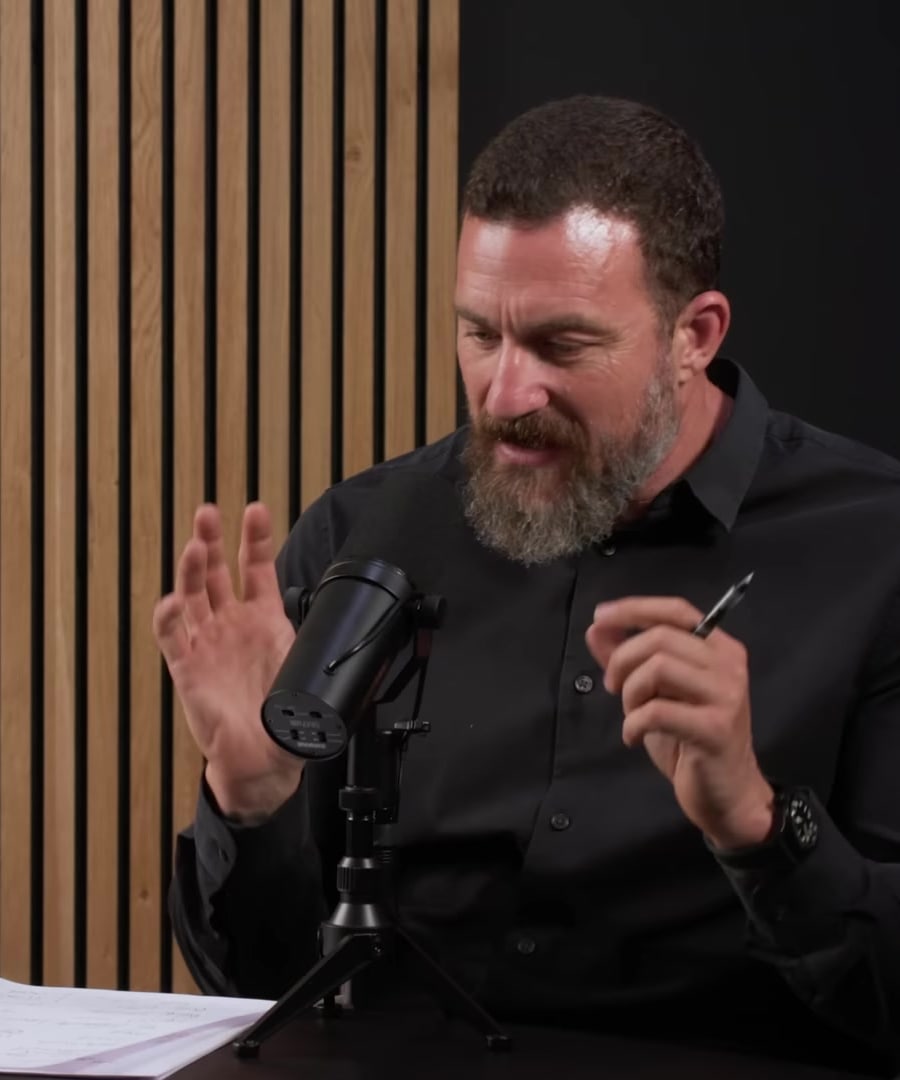
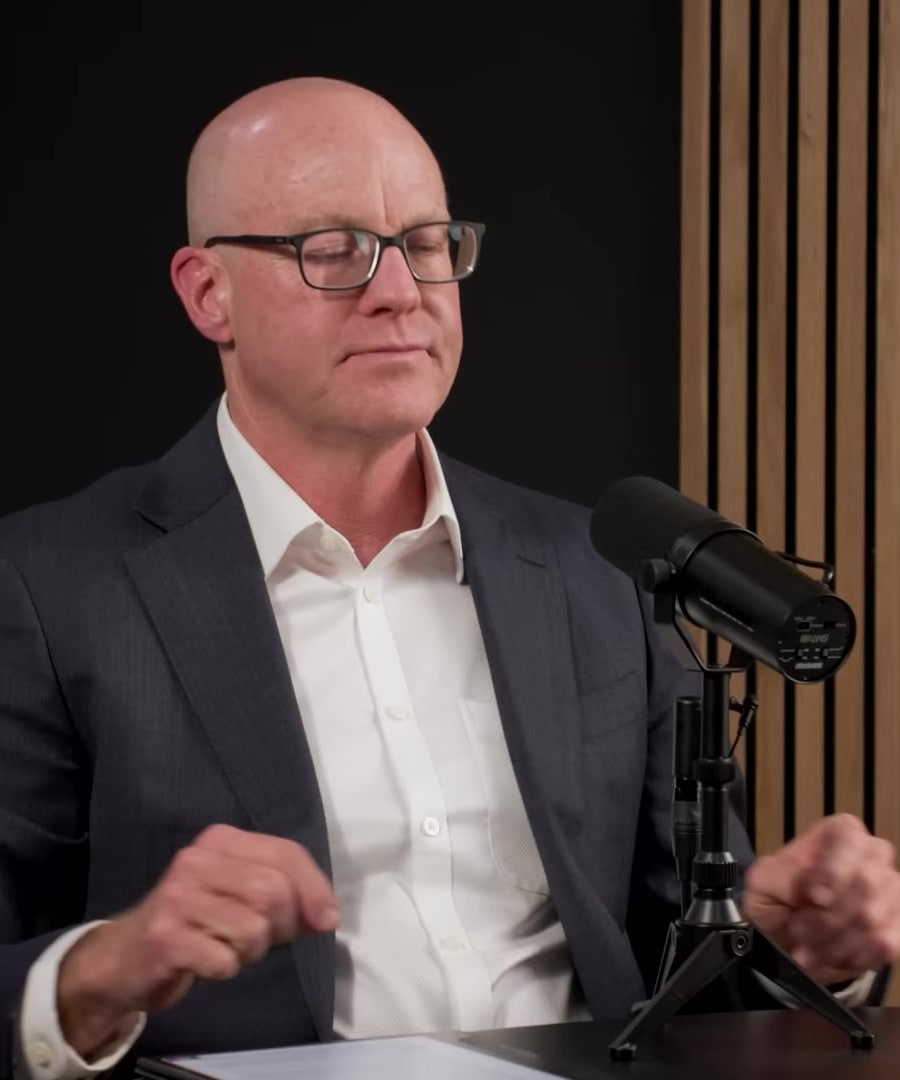
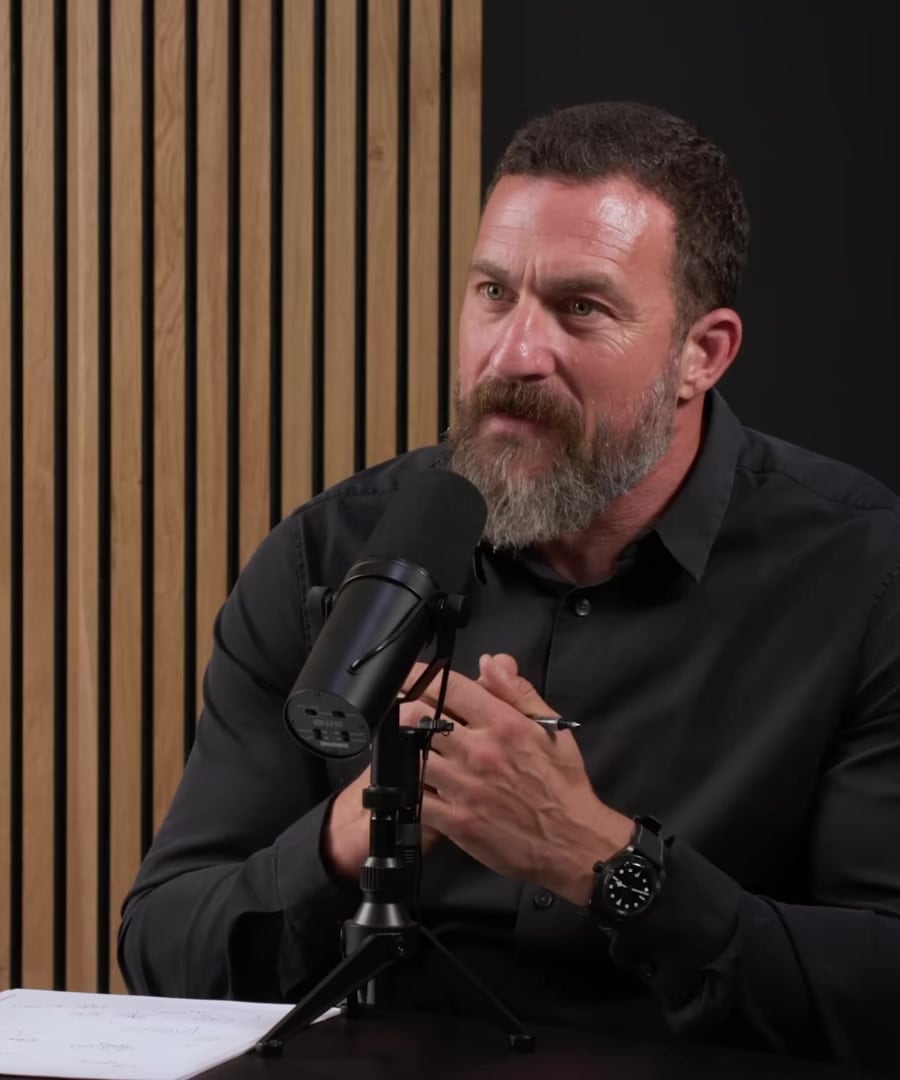
Questions from this episode
- Asked by 1,282 people
- Asked by 1,207 people
- Asked by 1,014 people
- Asked by 937 people
- Asked by 860 people
- Asked by 438 people
- Asked by 233 people
- Asked by 231 people
- Asked by 225 people
- Asked by 208 people
- Asked by 146 people
- Asked by 128 people
- Asked by 112 people
- Asked by 101 people
- Asked by 83 people
Episode Highlights
Brain's Role
Dr. Sean Mackey explains that pain is a complex experience shaped by the brain's interpretation of signals from nociceptors, which detect stimuli like temperature and pressure 1. These signals travel through nerve fibers to the brain, where they are transformed into the subjective experience of pain. This process involves a distributed network of brain regions, rather than a single "pain center," highlighting the intricate nature of pain perception 2.
Pain is not just a sensory experience; it is deeply intertwined with emotions, cognitions, and memories.
--- Sean Mackey
notes that factors such as beliefs, expectations, and anxiety can alter pain perception, emphasizing the brain's significant role in shaping our pain experiences 3.
Emotional Influence
Emotional and psychological factors significantly influence how we perceive pain. discusses how stress and anxiety can exacerbate pain, with the brain actively affecting bodily responses 4. Sean Mackey adds that early life experiences and emotional states can shape pain thresholds, making emotional pain as valid as physical pain 5.
Emotional pain is valid like any other pain, except it is different because it becomes very hard to point to a specific kind of threshold.
---
Understanding these influences can help in managing pain more effectively, as recognizing stressors and emotional triggers is crucial for pain relief 3.
Related Episodes

Tools for Managing Stress & Anxiety | Huberman Lab Podcast #10
Answers 383 questionsControl Pain & Heal Faster with Your Brain | Huberman Lab Podcast #9
Answers 383 questionsThe Science & Process of Healing from Grief | Huberman Lab Podcast #74
Answers 383 questionsHow to Stop Headaches Using Science-Based Approaches | Huberman Lab Podcast
Answers 383 questions
Dr. Stuart McGill: Build a Strong, Pain-Proof Back
Answers 383 questionsHow to Control Your Sense of Pain & Pleasure | Huberman Lab Podcast #32
Answers 383 questions
Dr. Karl Deisseroth: Understanding & Healing the Mind | Huberman Lab Podcast #26
Answers 383 questions
Tools for Overcoming Substance & Behavioral Addictions | Ryan Soave
Answers 383 questions
Dr. Paul Conti: Tools and Protocols for Mental Health | Huberman Lab Guest Series
Answers 383 questionsUnderstanding & Conquering Depression | Huberman Lab Podcast #34
Answers 383 questions
Dr. Zachary Knight: The Science of Hunger & Medications to Combat Obesity
Answers 383 questions
Dr. Matthew Hill: How Cannabis Impacts Health & the Potential Risks
Answers 383 questions