Dr. Marc Brackett: How to Increase Your Emotional Intelligence

Topics covered
Popular Clips






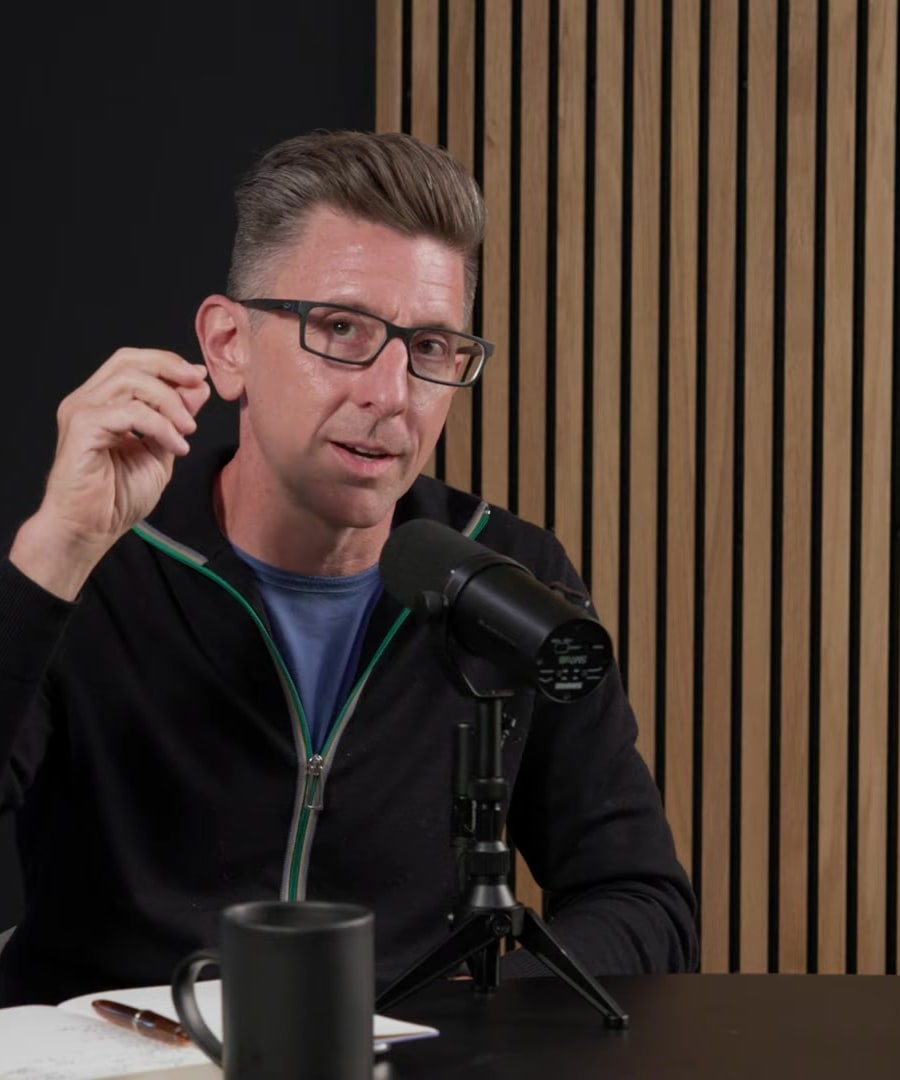



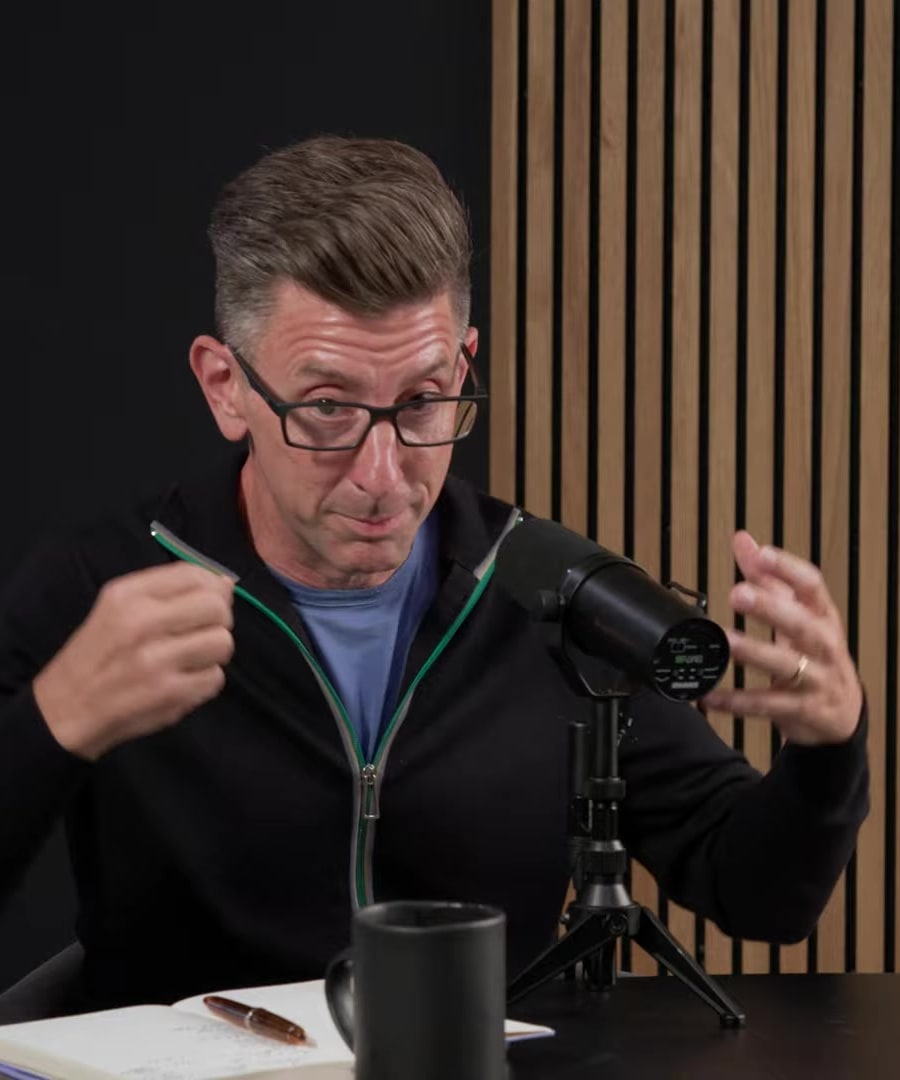
Questions from this episode
- Asked by 1,203 people
- Asked by 1,042 people
- Asked by 624 people
- Asked by 230 people
- Asked by 217 people
- Asked by 213 people
- Asked by 187 people
- Asked by 172 people
- Asked by 136 people
- Asked by 123 people
- Asked by 101 people
- Asked by 96 people
- Asked by 96 people
- Asked by 92 people
Episode Highlights
Face-to-Face
Face-to-face communication plays a crucial role in accurately conveying emotions. explains that social media posts often lack the context needed to understand the true intent behind messages, leading to misunderstandings and conflict. He emphasizes the importance of teaching people, especially teenagers, to communicate their feelings directly to resolve issues more effectively 1. adds that understanding the reasons behind our emotions is essential for effective emotional regulation 2.
Contentment is the opposite. Contentment is. Everything is just great as it is.
---
This approach helps individuals connect their feelings with their causes, promoting better emotional health.
Text-Based
Text-based communication, while convenient, often falls short in conveying emotional nuances. notes that text messages can be overwhelming for introverts and may lead to miscommunication due to varying expectations on response times 3. argues that texting diminishes emotional intelligence because it lacks the depth of face-to-face interactions 4.
Research on even teens right now prefer to text than to be face to face, which is not helpful to building good relationships.
---
This shift towards text-based communication can hinder the development of strong, intimate relationships.
Online
Online communication, particularly on social media, often lacks emotional intelligence. shares an example of how public figures are frequently subjected to harsh criticism, highlighting the anonymity and lack of accountability online 5. points out that arguing over text is common because it allows people to avoid the discomfort of face-to-face confrontations 6.
It's easier because you don't have to feel the feelings.
---
This dynamic can lead to a decline in emotional perception skills and a deterioration of meaningful relationships.
Related Episodes

The Science of Emotions & Relationships | Huberman Lab Podcast #13
Answers 383 questions
Dr. Lisa Feldman Barrett: How to Understand Emotions | Huberman Lab Podcast
Answers 383 questions
Dr. Ethan Kross: How to Control Your Inner Voice & Increase Your Resilience
Answers 383 questions
Dr. Paul Conti: How to Improve Your Mental Health | Huberman Lab Guest Series
Answers 383 questionsMental Health Toolkit: Tools to Bolster Your Mood & Mental Health
Answers 383 questionsTools for Managing Stress & Anxiety | Huberman Lab Podcast #10
Answers 383 questionsHow to Optimize Your Brain-Body Function & Health | Huberman Lab Podcast #30
Answers 383 questionsScience-Based Tools for Increasing Happiness | Huberman Lab Podcast #98
Answers 383 questionsDr. Paul Conti: Tools and Protocols for Mental Health | Huberman Lab Guest Series
Answers 383 questions