Dr. Matt Walker: How to Structure Your Sleep, Use Naps & Time Caffeine | Huberman Lab Guest Series

Topics covered
Popular Clips





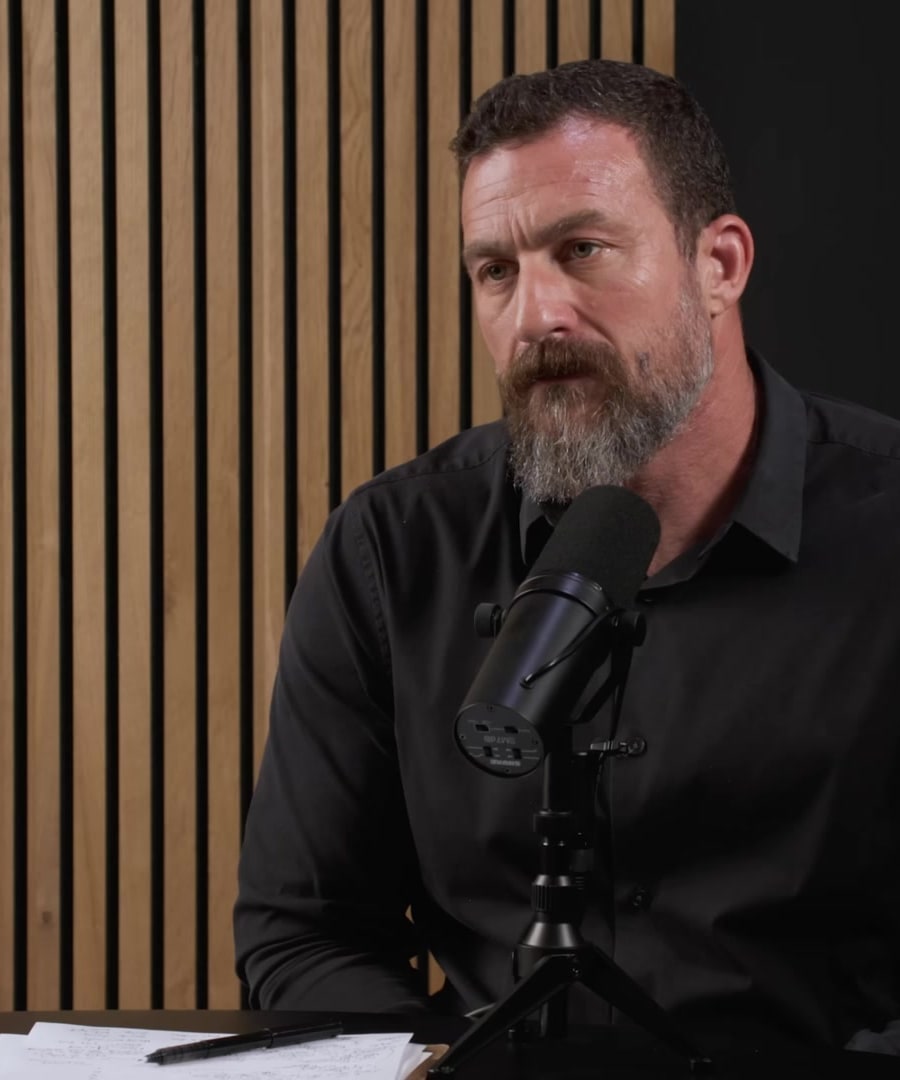






Questions from this episode
- Asked by 10,582 people
- Asked by 2,454 people
- Asked by 1,280 people
- Asked by 383 people
- Asked by 342 people
- Asked by 246 people
- Asked by 237 people
- Asked by 213 people
- Asked by 192 people
- Asked by 188 people
- Asked by 169 people
- Asked by 144 people
- Asked by 117 people
- Asked by 101 people
- Asked by 101 people
Episode Highlights
Caffeine & Sleep
Caffeine, a widely consumed psychoactive stimulant, plays a significant role in our daily routines and sleep patterns. and discuss its impact on sleep, noting that while caffeine can help combat the afternoon energy dip, it may also interfere with sleep quality if consumed too close to bedtime 1. introduces the concept of the "nappuccino," a strategic combination of caffeine and napping to maximize alertness without the grogginess often associated with naps 2.
The nappuccino combines the benefits of a nap with caffeine, allowing you to wake up refreshed and alert.
---
suggests delaying caffeine intake by 90 to 120 minutes after waking to potentially reduce the afternoon crash and improve nighttime sleep 3.
Health Effects
Caffeine's health effects are complex, offering both benefits and drawbacks. highlights that while caffeine can negatively impact sleep, it also provides significant health benefits, largely due to the antioxidants found in coffee 4. He explains that the health advantages are not solely from caffeine but also from the coffee bean's rich antioxidant content 5.
Drinking some degree of caffeine is beneficial, but there's a U-shaped function to this, where too much can be detrimental.
---
advises moderation in caffeine consumption, emphasizing the importance of timing and individual sensitivity to maximize health benefits while minimizing sleep disruption 6.
Tolerance & Sensitivity
Individual variations in caffeine tolerance are influenced by genetics, affecting how caffeine impacts sleep and alertness. explains that caffeine blocks adenosine receptors, which can delay sleepiness but may also reduce deep sleep quality 7. He notes that while exercise and other activities can boost alertness, they don't clear adenosine like sleep does 8.
Caffeine blocks adenosine receptors, delaying sleepiness but potentially compromising deep sleep.
---
also mentions that the initial alertness from caffeine is often due to the temperature of the drink rather than the caffeine itself, highlighting the complexity of caffeine's effects 9.
Related Episodes


Dr. Matthew Walker: Protocols to Improve Your Sleep | Huberman Lab Guest Series
Answers 383 questionsUsing Caffeine to Optimize Mental & Physical Performance | Huberman Lab Podcast 101
Answers 383 questionsMaster Your Sleep & Be More Alert When Awake | Huberman Lab Podcast #2
Answers 383 questionsUsing Science to Optimize Sleep, Learning & Metabolism | Huberman Lab Podcast #3
Answers 383 questionsUnderstanding and Using Dreams to Learn and to Forget | Huberman Lab Podcast #5
Answers 383 questionsAMA #8: Balancing Caffeine, Decision Fatigue & Social Isolation
Answers 383 questions