Jocko Podcast 332: Andrew Huberman. Influence/ Ownership Over Your Physiological Psychological Being

Topics covered
Popular Clips








Episode Highlights
Diet Choices
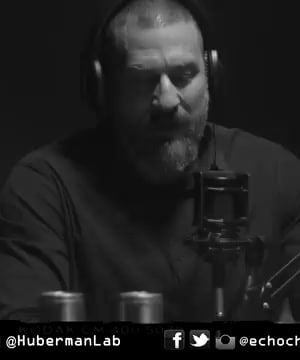
and discuss the impact of dietary choices on sleep and overall health. Andrew emphasizes the benefits of consuming carbohydrates in the evening to aid sleep and maintain glycogen levels for morning workouts. He also highlights the importance of fermented foods for gut health, citing research from Stanford showing their role in reducing inflammation and supporting neurotransmitter production 1 2.
I'm really big on that evening meal being mostly carbohydrates. Also vegetables. I happen to really like vegetables and less protein.
---
Andrew shares his personal dietary habits, including avoiding sugar and alcohol, and focusing on clean sources of calories like rice, meat, fish, and vegetables 1.
Eating Schedule
Andrew outlines his optimal eating schedule, which aligns with his training and work routines. He typically eats his first meal post-workout around 11:00 AM and incorporates a nap or NSDR (Non-Sleep Deep Rest) session in the afternoon to recharge 3.
I typically will work anytime I'm not training or eating. I try and just eat and not do work at the same time.
---
Andrew's evening meals are carbohydrate-heavy to replenish glycogen stores depleted during intense morning workouts, ensuring better sleep quality 3.
Training Psychology
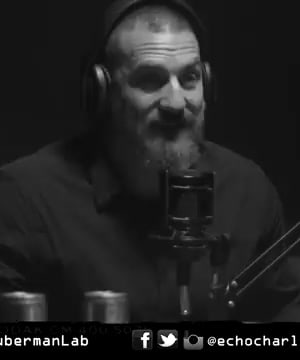
Andrew and Jocko explore the psychological aspects of training and the role of rewards in maintaining consistency. Andrew explains the importance of intermittent rewards to train the brain's dopamine system, using a random reward schedule to reinforce habits 4.
What you're trying to do is you're trying to train up a circuitry for giving yourself random, intermittent reward for performing these habits on a regular basis.
---
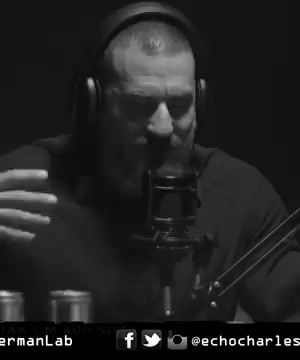
They also discuss overcoming adrenaline walls, with Andrew describing how adrenaline is released in waves during activities like ice baths, and how understanding these waves can help in pushing through physical and mental barriers 5.
Related Episodes

LIVE EVENT Q&A: Dr. Andrew Huberman Question & Answer in Toronto, ON
Answers 383 questionsLIVE EVENT Q&A: Dr. Andrew Huberman at the ICC Sydney Theatre
Answers 383 questionsLIVE EVENT Q&A: Dr. Andrew Huberman at the Sydney Opera House
Answers 383 questions
Tim Ferriss: How to Learn Better & Create Your Best Future | Huberman Lab Podcast
Answers 383 questionsUsing Play to Rewire & Improve Your Brain | Huberman Lab Podcast #58
Answers 383 questionsLIVE EVENT Q&A: Dr. Andrew Huberman Question & Answer in Melbourne, AU
Answers 383 questionsTools for Managing Stress & Anxiety | Huberman Lab Podcast #10
Answers 383 questions