Dr. Matt Walker: The Science of Dreams, Nightmares & Lucid Dreaming | Huberman Lab Guest Series

Topics covered
Popular Clips


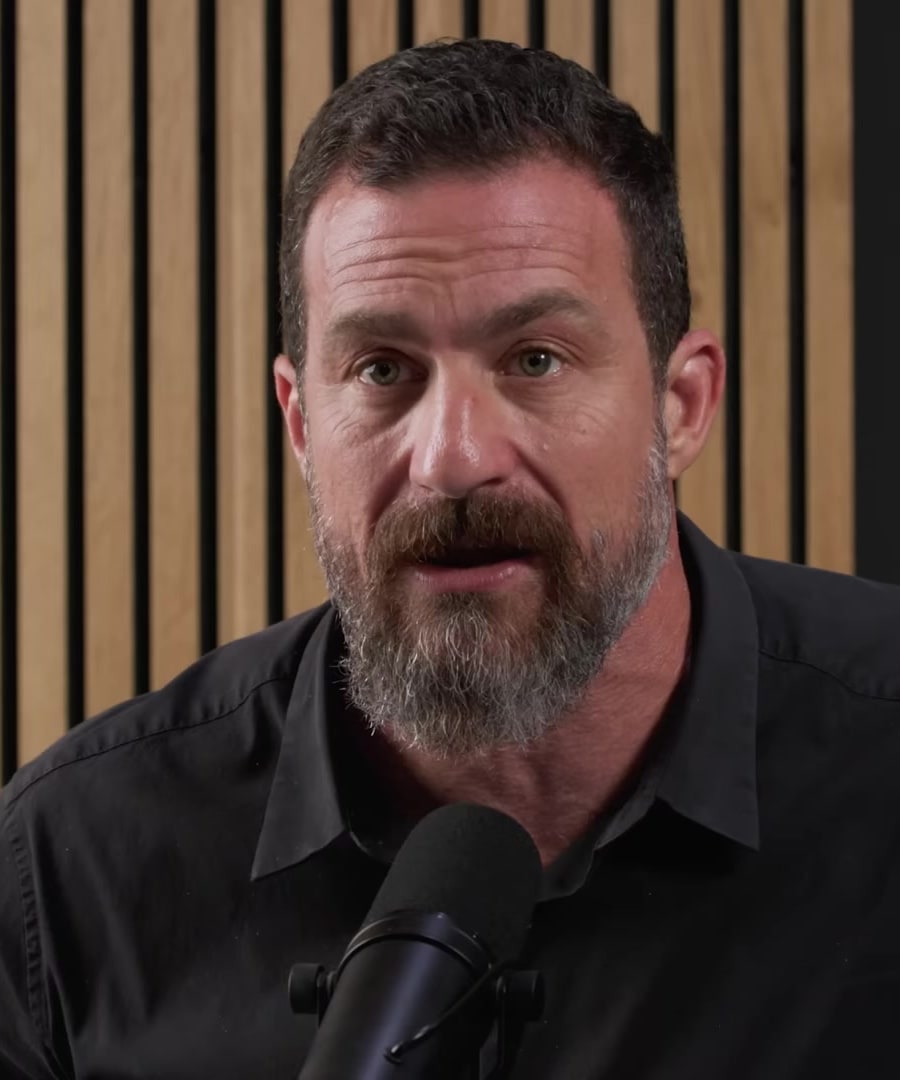
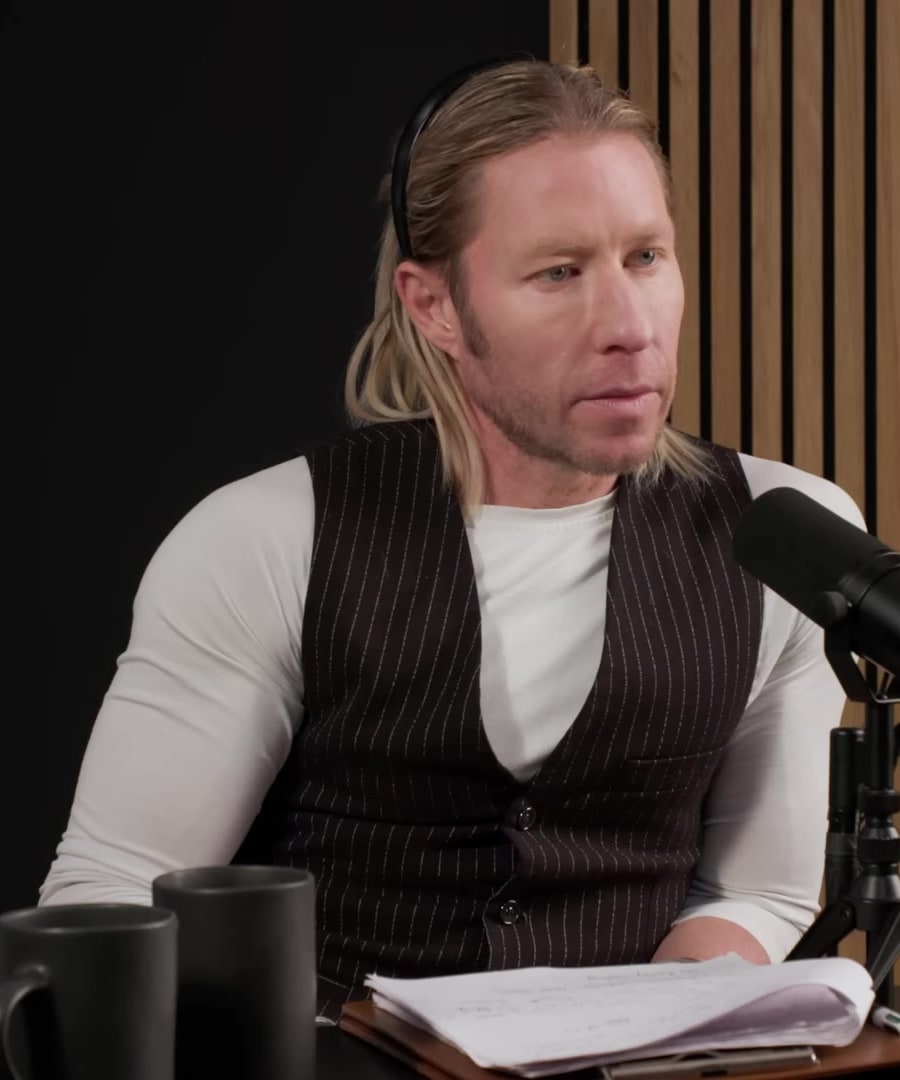


Questions from this episode
- Asked by 10,582 people
- Asked by 3,192 people
- Asked by 2,212 people
- Asked by 1,939 people
- Asked by 1,203 people
- Asked by 346 people
- Asked by 263 people
- Asked by 244 people
- Asked by 232 people
- Asked by 230 people
- Asked by 224 people
- Asked by 214 people
- Asked by 213 people
- Asked by 213 people
- Asked by 206 people
Episode Highlights
Sleep Changes
Aging significantly impacts sleep patterns, often causing older adults to wake up earlier and struggle to get more than six hours of sleep. explains that this is due to the fragility of sleep late in the night and a shift in circadian rhythms. He suggests delaying bedtime to build sleep pressure and considering cognitive behavioral therapy for insomnia (CBTI) or specific medications like doxapin for persistent issues 1 2.
It's also miserable because most older adults, the circadian rhythm shifts earlier.
---
These strategies aim to help older adults achieve better sleep quality and duration.
Menopause
Menopause introduces unique sleep challenges, primarily due to vasomotor symptoms like hot flashes that disrupt sleep. highlights the importance of maintaining a cool sleeping environment and suggests using smart mattresses designed to regulate temperature. He also mentions that hormonal changes during menopause can further complicate sleep, making it essential to explore both non-medication and medication-based treatments 3.
You need to stay cool to stay asleep. But here is a situation where when you're asleep, you're not staying cool, you're doing the opposite.
---
These approaches can help mitigate the adverse effects of menopause on sleep.
Managing Thoughts
Managing negative thoughts and rumination is crucial for falling asleep and staying asleep. recommends techniques like meditation, guided breathing, and mental walks to short-circuit anxiety and insomnia. He also advises removing clock faces from the bedroom to avoid reinforcing wake-up times like 3:30 AM 4 5.
The way that you can do that is through a variety of methods. There are multiple methods for short circuiting rumination.
---
These strategies aim to create a more restful and less stressful sleep environment.
Related Episodes


Dr. Matthew Walker: Protocols to Improve Your Sleep | Huberman Lab Guest Series
Answers 383 questionsUnderstanding and Using Dreams to Learn and to Forget | Huberman Lab Podcast #5
Answers 383 questionsMaster Your Sleep & Be More Alert When Awake | Huberman Lab Podcast #2
Answers 383 questionsUsing Science to Optimize Sleep, Learning & Metabolism | Huberman Lab Podcast #3
Answers 383 questionsThe Science & Process of Healing from Grief | Huberman Lab Podcast #74
Answers 383 questionsUnderstand & Improve Memory Using Science-Based Tools | Huberman Lab Podcast #72
Answers 383 questions