AMA #17: Making Time for Fitness, Top Sleep Tools & Best Learning Strategies

Topics covered
Popular Clips
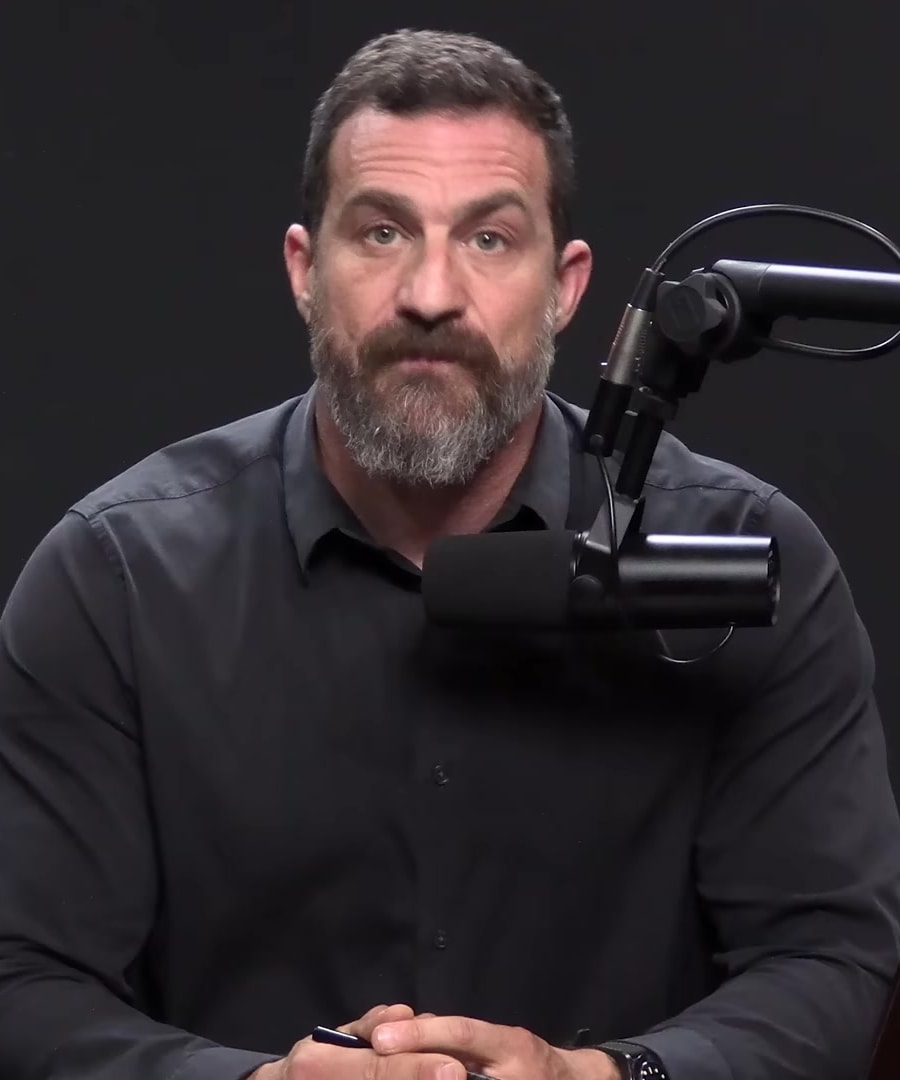
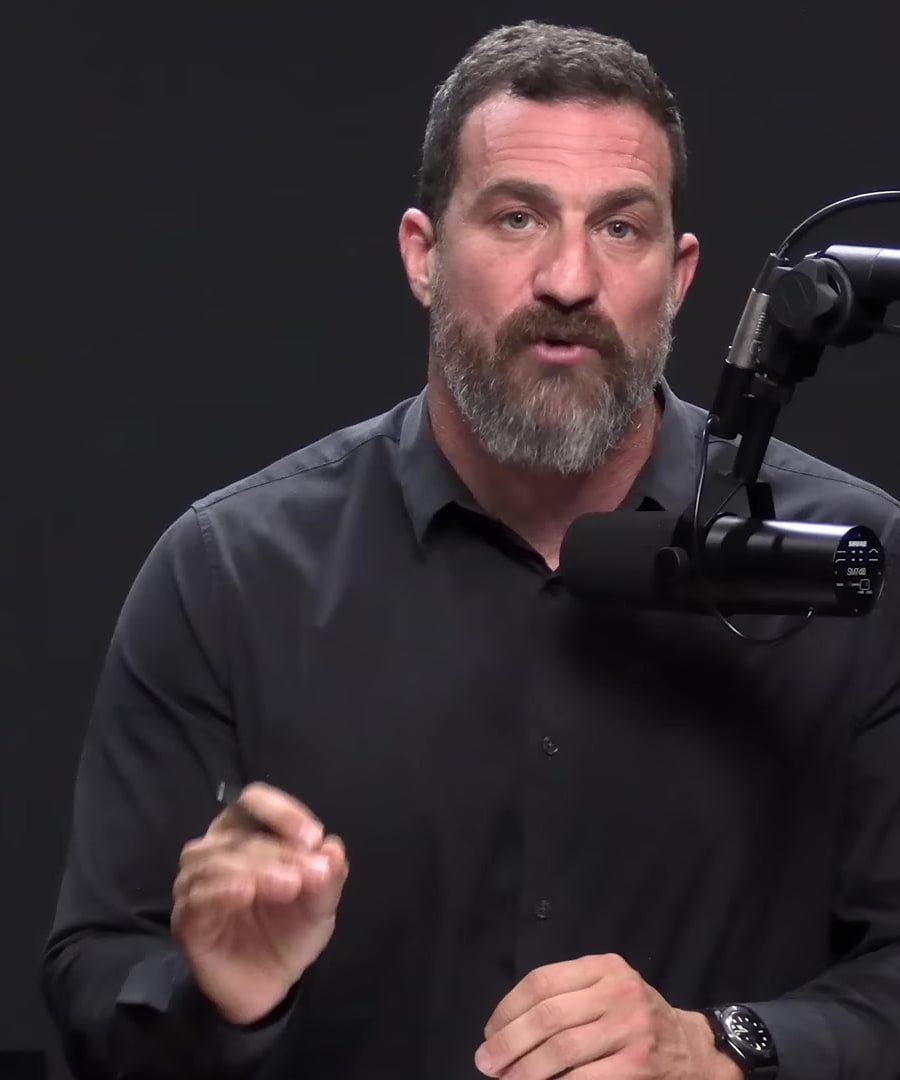
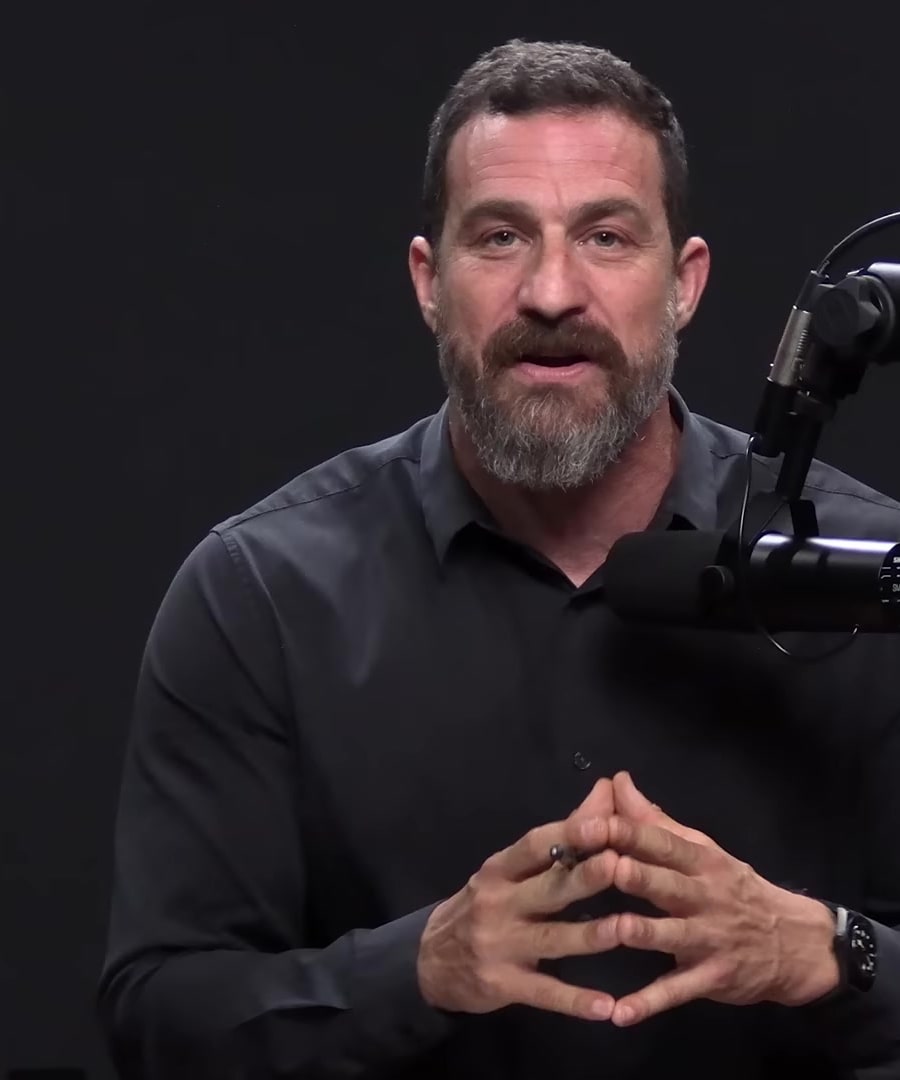
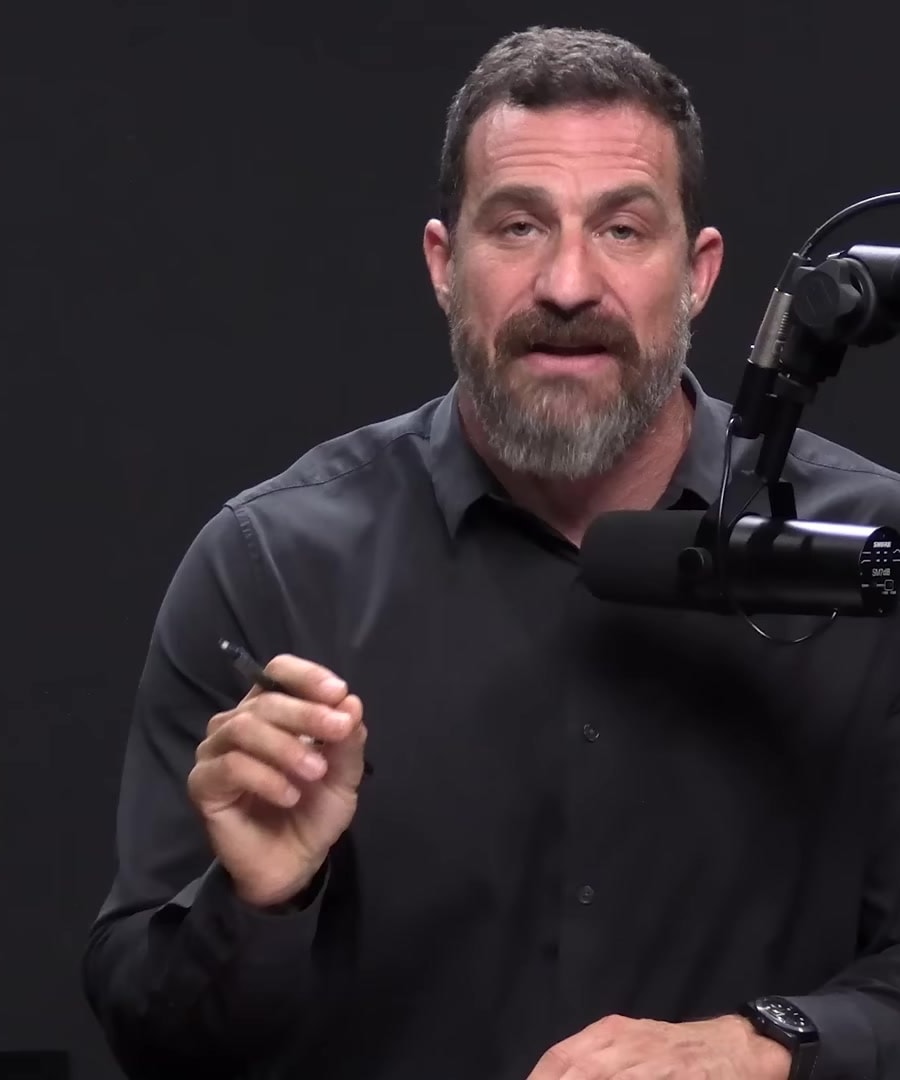


Questions from this episode
- Asked by 919 people
- Asked by 130 people
- Asked by 125 people
- Asked by 105 people
- Asked by 103 people
- Asked by 98 people
- Asked by 76 people
- Asked by 72 people
- Asked by 65 people
- Asked by 60 people
- Asked by 58 people
- Asked by 57 people
- Asked by 55 people
- Asked by 52 people
Episode Highlights
Flexible Scheduling
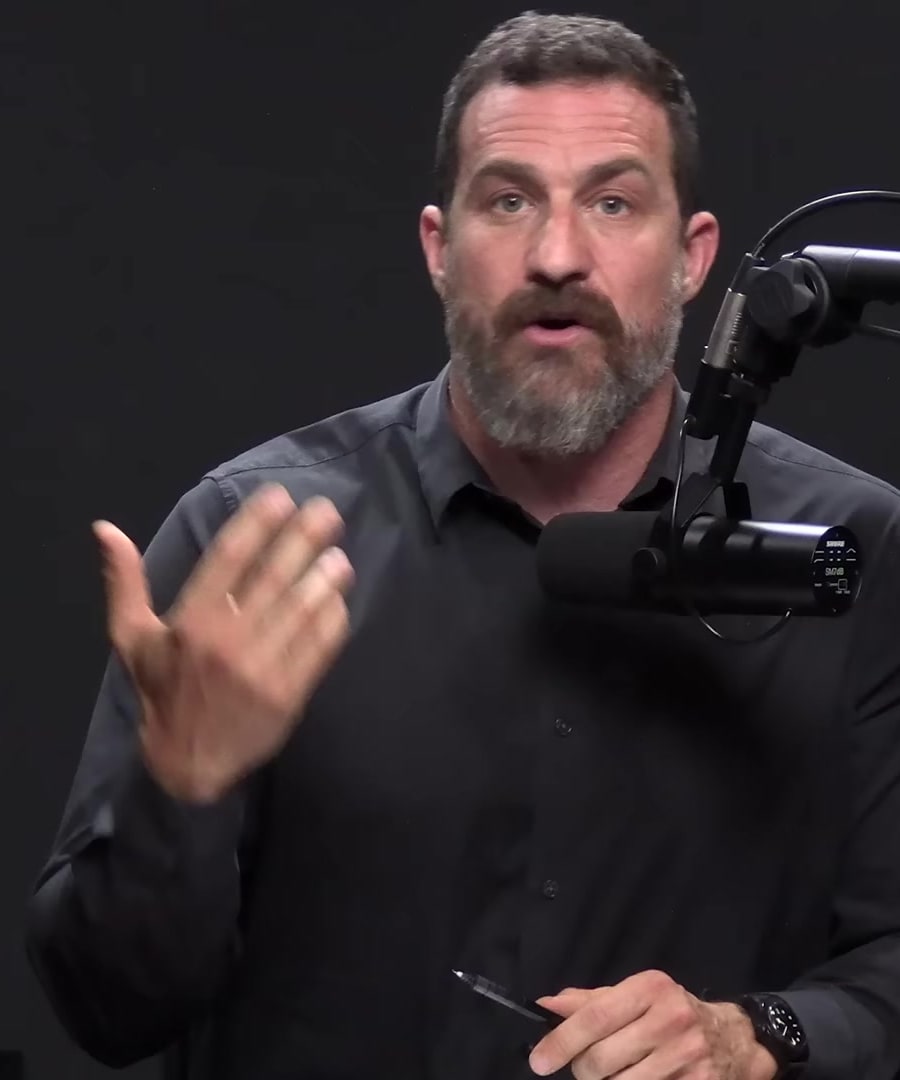
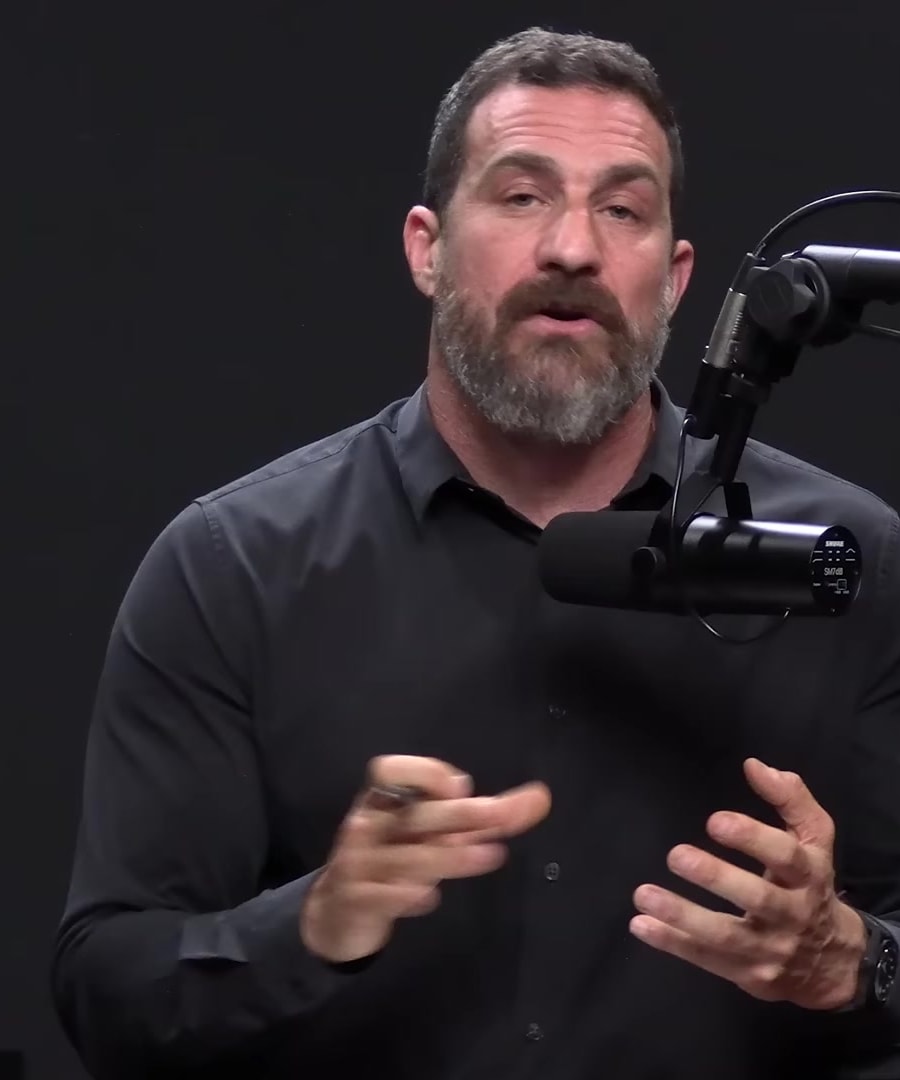
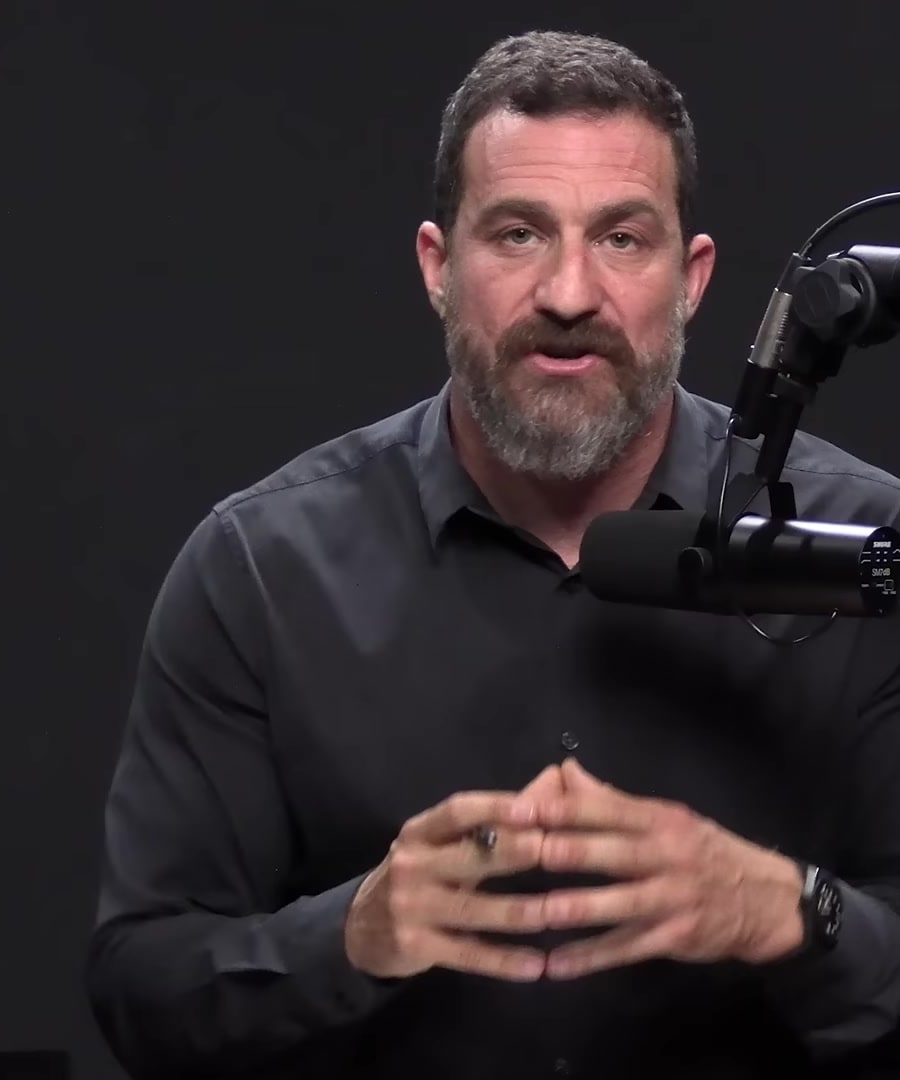
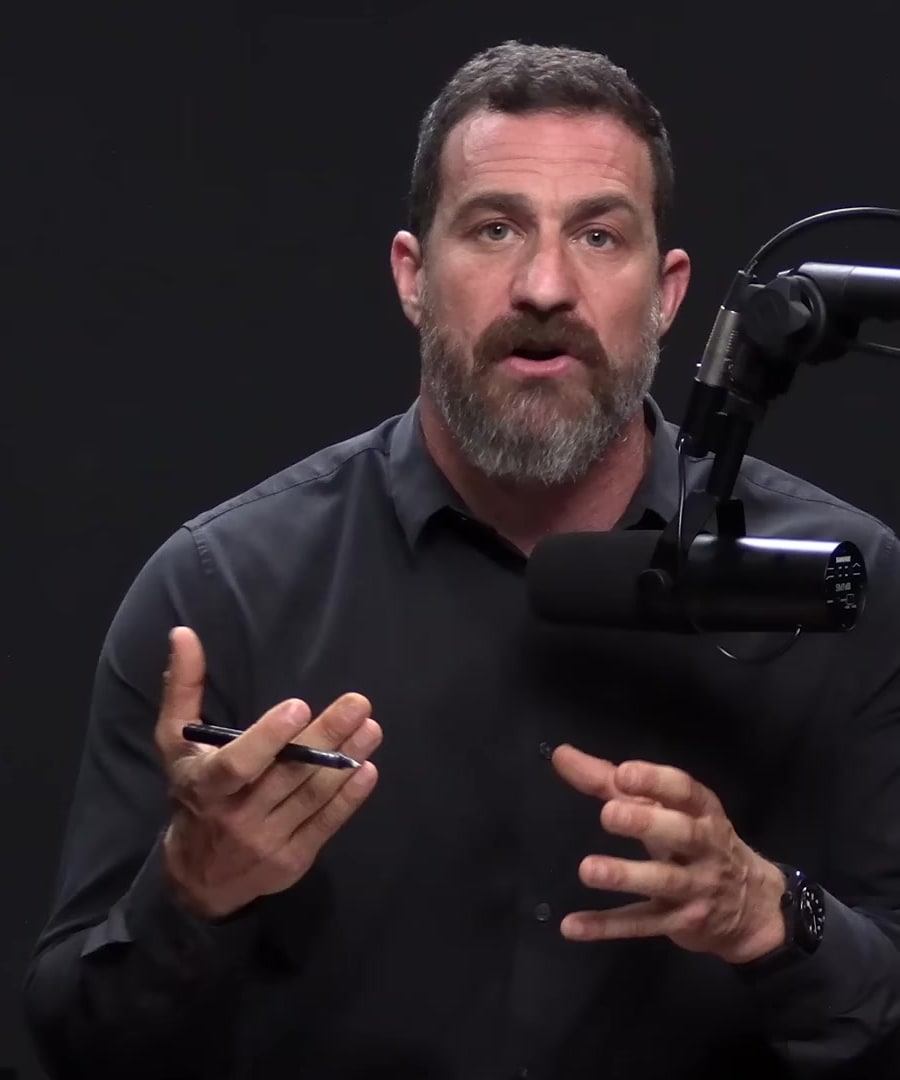
Incorporating flexibility into fitness routines is crucial for maintaining consistency amidst life's unpredictability. emphasizes the importance of adapting workout schedules to accommodate travel, stress, or lack of sleep. He suggests allowing workouts to slide back or forward by a day, sometimes doubling up sessions to meet weekly goals 1. This approach ensures that essential training components, such as resistance and cardiovascular sessions, are not missed. Huberman advises, "Skipping a workout every once in a while is not going to crater your entire fitness program" 2.
Daily Flexibility
Adjusting workout timing within a single day can optimize energy levels and fit personal schedules. prefers morning workouts but acknowledges that shifting to the afternoon is acceptable and can even enhance performance 3. He highlights the body's ability to adapt to consistent workout times, which can lead to increased energy levels at those times. Huberman notes, "If you work out at a given time pretty consistently, your autonomic nervous system will start to anticipate that timing" 4.
Training Intensity
Balancing workout intensity and recovery is key to optimizing health and performance. discusses the importance of adjusting workout intensity based on recovery needs, suggesting complete rest days after intense sessions 5. He shares his high-intensity workout routine, which involves short, intense bursts of exercise to elevate heart rate without causing injury 6. Huberman advises, "It's perfectly fine to slide a resistance training session such as legs forward a day or back a day" to prevent overtraining and ensure adequate recovery 5.
Related Episodes

AMA #14: 2023 Philanthropy, Evening Routine, Light Therapy, Health Metrics & More
Answers 383 questionsAMA #8: Balancing Caffeine, Decision Fatigue & Social Isolation
Answers 383 questionsAMA #7: Cold Exposure, Maximizing REM Sleep & My Next Scientific Studies
Answers 383 questionsAMA #16: Sleep, Vertigo, TBI, OCD, Tips for Travelers, Gut-Brain Axis & More
Answers 383 questionsAMA #15: Fluoride Benefits/Risks & Vagus Nerve Stimulation
Answers 383 questionsScience-Supported Tools to Accelerate Your Fitness Goals | Huberman Lab Podcast
Answers 383 questionsLIVE EVENT Q&A: Dr. Andrew Huberman Question & Answer in Toronto, ON
Answers 383 questionsAMA #13: Winter Months & Sickness, Wim Hof Breathing & Stressors
Answers 383 questionsOptimal Protocols for Studying & Learning
Answers 383 questions