Controlling Sugar Cravings & Metabolism with Science-Based Tools | Huberman Lab Podcast #64

Topics covered
Popular Clips




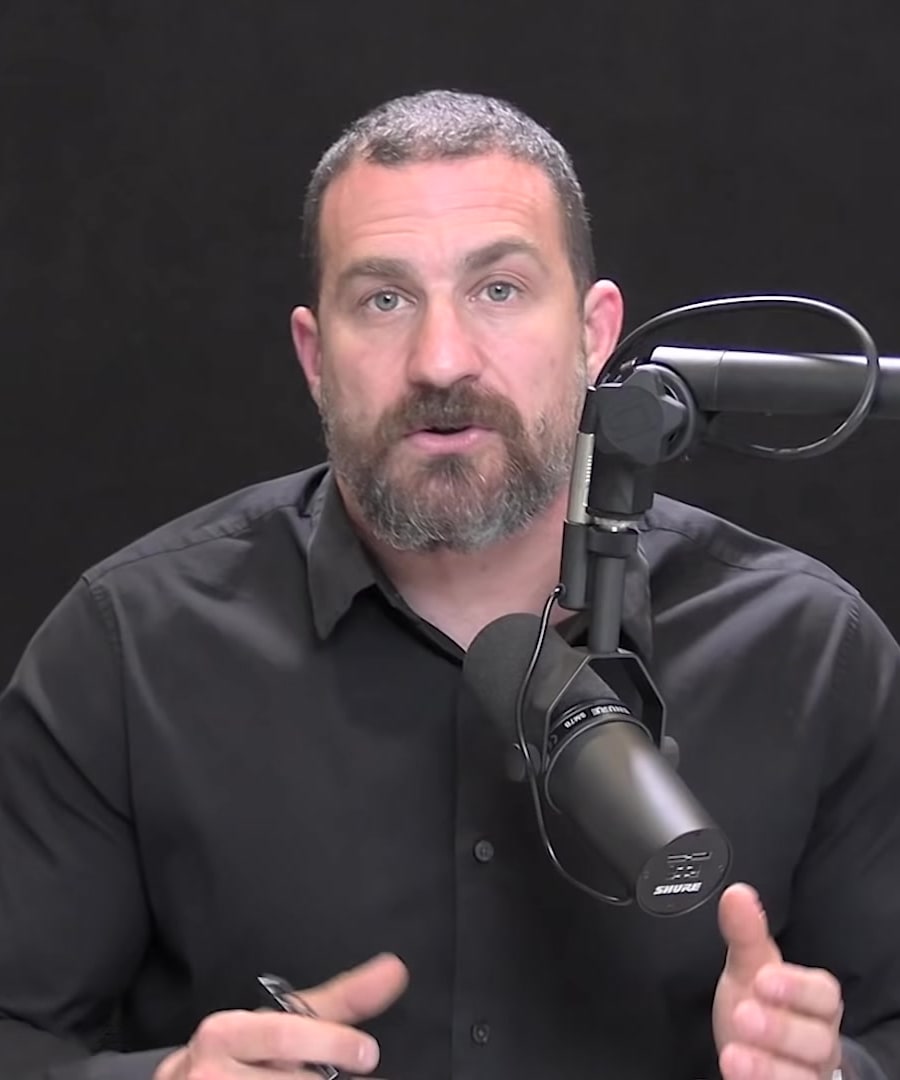










Questions from this episode
- Asked by 1,306 people
- Asked by 1,203 people
- Asked by 569 people
- Asked by 413 people
- Asked by 261 people
- Asked by 243 people
- Asked by 230 people
- Asked by 213 people
- Asked by 202 people
- Asked by 202 people
- Asked by 188 people
- Asked by 184 people
- Asked by 172 people
- Asked by 170 people
Episode Highlights
Glucose Role
emphasizes the critical role of glucose as the primary fuel for the brain, highlighting its necessity for neuron activity and metabolism. He explains that glucose is converted from carbohydrates and transported to the brain by astrocytes, which are essential for brain function and plasticity 1. This process underscores the importance of glucose in maintaining mental clarity and cognitive performance.
Your brain is going to work best when it's got glucose available, whether you like to fast or not, that's just the reality of things.
---
Huberman also discusses how sugar impacts the nervous system through its taste and nutritive content, influencing cravings and consumption behaviors 2.
Fructose Impact
Fructose, another common sugar, is metabolized differently from glucose, impacting hunger and energy levels. notes that fructose must be converted into glucose in the liver, affecting hormones like Ghrelin, which increases hunger 3. This conversion can lead to increased appetite, particularly for sugary and fatty foods.
Fructose increases Ghrelin, so although calories in and calories out is the fundamental principle, ingesting fructose shifts our hormone system.
---
While fructose in fruits is not inherently fattening, high fructose corn syrup poses significant health risks due to its high concentration 4.
Related Episodes

How Our Hormones Control Our Hunger, Eating & Satiety | Huberman Lab Podcast #16
Answers 383 questionsHow Foods and Nutrients Control Our Moods | Huberman Lab Podcast #11
Answers 383 questionsUsing Salt to Optimize Mental & Physical Performance | Huberman Lab Podcast #63
Answers 383 questionsUsing Science to Optimize Sleep, Learning & Metabolism | Huberman Lab Podcast #3
Answers 383 questionsNutrients For Brain Health & Performance | Huberman Lab Podcast #42
Answers 383 questionsUsing Caffeine to Optimize Mental & Physical Performance | Huberman Lab Podcast 101
Answers 383 questionsHow Your Nervous System Works & Changes | Huberman Lab Podcast #1
Answers 383 questionsControl Pain & Heal Faster with Your Brain | Huberman Lab Podcast #9
Answers 383 questions