Journal Club with Dr. Peter Attia | Metformin for Longevity & The Power of Belief Effects

Topics covered
Popular Clips
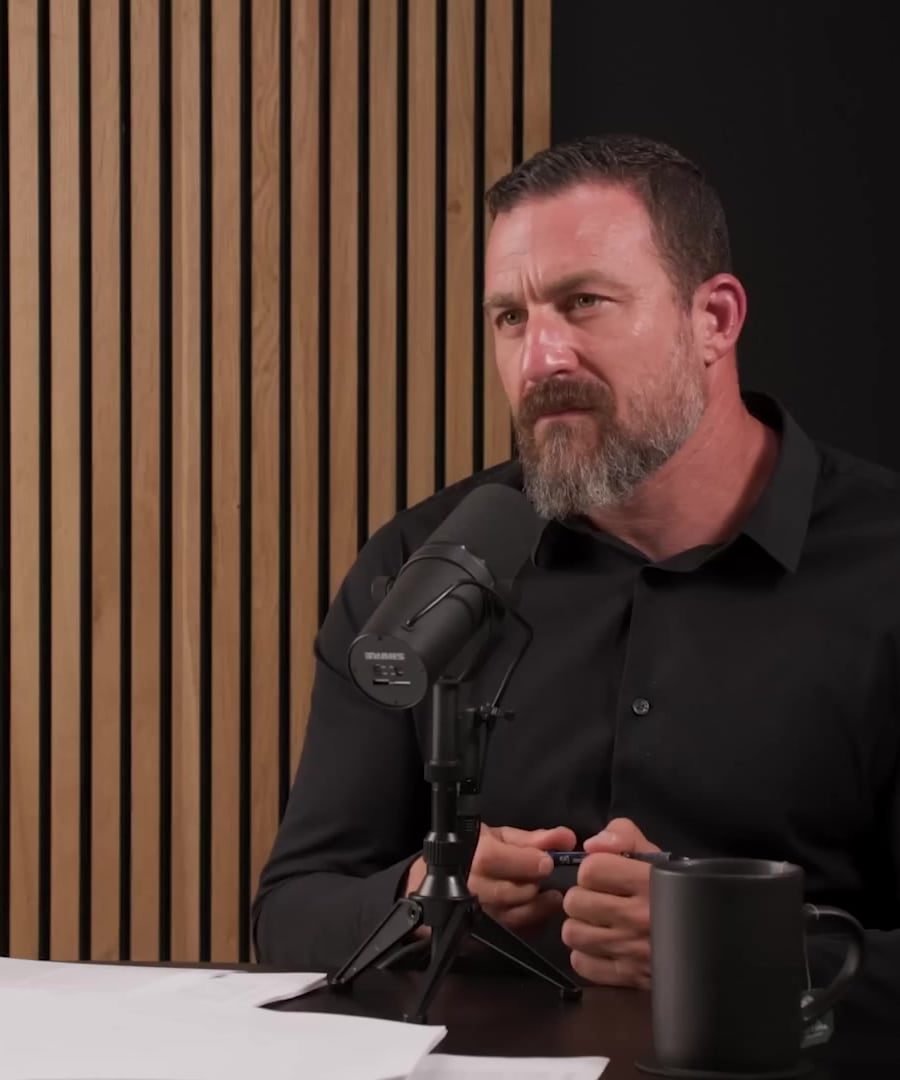
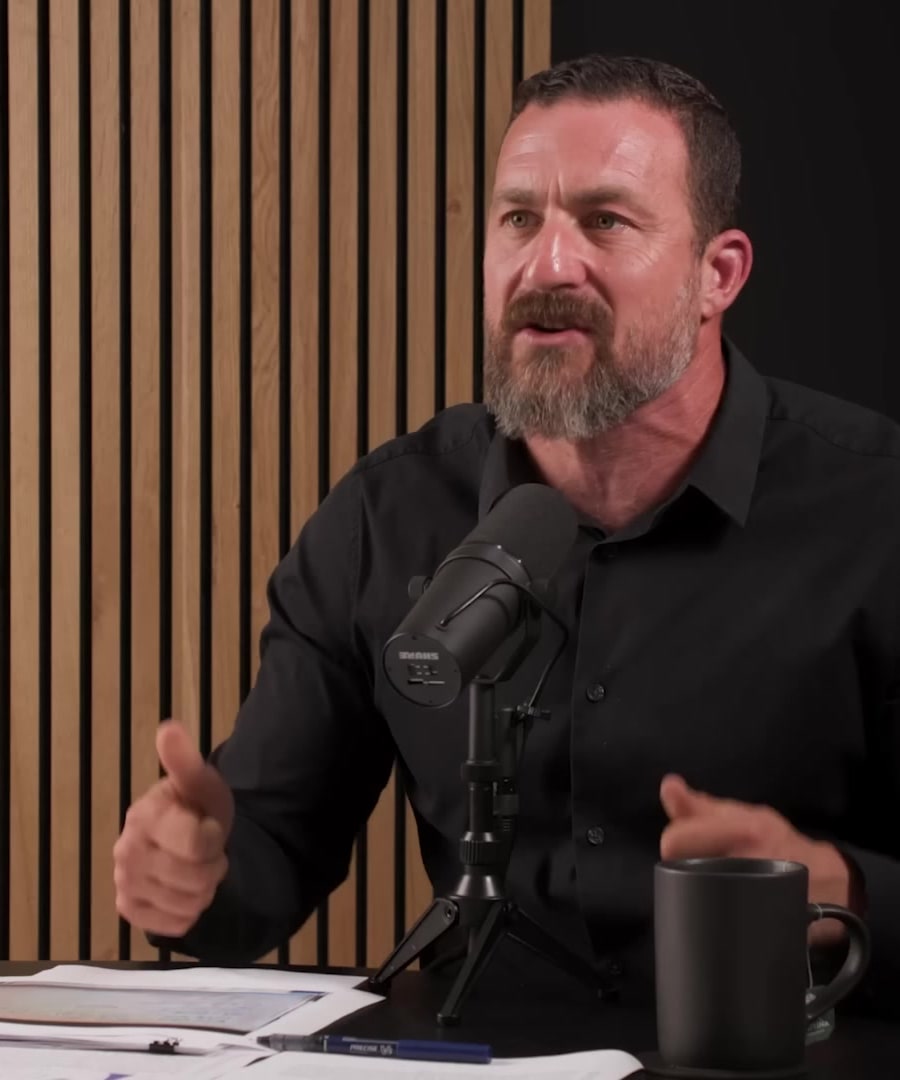

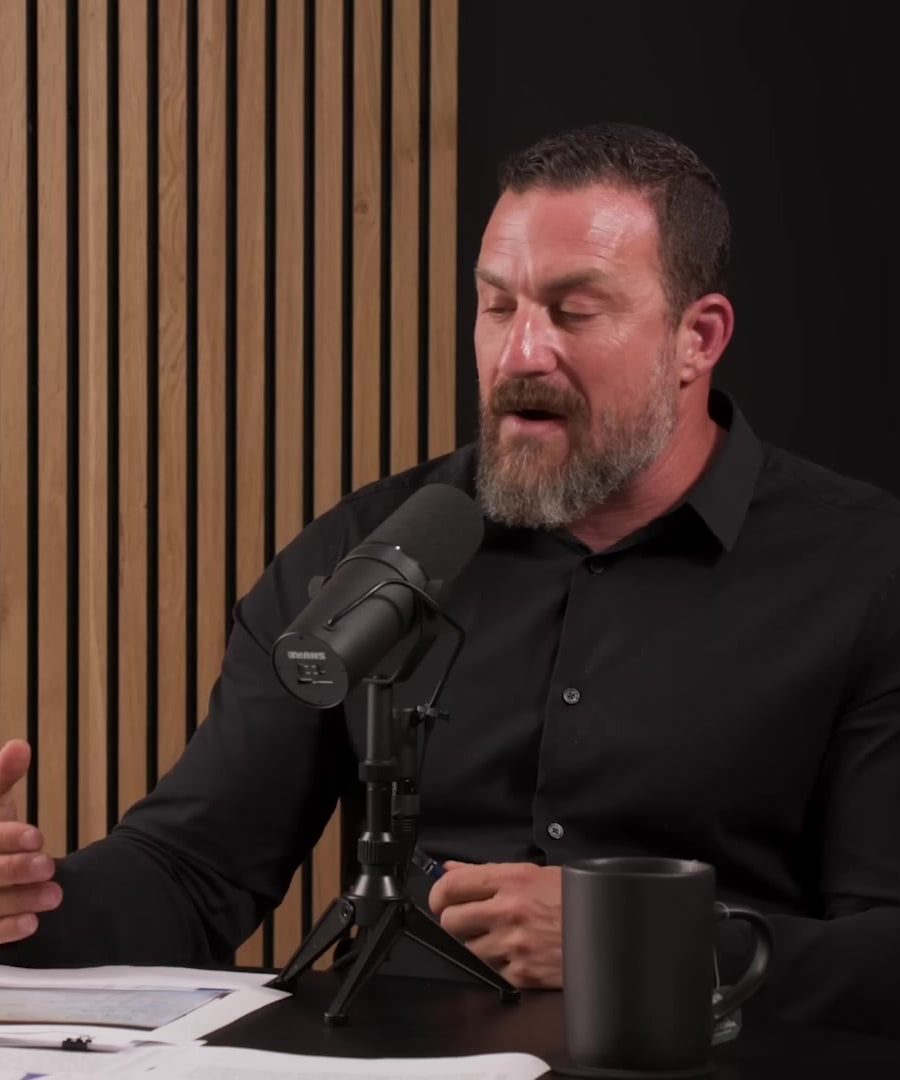



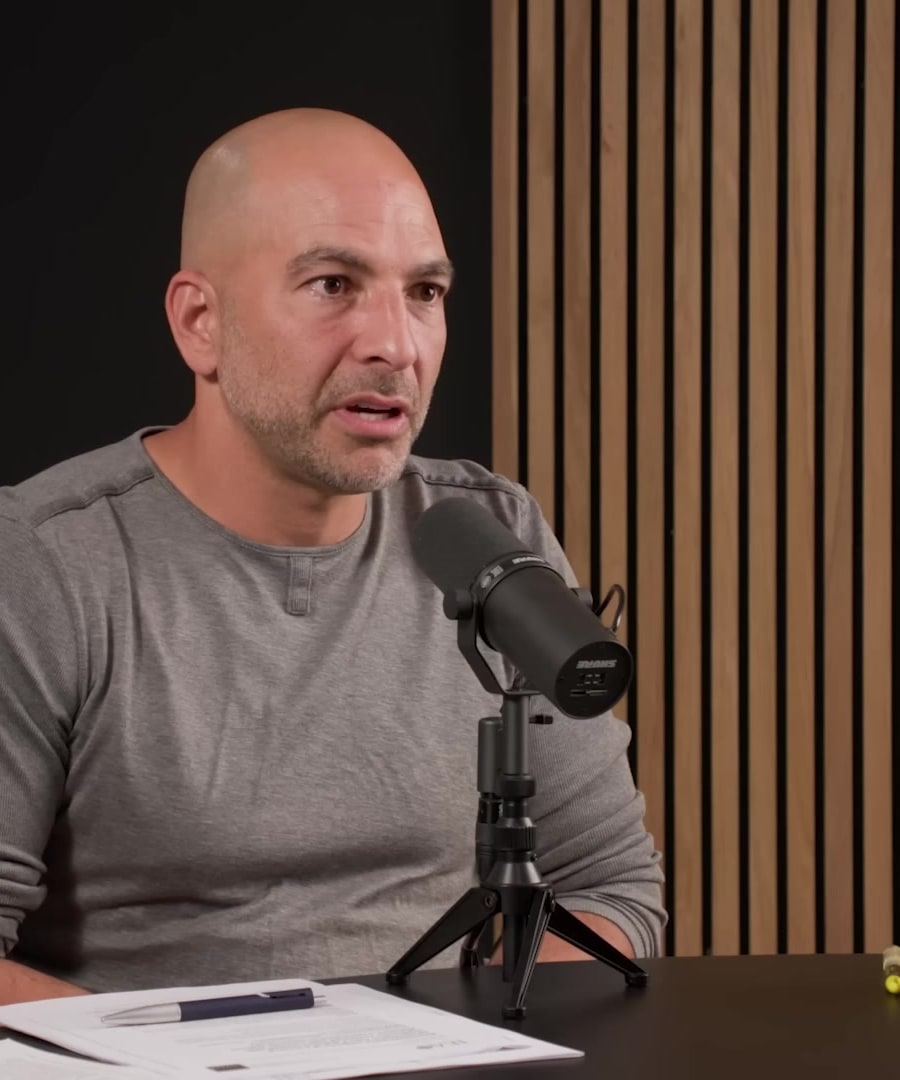




Questions from this episode
- Asked by 5,420 people
- Asked by 1,311 people
- Asked by 1,213 people
- Asked by 573 people
- Asked by 418 people
- Asked by 406 people
- Asked by 246 people
- Asked by 236 people
- Asked by 233 people
- Asked by 215 people
- Asked by 192 people
- Asked by 172 people
- Asked by 172 people
- Asked by 160 people
Episode Highlights
Placebo vs. Belief
and discuss the distinction between placebo effects and belief effects. Placebo effects are binary and based on whether a person believes they are receiving a treatment or not. Belief effects, however, involve a deeper psychological and physiological shift based on one's knowledge and expectations about the treatment. Huberman shares an example from high school where kids acted drunk after drinking non-alcoholic beer, illustrating the power of belief effects 1. Attia highlights a study showing that people's brains react to nicotine based on what they believe about the dose, not the actual dose 2.
Experimental Findings
They delve into specific studies that demonstrate how belief about drug dosage impacts physiological responses. In one study, participants were given the same amount of nicotine but were told they received different doses. Their brain activation levels varied according to what they believed they had received, not the actual dose 3. This finding suggests that belief can modulate the brain's response to drugs, potentially bypassing pharmacology to some extent. Attia and Huberman discuss the implications of these findings, including the potential for using belief effects in medical treatments 4.
Implications
The broader implications of belief effects on drug efficacy and health outcomes are profound. Huberman suggests that belief effects could be leveraged to enhance the effectiveness of treatments, such as reducing medication dosages while maintaining efficacy 5. He also discusses how stress perception can alter performance, with people performing better or worse based on whether they believe stress is beneficial or detrimental 6. These insights open up new avenues for optimizing health interventions by harnessing the power of belief.
Related Episodes


Dr. Peter Attia: Supplements for Longevity & Their Efficacy
Answers 383 questions
Dr. Rhonda Patrick: Micronutrients for Health & Longevity | Huberman Lab Podcast #70
Answers 383 questions
Dr. Robert Lustig: How Sugar & Processed Foods Impact Your Health
Answers 383 questions
Dr. Gabrielle Lyon: How to Exercise & Eat for Optimal Health & Longevity
Answers 383 questions
Dr. Ellen Langer: Using Your Mind to Control Your Physical Health & Longevity
Answers 383 questions
Dr. Layne Norton: Tools for Nutrition & Fitness
Answers 383 questionsUsing Science to Optimize Sleep, Learning & Metabolism | Huberman Lab Podcast #3
Answers 383 questions