Dr. Stuart McGill: Build a Strong, Pain-Proof Back

Topics covered
Popular Clips


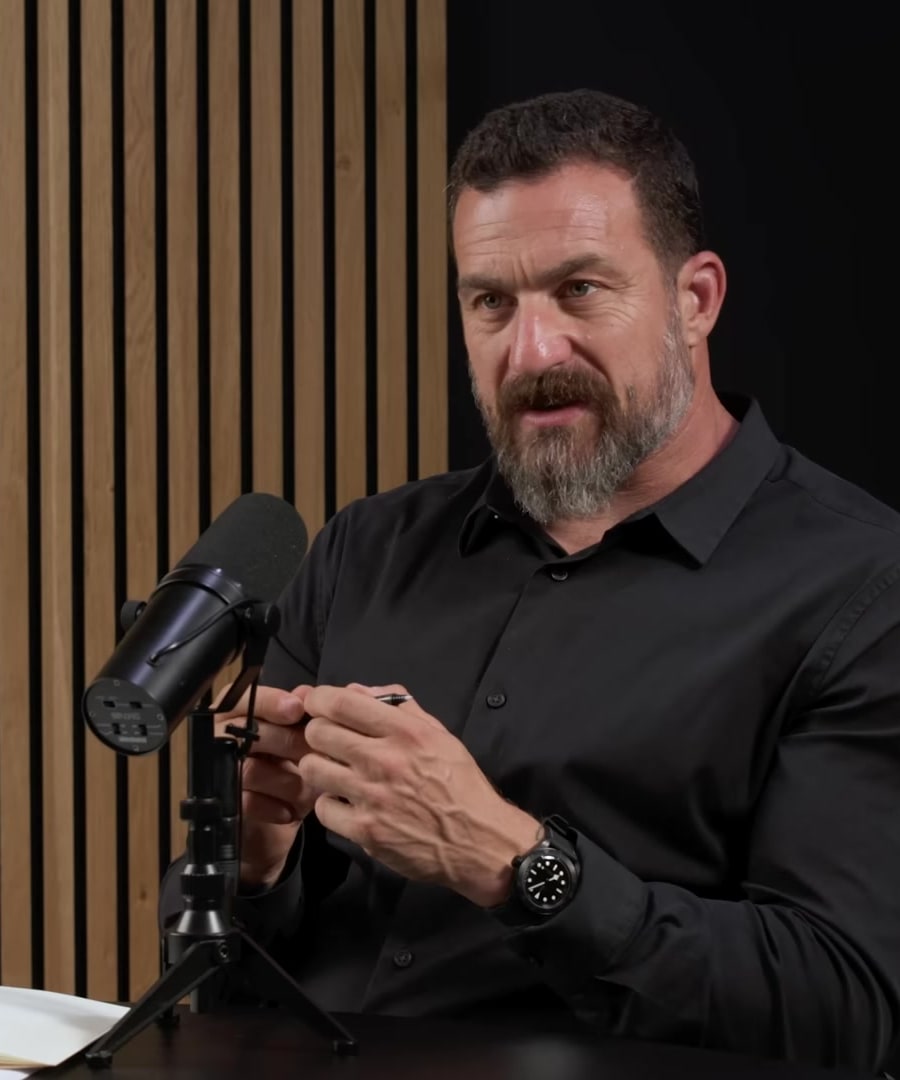

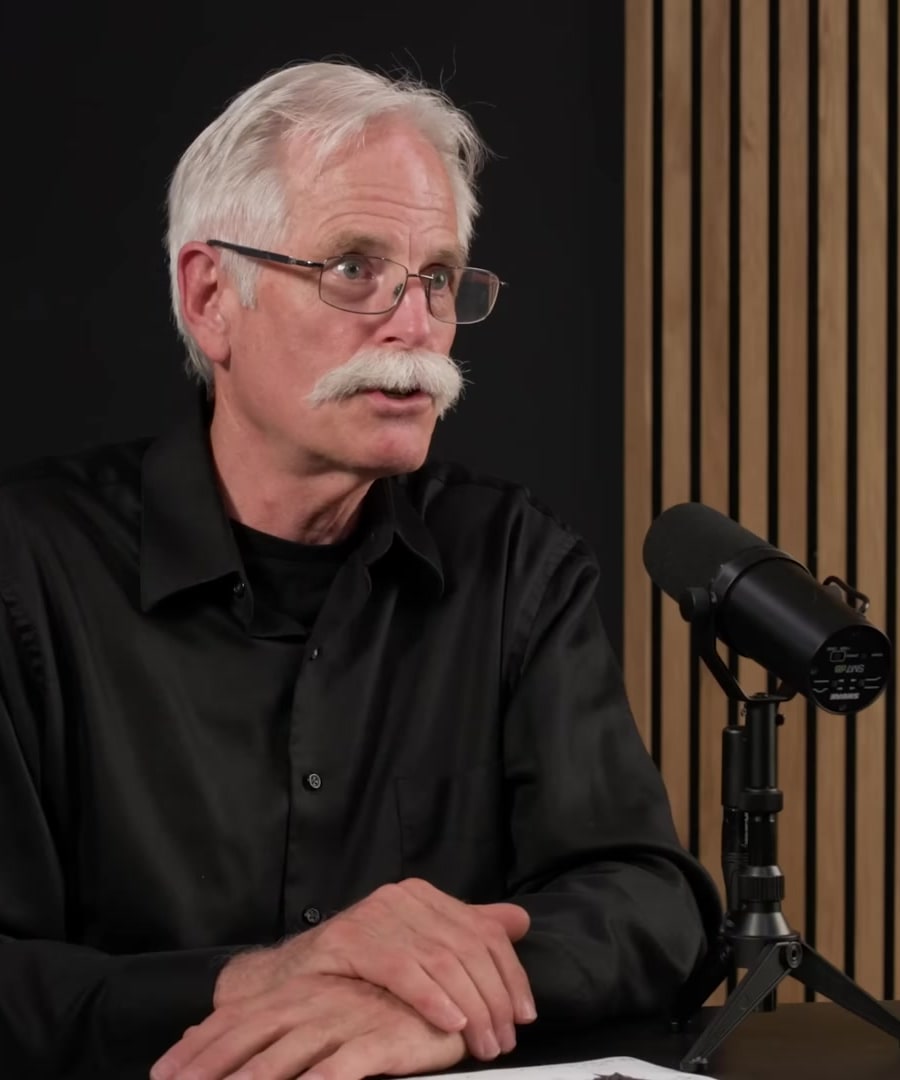
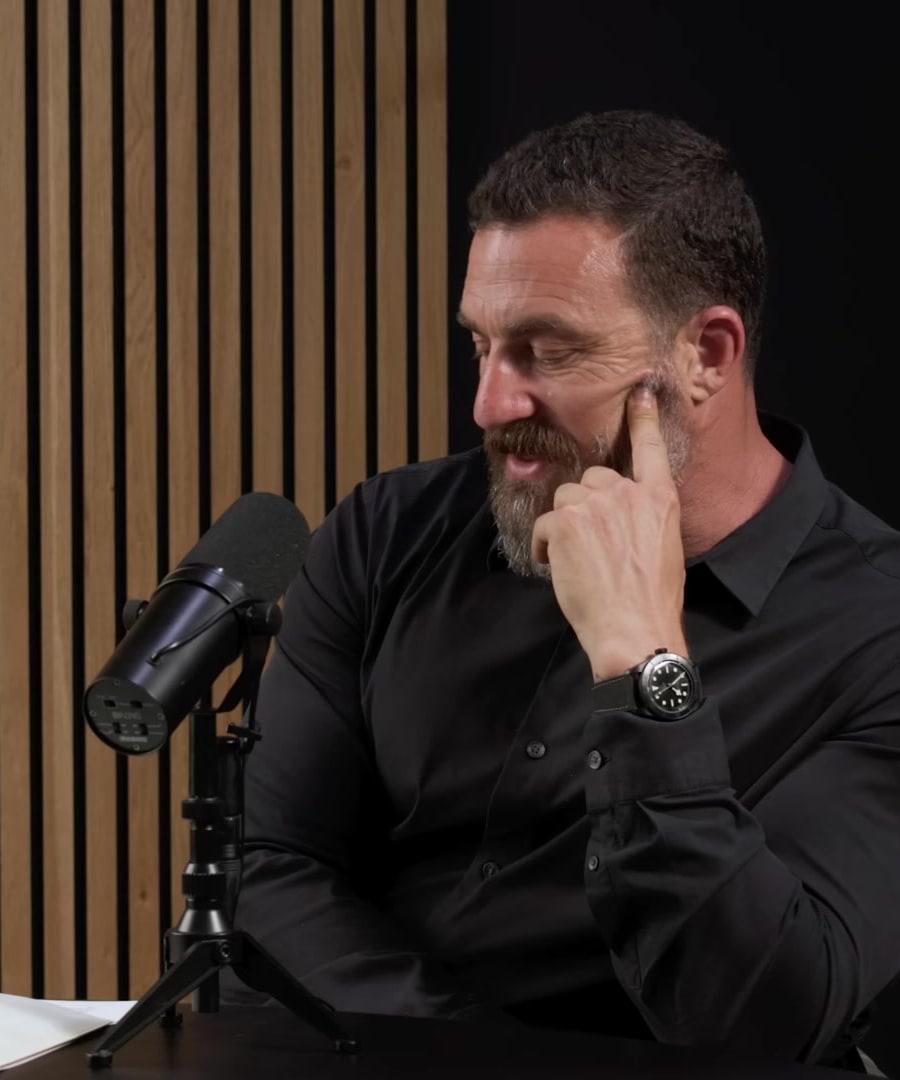
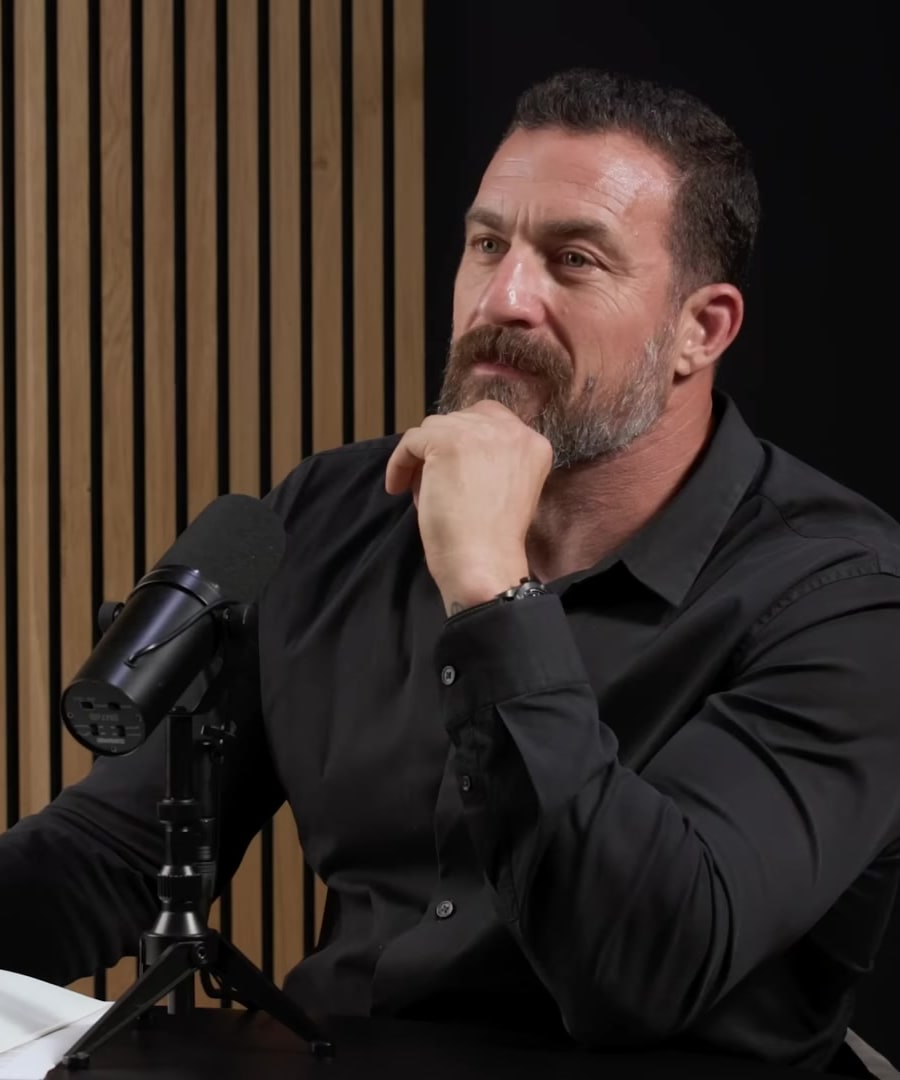
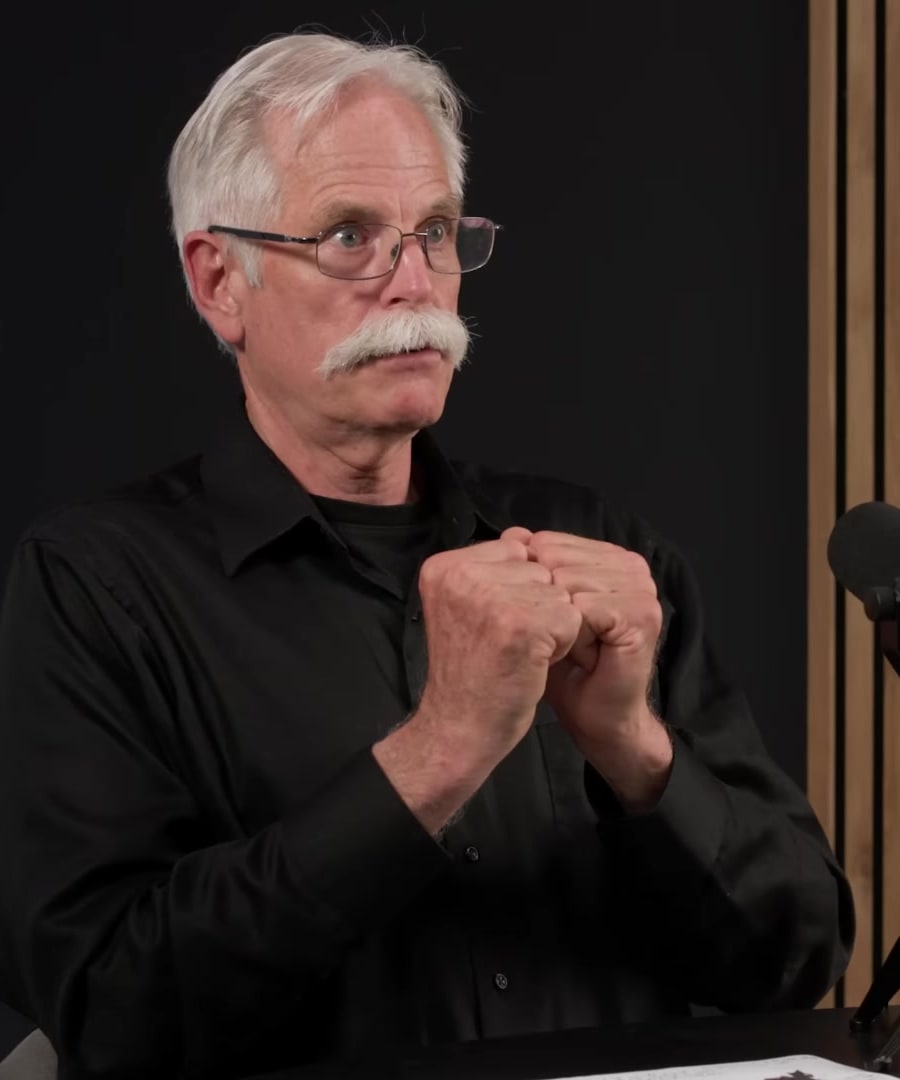
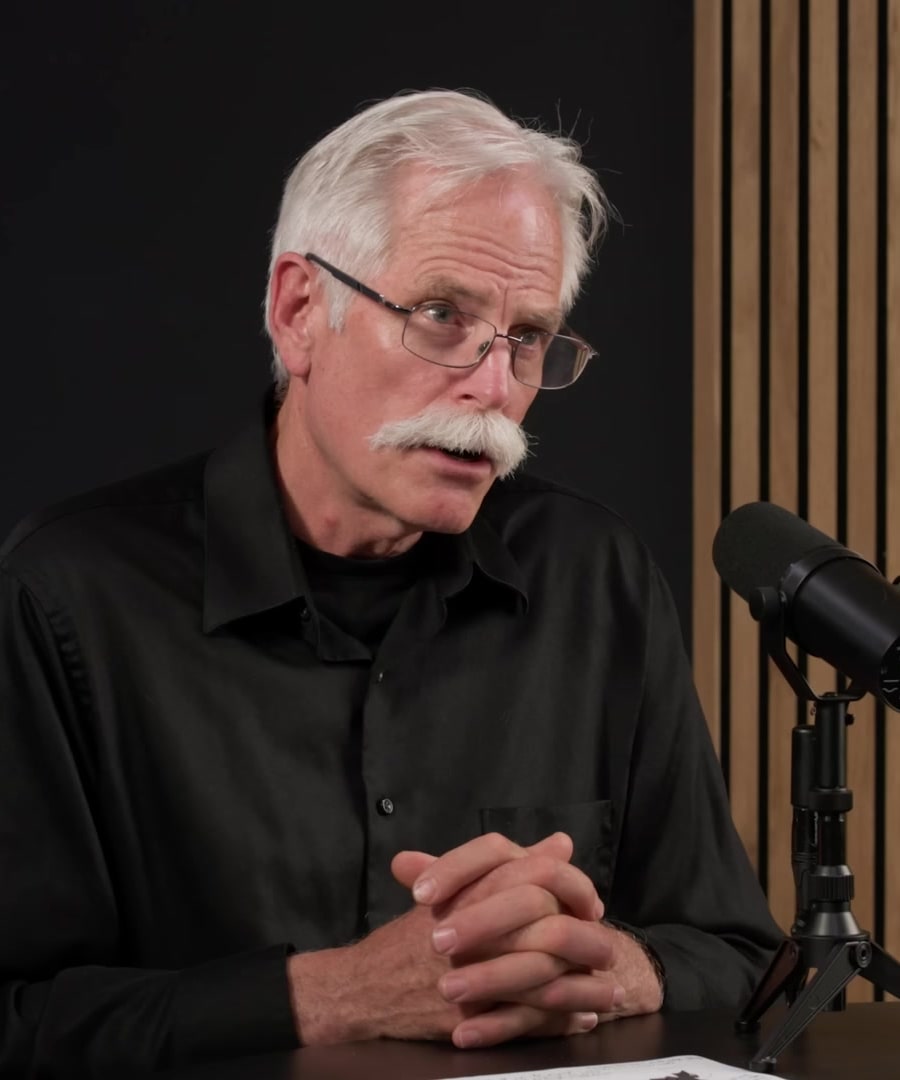




Questions from this episode
- Asked by 1,238 people
- Asked by 491 people
- Asked by 246 people
- Asked by 245 people
- Asked by 178 people
- Asked by 158 people
- Asked by 141 people
- Asked by 116 people
- Asked by 116 people
- Asked by 115 people
- Asked by 105 people
- Asked by 94 people
- Asked by 84 people
- Asked by 82 people
- Asked by 81 people
Episode Highlights
Movement Techniques
Correct posture and movement methods are crucial in preventing back injuries during physical activities. emphasizes the importance of the hip hinge technique, which involves bending at the hips rather than the spine to avoid stress concentrations 1. This method is tailored to individual anatomy, such as hip socket depth, to optimize lifting techniques and minimize injury risk. He explains, "We can really play jazz on this to optimize the best variant to get optimal reward with minimal risk" 2. By adjusting exercises like squats and deadlifts to one's biomechanics, individuals can safely enhance their physical performance.
Moderation
Balancing exercise intensity is key to reducing injury risk and ensuring long-term fitness. and Dr. McGill discuss the importance of training consistently without pushing into pain, highlighting that injuries can have asymmetric consequences 3. Dr. McGill notes that heavy lifting, such as deadlifts, may not always align with one's fitness goals and can lead to joint issues 4. He advises, "The more you deadlift, the less you will be able to throw a football and play golf," emphasizing the need for a diverse approach to physical activities.
Adaptation & Rest
Adaptation and rest are essential components of a sustainable fitness routine. Dr. McGill highlights the need for individualized training plans, particularly as one ages, to allow for adequate recovery and prevent overtraining 5. He shares his personal experience with seasonal training, illustrating the importance of rest days to maintain long-term health and performance. "Make sure you take that day off," he advises, "You will be less painful with your joints" 6. This approach ensures that fitness routines remain effective and enjoyable throughout different life stages.
Related Episodes

Protocols to Strengthen & Pain Proof Your Back
Answers 383 questions
Build Your Ideal Physique | Dr. Bret Contreras
Answers 383 questionsDr. Sean Mackey: Tools to Reduce & Manage Pain
Answers 383 questions
David Goggins: How to Build Immense Inner Strength
Answers 383 questionsControl Pain & Heal Faster with Your Brain | Huberman Lab Podcast #9
Answers 383 questions
Dr. Gary Steinberg: How to Improve Brain Health & Offset Neurodegeneration
Answers 383 questions
Pavel Tsatsouline: Build Strength, Endurance & Flexibility at Any Age
Answers 383 questions