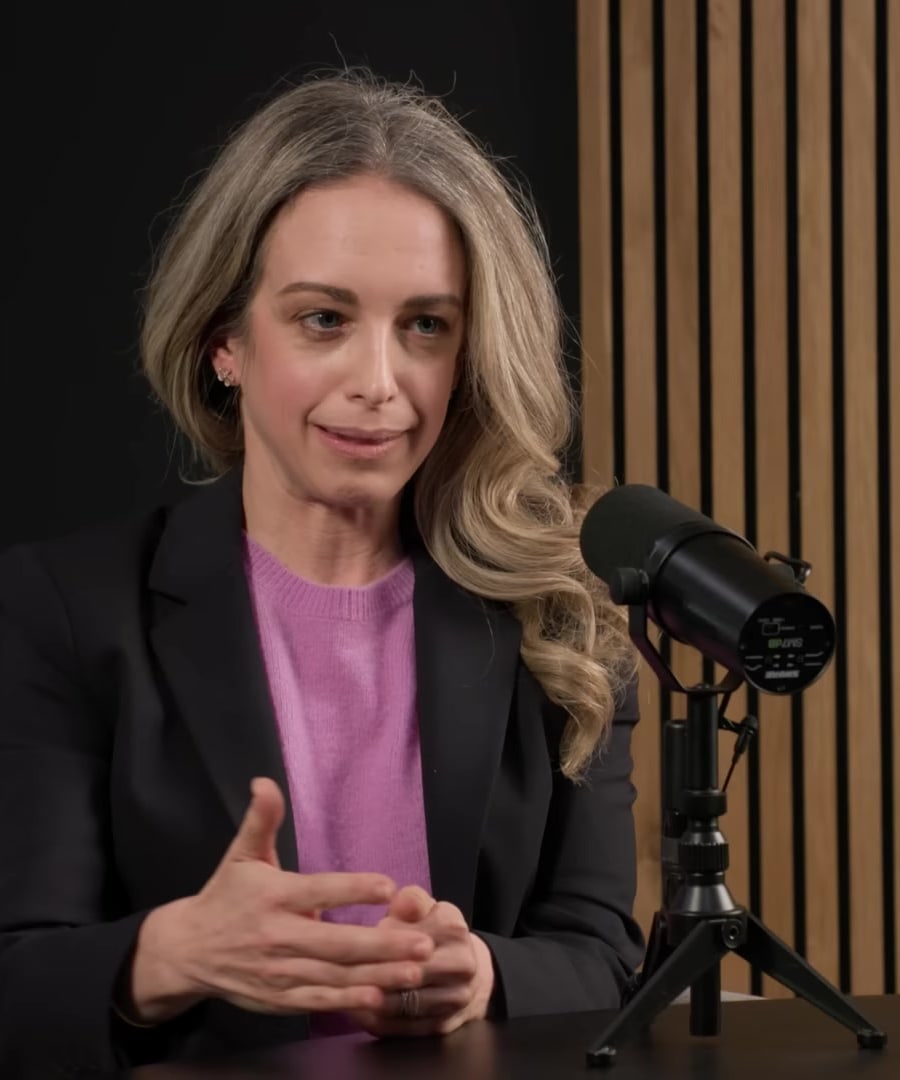
Dr. Becky Kennedy Protocols for Excellent Parenting & Improving Relationships of All Kinds

Topics covered
Popular Clips

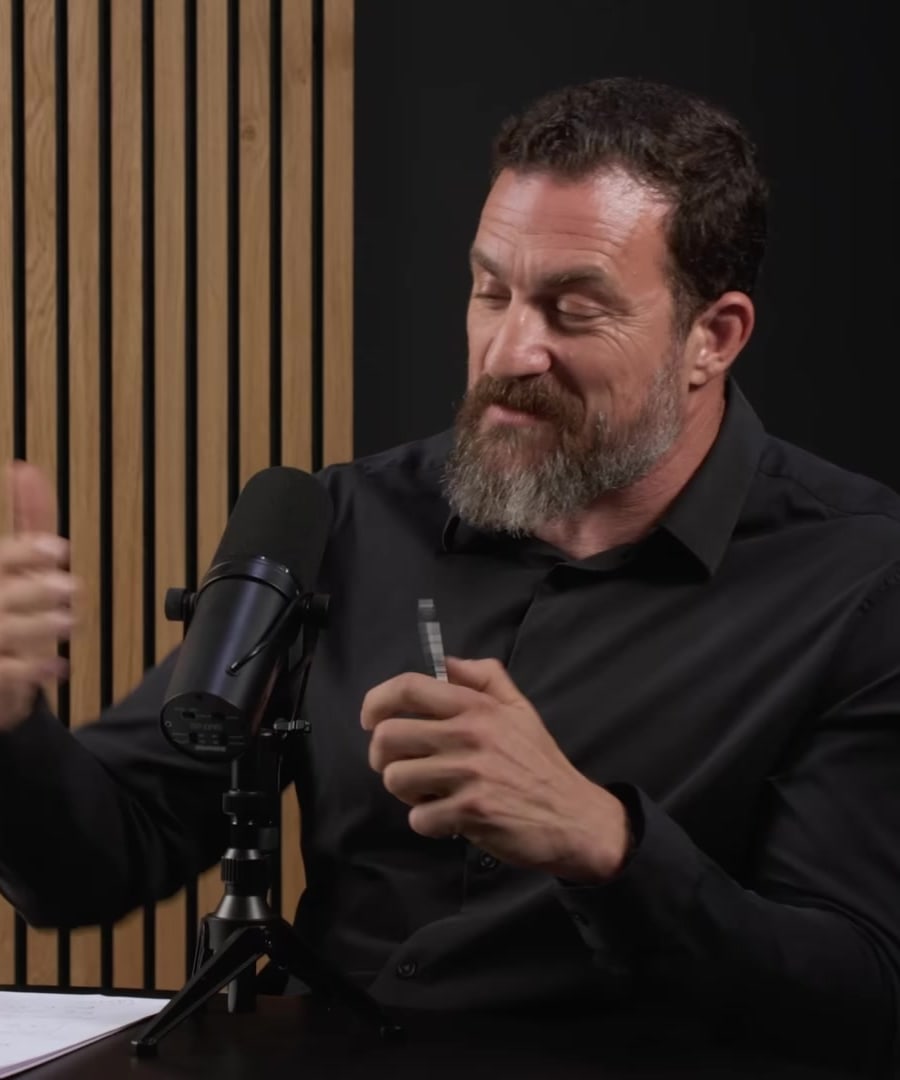
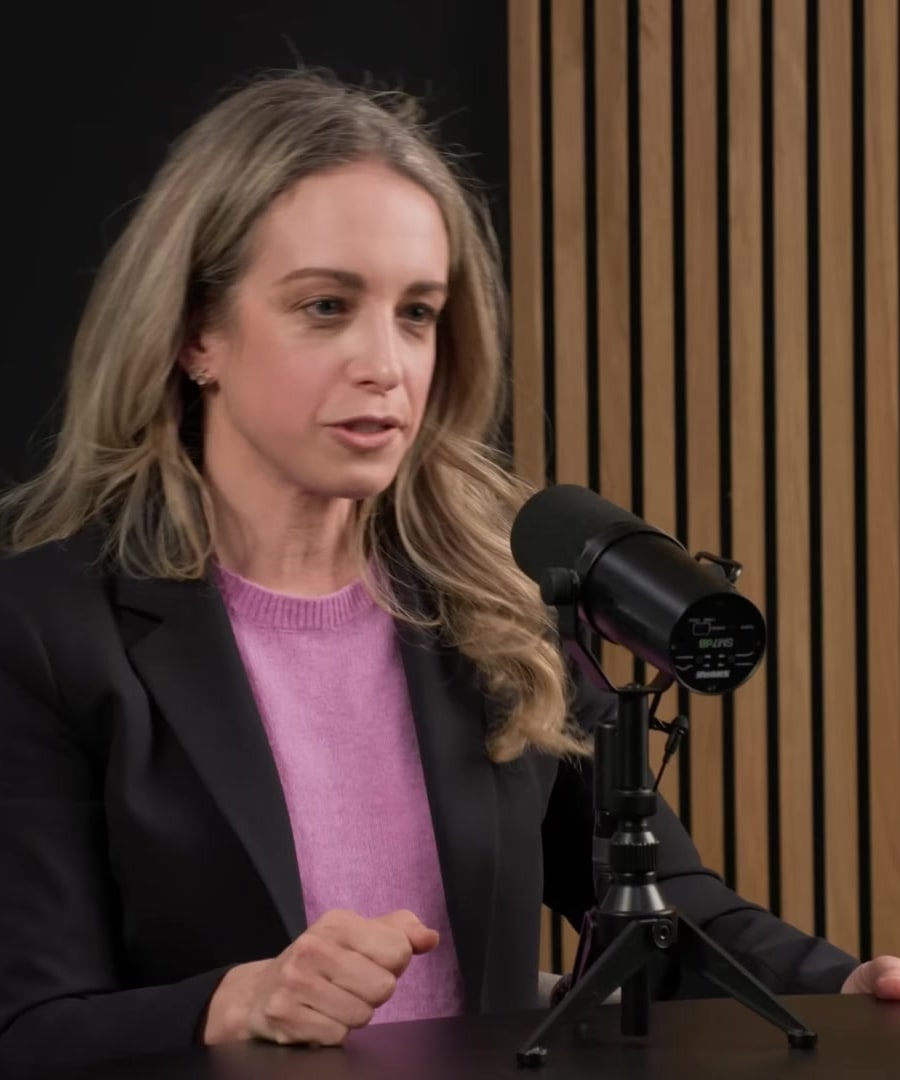
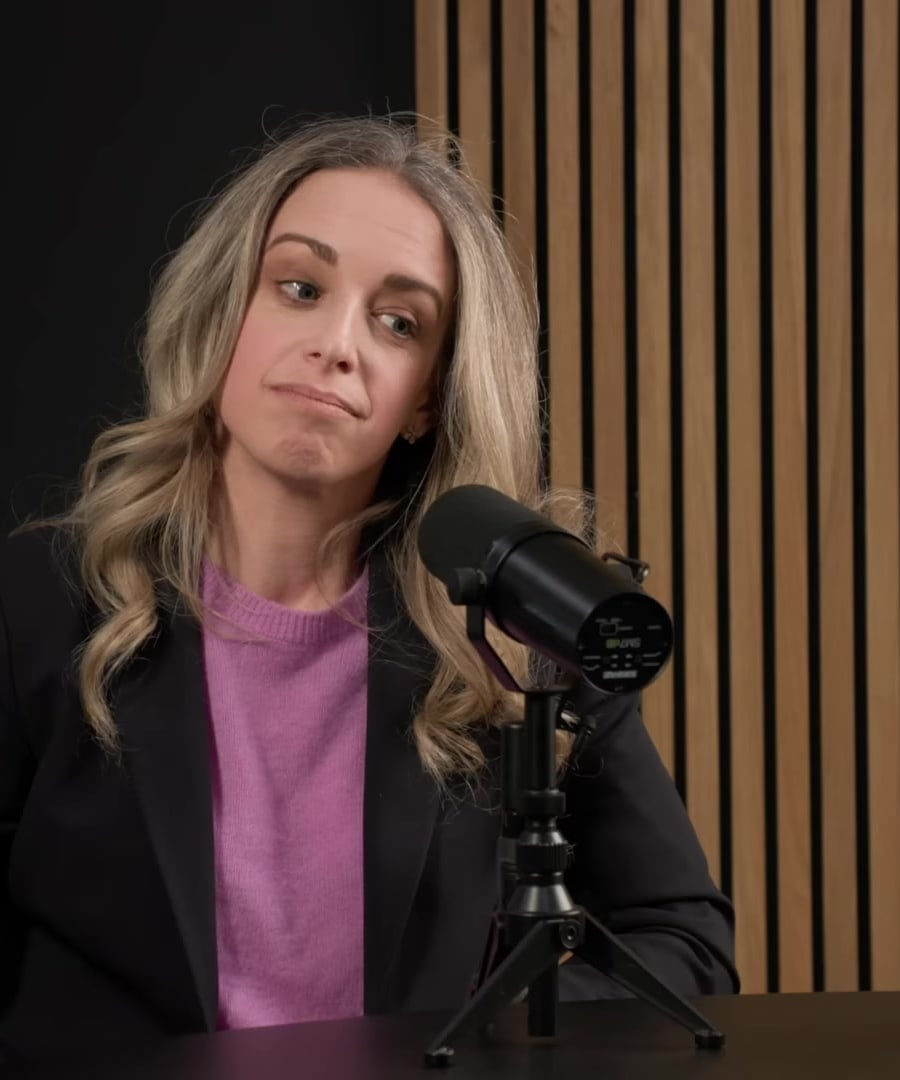
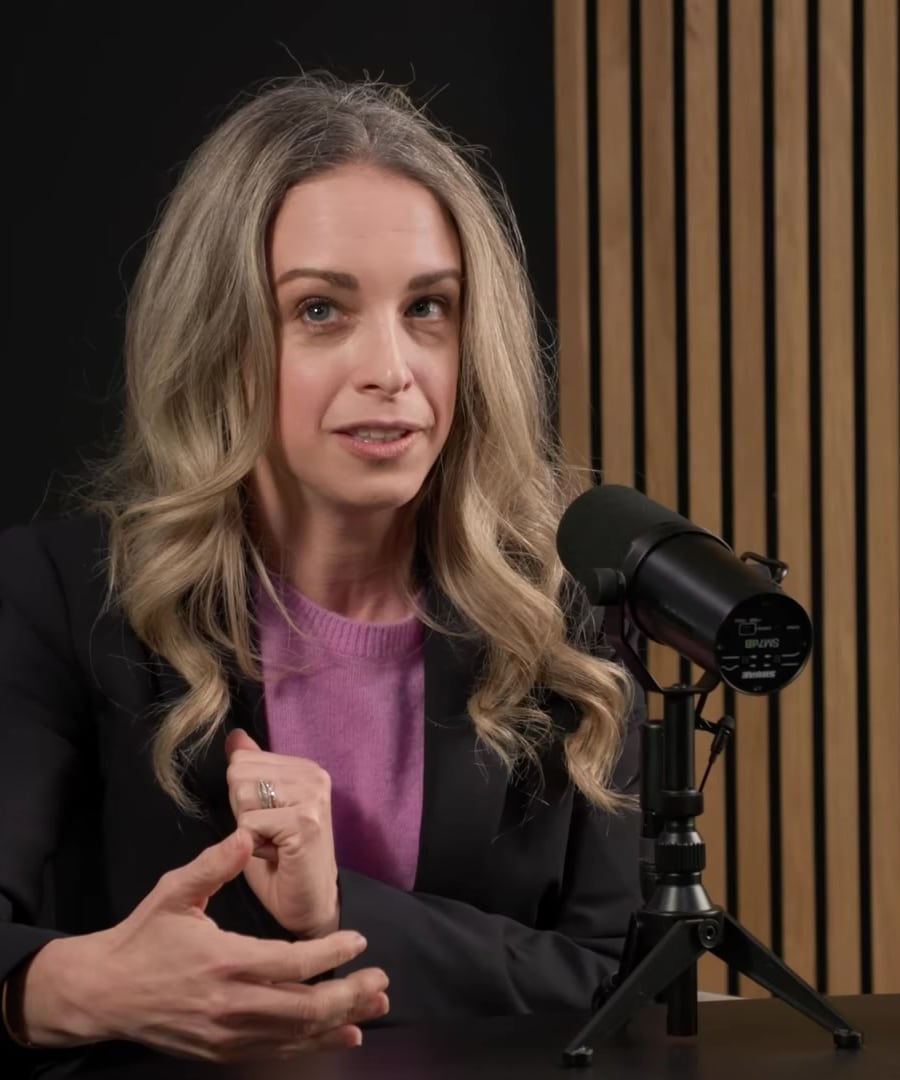

Questions from this episode
- Asked by 76 people
- Asked by 71 people
- Asked by 60 people
- Asked by 59 people
- Asked by 56 people
- Asked by 39 people
- Asked by 36 people
- Asked by 33 people
- Asked by 32 people
- Asked by 31 people
- Asked by 30 people
- Asked by 28 people
- Asked by 25 people
Episode Highlights
Intrinsic Discipline
Dr. Becky Kennedy challenges traditional parenting methods that rely on rewards and punishments, advocating for a more intrinsic approach to discipline. She suggests that children are inherently good and that their misbehavior often stems from a lack of skills to manage their emotions. "Feelings or urges without a skill to manage them," she explains, "are what bad behaviors are."
I can't imagine anyone thinking I could teach my kid to swim by punishing them for not swimming.
--- Dr. Becky Kennedy
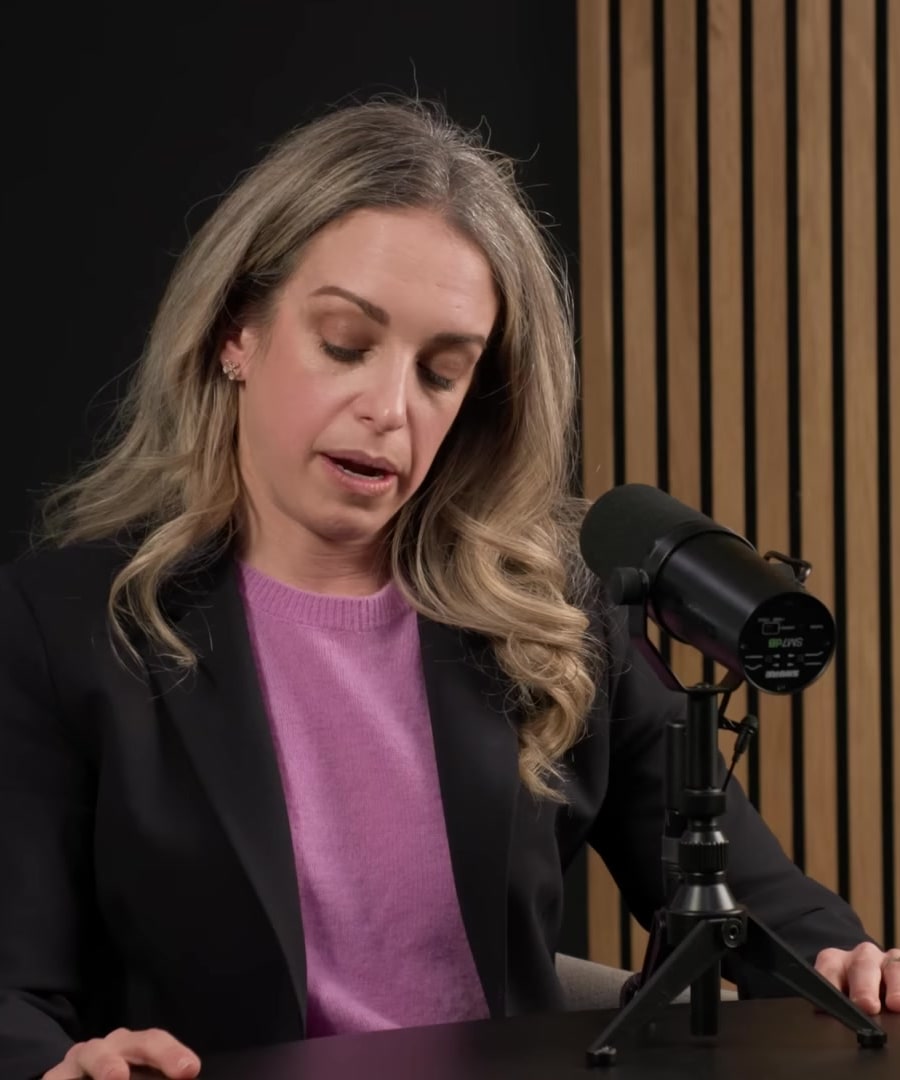
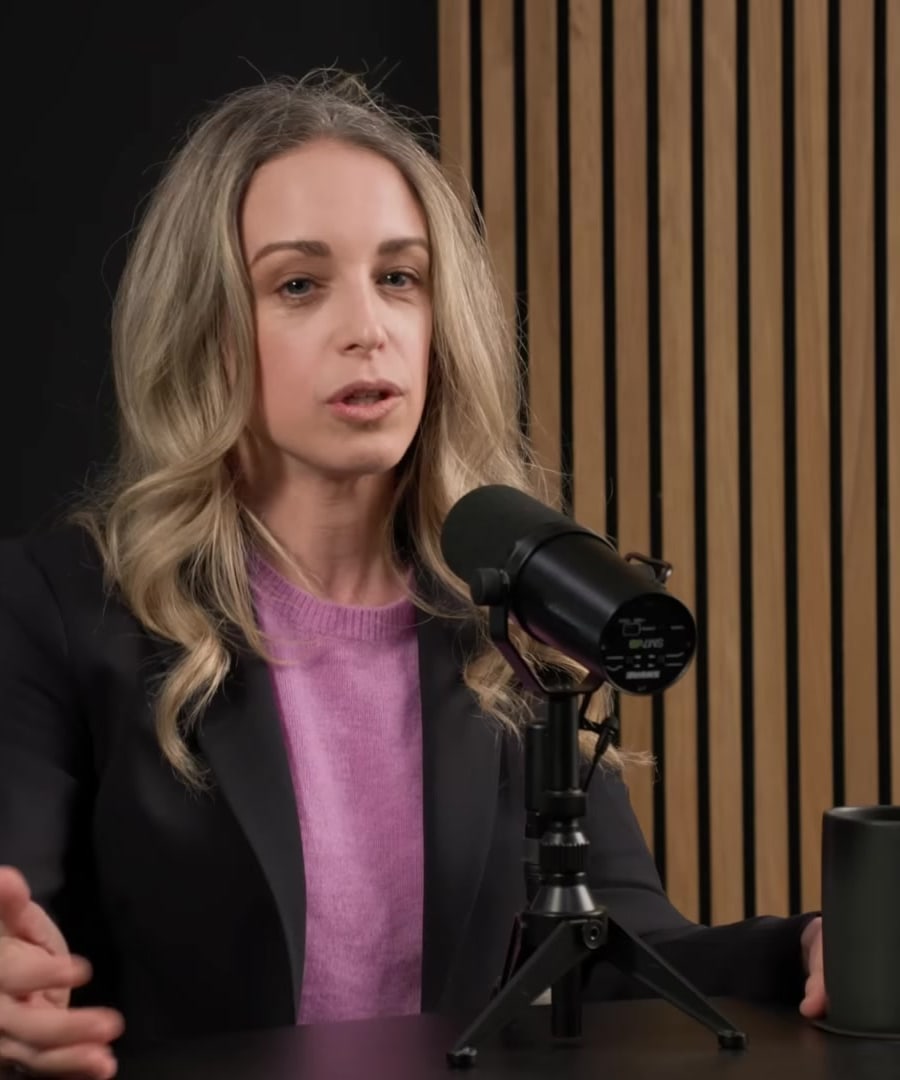
Instead of using bribes, Becky encourages parents to help children solve their own problems, fostering independence and self-regulation 1 2.
Emotional Resilience
Building emotional resilience in children is crucial for their development, according to Becky. She emphasizes the importance of teaching children how to manage disappointment and frustration, rather than shielding them from these emotions. "What do I do outside the moment to help my kid build the skills," she asks, highlighting the need for skill-building beyond immediate reactions.
I think the best question here is, what do I do outside the moment to help my kid build the skills so they actually have more of a skill the next time that moment comes.
--- Dr. Becky Kennedy
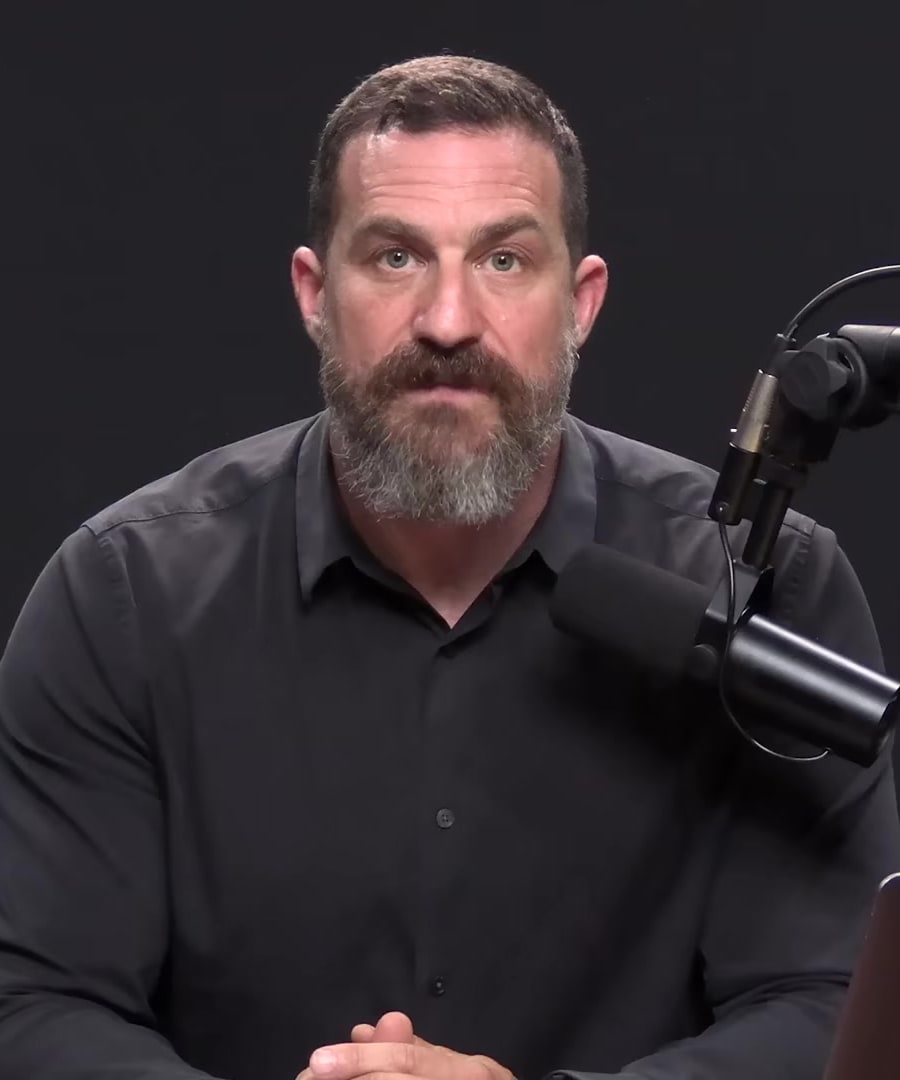
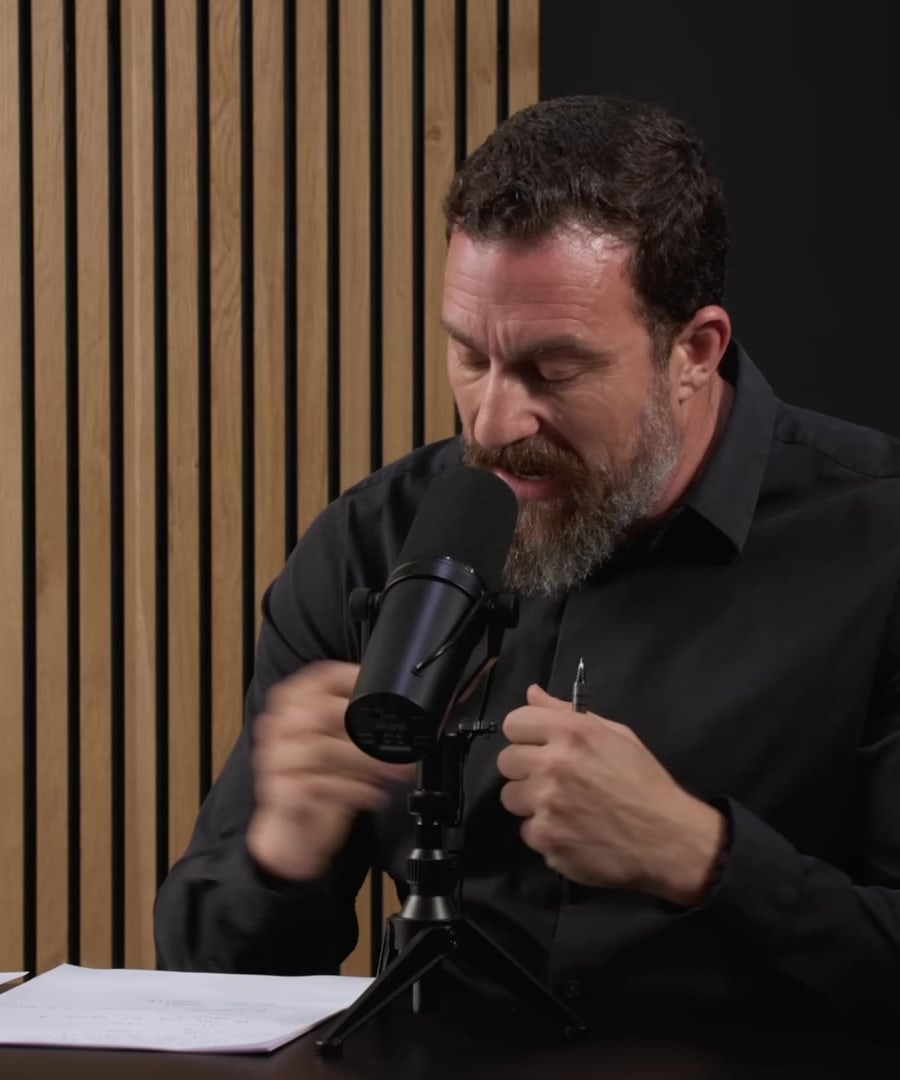
Andrew Huberman adds that understanding the role of neuromodulators in learning hard tasks can aid in developing resilience 3 4.
Guiding Emotions
Navigating the emotional landscape of children, especially teenagers, requires understanding and patience. Becky discusses the natural process of adolescents seeking independence and forming their own identities, which can be challenging for parents. "The distance they take from you is not their final point," she reassures, emphasizing the importance of maintaining a supportive home base.
The difference between an explorer and a nomad is whether or not you have a home base.
--- Dr. Becky Kennedy
She also highlights the value of embracing hardships as learning opportunities, teaching children that perseverance is key to success 5 6.
Related Episodes


Dr. Becky Kennedy: Overcoming Guilt & Building Tenacity in Kids & Adults
Answers 383 questions
Dr. Karen Parker: The Causes & Treatments for Autism
Answers 383 questions
Dr. Brian Keating: Charting the Architecture of the Universe & Human Life
Answers 383 questions
Dr. Laurie Santos: How to Achieve True Happiness Using Science-Based Protocols
Answers 383 questions
Dr. Paul Conti: Tools and Protocols for Mental Health | Huberman Lab Guest Series
Answers 383 questionsThe Science of Emotions & Relationships | Huberman Lab Podcast #13
Answers 383 questions
Dr. Allan Schore: How Relationships Shape Your Brain
Answers 383 questions
Esther Perel: How to Find, Build & Maintain Healthy Romantic Relationships
Answers 383 questions
Rick Rubin: Protocols to Access Creative Energy and Process
Answers 383 questionsProtocols to Strengthen & Pain Proof Your Back
Answers 383 questions
How to Find & Be a Great Romantic Partner | Lori Gottlieb
Answers 383 questions