Dr Layne Norton: The Science of Eating for Health, Fat Loss & Lean Muscle | Huberman Lab Podcast #97

Topics covered
Popular Clips










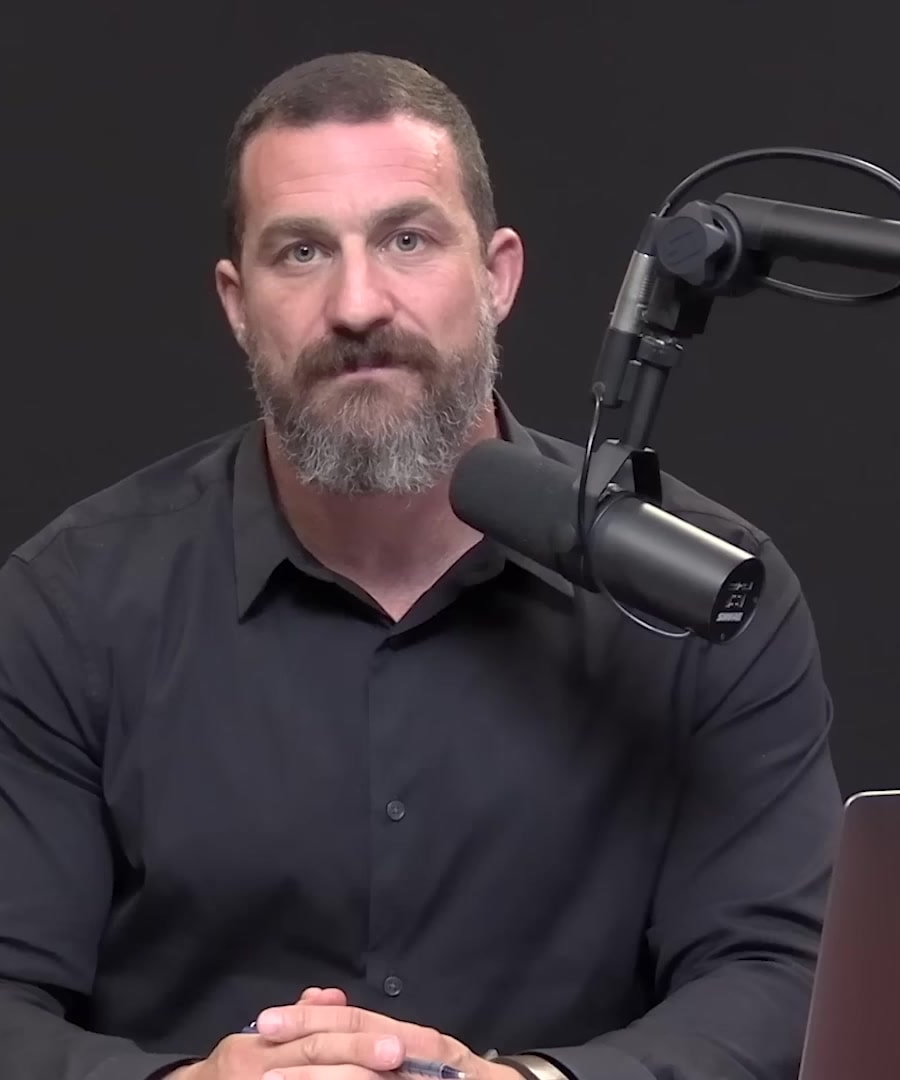


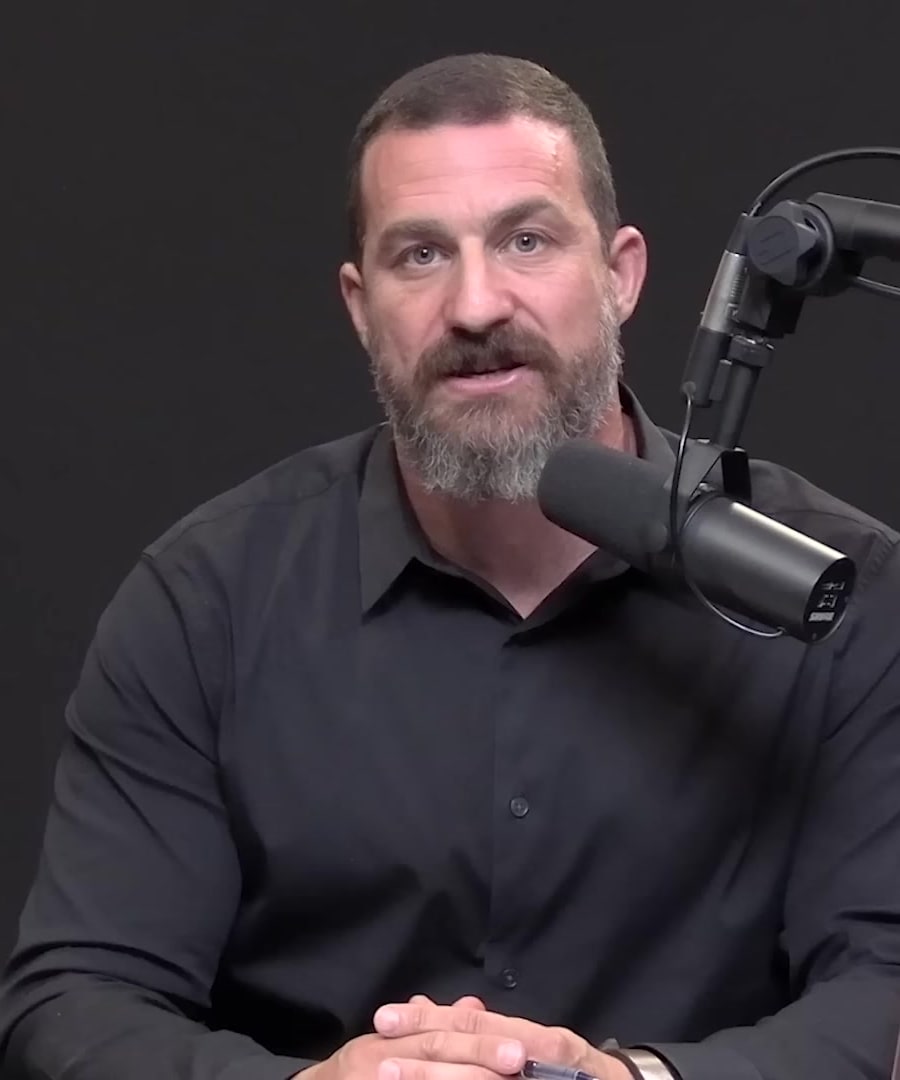
Questions from this episode
- Asked by 5,406 people
- Asked by 3,842 people
- Asked by 1,936 people
- Asked by 1,705 people
- Asked by 1,203 people
- Asked by 1,045 people
- Asked by 1,043 people
- Asked by 944 people
- Asked by 851 people
- Asked by 548 people
- Asked by 450 people
- Asked by 430 people
- Asked by 401 people
- Asked by 399 people
- Asked by 396 people
Episode Highlights
Microbiome
The gut microbiome plays a crucial role in weight loss and energy balance. highlights studies where fecal transplants from lean to obese mice resulted in weight loss, suggesting a significant impact of gut health on metabolism 1. discusses a study on artificial sweeteners, noting that sucralose may alter the gut microbiome, potentially improving insulin sensitivity and reducing adiposity 2. He emphasizes the complexity of understanding a healthy microbiome, stating:
We have a hard time understanding what a healthy microbiome looks like already.
---
These insights underscore the intricate relationship between gut health and metabolic processes.
Dietary Effects
Dietary choices significantly influence gut health and metabolism. explains that artificial sweeteners, while not inherently unhealthy, can have varied effects on blood glucose and insulin depending on the type 3. He also notes that fiber consistently shows positive impacts on metabolic health, highlighting its role as a prebiotic that supports gut microbiota 4. adds that high HDL levels often indicate good metabolic health, although drugs that raise HDL don't necessarily reduce cardiovascular risk 4.
Fiber seems to positively impact the gut because it is what's called a prebiotic.
--- Andrew Huberman
These discussions reveal the complex interplay between diet, gut health, and overall metabolic function.
Gut-Brain Axis
The gut-brain axis significantly influences metabolism and appetite regulation. describes how gut mechanosensors send signals to the brain, affecting satiety and potentially reducing food intake 5. emphasizes the interconnectedness of psychology and physiology, noting that social and psychological factors often drive eating behaviors beyond mere hunger 6. He states:
Psychology is physiology with most things.
--- Layne Norton
Understanding this connection can help tailor more effective strategies for managing appetite and weight.
Related Episodes


Dr. Layne Norton: Tools for Nutrition & Fitness
Answers 383 questionsHow to Lose Fat with Science-Based Tools | Huberman Lab Podcast #21
Answers 383 questionsThe Science of Healthy Hair, Hair Loss and How to Regrow Hair | Huberman Lab Podcast
Answers 383 questions
How to Lose Fat & Gain Muscle With Nutrition | Alan Aragon
Answers 383 questions
Dr. Rhonda Patrick: Micronutrients for Health & Longevity | Huberman Lab Podcast #70
Answers 383 questions
Dr. Gabrielle Lyon: How to Exercise & Eat for Optimal Health & Longevity
Answers 383 questionsNutrients For Brain Health & Performance | Huberman Lab Podcast #42
Answers 383 questionsThe Science of Making & Breaking Habits | Huberman Lab Podcast #53
Answers 383 questionsScience-Supported Tools to Accelerate Your Fitness Goals | Huberman Lab Podcast
Answers 383 questions