How to Achieve Inner Peace & Healing | Dr. Richard Schwartz

Topics covered
Popular Clips
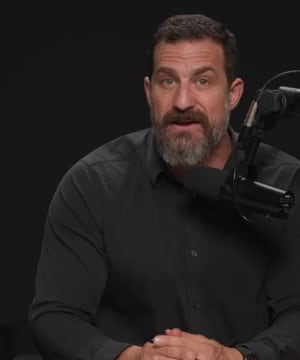

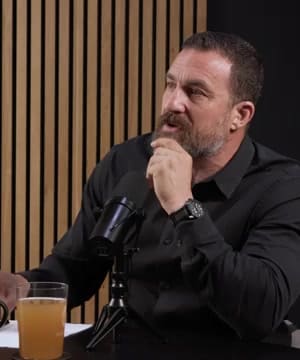
Episode Highlights
IFS Concepts
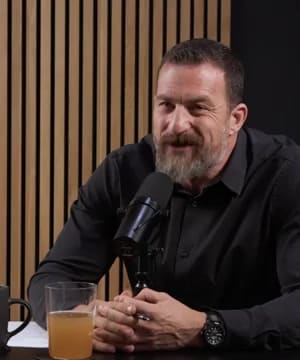
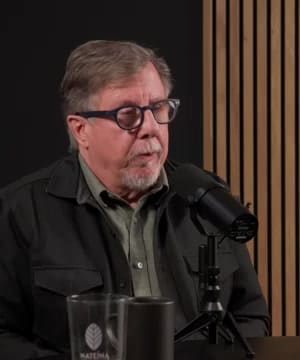
Dr. Richard Schwartz introduces Internal Family Systems (IFS) therapy, a unique approach that views the mind as a collection of parts, each shaped by different life experiences. He explains that these parts, or subpersonalities, can be protective but may also become destructive when influenced by trauma or attachment injuries 1. Schwartz emphasizes that understanding these parts can help transform negative reactions into positive responses, promoting confidence and compassion 2. He notes, "The mind isn't unitary; we're all multiple personalities, not in the diagnostic sense, but we all have these parts" 3.
Self-Session
During a guided IFS session, experiences the process of self-exploration, revealing how internal dialogues can lead to emotional shifts. He describes a sensation akin to a "teddy bear" inside him, which softens upon curiosity and inquiry 4. This session illustrates the potential of IFS to facilitate self-therapy, allowing individuals to become their own therapists by nurturing inner parts 5. Schwartz advises that this practice can be continued independently, suggesting, "Every day, check in with the parts you've been working with to see how they're doing" 6.
Body-Mind Link
The connection between physical sensations and emotional processing is a key aspect of IFS therapy. Schwartz explains that localizing emotions in the body helps bypass the cognitive mind, facilitating deeper emotional exploration 7. He highlights that even deeply ingrained beliefs, such as racism, can be addressed by understanding the burdens carried by different parts 8. "These parts are not the burdens they carry," Schwartz asserts, emphasizing the potential for transformation when these burdens are released.
Related Episodes


Dr. Paul Conti: Tools and Protocols for Mental Health | Huberman Lab Guest Series
Answers 383 questions
How to Overcome Inner Resistance | Steven Pressfield
Answers 383 questions
Dr. Ethan Kross: How to Control Your Inner Voice & Increase Your Resilience
Answers 383 questions
How to Make Yourself Unbreakable | DJ Shipley
Answers 383 questionsDr. Paul Conti: How to Improve Your Mental Health | Huberman Lab Guest Series
Answers 383 questionsThe Science & Process of Healing from Grief | Huberman Lab Podcast #74
Answers 383 questions
David Goggins: How to Build Immense Inner Strength
Answers 383 questions
Dr. Laurie Santos: How to Achieve True Happiness Using Science-Based Protocols
Answers 383 questions
Dr. Jordan Peterson: How to Best Guide Your Life Decisions & Path
Answers 383 questions
Dr. Victor Carrión: How to Heal From Post-Traumatic Stress Disorder (PTSD)
Answers 383 questions
Dr. James Hollis: How to Find Your True Purpose & Create Your Best Life
Answers 383 questions
Dr. Allan Schore: How Relationships Shape Your Brain
Answers 383 questions