Dr. Diego Bohórquez: The Science of Your Gut Sense & the Gut-Brain Axis

Topics covered
Popular Clips


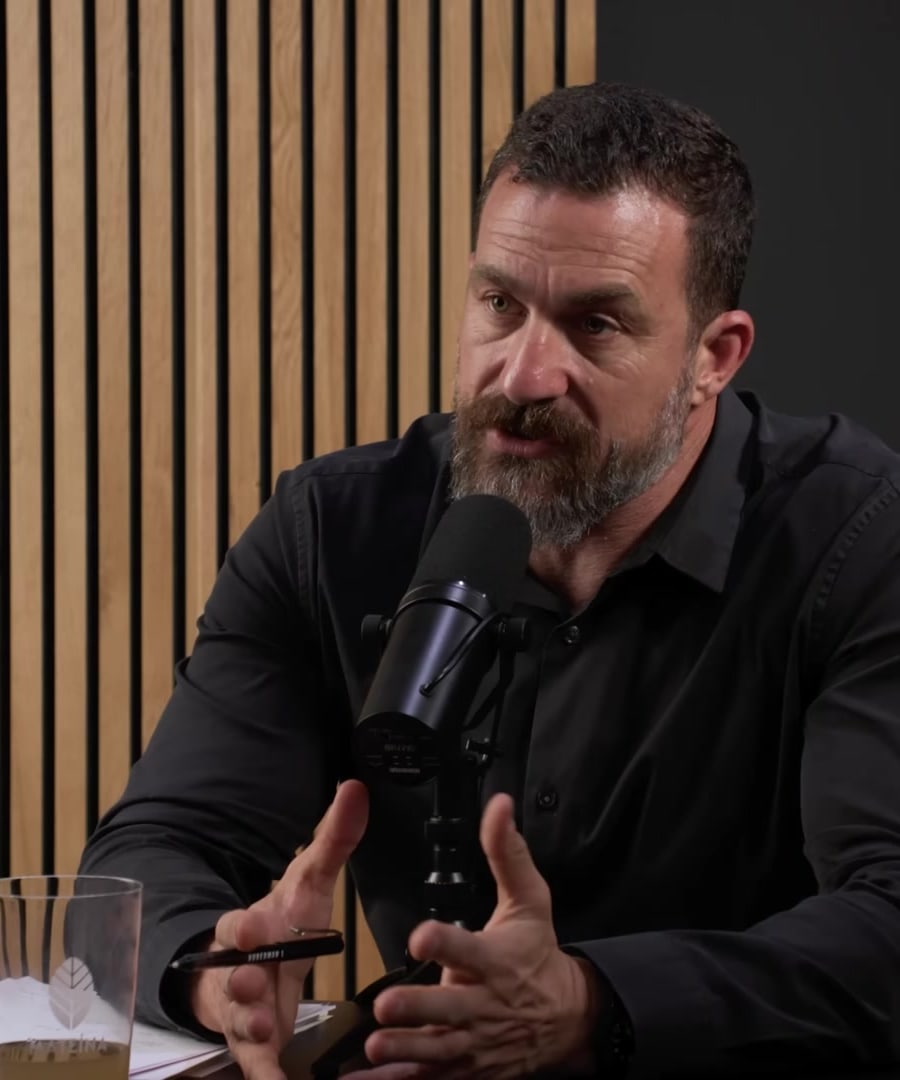
Questions from this episode
- Asked by 1,205 people
- Asked by 1,043 people
- Asked by 946 people
- Asked by 805 people
- Asked by 786 people
- Asked by 729 people
- Asked by 389 people
- Asked by 346 people
- Asked by 346 people
- Asked by 277 people
- Asked by 233 people
- Asked by 231 people
- Asked by 219 people
- Asked by 213 people
- Asked by 184 people
Episode Highlights
Surgery Effects
Gastric bypass surgery significantly alters gut physiology and food preferences. explains that the surgery involves reducing the stomach size and rerouting the intestines, which changes hormone and neuropeptide release, impacting food choices and diabetes resolution 1. He notes that even gastroenterologists initially knew little about these changes, but research has shown consistent shifts in food preferences post-surgery 2.
The whole idea was, at the very beginning was like, well, if we reduce the surface that is exposed to food, then we can reduce body weight by the simply reduction of surface that is exposed to the food that is absorbed.
---
These findings highlight the complex interplay between gut structure and brain signaling.
GLP-1 Role
GLP-1, a hormone involved in hunger regulation, plays a crucial role in weight loss treatments like Ozempic. discusses how GLP-1 acts on the brain and gut to reduce hunger and increase gastric distension 3. adds that GLP-1 is released by neuroendocrine cells in response to nutrients, influencing both immediate food choices and longer-term appetite control 3.
What is happening in the first few milliseconds is the actual choice and the actual feeling of how you feel about food. What is happening in the minutes to hours later is the amount, how much you can eat and when you should stop.
---
This dual action underscores the hormone's importance in managing hunger and weight.
Gut Disorders
Irritable Bowel Syndrome (IBS) and other gut-brain disorders have a complex biological basis. explains that enteroendocrine cells in the gut communicate directly with the nervous system, influencing gut-brain interactions 4. These cells release neuromodulators that can trigger hypersensitivity and pain, contributing to conditions like IBS 5.
They are responsible for triggering the hypersensitivity of the nerve fibers, the colonic nerve fibers, because they detect noxious stimuli.
---
Understanding these mechanisms is key to developing better treatments for gut-brain disorders.
Related Episodes

How to Optimize Your Brain-Body Function & Health | Huberman Lab Podcast #30
Answers 383 questions
Dr. David Berson: Your Brain's Logic & Function | Huberman Lab Podcast #50
Answers 383 questionsHow Your Nervous System Works & Changes | Huberman Lab Podcast #1
Answers 383 questionsThe Science of Making & Breaking Habits | Huberman Lab Podcast #53
Answers 383 questionsUsing Your Nervous System to Enhance Your Immune System | Huberman Lab Podcast #44
Answers 383 questionsThe Science of Emotions & Relationships | Huberman Lab Podcast #13
Answers 383 questionsThe Science of Healthy Hair, Hair Loss and How to Regrow Hair | Huberman Lab Podcast
Answers 383 questionsThe Science of Setting & Achieving Goals | Huberman Lab Podcast #55
Answers 383 questionsThe Science & Treatment of Bipolar Disorder | Huberman Lab Podcast #82
Answers 383 questionsNutrients For Brain Health & Performance | Huberman Lab Podcast #42
Answers 383 questions
Dr. Karl Deisseroth: Understanding & Healing the Mind | Huberman Lab Podcast #26
Answers 383 questionsThe Science & Process of Healing from Grief | Huberman Lab Podcast #74
Answers 383 questions