Dr. Diego Bohórquez: The Science of Your Gut Sense & the Gut-Brain Axis

Topics covered
Popular Clips

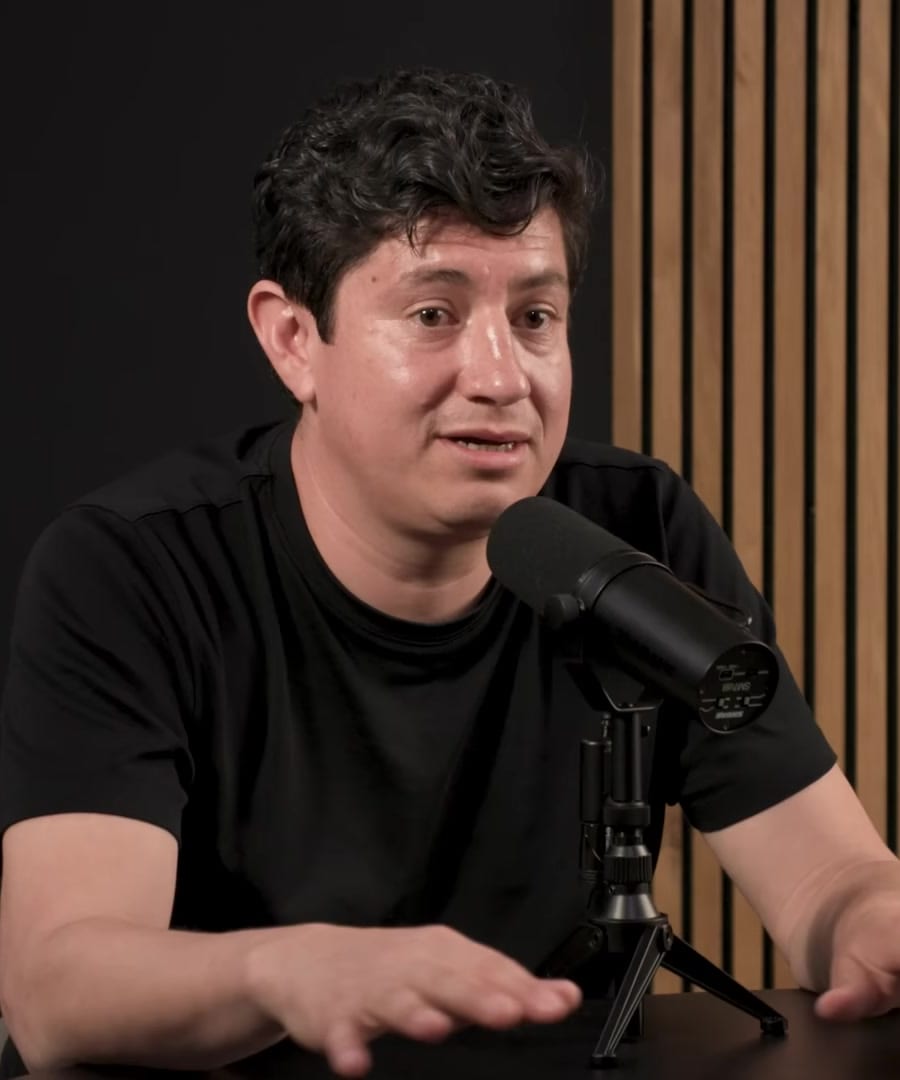
Questions from this episode
- Asked by 1,205 people
- Asked by 1,043 people
- Asked by 946 people
- Asked by 805 people
- Asked by 786 people
- Asked by 729 people
- Asked by 389 people
- Asked by 346 people
- Asked by 346 people
- Asked by 277 people
- Asked by 233 people
- Asked by 231 people
- Asked by 219 people
- Asked by 213 people
- Asked by 184 people
Episode Highlights
Sweetness
The gut-brain axis plays a crucial role in our preference for sweet foods. explains that even when the ability to taste sweetness is genetically removed, animals still prefer sugar over non-caloric sweeteners, indicating a deeper gut-based mechanism at work 1. He shares a personal story about a woman whose cravings changed dramatically after gastric bypass surgery, highlighting how altering the gut can reshape food preferences 2.
The animal invariably will go to sugar. If they have never seen sugar, it will take them a little bit more time. But regularly, by the second day, is within 90 seconds that they detect what is sugar.
---
This underscores the powerful influence of the gut on our cravings and dietary choices.
Protein
Our need for protein significantly shapes our food choices, driven by the gut-brain axis. and Diego discuss how the gut evaluates the protein content in food, influencing whether we continue to eat it or avoid it 3. Diego notes that protein is the most satiating macronutrient, and our agricultural practices have evolved to ensure we get a balanced intake of proteins, carbohydrates, and fibers 4.
If the protein is low, the animal consumes more of the diet because it's trying to compensate for the lack of protein.
---
This interaction highlights the gut's role in guiding our nutritional needs and preferences.
Fat & Fiber
Fats and fibers also play a critical role in our dietary behavior through gut-brain interactions. explains that fiber can trigger the gut microbiome to synthesize essential amino acids, compensating for the lack of animal protein in vegetarian diets 5. He also describes the morning rituals of indigenous communities, where a combination of guayusa and Chonta palm provides energy and satiety, demonstrating the practical application of these principles 6.
The fiber itself can trigger the gut microbiome to synthesize the essential amino acids that ordinarily would come from meat.
---
These insights reveal the sophisticated ways our gut manages nutrient intake and influences our eating habits.
Related Episodes

How to Optimize Your Brain-Body Function & Health | Huberman Lab Podcast #30
Answers 383 questions
Dr. David Berson: Your Brain's Logic & Function | Huberman Lab Podcast #50
Answers 383 questionsHow Your Nervous System Works & Changes | Huberman Lab Podcast #1
Answers 383 questionsThe Science of Making & Breaking Habits | Huberman Lab Podcast #53
Answers 383 questionsUsing Your Nervous System to Enhance Your Immune System | Huberman Lab Podcast #44
Answers 383 questionsThe Science of Emotions & Relationships | Huberman Lab Podcast #13
Answers 383 questionsThe Science of Healthy Hair, Hair Loss and How to Regrow Hair | Huberman Lab Podcast
Answers 383 questionsThe Science of Setting & Achieving Goals | Huberman Lab Podcast #55
Answers 383 questionsThe Science & Treatment of Bipolar Disorder | Huberman Lab Podcast #82
Answers 383 questionsNutrients For Brain Health & Performance | Huberman Lab Podcast #42
Answers 383 questions
Dr. Karl Deisseroth: Understanding & Healing the Mind | Huberman Lab Podcast #26
Answers 383 questionsThe Science & Process of Healing from Grief | Huberman Lab Podcast #74
Answers 383 questions