Dr. Diego Bohórquez: The Science of Your Gut Sense & the Gut-Brain Axis

Topics covered
Popular Clips
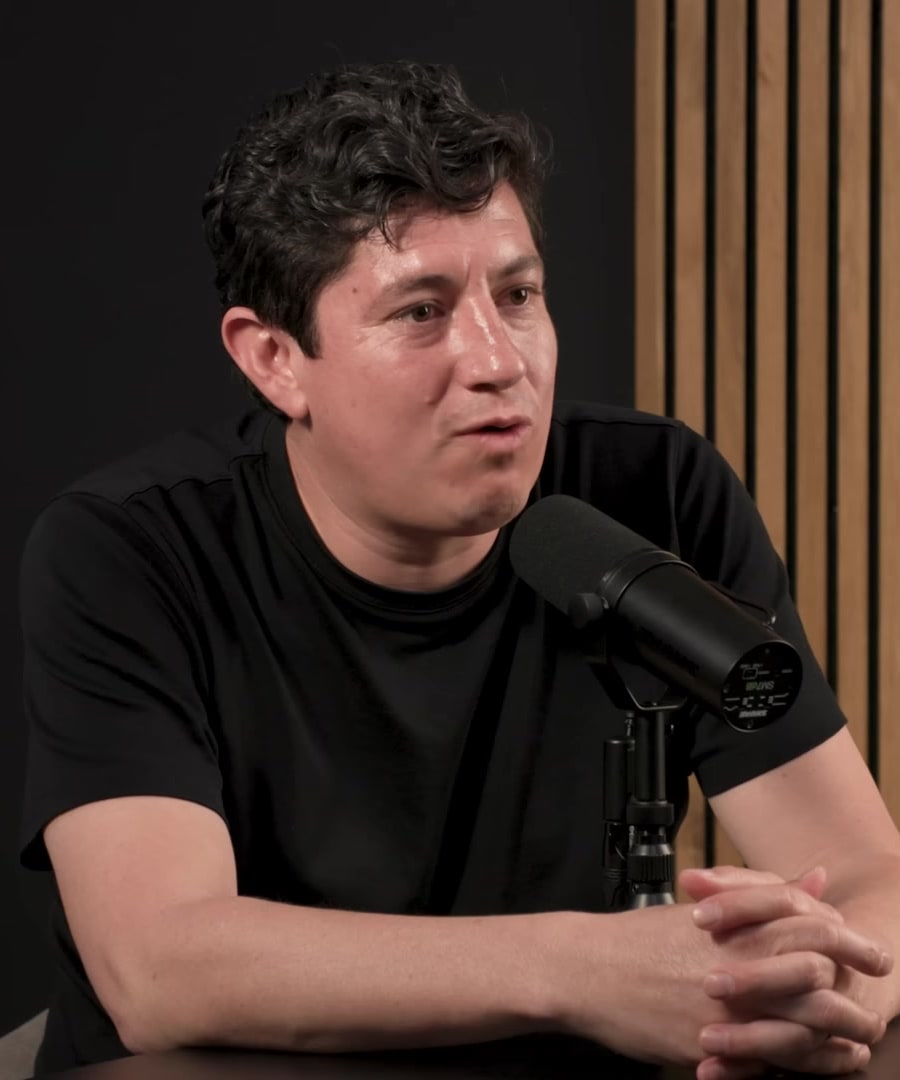
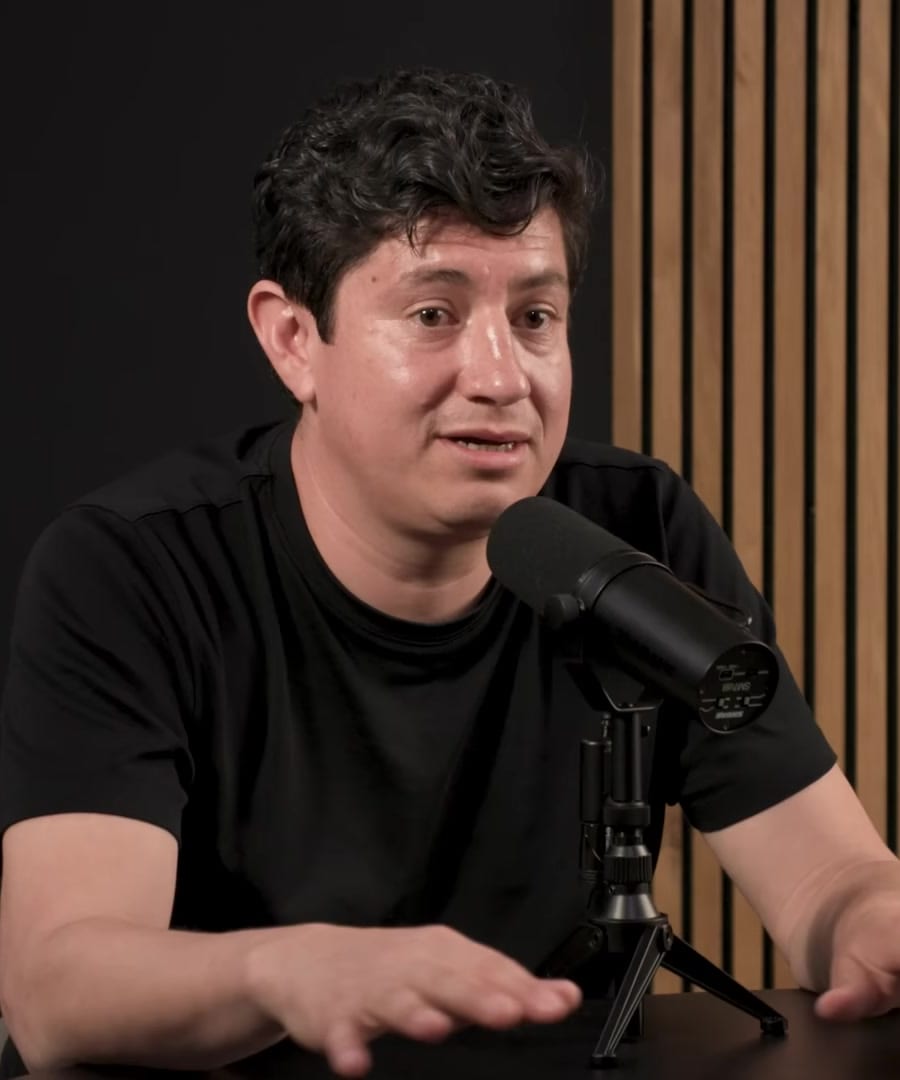
Questions from this episode
- Asked by 1,205 people
- Asked by 1,043 people
- Asked by 946 people
- Asked by 805 people
- Asked by 786 people
- Asked by 729 people
- Asked by 389 people
- Asked by 346 people
- Asked by 346 people
- Asked by 277 people
- Asked by 233 people
- Asked by 231 people
- Asked by 219 people
- Asked by 213 people
- Asked by 184 people
Episode Highlights
Indigenous Wisdom
Dr. Diego Bohórquez discusses how indigenous peoples learn from plants, emphasizing the deep connection between native cultures and their environment. He explains that traditional knowledge often surpasses modern scientific classifications, as natives consider factors like flavor, shape, and seasonal changes in plants 1. This holistic understanding is crucial for both survival and medicinal purposes, highlighting the sacred relationship between people and nature 2.
About 80% of medicine still comes straight from plants.
---
This perspective encourages a more integrated approach to studying plant-based medicines and their potential benefits.
Childhood
Diego's upbringing in the Amazon shaped his unique perspective on nutrition and science. Born in a small town in Ecuador, he grew up in a rural environment where traditional practices and limited resources influenced his early life 3. His journey from the Amazon to a career in neuroscience and nutrition was marked by pivotal experiences, such as attending a premier military school and later studying in the United States 4.
I was extremely fortunate through that experience and that education.
---
These experiences laid the foundation for his scientific curiosity and dedication to understanding the gut-brain connection.
Communal Eating
Communal eating practices play a significant role in fostering social bonds and cultural continuity. Diego describes the ritualistic drinking of Guayusa in the morning, where families discuss their issues and plan their day, highlighting the importance of shared experiences 5. This practice not only strengthens family ties but also serves as a form of social and emotional support.
If the food that we eat is more alike, we are more likely to connect.
---
Such rituals underscore the connection between food, culture, and community, illustrating how communal meals can enhance social cohesion and mutual understanding 6.
Related Episodes

How to Optimize Your Brain-Body Function & Health | Huberman Lab Podcast #30
Answers 383 questions
Dr. David Berson: Your Brain's Logic & Function | Huberman Lab Podcast #50
Answers 383 questionsHow Your Nervous System Works & Changes | Huberman Lab Podcast #1
Answers 383 questionsThe Science of Making & Breaking Habits | Huberman Lab Podcast #53
Answers 383 questionsUsing Your Nervous System to Enhance Your Immune System | Huberman Lab Podcast #44
Answers 383 questionsThe Science of Emotions & Relationships | Huberman Lab Podcast #13
Answers 383 questionsThe Science of Healthy Hair, Hair Loss and How to Regrow Hair | Huberman Lab Podcast
Answers 383 questionsThe Science of Setting & Achieving Goals | Huberman Lab Podcast #55
Answers 383 questionsThe Science & Treatment of Bipolar Disorder | Huberman Lab Podcast #82
Answers 383 questionsNutrients For Brain Health & Performance | Huberman Lab Podcast #42
Answers 383 questions
Dr. Karl Deisseroth: Understanding & Healing the Mind | Huberman Lab Podcast #26
Answers 383 questionsThe Science & Process of Healing from Grief | Huberman Lab Podcast #74
Answers 383 questions