Journal Club with Dr. Peter Attia | Effects of Light & Dark on Mental Health & Treatments for Cancer

Topics covered
Popular Clips
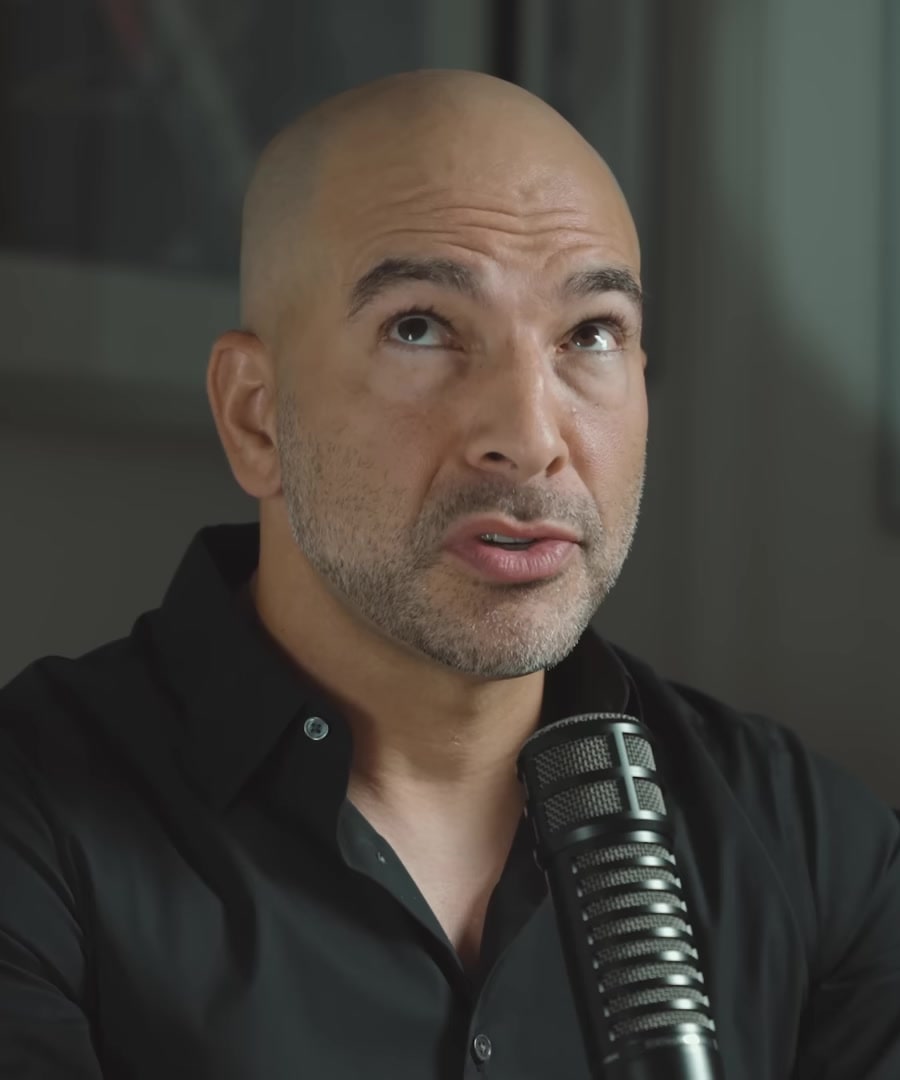
Questions from this episode
- Asked by 2,153 people
- Asked by 815 people
- Asked by 806 people
- Asked by 657 people
- Asked by 428 people
- Asked by 390 people
- Asked by 379 people
- Asked by 347 people
- Asked by 347 people
- Asked by 261 people
- Asked by 235 people
- Asked by 215 people
- Asked by 212 people
- Asked by 209 people
- Asked by 185 people
Episode Highlights
Odds Ratios
Dr. Peter Attia explains the concept of odds ratios, emphasizing their significance in epidemiological studies. He highlights the difference between unadjusted and adjusted models, noting that the odds ratio represents the probability of an event occurring in one group compared to another 1. Andrew Huberman adds that odds ratios and hazard ratios are often confused but are fundamentally similar 1.
An odds ratio of two is 100%. An odds ratio of three is 200%. So the math is, take the number, subtract one, and that's the percent.
---
This metric is crucial for understanding the impact of various factors on health outcomes, such as smoking and lung cancer risk 1.
Cancer Metrics
Peter discusses the application of clinical metrics in cancer research, focusing on response rates and survival metrics. He explains that a partial response (PR) requires at least a 50% reduction in tumor size, while a complete response (CR) means the tumor vanishes entirely 2. These metrics are vital for assessing treatment efficacy in dire conditions like metastatic melanoma 3.
The overall survival for metastatic melanoma is zero, with the exception of people who respond to interleukin two.
---
Andrew Huberman notes that these metrics help gauge the effectiveness of new treatments, providing hope for patients with limited options 3.
Related Episodes

AMA #14: 2023 Philanthropy, Evening Routine, Light Therapy, Health Metrics & More
Answers 383 questionsMental Health Toolkit: Tools to Bolster Your Mood & Mental Health
Answers 383 questionsUsing Science to Optimize Sleep, Learning & Metabolism | Huberman Lab Podcast #3
Answers 383 questions
Dr. Matthew Hill: How Cannabis Impacts Health & the Potential Risks
Answers 383 questionsBenefits & Risks of Peptide Therapeutics for Physical & Mental Health
Answers 383 questions
Dr. Chris Palmer: Diet & Nutrition for Mental Health | Huberman Lab Podcast #99
Answers 383 questions
Dr. Karl Deisseroth: Understanding & Healing the Mind | Huberman Lab Podcast #26
Answers 383 questionsA Science-Supported Journaling Protocol to Improve Mental & Physical Health
Answers 383 questions