Dr. Matthew Walker: The Biology of Sleep & Your Unique Sleep Needs | Huberman Lab Guest Series

Topics covered
Popular Clips





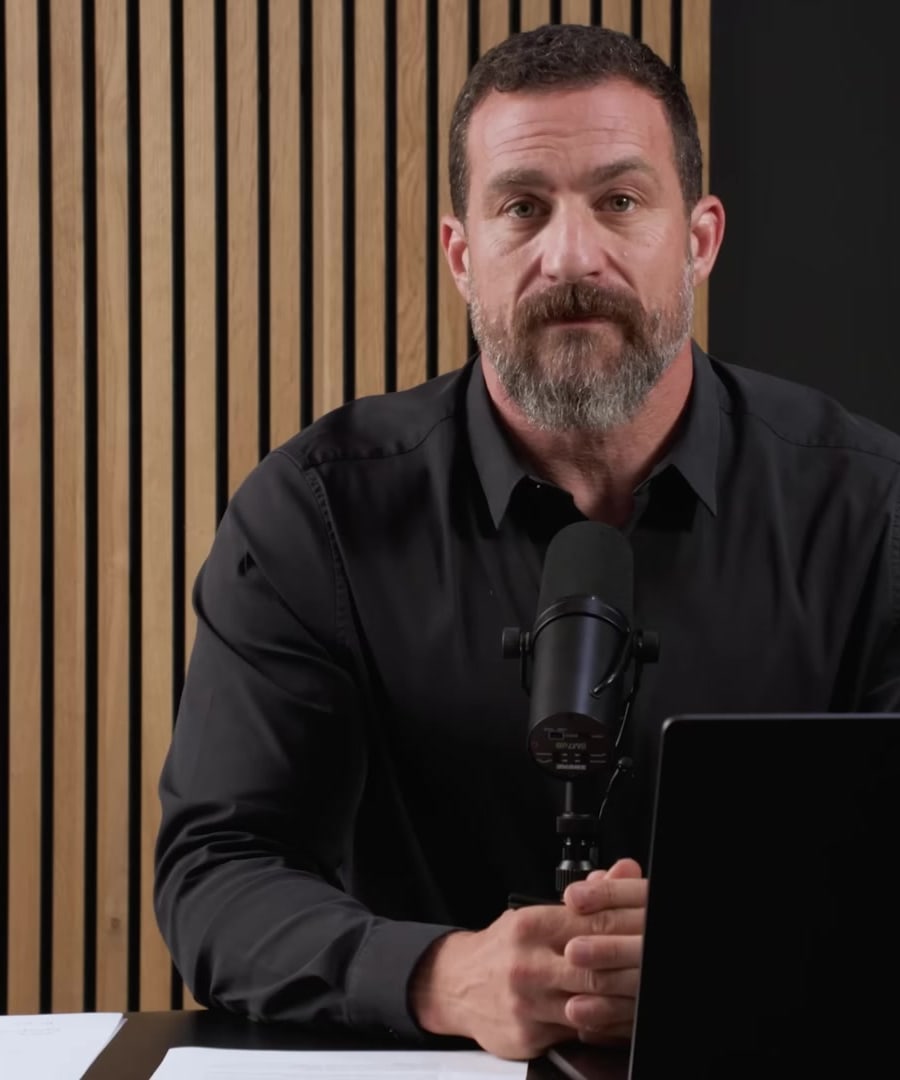
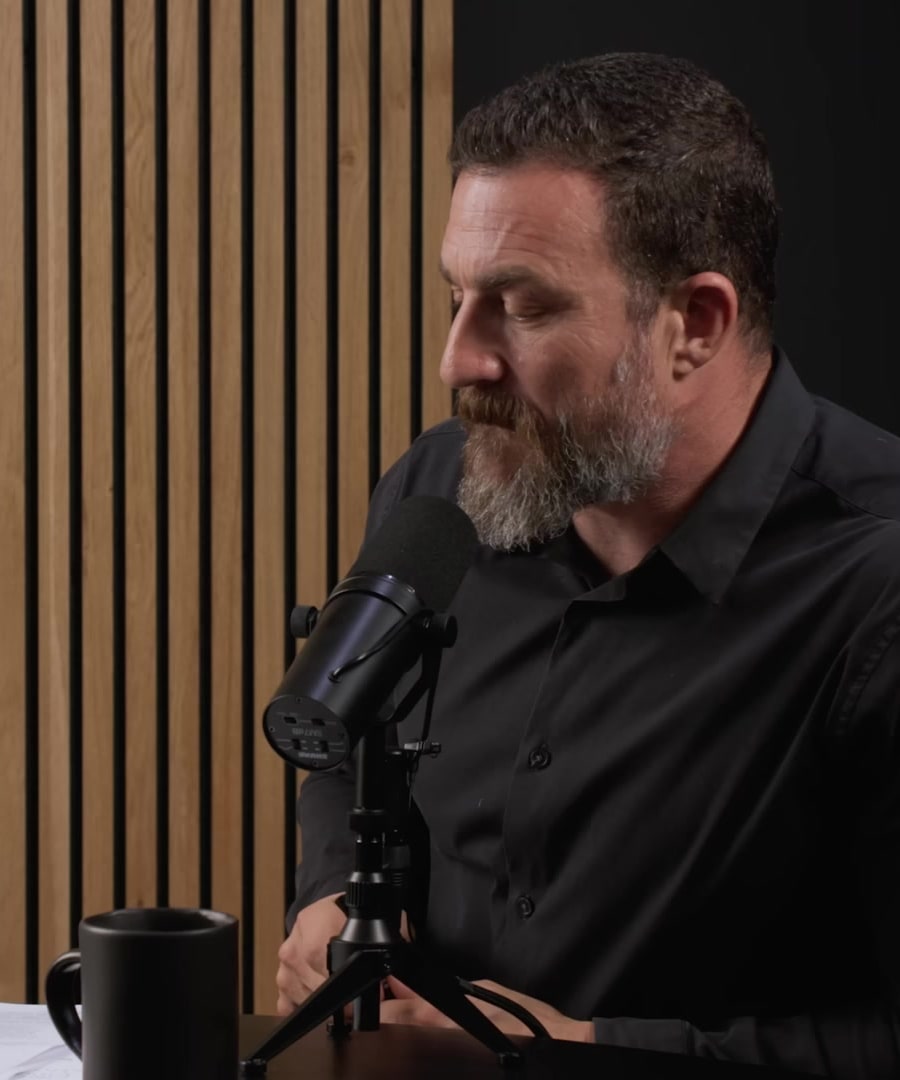
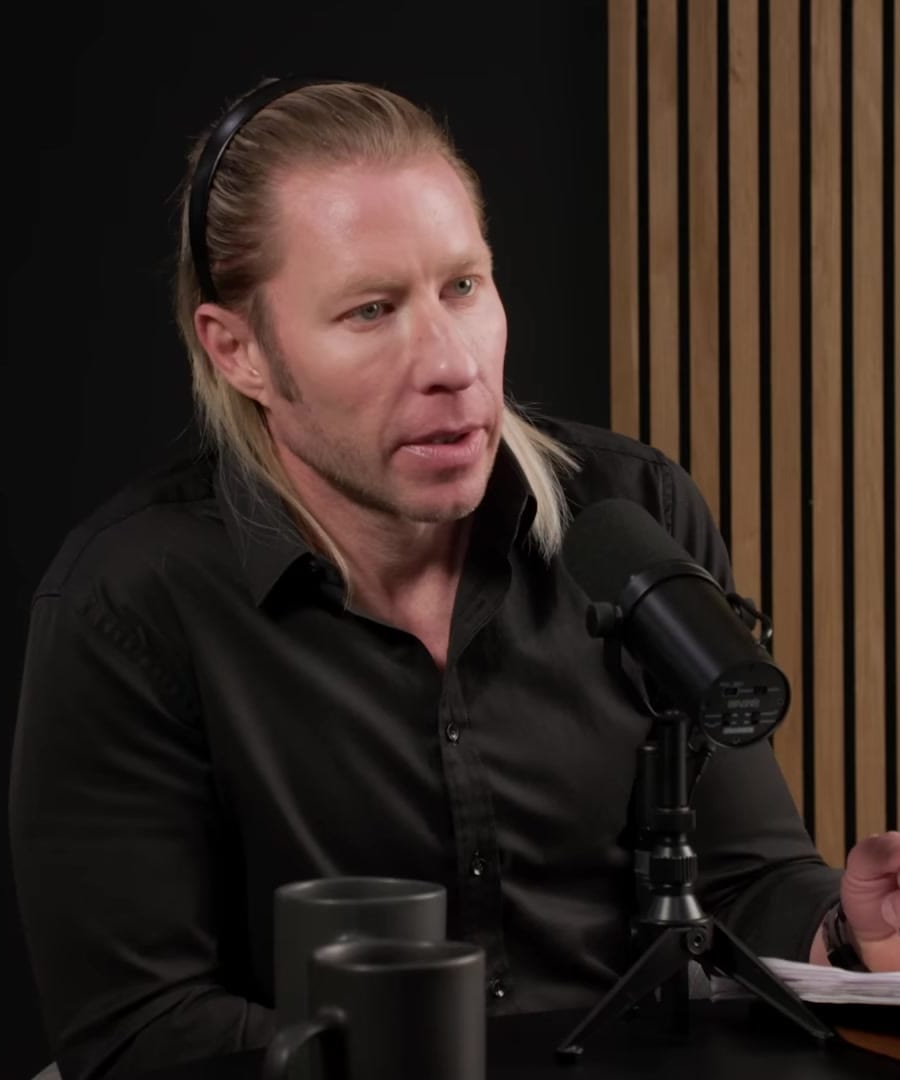
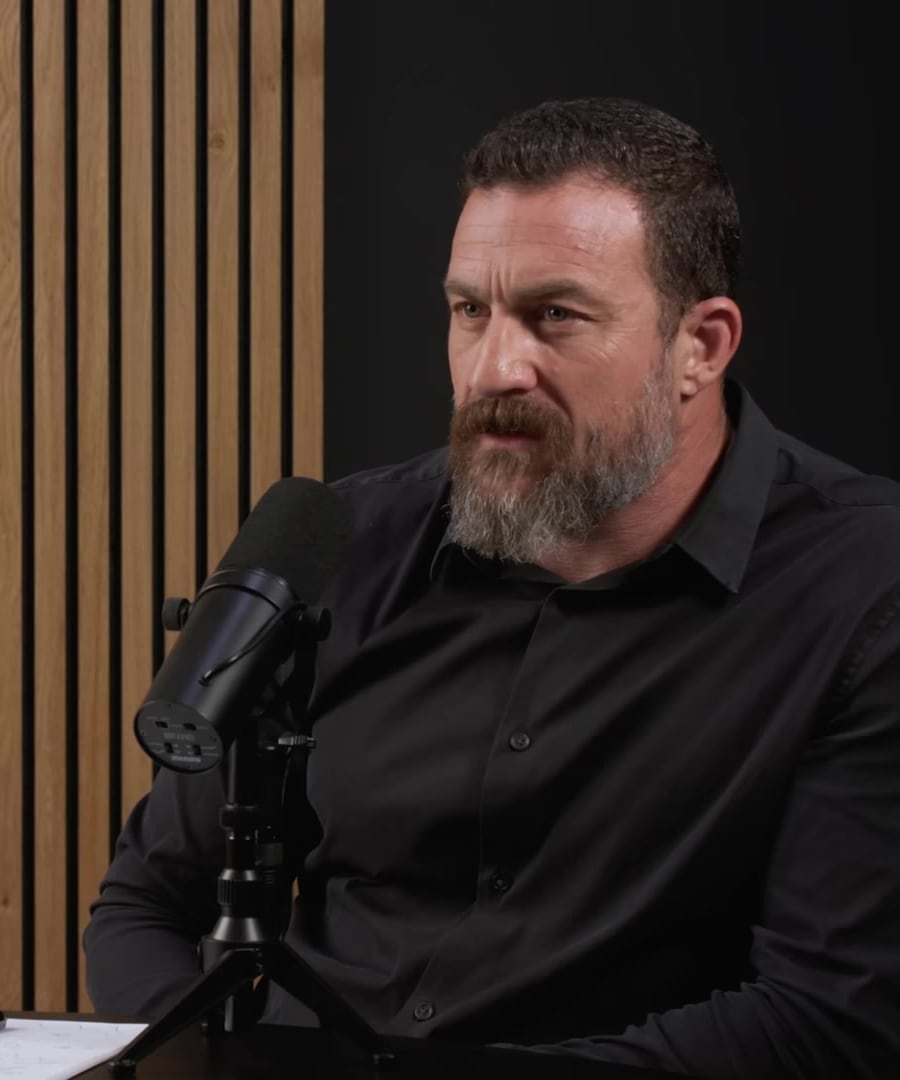
Questions from this episode
- Asked by 3,193 people
- Asked by 1,939 people
- Asked by 383 people
- Asked by 214 people
- Asked by 192 people
- Asked by 168 people
- Asked by 163 people
- Asked by 138 people
- Asked by 135 people
- Asked by 114 people
- Asked by 111 people
- Asked by 105 people
- Asked by 102 people
- Asked by 101 people
- Asked by 92 people
Episode Highlights
Immune System
highlights the profound impact of sleep on the immune system, emphasizing its role in maintaining immune function. He explains that even a single night of sleep deprivation can lead to a 70% reduction in natural killer cell activity, which are crucial for fighting cancer and infections 1. Walker also notes that insufficient sleep can significantly reduce the effectiveness of vaccines, such as the flu shot, and increase susceptibility to common illnesses 1. This underscores the non-negotiable necessity of sleep for life support functions, as it has evolved with life itself 2.
Hormonal Effects
Sleep plays a critical role in regulating hormones, including testosterone, insulin, and growth hormone. explains that a lack of sleep can lead to hormonal imbalances, such as reduced testosterone levels, which can age a person by a decade within just five days 3. Growth hormone, essential for tissue repair and metabolism, is primarily released during sleep, highlighting the importance of maintaining regular sleep patterns 4. Walker introduces the QQRT framework—Quantity, Quality, Regularity, and Timing—as essential components for optimizing sleep and hormonal health 5.
Cognitive Function
Sleep is vital for cognitive functions such as learning, memory, and emotional regulation. and discuss how sleep deprivation impairs learning and neuroplasticity, while adequate sleep enhances the brain's ability to absorb and retain information 6. Walker elaborates on how sleep not only strengthens individual memories but also integrates them, facilitating creative problem-solving and emotional resilience 7. He describes sleep as an "emotional balm," helping to reset mood and emotional states, which is why a good night's sleep often leads to feeling better the next day 7.
Related Episodes


Dr. Matthew Walker: Protocols to Improve Your Sleep | Huberman Lab Guest Series
Answers 383 questionsUsing Science to Optimize Sleep, Learning & Metabolism | Huberman Lab Podcast #3
Answers 383 questionsMaster Your Sleep & Be More Alert When Awake | Huberman Lab Podcast #2
Answers 383 questionsUnderstanding and Using Dreams to Learn and to Forget | Huberman Lab Podcast #5
Answers 383 questionsThe Science & Process of Healing from Grief | Huberman Lab Podcast #74
Answers 383 questions
Dr. David Berson: Your Brain's Logic & Function | Huberman Lab Podcast #50
Answers 383 questions