Dr. Matthew Walker: The Biology of Sleep & Your Unique Sleep Needs | Huberman Lab Guest Series

Topics covered
Popular Clips
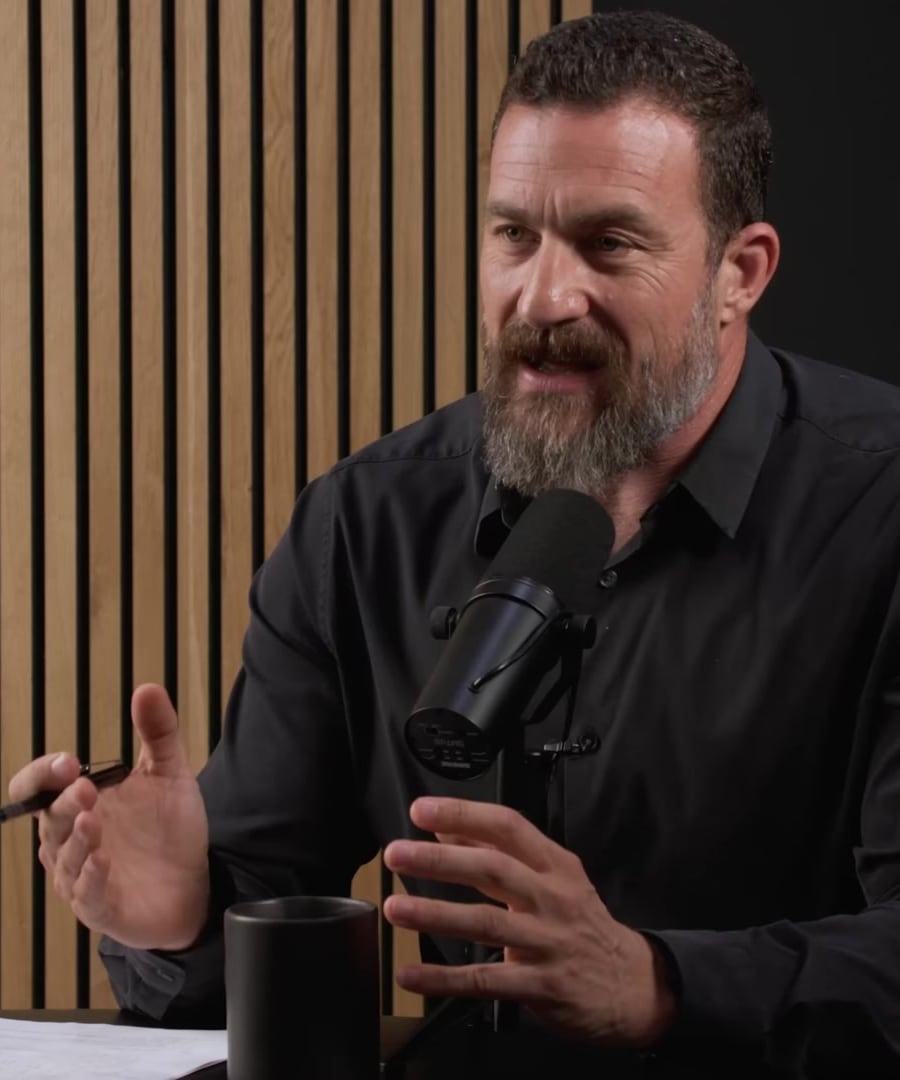
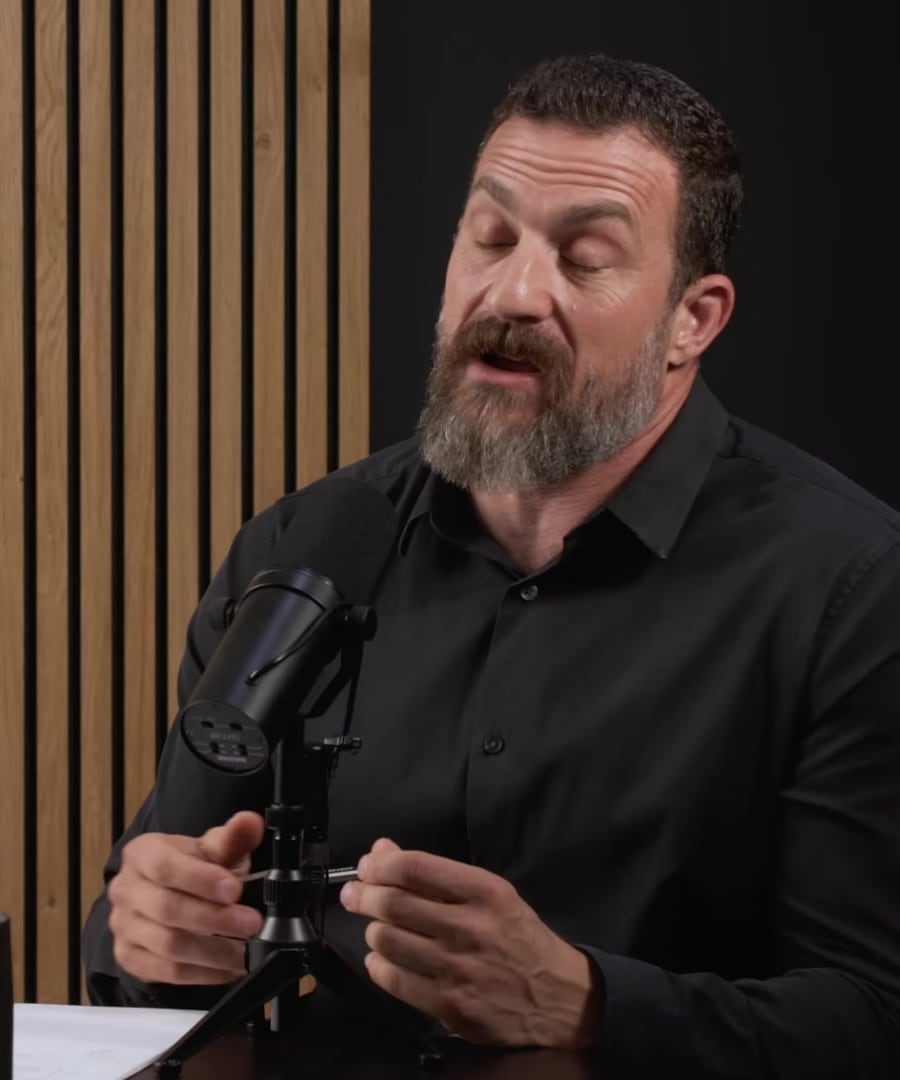

Questions from this episode
- Asked by 3,193 people
- Asked by 1,939 people
- Asked by 383 people
- Asked by 214 people
- Asked by 192 people
- Asked by 168 people
- Asked by 163 people
- Asked by 138 people
- Asked by 135 people
- Asked by 114 people
- Asked by 111 people
- Asked by 105 people
- Asked by 102 people
- Asked by 101 people
- Asked by 92 people
Episode Highlights
Chronotypes
Understanding chronotypes is crucial for aligning sleep patterns with our natural biological rhythms. explains that chronotypes are largely genetically determined, with at least 22 genes influencing them. This genetic predisposition dictates whether someone is a morning or evening type, impacting their sleep onset and maintenance. He emphasizes, "It's not your fault that your chronotype is largely genetically dictated," highlighting the importance of recognizing and respecting these natural rhythms 1.
Circadian Rhythms
Circadian rhythms are the body's internal clock, regulating sleep and wakefulness over a 24-hour cycle. describes the circadian rhythm as a master clock located in the brain, which coordinates with smaller clocks throughout the body. This rhythm interacts with sleep pressure, a force driven by the chemical adenosine, to determine sleepiness and alertness. He notes, "Your circadian rhythm doesn't care about how much adenosine is in your brain. It's just going to keep going up and down, up and down, every 24 hours" 2.
Related Episodes

Dr. Matthew Walker: Protocols to Improve Your Sleep | Huberman Lab Guest Series
Answers 383 questionsUsing Science to Optimize Sleep, Learning & Metabolism | Huberman Lab Podcast #3
Answers 383 questionsMaster Your Sleep & Be More Alert When Awake | Huberman Lab Podcast #2
Answers 383 questionsUnderstanding and Using Dreams to Learn and to Forget | Huberman Lab Podcast #5
Answers 383 questionsThe Science & Process of Healing from Grief | Huberman Lab Podcast #74
Answers 383 questions
Dr. David Berson: Your Brain's Logic & Function | Huberman Lab Podcast #50
Answers 383 questions