Dr. Victor Carrión: How to Heal From Post-Traumatic Stress Disorder (PTSD)

Topics covered
Popular Clips



Questions from this episode
- Asked by 3,193 people
- Asked by 2,454 people
- Asked by 1,940 people
- Asked by 1,282 people
- Asked by 652 people
- Asked by 624 people
- Asked by 231 people
- Asked by 192 people
- Asked by 187 people
- Asked by 187 people
- Asked by 176 people
- Asked by 172 people
- Asked by 168 people
- Asked by 138 people
- Asked by 114 people
Episode Highlights
PTSD Symptoms
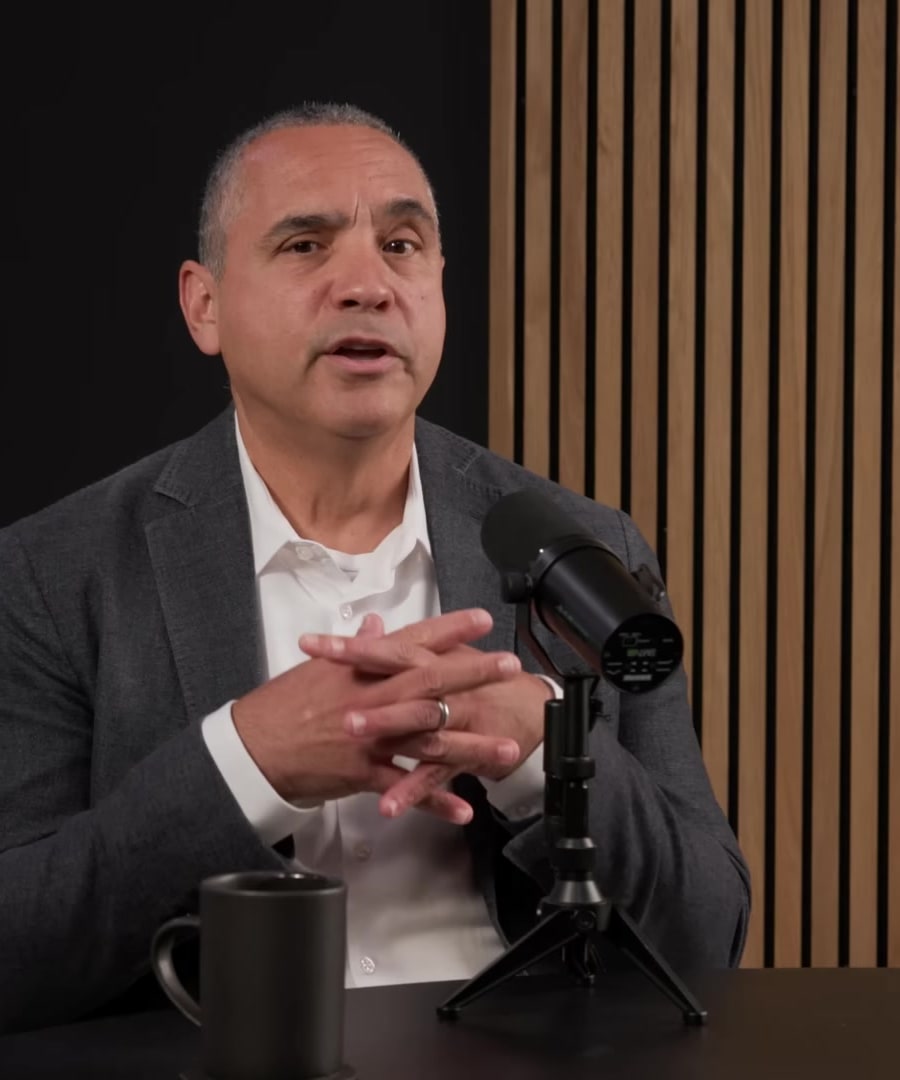
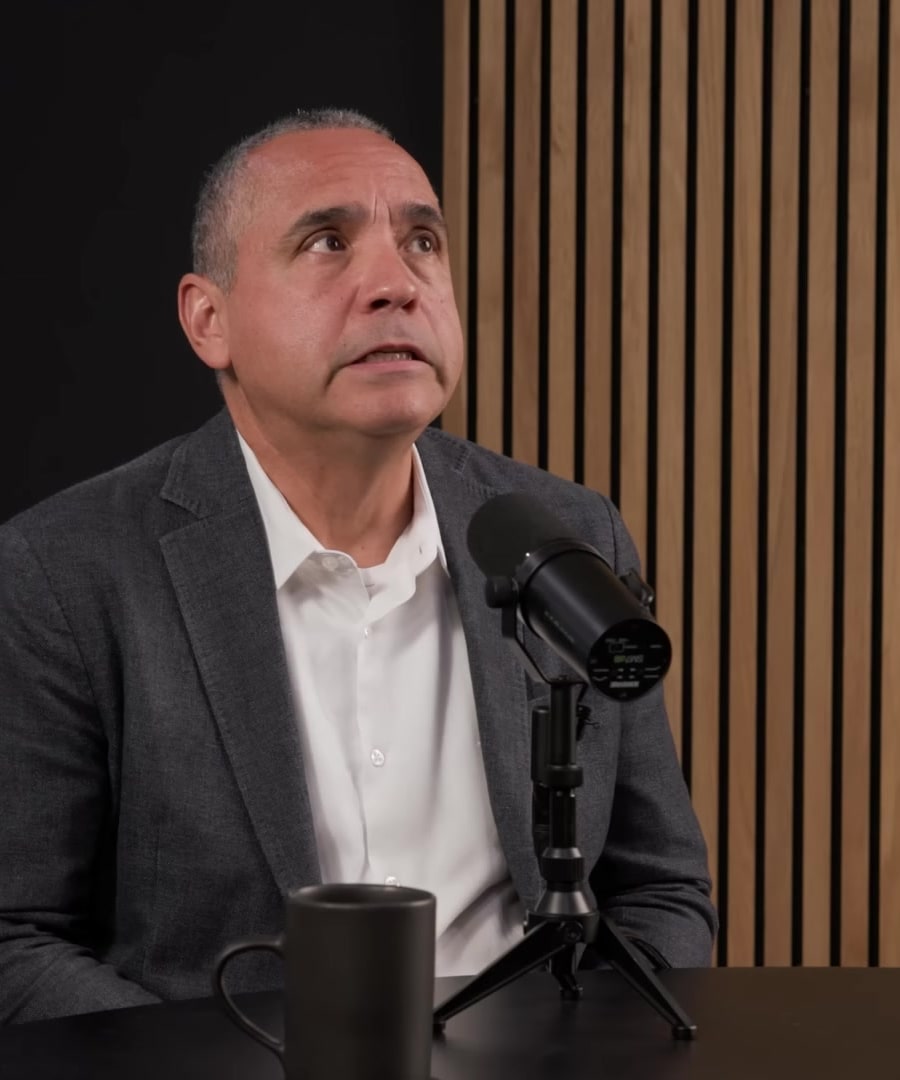
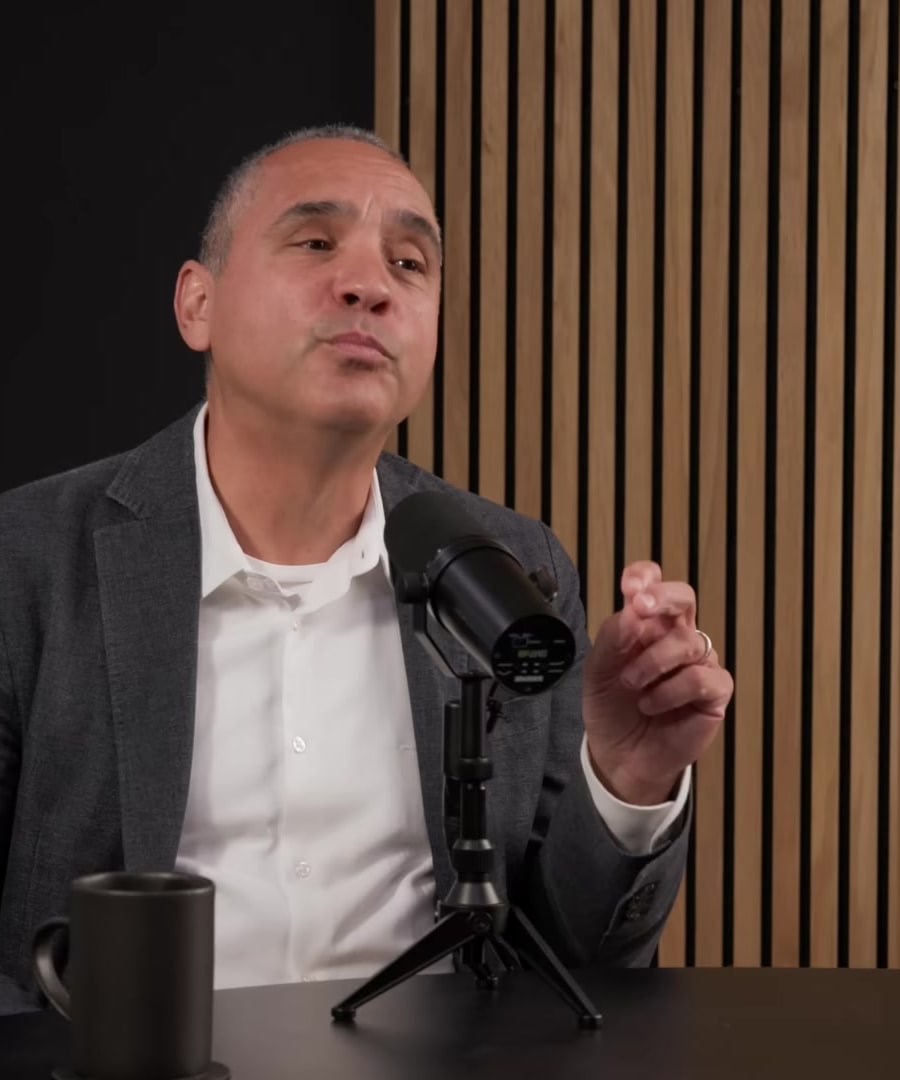
, a leading expert on PTSD, explains the complexity of PTSD symptoms, which often extend beyond the typical diagnosis. He notes that many individuals, especially children, exhibit functional impairments without meeting the full diagnostic criteria for PTSD, highlighting the nuanced spectrum of this disorder 1. Avoidance is a key factor that exacerbates PTSD, as it can lead to substance abuse and self-injurious behaviors if not addressed 1. Understanding the cues and triggers of PTSD is crucial for recovery, as recognizing these can help individuals manage their symptoms more effectively 2.
PTSD feeds on avoidance. If we pretend that something didn't happen, if we pretend that it will go away, if we pretend that treatment is not necessary, then that's when it gets complicated.
---
PTSD in Children
Children's vulnerability to PTSD is heightened due to their neuroplasticity, making them more susceptible to trauma's cumulative effects 3. emphasizes that children's symptoms, such as hypervigilance and dissociation, are often misdiagnosed as ADHD, leading to inappropriate treatments 4. He highlights the importance of recognizing these symptoms accurately to provide effective interventions 5.
Children are really not [resilient]. They are more vulnerable. They have the opportunity to become resilient if we help them and we tell them what tools to use.
---
Transgenerational Trauma
Transgenerational trauma involves both genetic predispositions and learned behaviors, impacting subsequent generations even without direct trauma exposure 6. discusses how behaviors such as avoidance and hypervigilance can be passed down, influencing children's development 6. Epigenetic changes, such as those affecting glucocorticoid receptors, may also play a role in how trauma impacts future generations, potentially accelerating aging and affecting mental health 7.
The jury is still out if genomic changes that result as a consequence of stress can be passed from one generation to the other.
---
Related Episodes


Dr. Karl Deisseroth: Understanding & Healing the Mind | Huberman Lab Podcast #26
Answers 383 questionsTools for Managing Stress & Anxiety | Huberman Lab Podcast #10
Answers 383 questionsThe Science & Process of Healing from Grief | Huberman Lab Podcast #74
Answers 383 questions
Dr. Paul Conti: Tools and Protocols for Mental Health | Huberman Lab Guest Series
Answers 383 questionsDr. Paul Conti: How to Improve Your Mental Health | Huberman Lab Guest Series
Answers 383 questions
How to Achieve Inner Peace & Healing | Dr. Richard Schwartz
Answers 383 questionsControl Pain & Heal Faster with Your Brain | Huberman Lab Podcast #9
Answers 383 questionsOptimal Protocols for Studying & Learning
Answers 383 questions