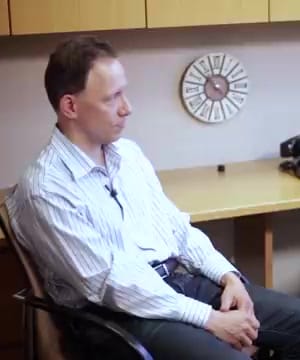
Dr. Steve Horvath on epigenetic aging to predict healthspan: the DNA PhenoAge and GrimAge clocks

Topics covered
Popular Clips







Questions from this episode
- Asked by 5,265 people
- Asked by 5,173 people
- Asked by 1,016 people
- Asked by 767 people
- Asked by 627 people
- Asked by 204 people
- Asked by 157 people
- Asked by 70 people
- Asked by 50 people
- Asked by 36 people
- Asked by 32 people
- Asked by 30 people
- Asked by 21 people
- Asked by 20 people
- Asked by 18 people
Episode Highlights
Stability
DNA methylation patterns are remarkably stable, making them ideal for measuring aging. explains that these patterns are more stable than other genomic measurements, such as gene expression or proteomics 1. This stability allows for accurate predictions of biological age and mortality. However, the exact mechanisms regulating these patterns remain unclear, with chronic inflammation and viral components being potential factors 2.
These epigenetic clocks have really linked development to tissue dysfunction in a direct manner.
---
Regulation
Epigenetic regulation involves enzymes like DNA methyltransferases and demethylases, which add or remove methyl groups. notes that mutations in these enzymes can significantly affect epigenetic age, adding or subtracting years 3. Reprogramming cells with factors like Yamanaka factors can reset the epigenetic clock to a prenatal stage, offering potential anti-aging interventions 4.
The number one proof of principle study is really the administration of these Yamanaka factors, because it completely resets the age, actually to a prenatal stage.
---
Interventions
Various interventions, such as blood transplants and reprogramming, show promise in altering epigenetic age. Horvath discusses how blood transplants from younger donors can rejuvenate the recipient's blood age 5. Reprogramming cells can also reset their epigenetic age, potentially offering new anti-aging therapies 4. However, these methods are still in the experimental stage and come with risks.
You may have rejuvenated the cell by five years or ten years, but it still remembers its identity.
---
Related Episodes


Dr. Rhonda Patrick: Micronutrients for Health & Longevity | Huberman Lab Podcast #70
Answers 383 questionsThe Science of Healthy Hair, Hair Loss and How to Regrow Hair | Huberman Lab Podcast
Answers 383 questions
Dr. Gary Steinberg: How to Improve Brain Health & Offset Neurodegeneration
Answers 383 questionsUsing Science to Optimize Sleep, Learning & Metabolism | Huberman Lab Podcast #3
Answers 383 questionsHow to Optimize Fertility in Males & Females | Huberman Lab Podcast
Answers 383 questions