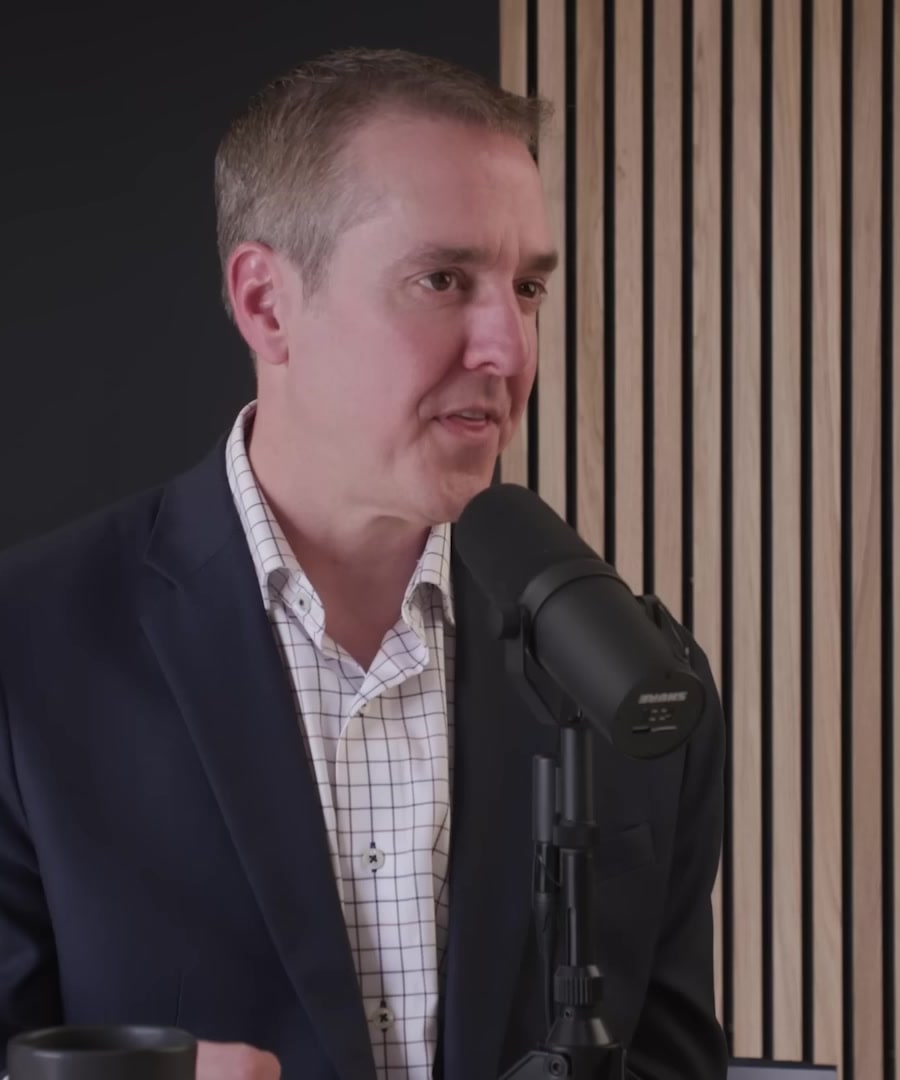
Dr. Chris Palmer: Diet & Nutrition for Mental Health | Huberman Lab Podcast #99

Topics covered
Popular Clips





Questions from this episode
- Asked by 5,408 people
- Asked by 1,203 people
- Asked by 729 people
- Asked by 569 people
- Asked by 316 people
- Asked by 243 people
- Asked by 243 people
- Asked by 233 people
- Asked by 230 people
- Asked by 219 people
- Asked by 216 people
- Asked by 215 people
- Asked by 213 people
- Asked by 172 people
- Asked by 161 people
Episode Highlights
Fasting Benefits
Fasting has long been intertwined with mental health, offering historical and scientific insights into its benefits. highlights how fasting, once considered mere religious folklore, has proven therapeutic effects, particularly in treating epilepsy. He explains that fasting induces significant metabolic shifts, promoting autophagy and resource conservation, which are beneficial for health 1.
Most people think going without food is bad, and they equate it with starvation. But in fact, when we go without food, it causes tremendous shifts in metabolism, both brain and body metabolism.
---
adds that fasting can have its own rewarding properties, potentially releasing dopamine and creating a sense of well-being beyond weight loss 2.
Nutritional Timing
The timing of nutrition plays a crucial role in mental health and ketosis. shares his personal routine of consuming carbohydrates at night to aid sleep, challenging the common belief against late-day carb intake 3. emphasizes the importance of sleep in mental health, suggesting that adequate rest can alleviate hypomania symptoms. He recommends behavioral interventions and, if necessary, supplements or prescription medications to ensure sufficient sleep 4.
You need at least 6 hours of sleep a night. Period. End of story. That's non negotiable.
---
For those using the ketogenic diet for mental health, maintaining ketosis is prioritized, with carbohydrates introduced only when other sleep interventions fail.
Related Episodes


Transform Your Mental Health With Diet & Lifestyle | Dr. Chris Palmer
Answers 383 questionsNutrients For Brain Health & Performance | Huberman Lab Podcast #42
Answers 383 questionsThe Science & Treatment of Bipolar Disorder | Huberman Lab Podcast #82
Answers 383 questions
Dr. Karl Deisseroth: Understanding & Healing the Mind | Huberman Lab Podcast #26
Answers 383 questions
Dr. Rhonda Patrick: Micronutrients for Health & Longevity | Huberman Lab Podcast #70
Answers 383 questions
Dr. Paul Conti: How to Improve Your Mental Health | Huberman Lab Guest Series
Answers 383 questionsHow Foods and Nutrients Control Our Moods | Huberman Lab Podcast #11
Answers 383 questions